
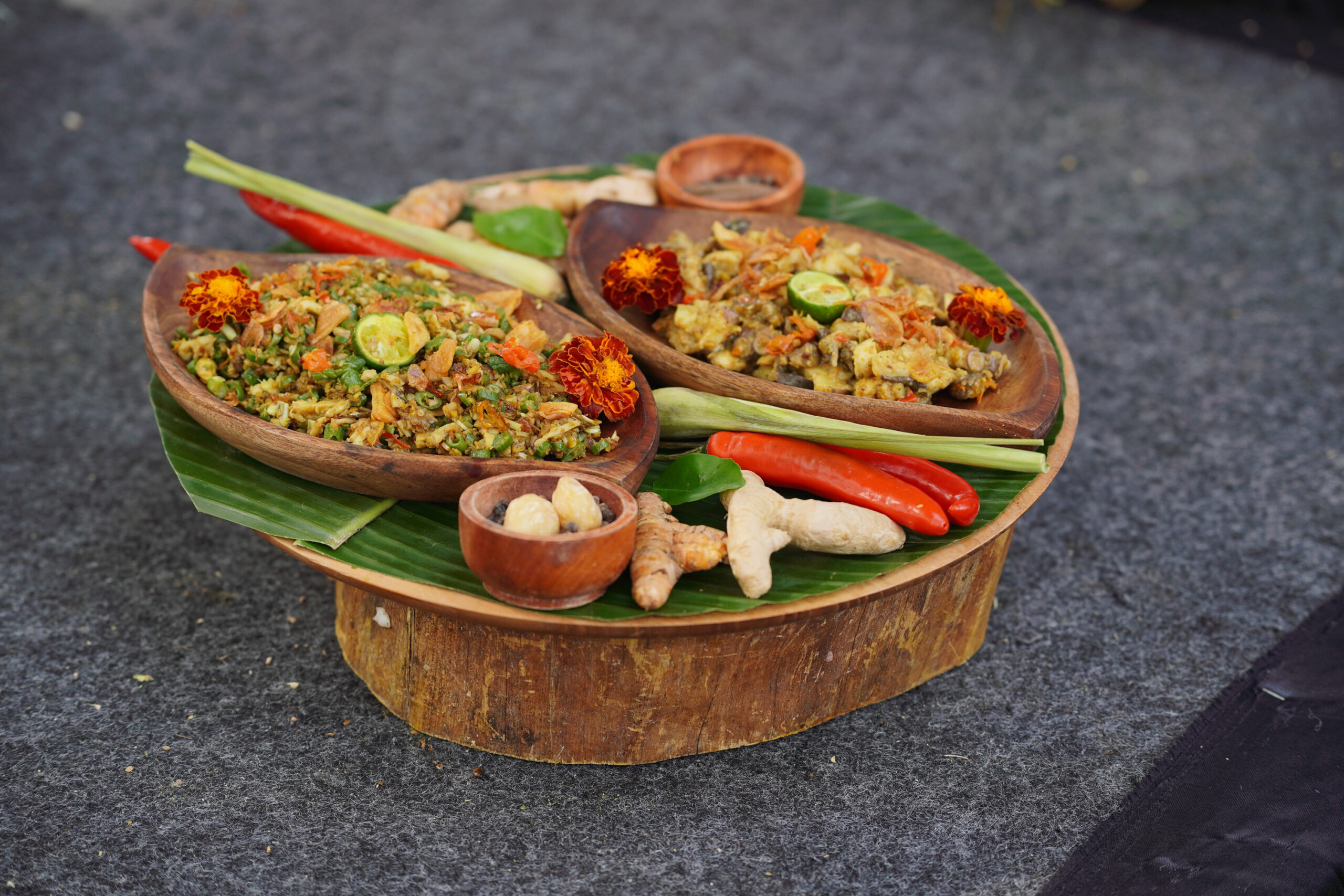

Few conversations are as endlessly compelling as those surrounding Indonesian cuisine. For the culturally curious, the archipelago offers a seemingly inexhaustible journey of flavours, shaped by landscapes, histories, and traditions that vary not only from one island to another, but often from one community to the next. Even within the same province, recipes evolve alongside customs, giving rise to a remarkable breadth of tastes and techniques that continue to define the country’s culinary identity.
A Javanese palate may find familiarity in the spice-laden warmth of Minang rendang, while a Sumatran diner might develop an affection for the bright punch of Balinese sambal matah. Over time, shared favourites emerge, crossing regional boundaries and eventually finding recognition abroad. Dishes such as rendang, satay, and nasi goreng have become shorthand for Indonesian cuisine, celebrated as ambassadors of Indonesian gastronomy.
But tradition is not always measured by visibility. Away from the spotlight are dishes that remain no less beloved, quietly sustaining communities and preserving stories passed down through generations. Rooted in the bounty of their homelands, these recipes continue to anchor celebrations and communal life, even if they seldom dominate conversations about Indonesian food.
Here, we turn the spotlight towards some of Indonesia’s lesser-discussed regional favourites, each carrying stories as rich as the flavours themselves.
Gohu ikan – North Maluku
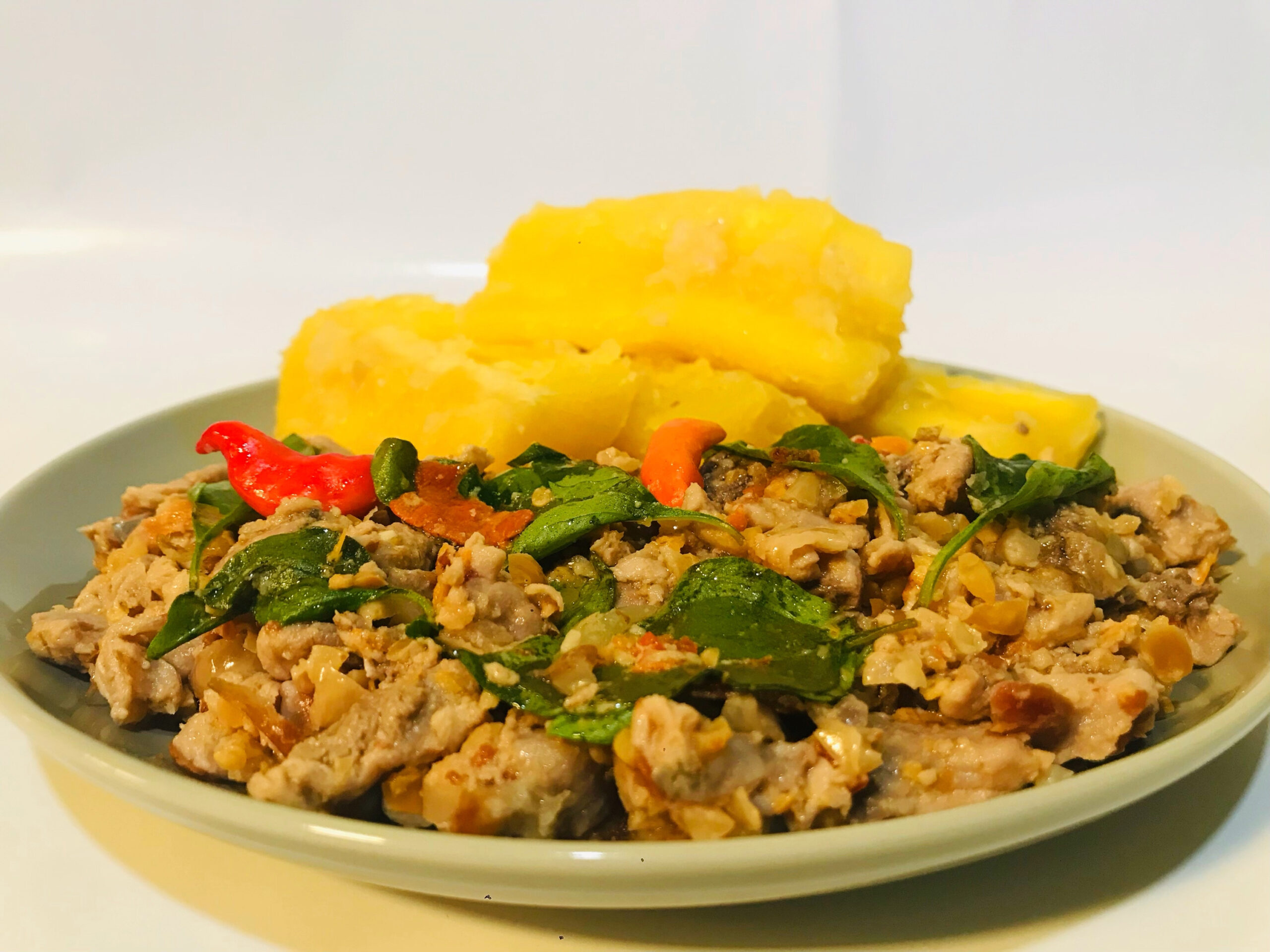
Dating back centuries, gohu ikan, or gohu ikang in the local tongue, reflects the Ternate’s close relationship with the sea and its abundance of tuna and cakalang (skipjack tuna), prized for their firm texture and rich flavour. Often dubbed the Sashimi of Ternate, gohu ikan is distinguished by its lively dressing of marinated chillies, shallots, calamansi, and aromatic basil.
For generations, fishers relied on the dish as a convenient and nourishing meal during long days at sea, preserving the freshness of the catch while allowing its natural nutrients to remain intact. Traditionally, it is enjoyed with steamed cassava, tapioca, or kasbi bread, creating a simple yet satisfying meal rooted in the everyday rhythms of island life.
In Ternate and across North Maluku, gohu ikan remains a staple enjoyed at any time of day. Beyond its homeland, this dish has found a wider audience through restaurants championing Eastern Indonesian cuisine. Among them is Kaum restaurant by Potato Head, where the vibrant flavours of gohu ikan are served in Jakarta and Bali.
Tinoransak – North Sulawesi

In the highlands of Minahasa, North Sulawesi, tinoransak, paired with rice, is a familiar favourite at traditional ceremonies, especially during major celebrations like Christmas and New Year. Its traditional use of pork means it is naturally less mainstream across majority-Muslim Indonesia, though modern kitchens increasingly swap the protein for chicken, beef, or fish. Furthermore, its uncompromising, fiery heat can feel a bit less approachable to outside palates that are used to milder Indonesian cuisine.
Preparation begins by cutting the meat into small pieces, which are then slowly simmered with a blend of ground spices. The sunny yellow colour of this dish comes from the turmeric, while lemongrass and kaffir lime leaves bring a fragrant aroma that balances the sharp chillies.
Historically, this mixture was slow-cooked inside bamboo tubes over an open fire alongside nasi jaha, a fragrant ginger rice grilled in banana leaves. Many modern households and restaurants now choose the quick convenience of stir-frying the dish. For a taste of this classic, Puja Bumi Kenduri restaurant in Jakarta serves a wonderfully authentic ayam tinoransak, keeping the rich heritage of the northern peninsula alive.
Lawar – Bali
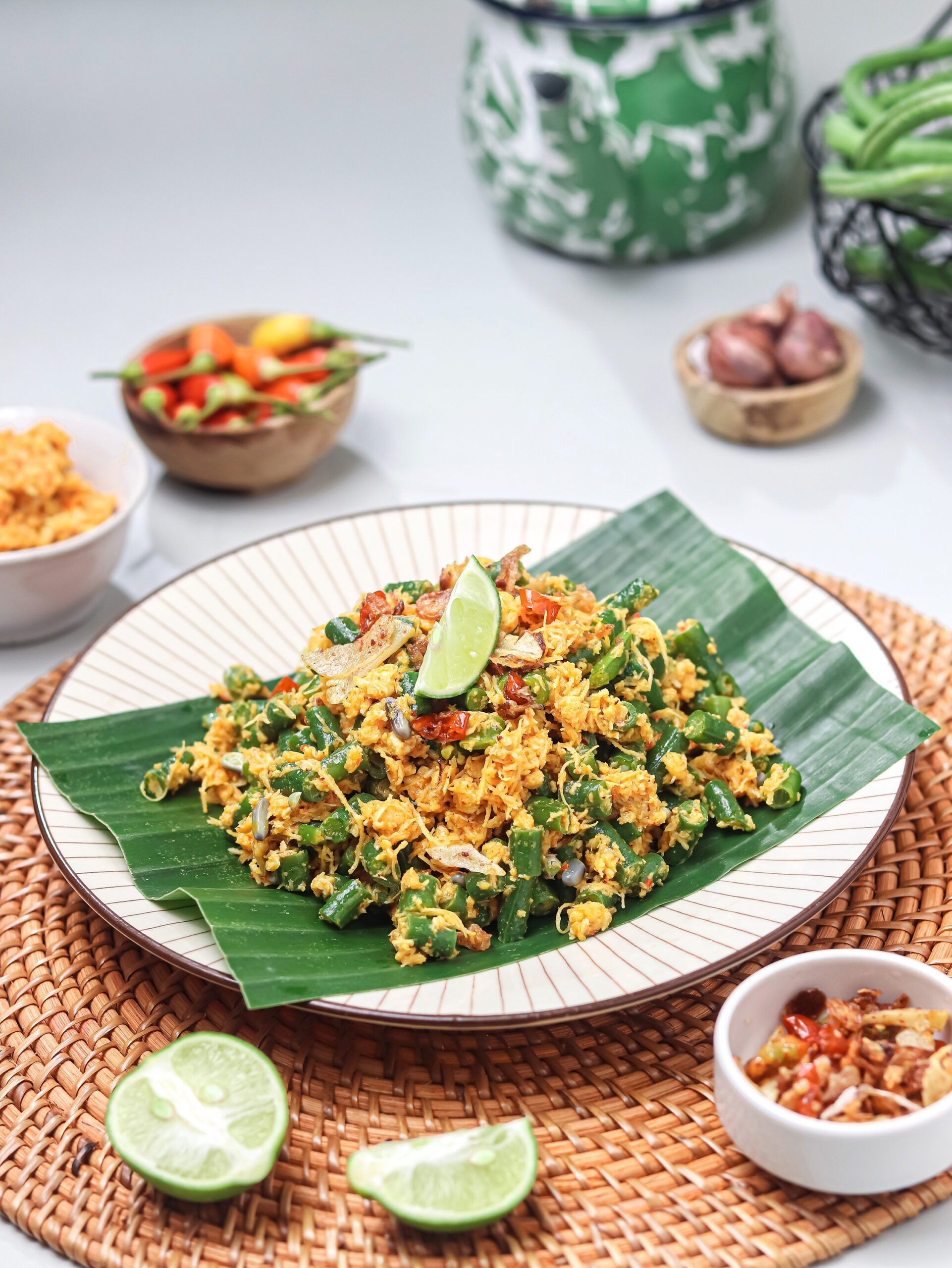
In Bali, lawar is far more than a culinary staple; the word itself means mixture, representing a harmonious blend of ingredients and community spirit. Historically tied to the ancient Bhairawa sect, this finely minced dish is a sacred Indonesian cuisine especially in Panca Yadnya rituals and Galungan celebrations, symbolising the victory of righteousness over evil.
Locals passionately preserve the tradition through ngelawar – the communal act of preparing and sharing the meal. The process is a beautifully collaborative effort where everyone has a role: some handle ngerajang to prepare the complex basa genep spice paste, while others take on nektek to mince the vegetables and proteins.
Traditionally, lawar combines grated coconut, local spices, and minced pork or chicken, using a splash of fresh blood to give the dish its signature hue. Contemporary kitchens frequently swap the traditional proteins for chicken, beef, or seafood.
One of the most approachable variations is lawar kenus, or squid lawar. Mirroring the original technique, this version cleverly uses squid ink instead of blood to paint the dish glossy black. This ink-stained creation is thoughtfully showcased at Wapa di Ume, offering a beautiful window into Bali and Indonesian enduring cuisine traditions.
Seruit – Lampung
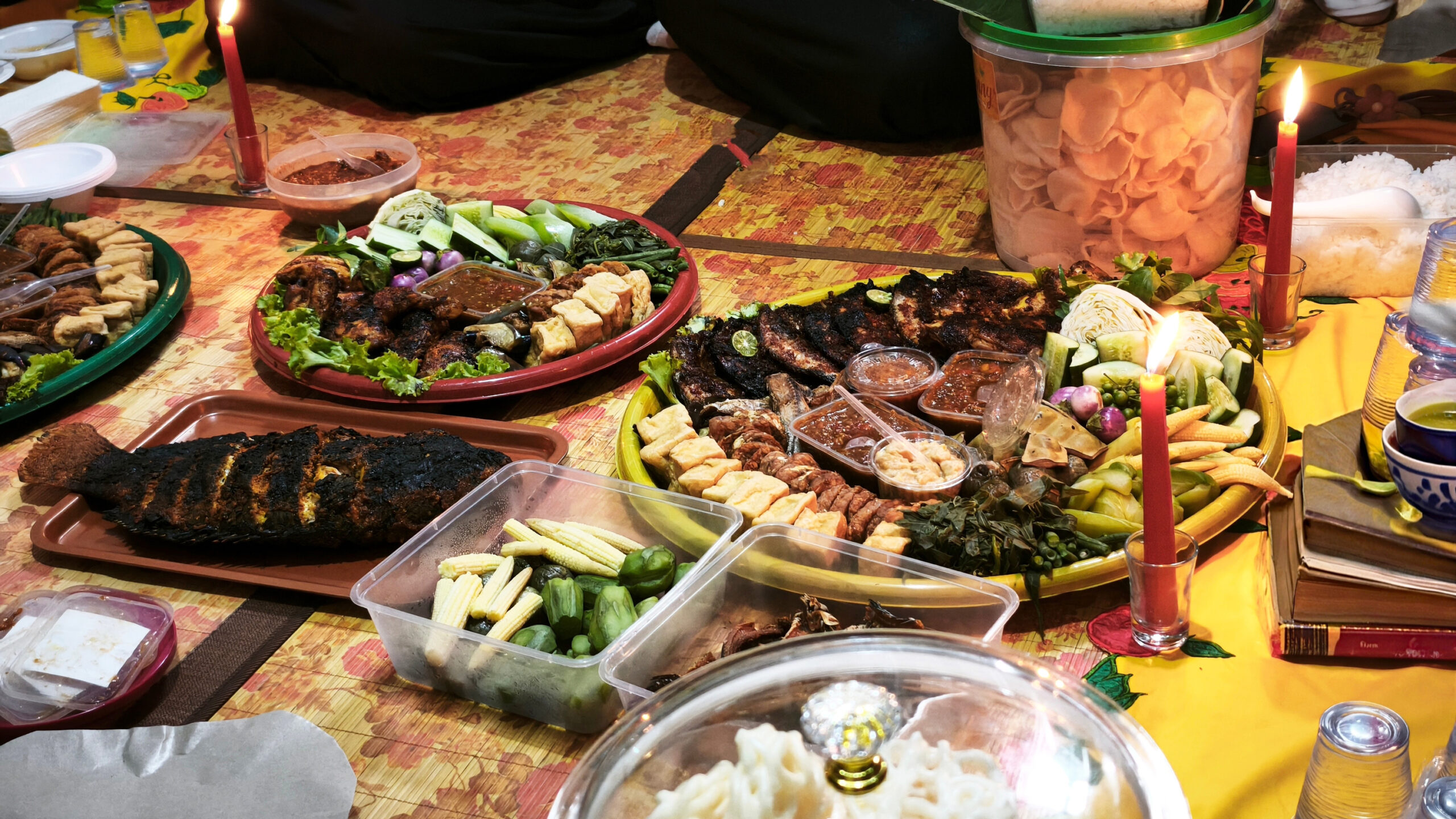
In Lampung, life’s milestones are often marked with ceremonies and shared feasts. At the centre of these gatherings is seruit, a beloved dish of grilled river fish accompanied by sambal, tempoyak (fermented durian), and fresh lalapan vegetables, all arranged on a communal platter designed to bring people together.
The spirit of the dish lies in the act of nyeruit, the tradition of sharing a meal from the same plate. Diners reach towards the centre to gather a little of everything onto their own plates, a simple ritual that naturally encourages conversation. The practice remains closely tied to celebrations, religious occasions, and family gatherings, where food serves as much of a social bond as it does a meal.
Like most Indonesian cuisine, seruit is often enjoyed in the humblest setting. River fish such as baung (Asian redtail catfish), belida (featherback), and patin (silver catfish) are commonly used, paired with the unmistakable pungency of tempoyak and the bright, spicy tang of sambal enriched with calamansi or mango – reflecting Lampung’s affinity for bold flavours.
Seruit has become increasingly accessible in urban areas through local eateries. Way Manom at Lampung Marriott Resort & Spa, for instance, offers the regional classic and introduces the convivial spirit of nyeruit to a new generation of diners.
Naniura – North Sumatra
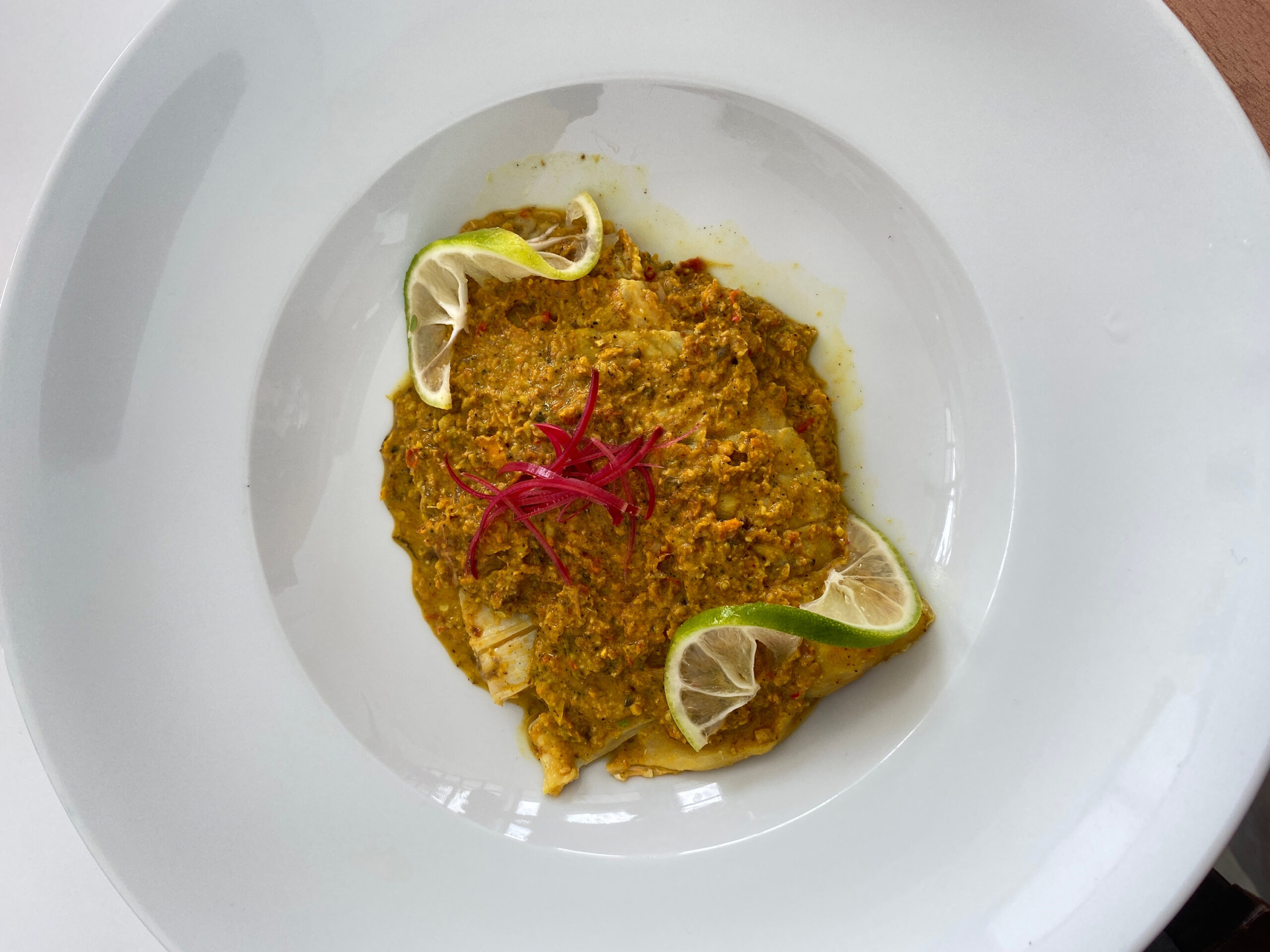
Once a delicacy reserved for Batak kings in the Tapanuli region, dengke mas na niura, or naniura for short, was prepared exclusively by royal cooks and served to honour nobility. Over time, this regal speciality found its way beyond palace walls and into ordinary households of Batak people around Lake Toba and humble lapo restaurants.
Meaning fish without cooking in Batak language, naniura relies on patience rather than fire. Fresh carp is cured for several hours in the juice of jeruk jungga (rough lemon), a native citrus whose intense acidity eliminates any fishiness while gently tenderising the flesh and softening the finer bones. The fish is then coated with a medley of traditional aromatics, from turmeric and ginger to chillies, candlenut, garlic, shallots, and fragrant kecombrang. Above all is andaliman, the native spice often referred to as Batak pepper, which lends its signature citrusy tingle. Together, the ingredients create a dish that is savoury, bright, and deeply aromatic.
Part of what keeps naniura less familiar in Indonesian cuisine conversations beyond North Sumatra is the recipe’s dependence on hard-to-find local ingredients: andaliman and jeruk jungga. While traditional lapo throughout North Sumatra continue to serve the dish, diners in the capital can find a more refined interpretation at Lapo Porsea in Jakarta’s SCBD, where a royal favourite continues to win new admirers.
Ayam tangkap – Aceh
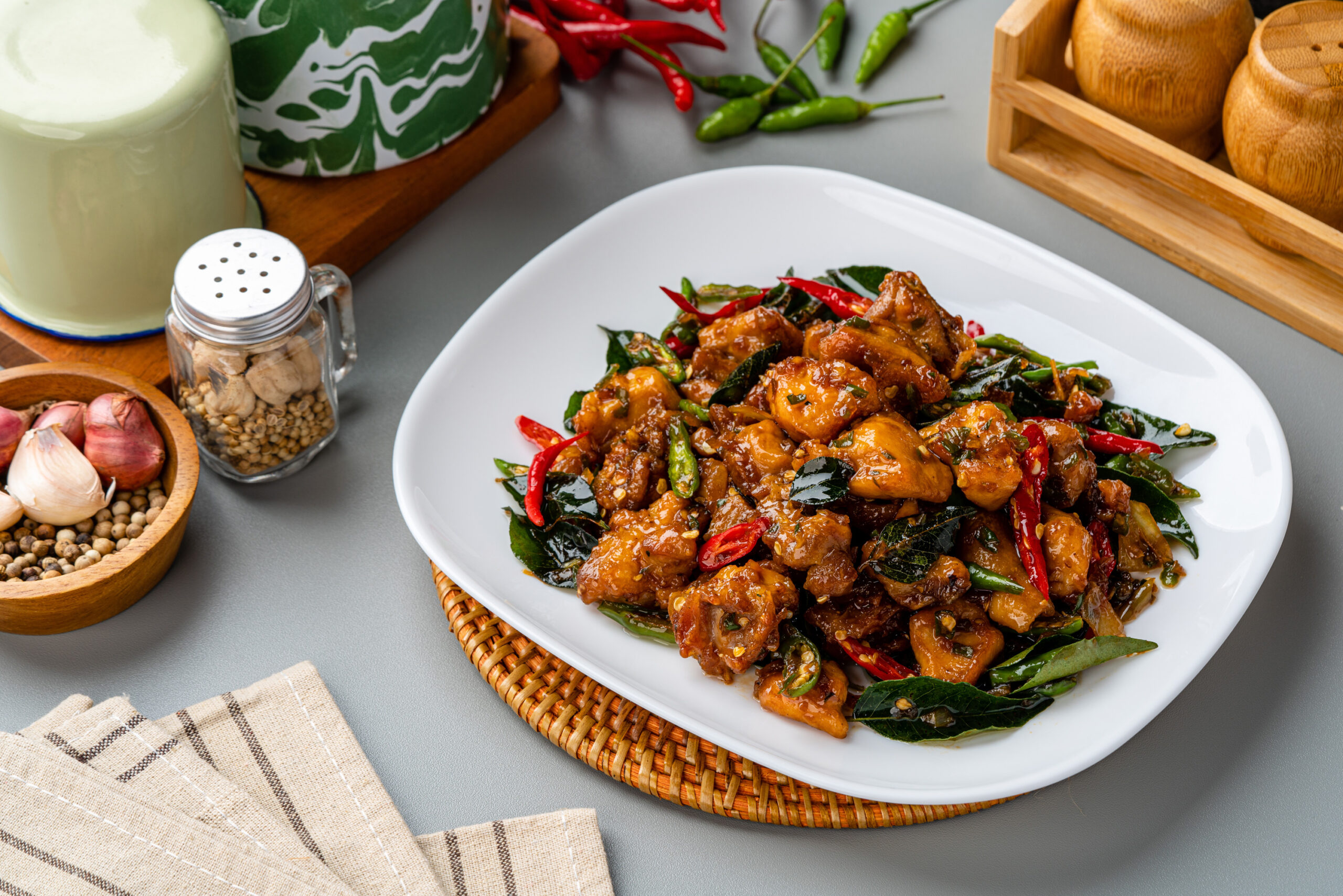
The dish name nods to an old backyard custom where families caught free-roaming poultry right before cooking, though it also describes how the meat arrives at the table – secreted away beneath a mountain of crisp leaves and herbs. Far from a forgotten relic, the dish remains a centrepiece of local life and is traditionally prepared for Kenduri Beureuat, a thanksgiving ritual observed as Ramadan approaches.
The uniqueness lies in its meticulous preparation and interactive presentation. The chicken is cut into parts to allow a hearty marinade of garlic, shallots, turmeric, ginger, galangal, coriander, lemongrass, and tamarind water to rapidly penetrate the meat. It is then deep-fried alongside an abundance of green chillies, pandan, and salam koja (curry leaves). When served, the shatteringly crisp leaves act like aromatic crackers, turning the meal into a playful game of hide-and-seek as diners unearth the savoury, golden morsels hidden beneath.
What keeps ayam tangkap less mainstream than other Indonesian cuisine is the intense patience required for its intricate preparation and its strict dependence on these specific native Sumatran herbs. However, more Nusantara-inspired restaurants are championing the dish further afield. Among them is Bunga Rampai restaurant in Jakarta, where the complex, aromatic layers of this Acehnese classic are served with refinement.
Opokan – Bali

Balinese culinary ingenuity has long yielded dishes designed to endure. Among them is opokan, a banana-leaf-wrapped staple from Kusamba village in Klungkung, locally recognised as a regional variation of pepes. Famed for its natural sea salt, Kusamba historically relied on salting and boiling pelagic fish like tuna and mackerel as a practical preservation method long before refrigeration.
Marinated in an aromatic base genep spice paste, tamarind juice, chillies, garlic, and shallots, the fish is parcelled in banana leaves and grilled over an open flame. While opokan has quietly sustained the region for generations, it remains a rare find in mainstream discussions of Indonesian cuisine.
Honouring this culinary heritage, Sawah Terrace at Mandapa, a Ritz-Carlton Reserve is spotlighting regional recipes through its Untold Flavors of Bali series. Running from July to September, opokan features on the menu in its authentic form, served alongside traditional dishes such as serombotan and daluman gula dawan.