
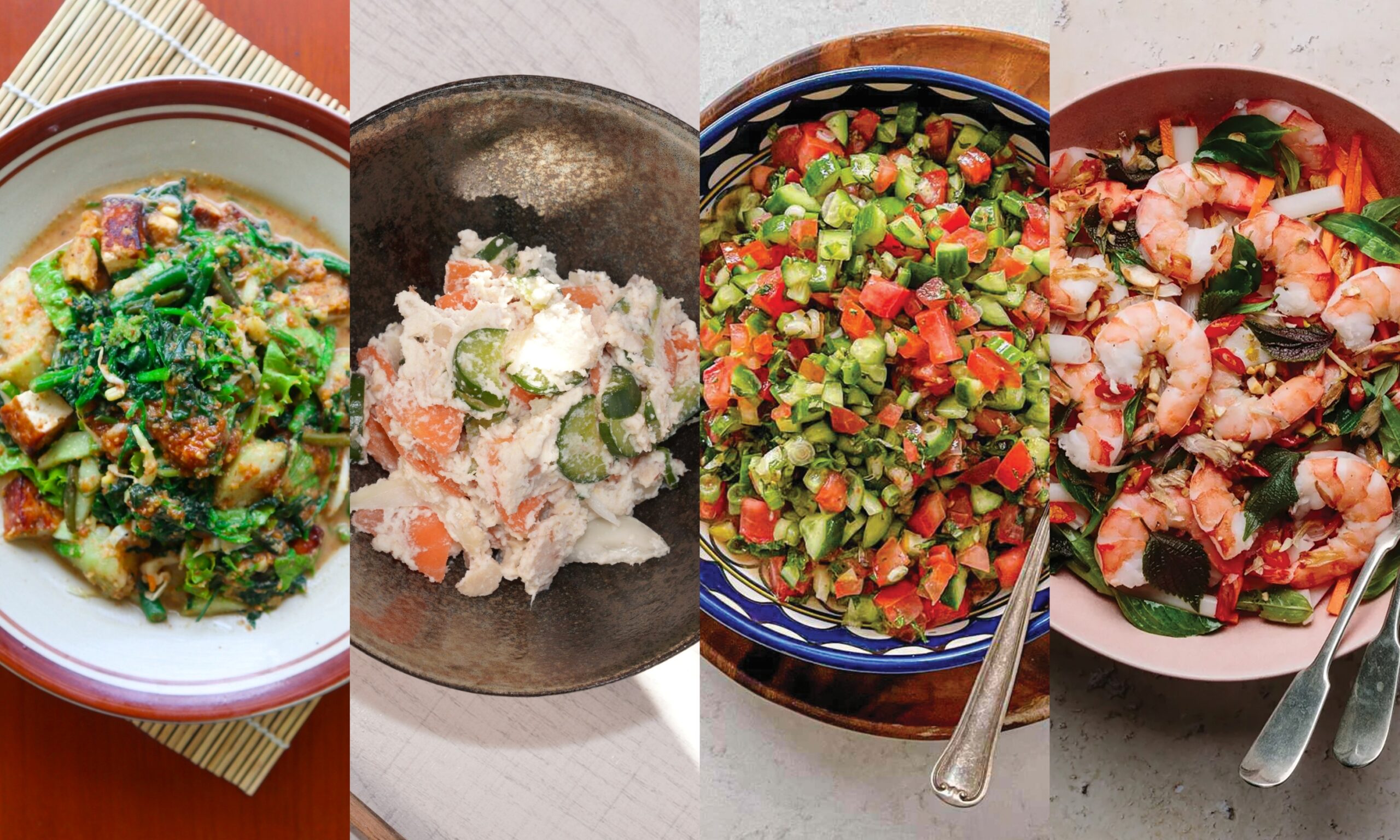

“Eat your greens,” some parents tell their children, and doctors tell their patients. The encouragement is justified: vegetables and fruits offer abundant health benefits and, when prepared well, can be as appetising as any indulgent dish, like salad. Many cultures assemble their own combination of dressings, spices, and condiments from accessible, local produce, which sometimes arises from their ingenuity or from scarcity in the eras they emerged. Much like the “salad bowl” metaphor that celebrates harmony in diversity, these dishes hold layered cultural moments, each bowl a tribute to the story behind it. Below are salad bowls dressed not only in flavour, but in story.
Lotek – Indonesia
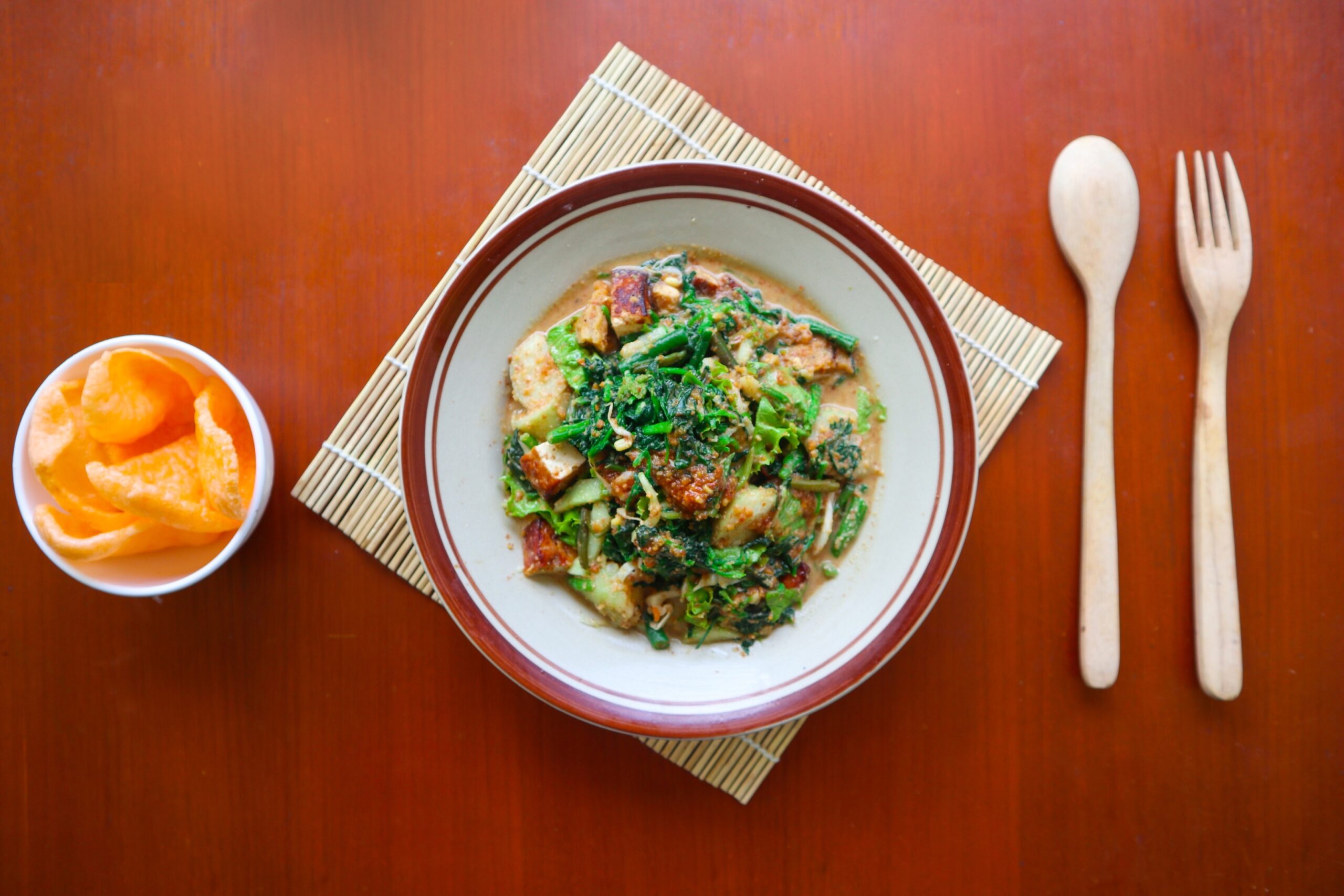
When asked about traditional salad, most Indonesians would quickly name pecel or gado-gado. However, pose the same question in West Java and the answer shifts to lotek. According to a story recorded in the Digital Library of Indonesian Culture, the salad name’s origin traces back to the 1970s, when a visiting foreign journalist improvised a bowl from local produce and what they called a “low-tech” peanut seasoning – over time softened into the simpler spelling: lotek.
The dish gathers accessible greens, marking Sundanese agrarian ingenuity, such as water spinach, yardlong beans, mung bean sprouts, and cabbage, all lightly steamed and sliced. Close in spirit to its cousins, lotek pairs these steamed vegetables with a ground peanut dressing sharpened with tamarind and palm sugar, along with sand ginger, garlic, and shrimp paste, creating a fragrant, sweet-sour depth. True to Sundanese tastes, bird’s eye chilli is often thrown in, lending the salad its familiar, kicking heat.
Gỏi Ngó Sen – Vietnam
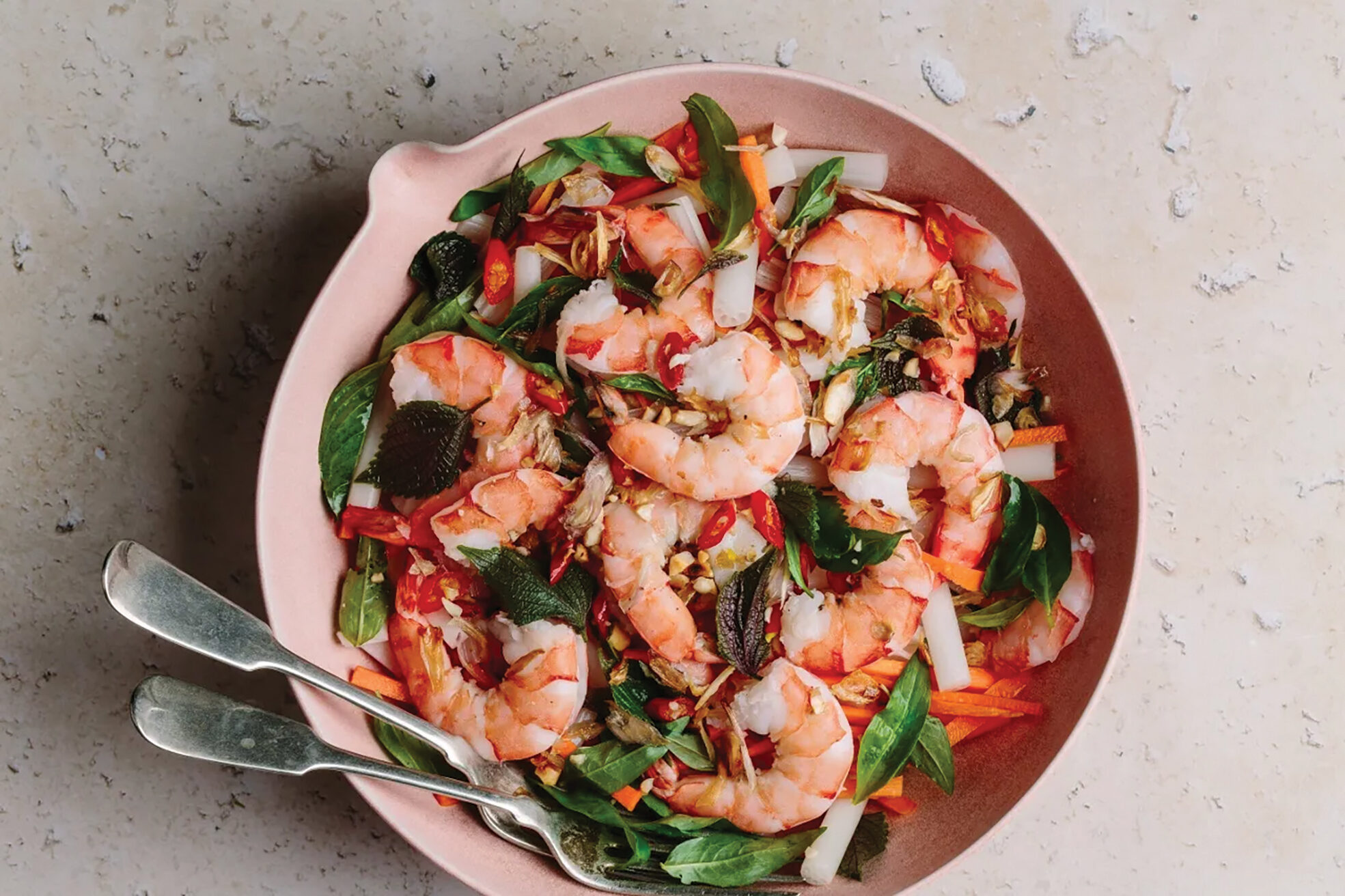
A staple in most southern Vietnamese households, gỏi ngó sen, or lotus stem salad, reflects the region’s resourcefulness in wetlands. A home of the Mekong Delta, Lotus grows abundantly on the region’s waterways and carries deep Buddhist symbolism, standing for purity and detachment. Furthermore, the use of lotus in Vietnamese kitchens speaks to a quiet resilience: nearly every part of the plant is utilised, a practice born of necessity long before sustainability had a name.
For gỏi ngó sen, cooks favour the young stems rather than the mature roots for their light crunch and gentle flavour. Harvested before it thickens into starchier roots, the stem is cut into fine strips and tossed with fried shallots, peanuts, spring onion, lime, chillies, Vietnamese coriander, and mint, all bound with fish sauce. Shrimp or pork often complete the bowl, which is served with traditional prawn crackers bánh phồng tôm.
Salata Falahiyeh – Palestine

Palestinian salata falahiyeh takes its name from the word fellahin, referring to the farming communities that shaped the country’s agrarian life. Born from the meeting of New World crops such as tomatoes and cucumbers with the older olive-growing culture of the land, the salad is cooling, restorative, and effortlessly suited to Levantine tables while reflecting the story of Palestinian enduring farmer’s life.
Also called salata na’ameh, meaning finely chopped salad, vegetables are diced extremely fine to the size of dried chickpeas, and glossed with good olive oil, the region’s defining ingredient. Tomatoes, cucumbers, and onions are minced with mint and parsley, then dressed simply with extra-virgin olive oil, lemon juice, and salt. Finely chopped lemon rind is often tossed in, with optional sumac or jalapeño for a gentle heat. The salad is served alongside maqluba, other rice dishes, or warm pita, offering simplicity that is rooted in its agricultural identity.
Shopska Salad – Bulgaria
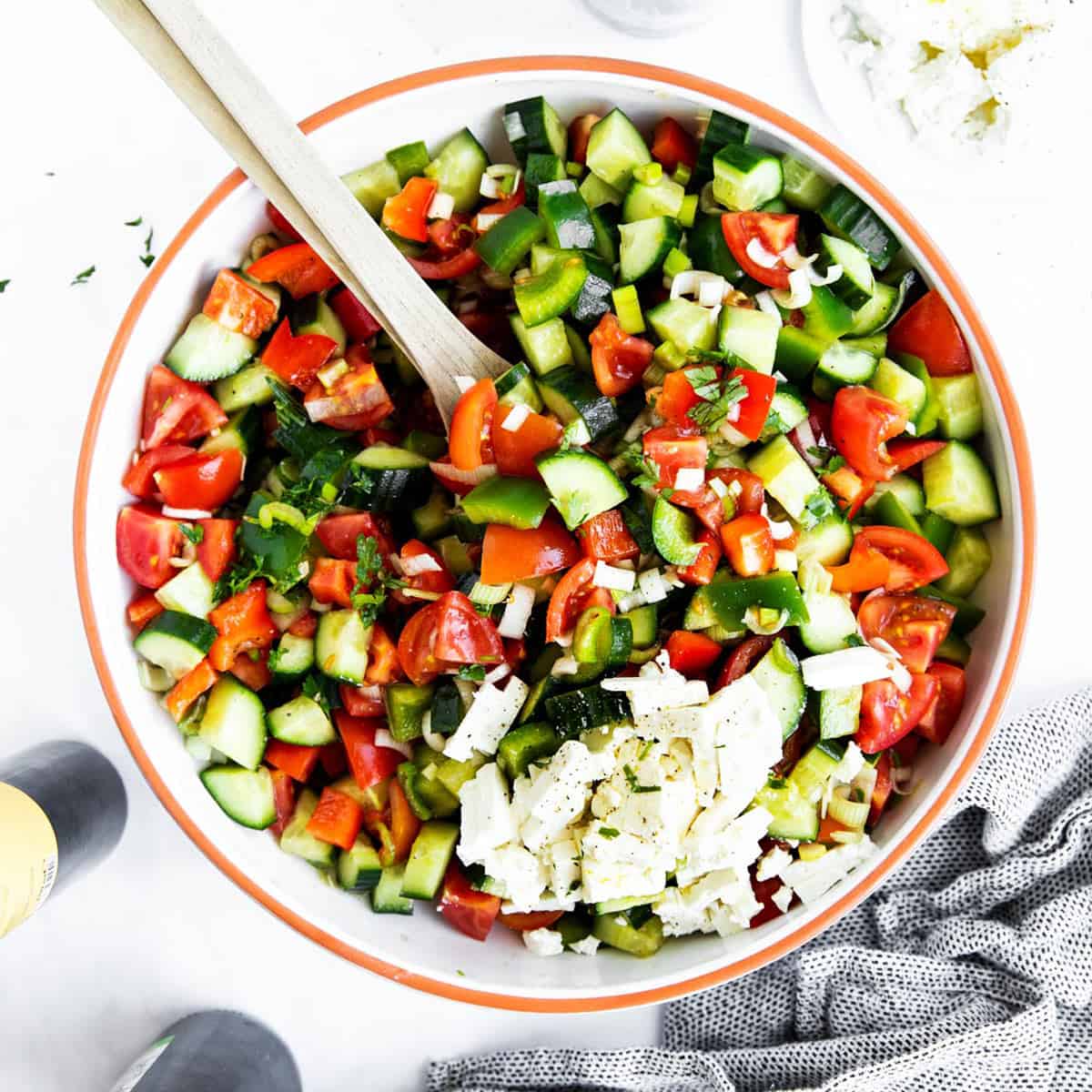
In the 1950s, at the height of the Cold War, Bulgaria turned to a salad bowl to introduce its story to the world. Under the direction of the state tourism agency Balkantourist, Shopska salad was shaped not in royal kitchens but as a modern symbol of identity. Named after the Shopluk region, where Bulgaria meets Serbia and Macedonia, the salad gathers local produce in a palette that mirrors the Bulgarian flag.
The bowl is simple and generous: tomatoes, cucumber, green onions, peppers, parsley, and olives, finished with a soft crumble of Bulgarian sirene cheese, sometimes swapped for feta cheese. Crisp, juicy, refreshing, it tastes like summer at its peak. What began as a carefully crafted idea has long since slipped into daily life, becoming a dish Bulgarians claim with pride.
Lahpet Thoke – Myanmar
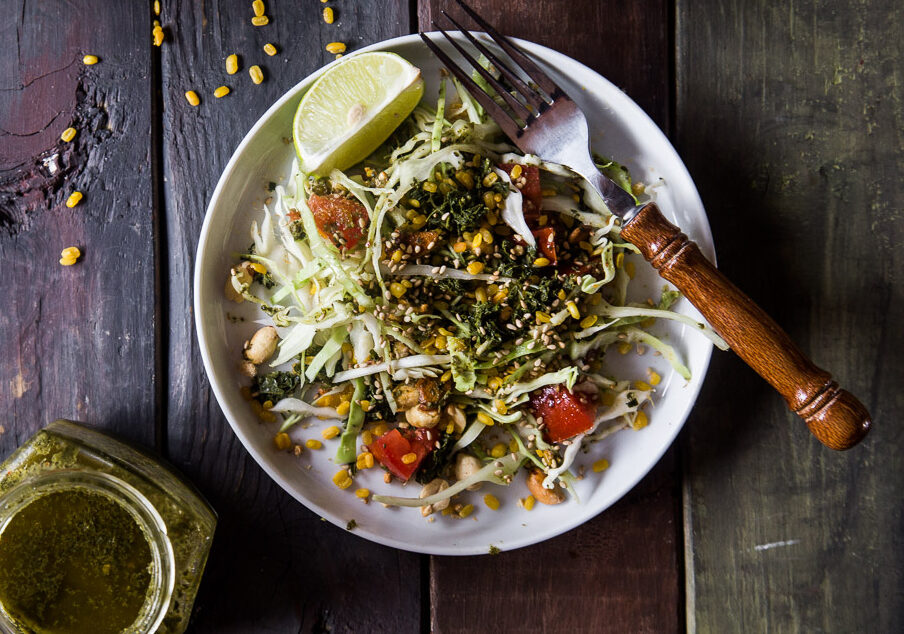
Across the world, tea signals hospitality and a pause for peace. In Myanmar, where misty highlands produce nutrient-rich leaves, that relationship runs deeper. Tea is not only brewed but eaten such in dish like lahpet thoke, a salad of fermented tea leaves. According to the Journal of Ethnic Food, the dish dates back more than 2,000 years and once served as a peace offering between rival kingdoms. With the spread of Theravada Buddhism, royal courts even replaced alcohol with pickled tea leaves in ceremonies, marking a quiet cultural shift.
Today, lahpet thoke remains a gesture of welcome in Burmese homes. The salad combines tea leaves fermented for several months with garlic, chilli, salt, fried beans, and nuts, brightened with lemon juice and fish sauce. Tangy yet mellow, balanced yet layered, it carries centuries of ritual into an everyday bowl.
Okara Salad – Japan
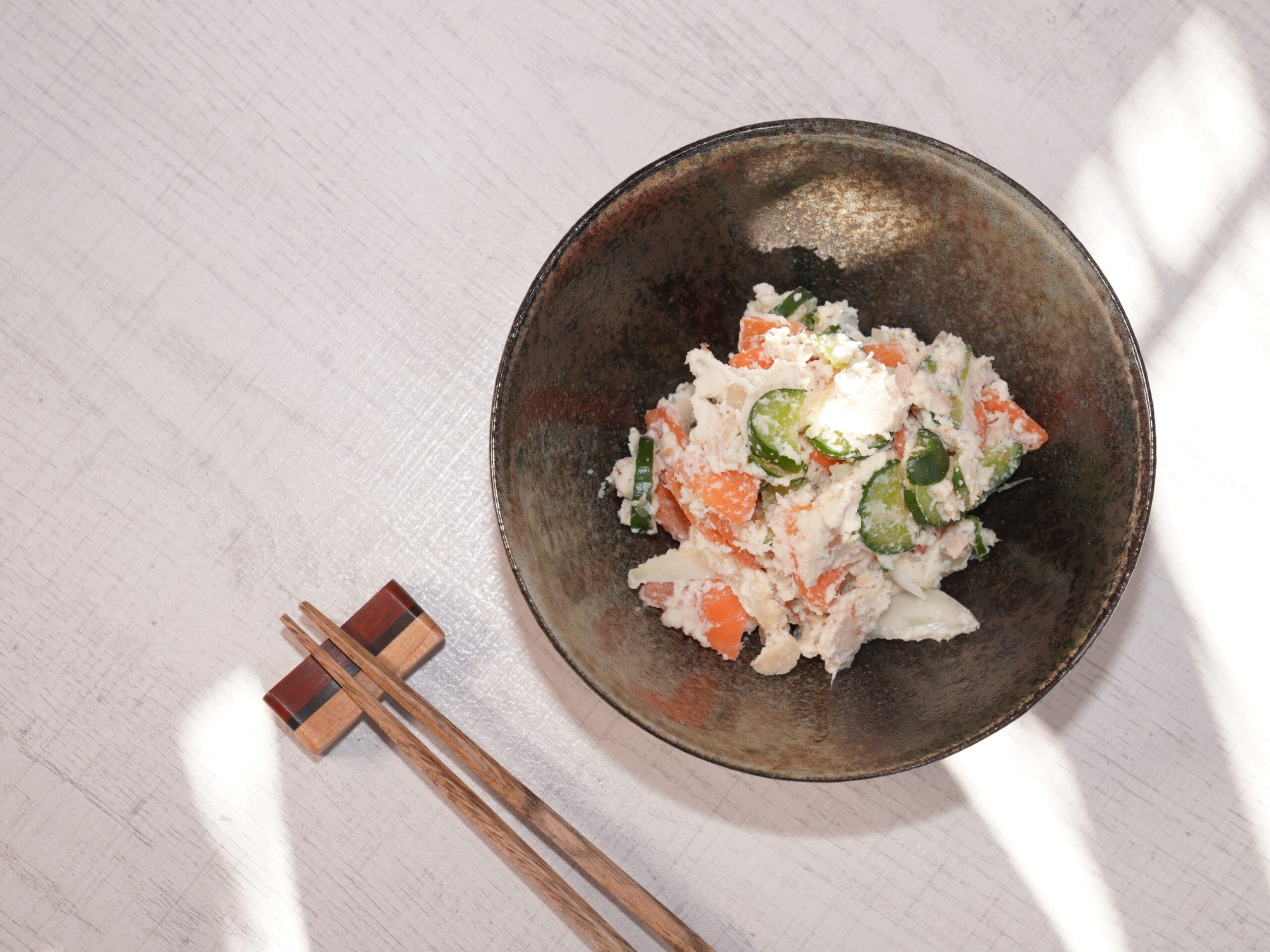
Japanese home cooking has a talent for turning the modest into the nourishing. One everyday example is okara salad, a mix of minced vegetables blended with okara: the soy pulp left from tofu and soy milk making. Once dismissed as a byproduct, okara is rich in protein and fibre and has supported households since the Edo period in stretching provisions. In A Taste of Japan, Donald Richie recounts how the scholar and chief advisor to Tokugawa shoguns, Arai Hakuseki, survived his student years on okara donated by tofu shops.
Also known as unohana, the dish’s beauty lies in flexibility. Cooks fold in whatever vegetables are at hand, often tomatoes, sprouts, celery, cucumber, or carrot. The okara is sometimes stir-fried or heated first so it absorbs seasoning more deeply. Dressings varied with yoghurt, mayonnaise, lemon, salt, pepper, and light soy sauce, resulting in a creamy, savoury, and gently crisp humble bowl that speaks of resourcefulness.
Ensaladang Lato – The Philippines
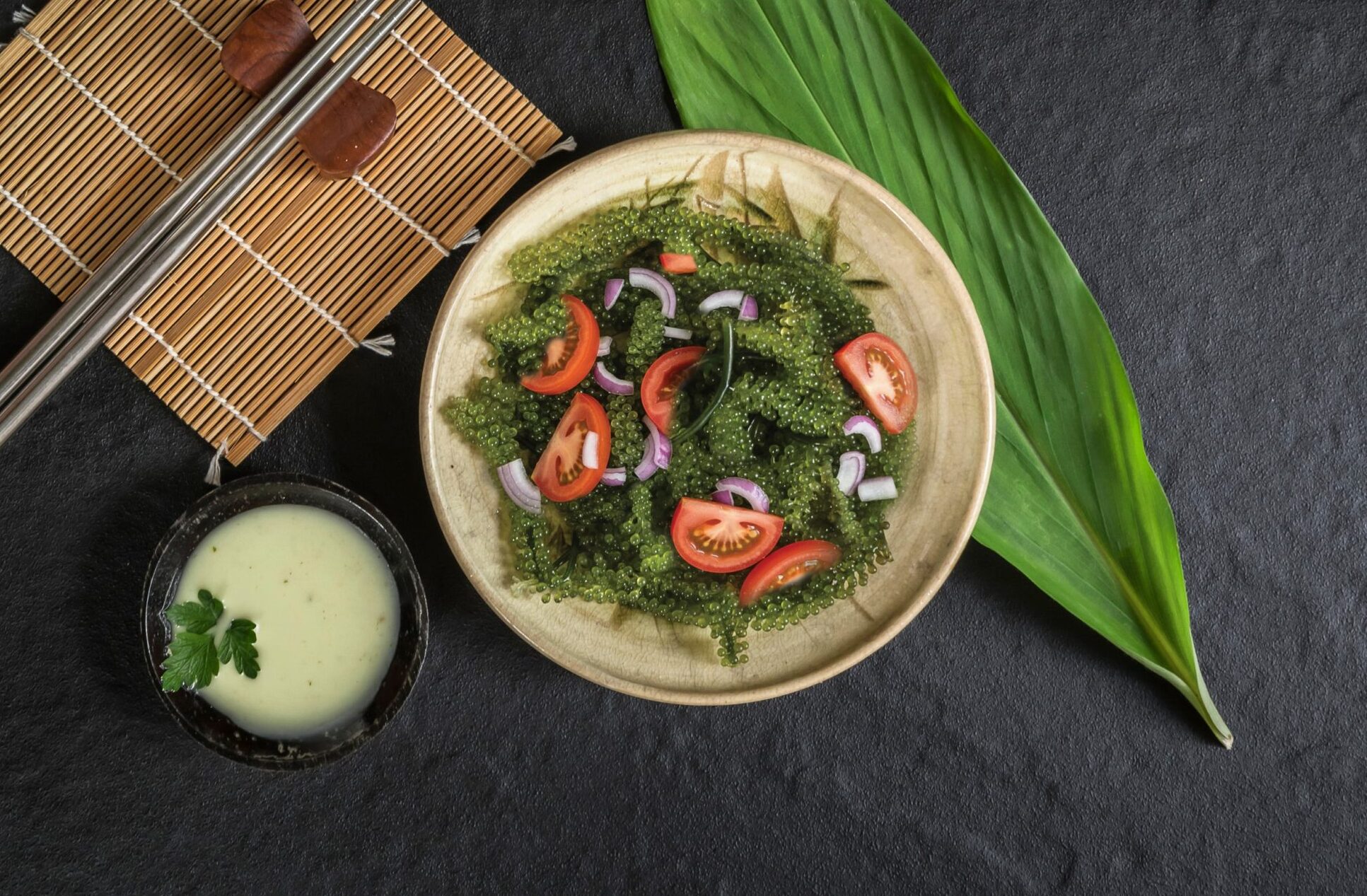
A bowl of ensaladang lato feels like the Filipino coast gathered into a single dish. Made from lato, a seaweed nicknamed sea grapes for its clustered shape and popping texture, the story of this salad is closely tied to fishing communities across the Visayas and Mindanao, often lands on the table beside grilled catch. Elders like to say the sea grapes cool the body and restore strength, a belief that reflects how the sea has long been treated as both pantry and healer in coastal life.
The salad sees freshly rinsed lato tossed with chopped tomatoes and red onion, then sharpened with white vinegar, black pepper, and a pinch of salt and sugar. It pairs easily with grilled seafood or salted egg, giving clean and briny flavours. Each bite carries a burst of seawater brightness, an edible reminder of the Philippines’ maritime rhythm and its enduring bond with the shore.
Read the full story in epicure Indonesia April-May 2026 issue out 1 April 2026.