

Penfolds celebrates 75 years of Grange, tracing the evolution of its flagship wine from Max Schubert’s pioneering experiment to a globally recognised Australian icon.
Few Australian wines have achieved the stature of Penfolds Grange. This year marks 75 years since its first experimental vintage was created in 1951 by Penfolds’ first Chief Winemaker, Max Schubert, who set out to produce a full-bodied Australian red capable of ageing alongside Europe’s great wines.
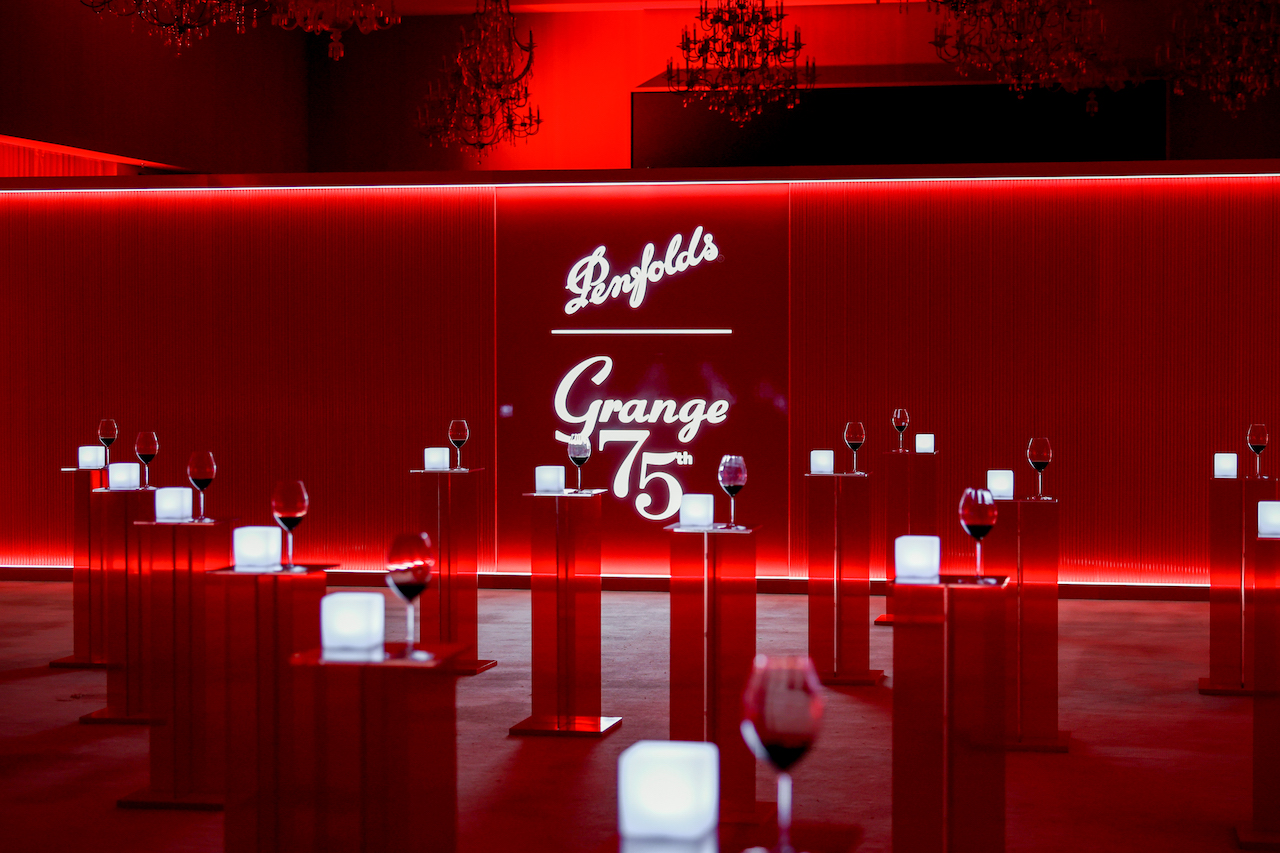
What began as a daring experiment has since become one of Australia’s most recognisable fine wines. Regarded as the pinnacle of Penfolds, Grange has long set the benchmark for excellence, shaped by a philosophy of multi-regional sourcing and the art of blending. That approach has helped define the wine’s consistency and longevity across an unbroken sequence of vintages.
Over the decades, Grange has also become one of the most closely followed Australian wines among collectors and critics. More than 37 perfect scores have been awarded across its history, while recent standout releases include the 2018 Grange, which earned multiple 100-point ratings internationally.
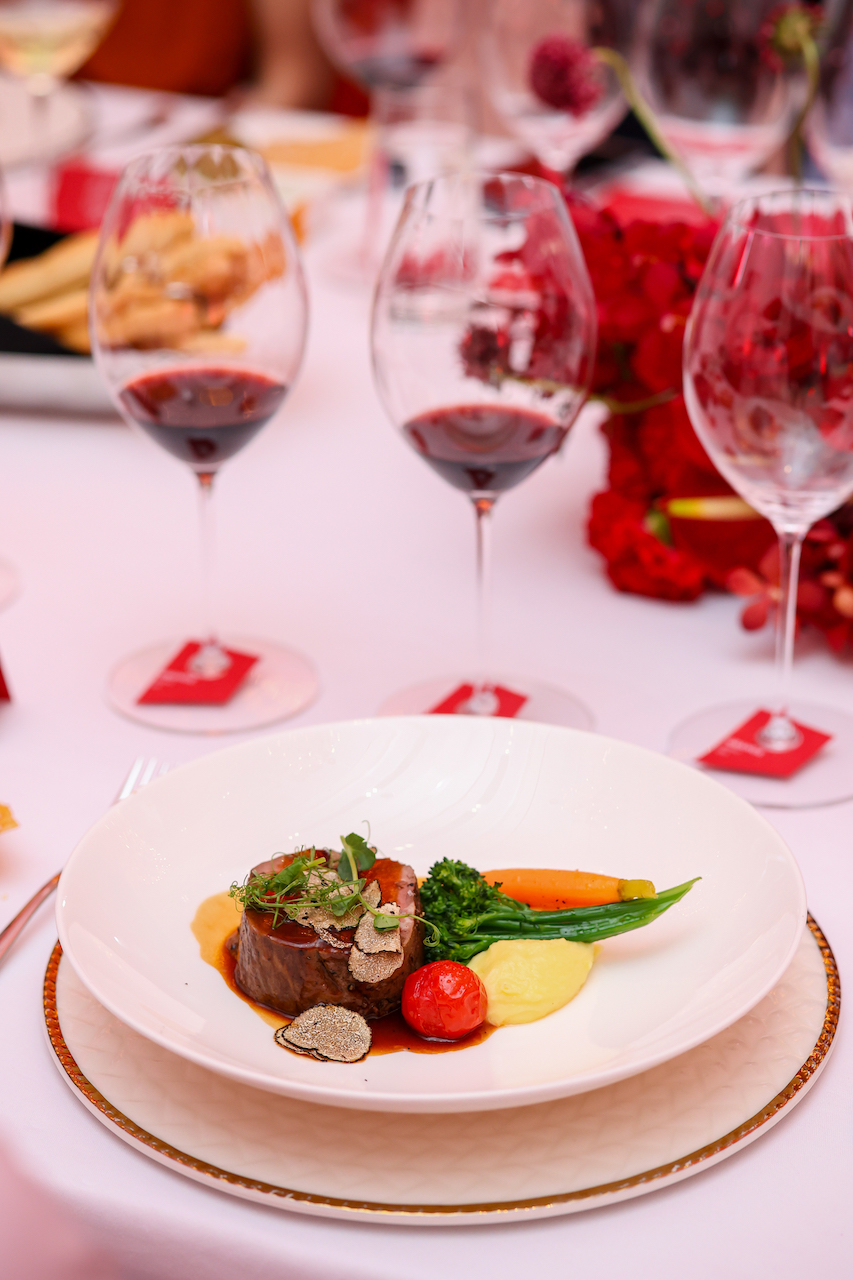
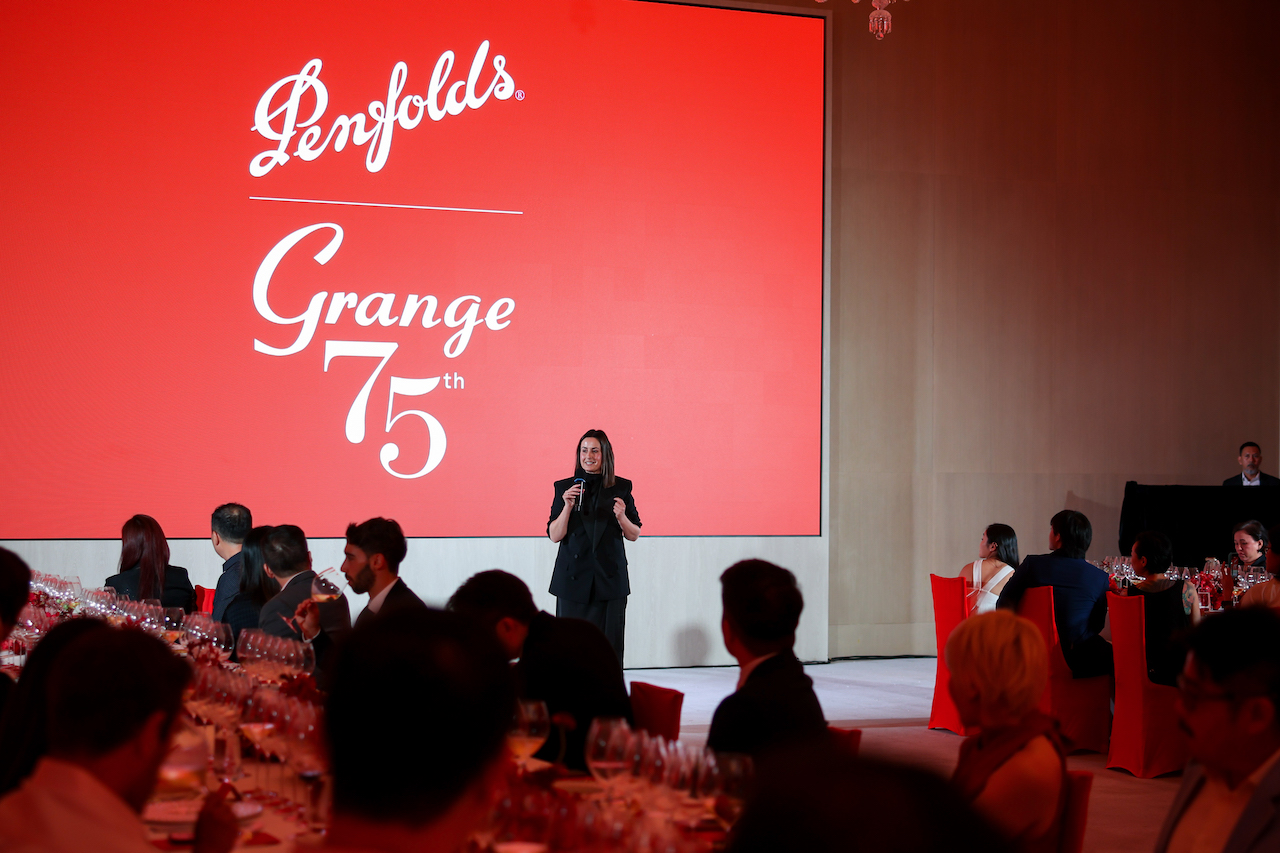
In July, Penfolds marked the anniversary in Singapore with celebratory wine-pairing dinners centred on a vertical tasting of Grange. Served alongside a bespoke menu, the different vintages offered a chance to examine how the wine develops over time, from its structure and concentration in youth to the layered complexity that emerges with age. Penfolds senior winemaker, Steph Dutton was in town to host the event.
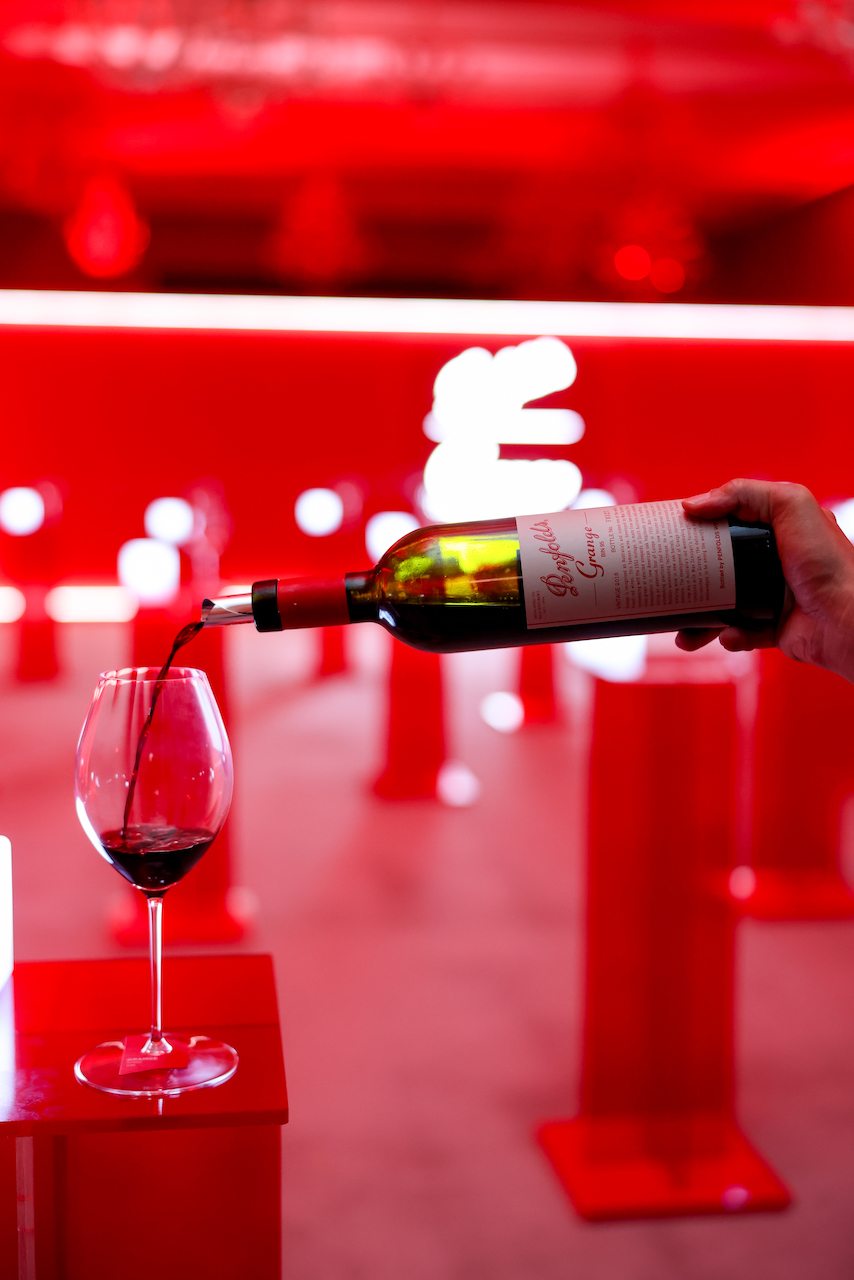
Three quarters of a century on, Grange remains closely tied to Max Schubert’s original ambition while continuing to represent Penfolds’ distinctive approach to blending, craftsmanship and long-term cellaring.