


What began with Max Schubert’s Bordeaux detour has evolved into one of Penfolds’ most ambitious chapters yet, spanning Champagne collaborations, French winemaking trials and cross-continental blends.
Since 1844, the story of Penfolds has been underscored by experimentation, curiosity and uncompromising quality. Nearly two centuries later, the top Australian wine producer continues to successfully expand its global footprint in France, the USA and China.

The Bordeaux Detour That Changed Australian Wine
France has never been merely another market for Penfolds. It occupies a foundational place in the winery’s history, tracing back to a pivotal journey made by former Chief Winemaker Max Schubert in 1950. He originally set out for Spain and Portugal to study fortified wines, but made a detour to Bordeaux, where visits to estates such as Château Lafite Rothschild, Château Latour and Château Margaux would ultimately reshape Australian winemaking. There, he encountered clarets that had been cellared for decades — wines that displayed remarkable longevity, structure and complexity. The experience was transformative.
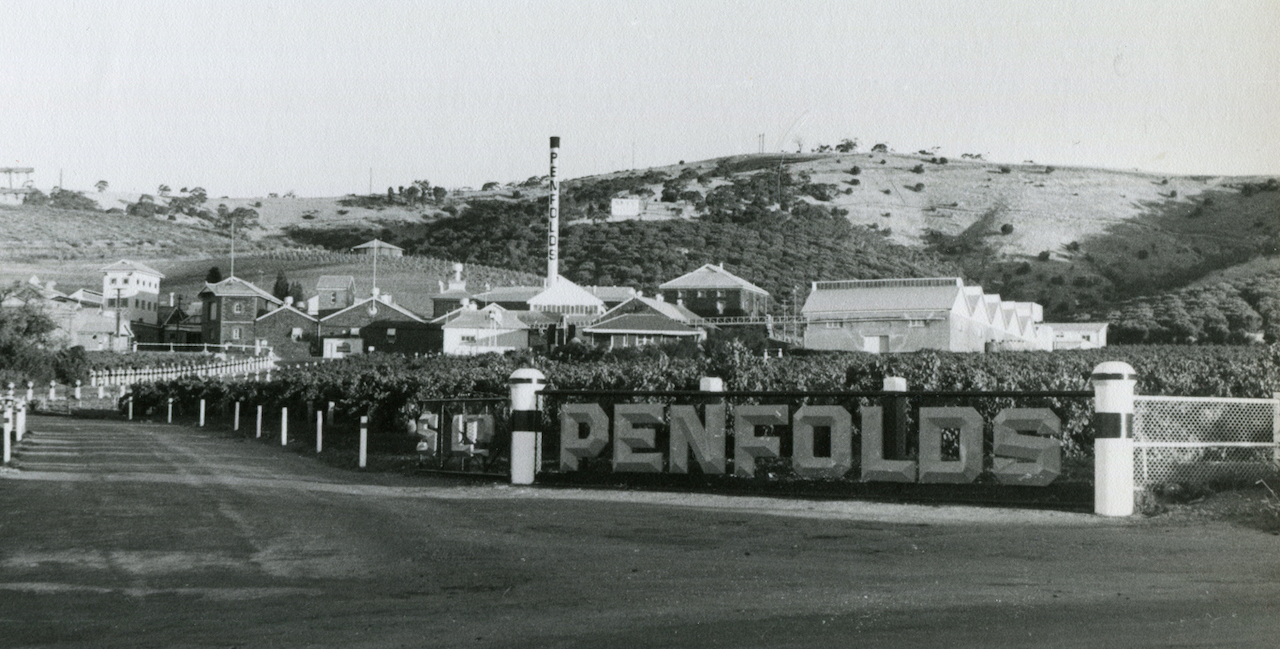
Upon returning to Australia, Max began work on what would become Grange. He envisioned an age-worthy Australian wine capable of standing alongside the great wines of Bordeaux. His first experimental vintage appeared in 1951. It blended Australian winemaking techniques with insights gained in France. Yet it was met with scepticism initially.
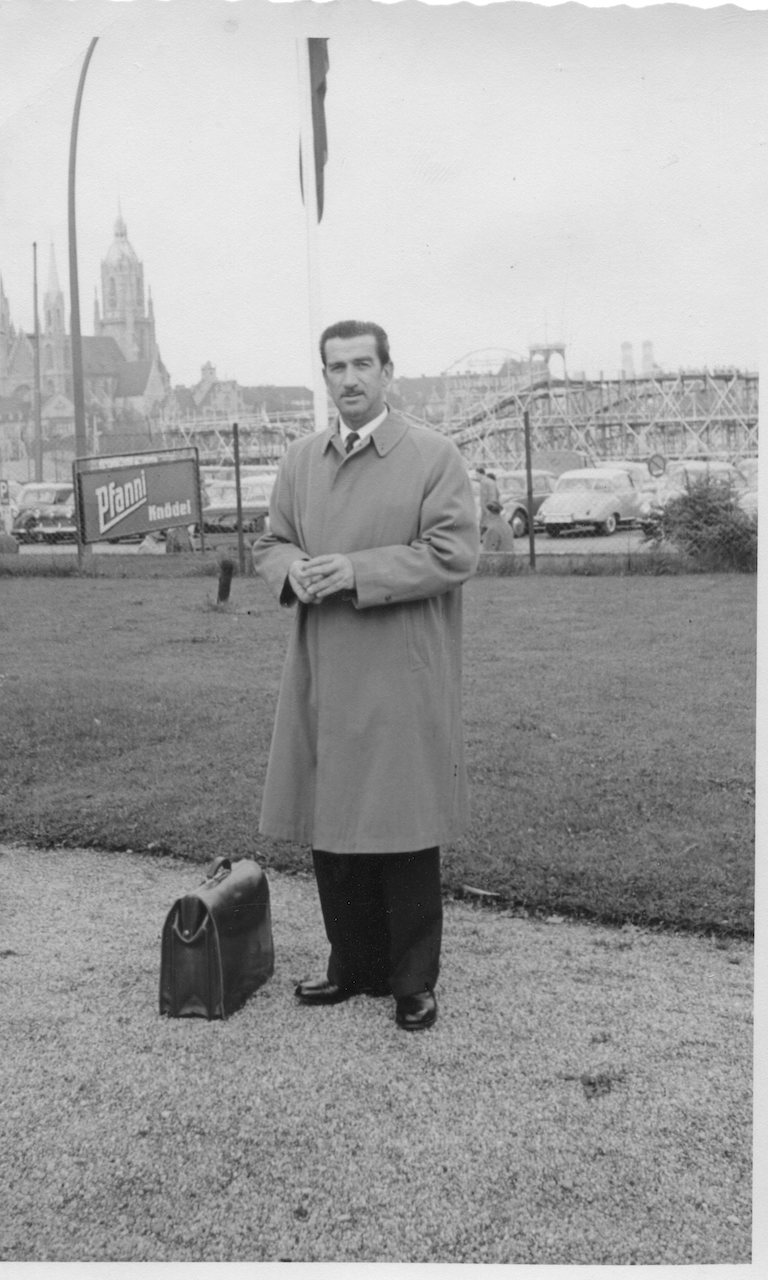
Penfolds management reportedly considered the wine too bold and unconventional and too far removed from expectations of Australian table wine at the time. Production was ordered to stop. Yet Max quietly continued making the wine in secret, convinced that time would prove its worth. Years later, when those early vintages were revisited, the transformation was undeniable. What was once dismissed became one of Australia’s most celebrated wines.
A House Style Without Borders
In 1960, Grange was officially reinstated. Max’s French-inspired dream had become an Australian icon. As Penfolds flagship, Grange went on to define Penfolds House Style – a benchmark for all other wines in the portfolio. From then on, France remained a source of inspiration and a starting point for several Penfolds wines, including Bin 138 Grenache Shiraz Mataro and Reserve Bin A Chardonnay. That spirit of experimentation remains deeply embedded within the company today.

That “House Style”, often described internally as the Penfolds DNA or blueprint, has become central to the winery’s identity. Over 180 years, it has evolved into a recognisable winemaking signature expressed through taste, colour, nose, palate and cellarability. Crucially, Penfolds sees it not as something tied to a single geography, but as a framework capable of adapting across regions.
A French Chapter Reopens
France holds a distinct emotional and historical resonance within the Penfolds portfolio. The modern French chapter formally began in 2019 through a partnership with Champagne Thiénot. Together, the two houses released four Champagnes: Blanc de Noirs, Blanc de Blancs Grand Cru, Vintage Cuvée and Brut Rosé.
Rather than simply producing Champagne under the Penfolds name, the collaboration sought to interpret the region through Penfolds’ blending philosophy while respecting the traditions of Champagne production.
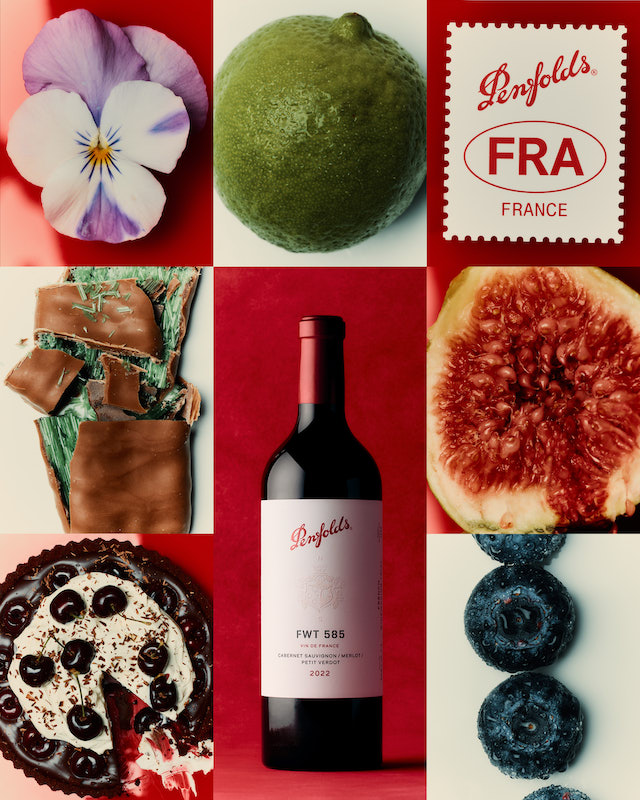
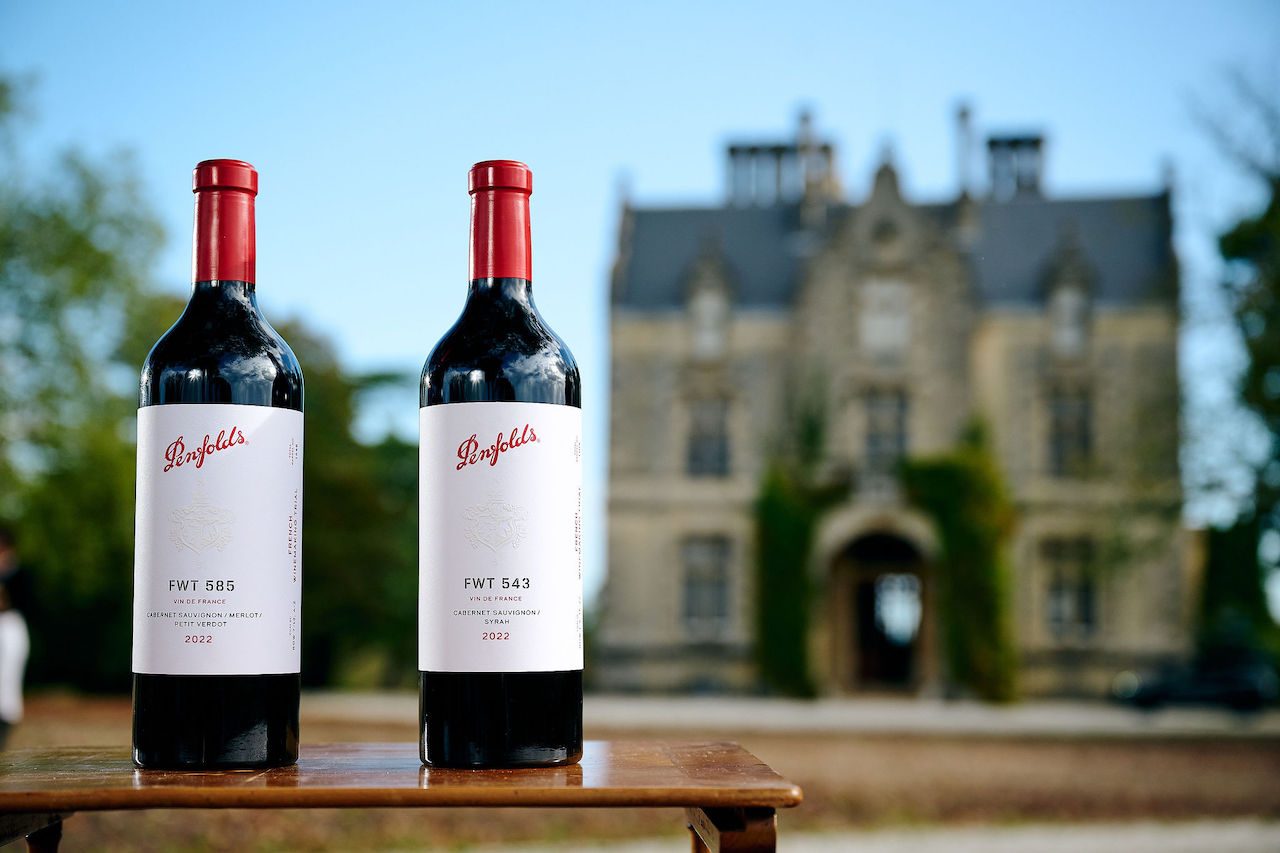
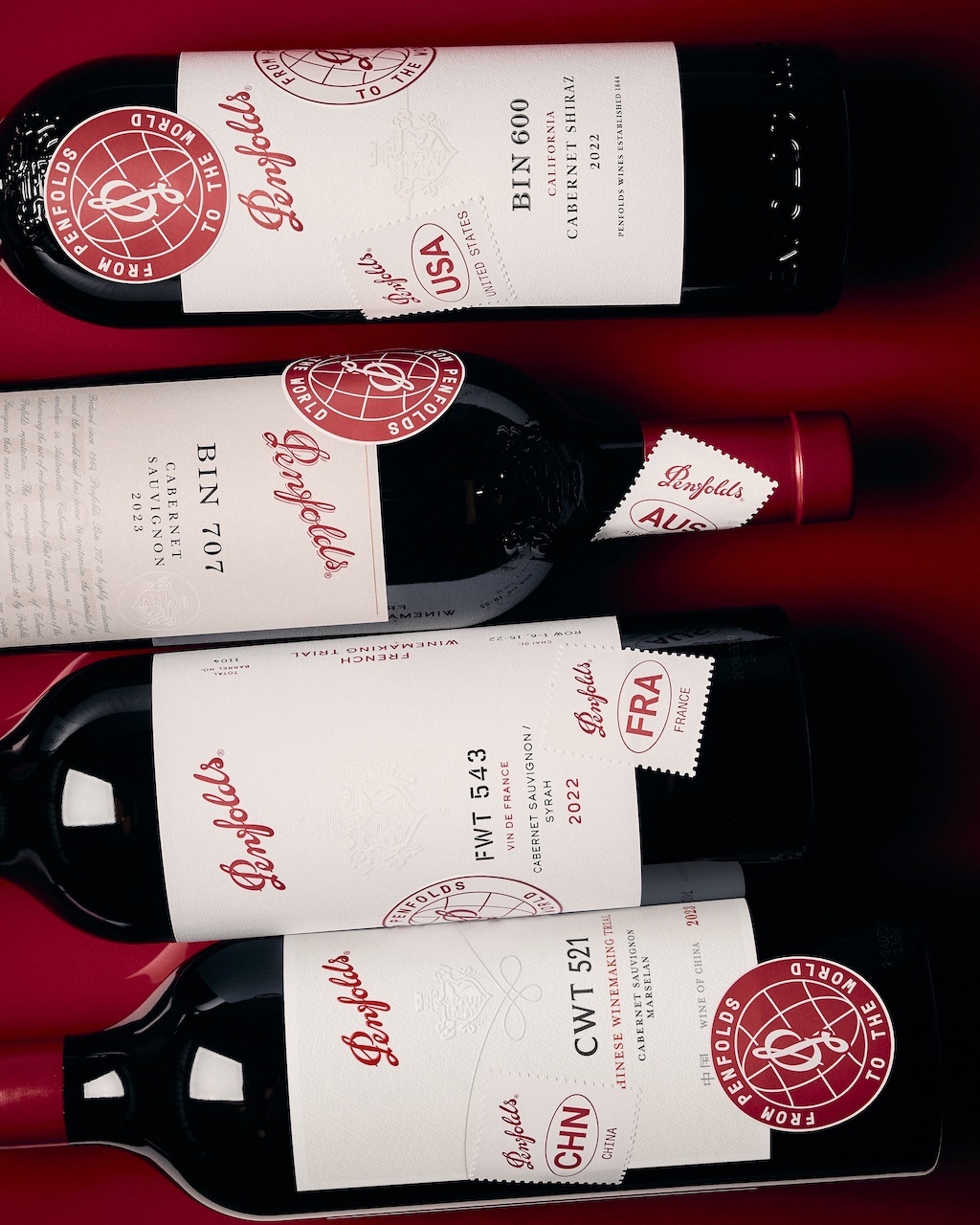
In 2022 came another milestone through a partnership with Bordeaux producer Dourthe. The collaboration resulted in Penfolds II, a cross-continental blend combining South Australian and Bordeaux fruit. The same year also saw the debut of French Winemaking Trial 585, a blend of Cabernet Sauvignon, Merlot and Petit Verdot sourced from across Bordeaux and classified as Vin de France. FWT 585 reflects their commitment to Penfolds House Style while embracing the diversity of Bordeaux terroir.
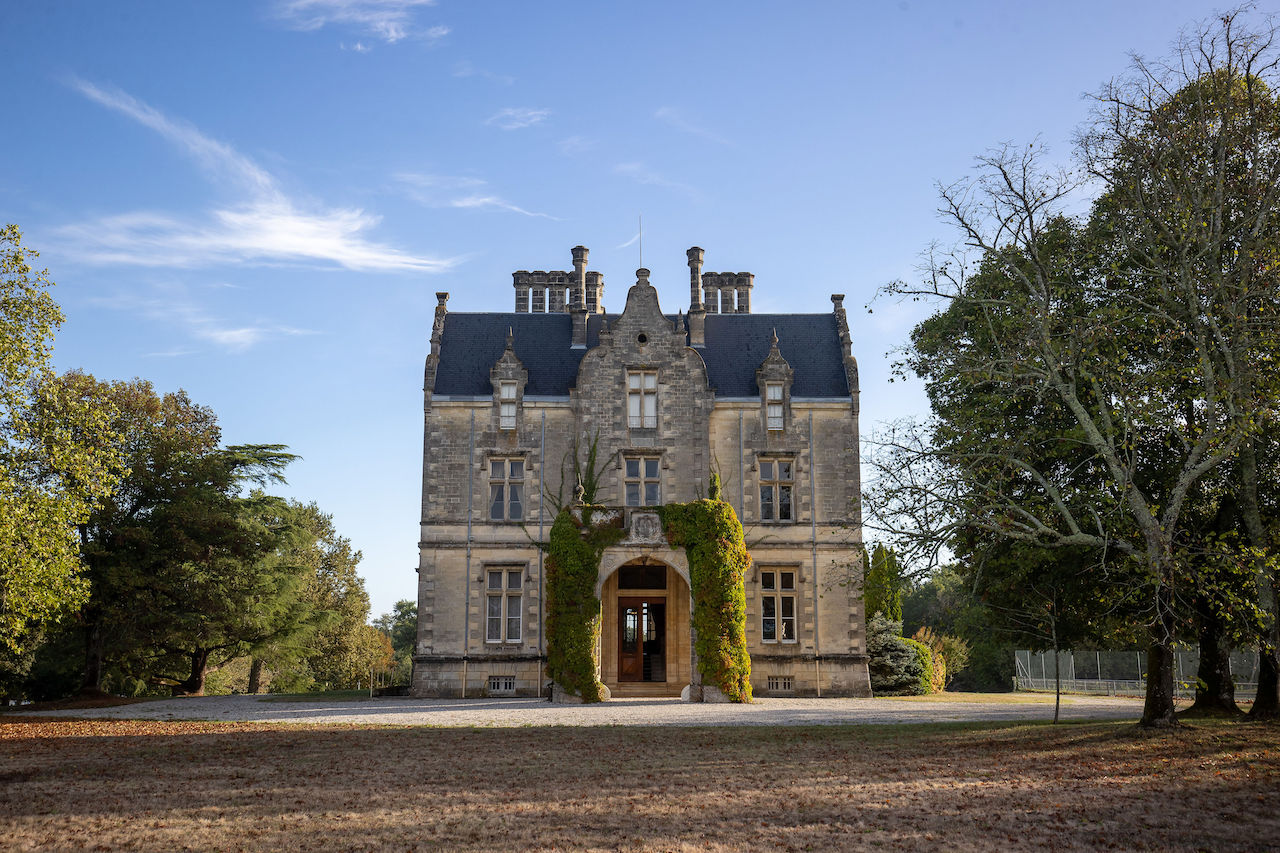
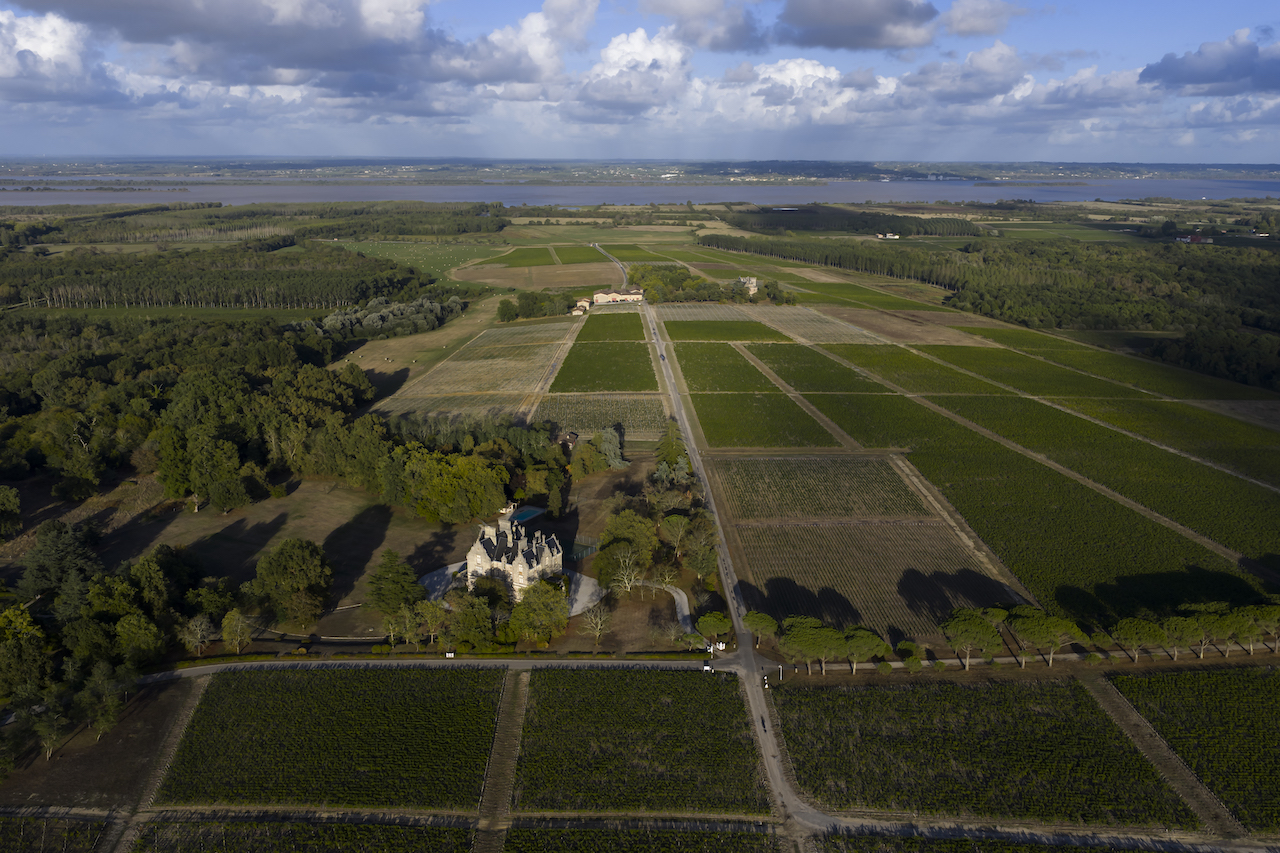
Furthermore, that long-term commitment became even more tangible when Treasury Wine Estates acquired Lanessan Estate in Haut-Médoc in 2022. The acquisition strengthened Penfolds’ sourcing capabilities in Bordeaux while reinforcing its ambitions as a global luxury wine brand.
In 2025, Penfolds continued that journey with the release of FWT 543 Cabernet Sauvignon Syrah, combining Bordeaux Cabernet Sauvignon with Syrah sourced from southern France. The project reflects Penfolds’ continued fascination with reinterpretation — particularly the historic Australian partnership of Cabernet Sauvignon and Shiraz, now reframed through a French lens.
That year also marked the release of Grange La Chapelle, a collaboration with Domaine de La Chapelle that united Syrah from Hermitage’s famed Hill of Hermitage with South Australian Shiraz. Symbolically, the wine brought together two traditions long connected through Max Schubert’s original Bordeaux inspiration.
Kristy Keyte, Penfolds Chief Marketing Officer points out: “Our French portfolio allows us to explore new expressions while remaining anchored in Penfolds House Style. The FWT [French Winemaking Trial] releases sit within our long tradition of experimentation and pushing boundaries, the same philosophy that gave rise to Grange in 1951. From Max Schubert’s Bordeaux detour to crafting wines on French soil, our story is one of global discovery. A journey where tradition is both honoured and reimagined, and always through the unmistakable lens of Penfolds House Style.”
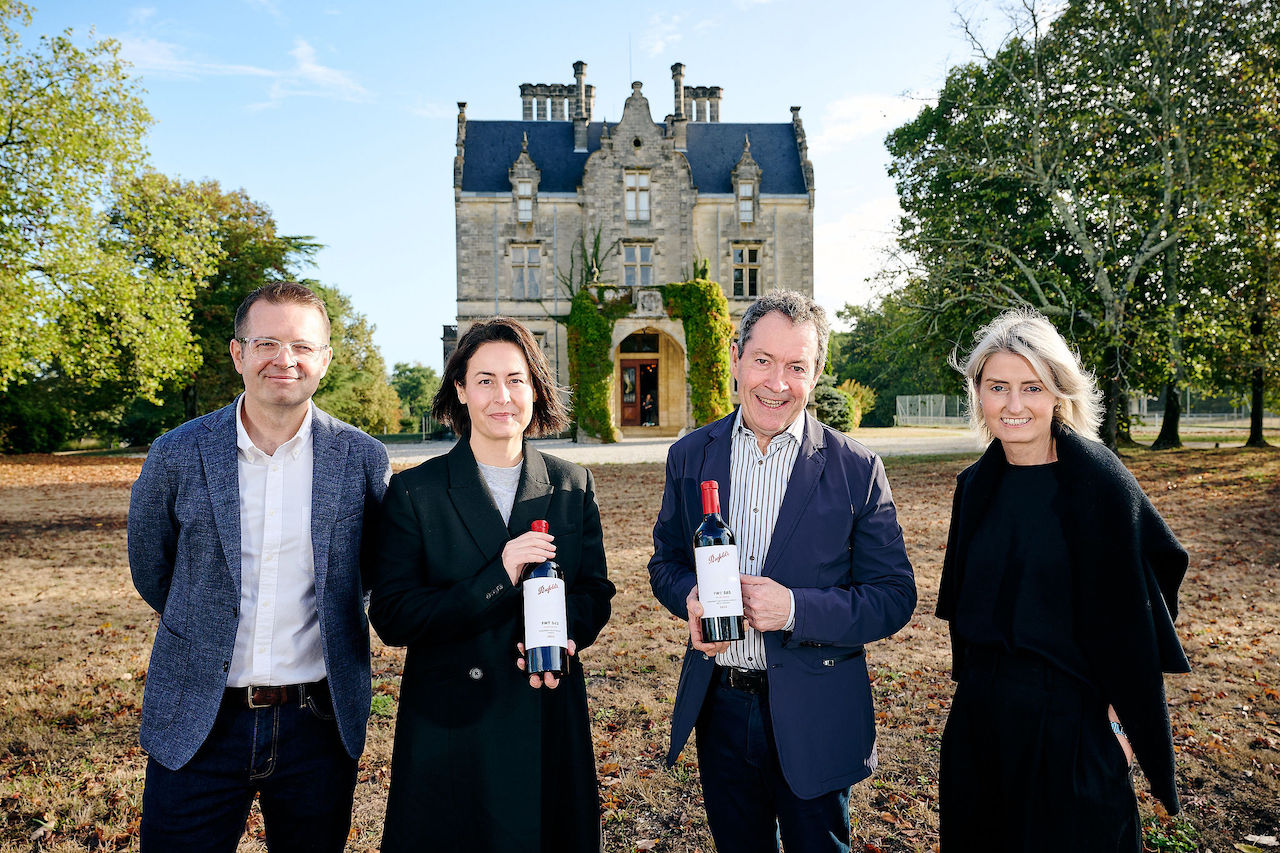
She continues: “There has always been a natural alignment with France, particularly Bordeaux, which has influenced our winemaking philosophy for decades. What’s unfolded more recently has developed organically, through time on the ground and a series of meaningful partnerships, from Champagne Thiénot to Dourthe and Domaine La Chapelle, alongside the progression of our French Winemaking Trial wines, including FWT 585 and FWT 543. Together, these milestones have shaped a more established and enduring presence in France. It’s a balance of long-term ambition and ongoing collaboration, underpinned by deep respect for French terroir and tradition, and a commitment to expressing Penfolds House Style in a French context.”
For Penfolds, however, entering France required more than technical expertise. It also meant navigating one of the world’s most tradition-conscious wine cultures.
“Our approach in Bordeaux has always been grounded in deep respect — for the terroir, the history and the generations of winemakers who have shaped the region. We understood from the outset that Bordeaux has a strong identity, and we came to listen, learn and work alongside that expertise. Over time, that approach has been met with openness. With our Penfolds winemakers on the ground working closely alongside French partners and growers, there’s an ongoing exchange of knowledge and perspective — built on mutual respect, trust and a supportive way of working. It’s a collaborative relationship underpinned by shared standards and a collective commitment to crafting wines that are true to place,” affirms Kristy.
The Next Era: Building a Long-Term Presence in France
Still, Penfolds’ presence in France increasingly extends beyond winemaking itself. Through Penfolds Evermore — the winery’s global sustainability and community platform — the company has begun investing in French viticulture and regional initiatives focused on climate resilience, sustainable farming and industry education.
“Penfolds Evermore is our global commitment to making a positive contribution to a world where future generations can thrive. It reflects our aspiration as a global winemaker, employer, and leader to leave a lasting, positive impact on the places, communities, and people connected to Penfolds through three focus areas: Community and Culture, Future Winemaking, and Towards Sustainability,” shares Kristy.
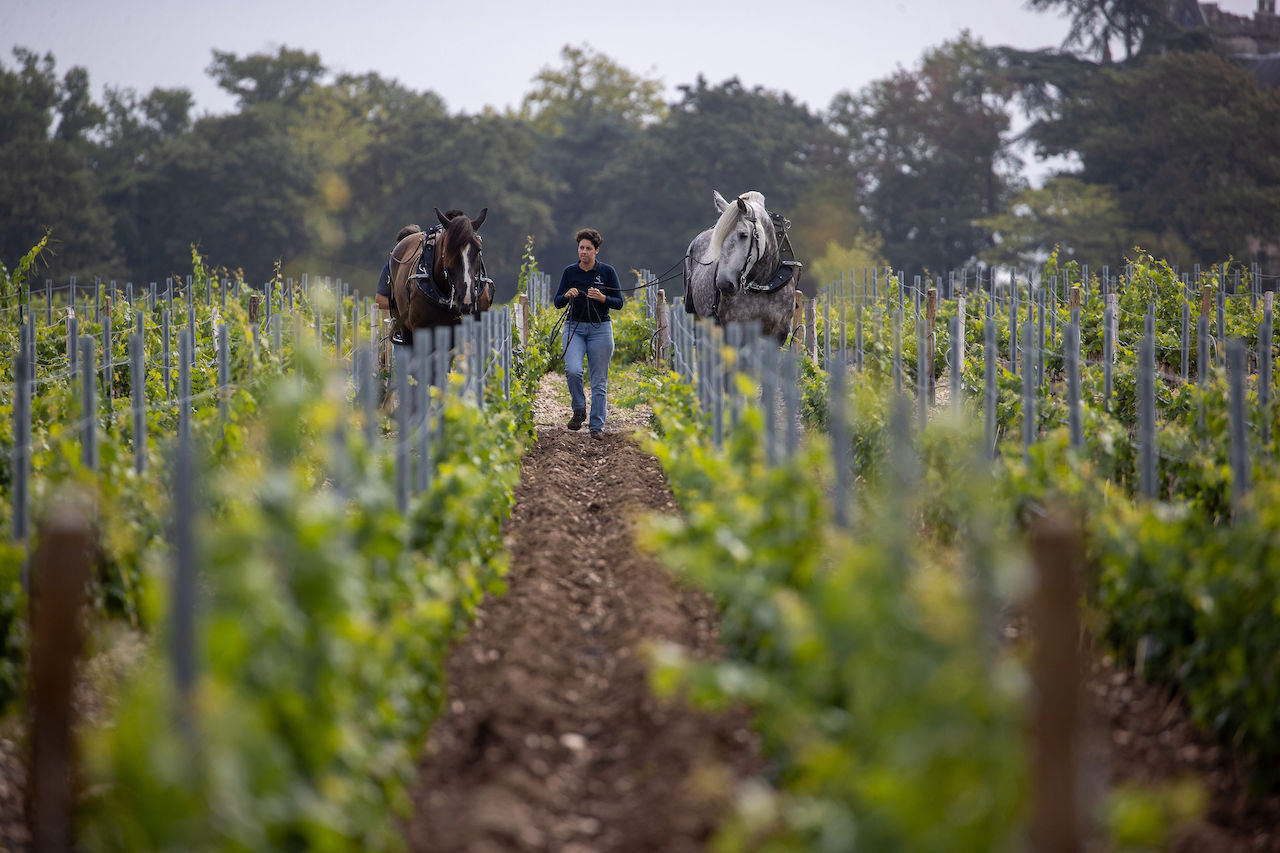
“In France, the Evermore Grant Programme brings this to life in a very tangible way. We’ve supported three initiatives spanning industry education, sustainable viticulture and climate resilience. This includes projects focused on reshaping perceptions of careers in wine, advancing natural antifungal solutions, and optimising water use efficiency in viticulture,” she adds.
“Local trust and community integration are fundamental. Our approach in France starts with genuine respect for the land, its traditions and the people who shape it. Initiatives like Penfolds Evermore reinforce this commitment, ensuring we contribute beyond commercial objectives and invest meaningfully in the region. It’s about building relationships over time, so Penfolds is not simply present in Bordeaux, but thoughtfully connected to it culturally, environmentally and for the long term,” notes Kristy.
Perhaps the clearest lesson Penfolds has learned in France is one Max Schubert himself might have appreciated decades ago. “Striking the right balance between innovation and tradition, and between a global mindset and deep local expertise, has been central to our experience. Working within Bordeaux reinforces that progress isn’t rushed; instead it is built through collaboration, patience and respect for the region’s heritage,” adds Kristy.
For a winery once defined by a rebellious experimental Shiraz hidden away in South Australia, the evolution feels fitting. Penfolds may now operate across hemispheres, but its defining instinct remains unchanged: a willingness to challenge convention while remaining deeply aware of history.
For more information, visit www.penfolds.com
___
Wine Pairing with Asian cuisines, By Joshua Yim, Penfolds Southeast and North Asia Brand Ambassador:
Penfolds Champagne Cuvée Brut
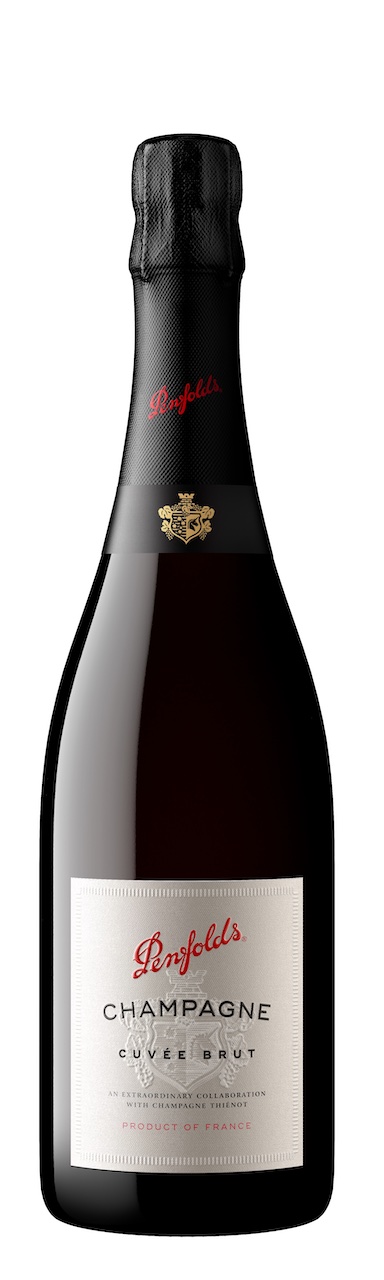
Fresh and expressive, the Cuvée Brut NV opens with lifted aromas of lily, chamomile, orange blossom, yuzu citrus and delicate white florals, supported by subtle notes of roasted nuts, vanilla pod and custard apple. On the palate, flavours reminiscent of lemon meringue tart take centre stage, joined by hints of raspberry pastille, nougat and vanilla. A lively mousse, bright citrus character and tingling acidity bring freshness and precision, while the texture remains gentle, polished and harmonious.
Food pairing:
- Vietnamese spring rolls
- Hong Kong dim sum
- Japanese sashimi
- Indian onion pakora
___
Penfolds Champagne Rosé Brut
Delicate ruby-salmon in colour, this Champagne Brut Rosé opens with vibrant aromas of cherry, strawberry and raspberry, carried by fine bubbles and complemented by notes of fairy floss, Parma violets and lily. The palate is youthful, balanced and energetic, with a finely judged dosage that enhances rather than overwhelms. Flavours of lemon, blood orange zest, pink grapefruit, loquat, quince and cantaloupe create a lively interplay of citrus and orchard fruit, while a subtle sweetness is balanced by refreshing acidity.
Food pairing:
- Thai som tum
- Korean kimchi pancake
- Korean soy glazed fried chicken
- Cantonese barbecue meats like char siew
___
FWT 585 Cabernet Sauvignon Merlot Petit Verdot
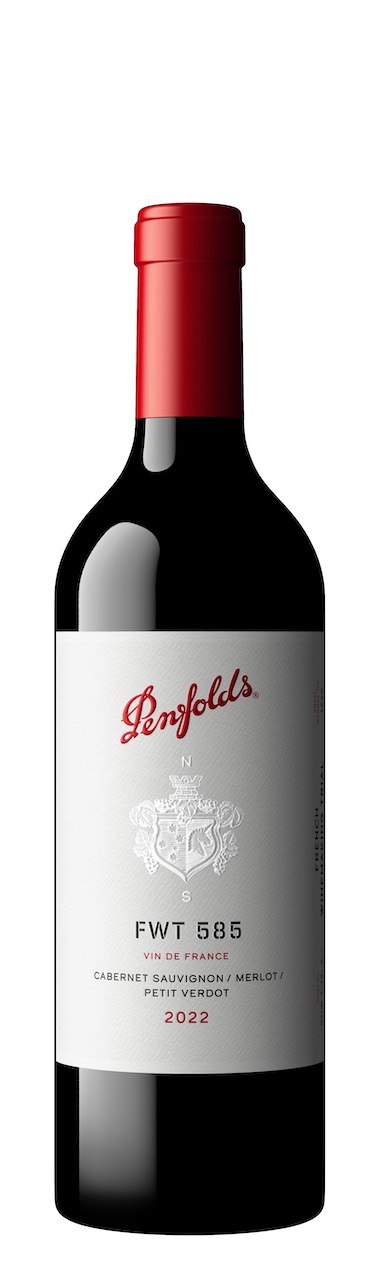
On the nose, this Bordeaux blend offers layers of sun-dried fig, fresh blueberries, violets and sweet dark fruit, complemented by undertones of mocha, paprika and turmeric. Oak maturation adds further complexity, while hints of bergamot, neroli, lavender, vanilla and struck flint contribute depth and nuance. The palate is rich and poised, led by sweet-sour Amarena cherries and black cherry tart, balanced by bay leaf, chocolate mint and finely integrated oak. Fine, pebbly tannins provide structure and tension, lending both power and elegance.
Food pairing:
- Taiwanese lu rou fan
- Indonesian beef rendang
- Japanese sukiyaki
- Chinese soy braised brisket
___
FWT 543 Cabernet Sauvignon Syrah
On the nose, it reveals layers of baking spices, clove, rosemary, beeswax, juniper berry, green olive tapenade, cured meats, and candied orange peel. The palate is rich and expressive, with ripe red cherry and strawberry flavours complemented by notes of brioche, chouquettes, and creme anglaise. Lively acidity and chewy, textural tannins provide structure and balance, showcasing the harmonious interplay between Cabernet Sauvignon’s backbone and Syrah’s texture.
Food pairing:
- Chinese black pepper beef
- Malaysian beef satay and peanut sauce
- Taiwanese braised pork trotters
- Japanese beef curry