

Once relegated to blends and fortified wines, Grenache is reclaiming its place in the fine wine canon. At Penfolds, winemaker Shavaughn Wells reflects on its evolution and renewed relevance. By Amy Van, Photos: Penfolds
There are few grapes that have lived as many lives as Grenache. For decades, it was the quiet contributor in the background – a blending partner rather than a leading character. In Australia, it was foundational yet often overlooked, valued more for what it could support than what it could express on its own.
Today, that narrative is shifting. Across regions from Spain to South Australia, Grenache is being revisited with renewed intent. The results are wines that are lighter in frame but not in complexity, and increasingly aligned with contemporary tastes.
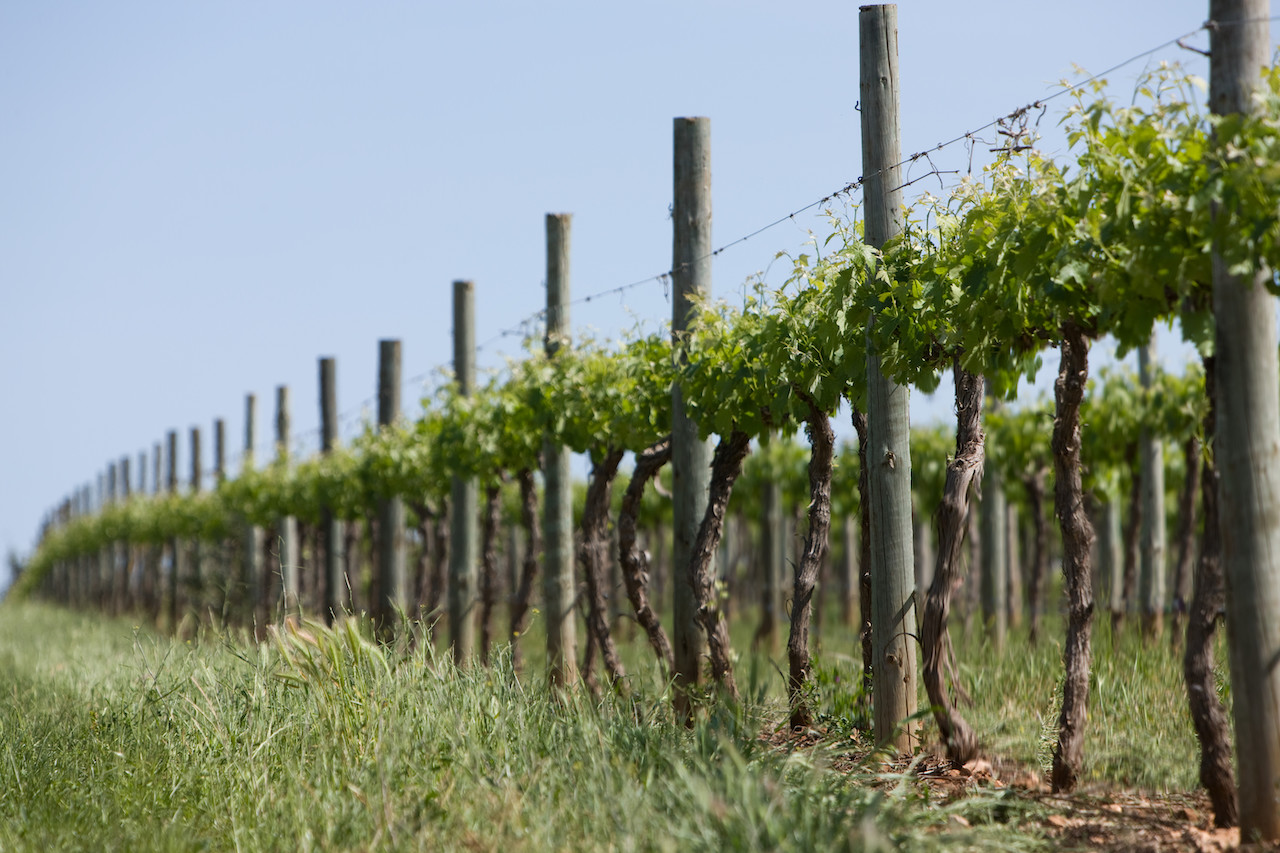
At Penfolds, Grenache has been part of the house’s DNA since its earliest days, yet its modern articulation as a standalone varietal is relatively recent. For Penfolds winemaker Shavaughn Wells, who has spent almost 10 years working across the red wine portfolio, the resurgence is a process of sustained curiosity finally coming into focus.
“Curiosity, challenge and reward,” she says, when asked what has catalysed the shift. “Grenache would have to be at the top of the list of varieties that offer winemakers one of the most diverse range of variables to decipher – vine age, canopy management, berry size and ripening windows. Overlay vintage conditions, different soil types and climates, and there is a lot to unravel, explore and reveal.” She adds that the pursuit to understand Grenache as a singular expression has been ongoing for decades at Penfolds, with 2002 marking Penfolds first release of a standalone Cellar Reserve Grenache.
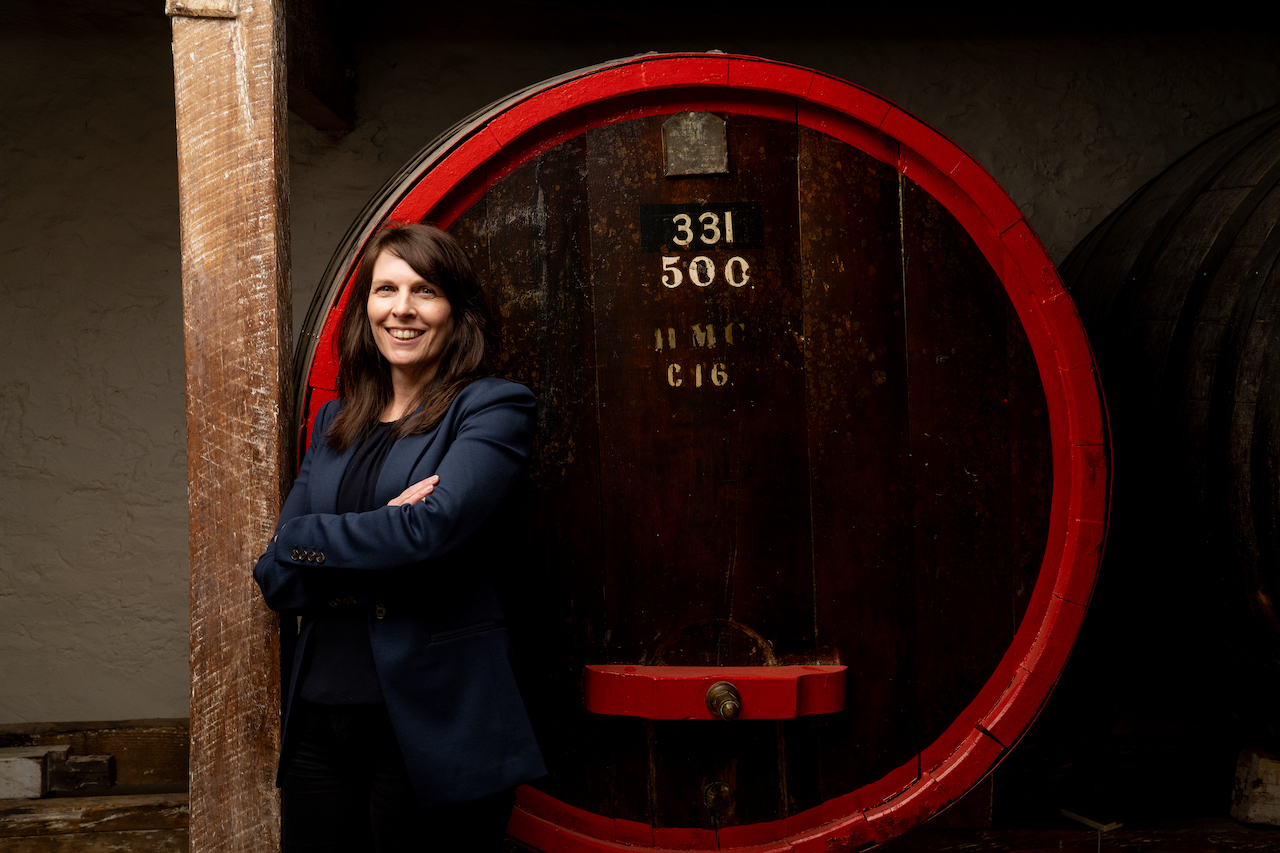
If Grenache is having a moment now, it is not because it has suddenly changed, but because the lens through which it is viewed has sharpened. Where once structure and power dominated fine wine discourse, today there is a growing appreciation for nuance, drinkability and the articulation of place. Grenache, with its aromatic lift and supple texture, sits comfortably within that shift.
Still, its versatility remains one of its defining traits. At Penfolds, blending has always been central to its philosophy, and Grenache continues to play multiple roles. The distinction between varietal and blend, Shavaughn suggests, is less rigid than it might appear.
“When blending, be it for a standalone varietal or a blend, the criteria for selecting parcels is the same: each parcel needs to add to the final wine and have its reason for being,” she explains. “As a winemaker, when we are on the tasting bench with all the different parcels before us, this is the moment to identify the core elements of texture, aromatics, structure and frame, and to appreciate how the parcels come together. We are building layers, balance that carries now and through time, as the wine opens in the glass in its youth and as it continues to evolve with cellaring.”
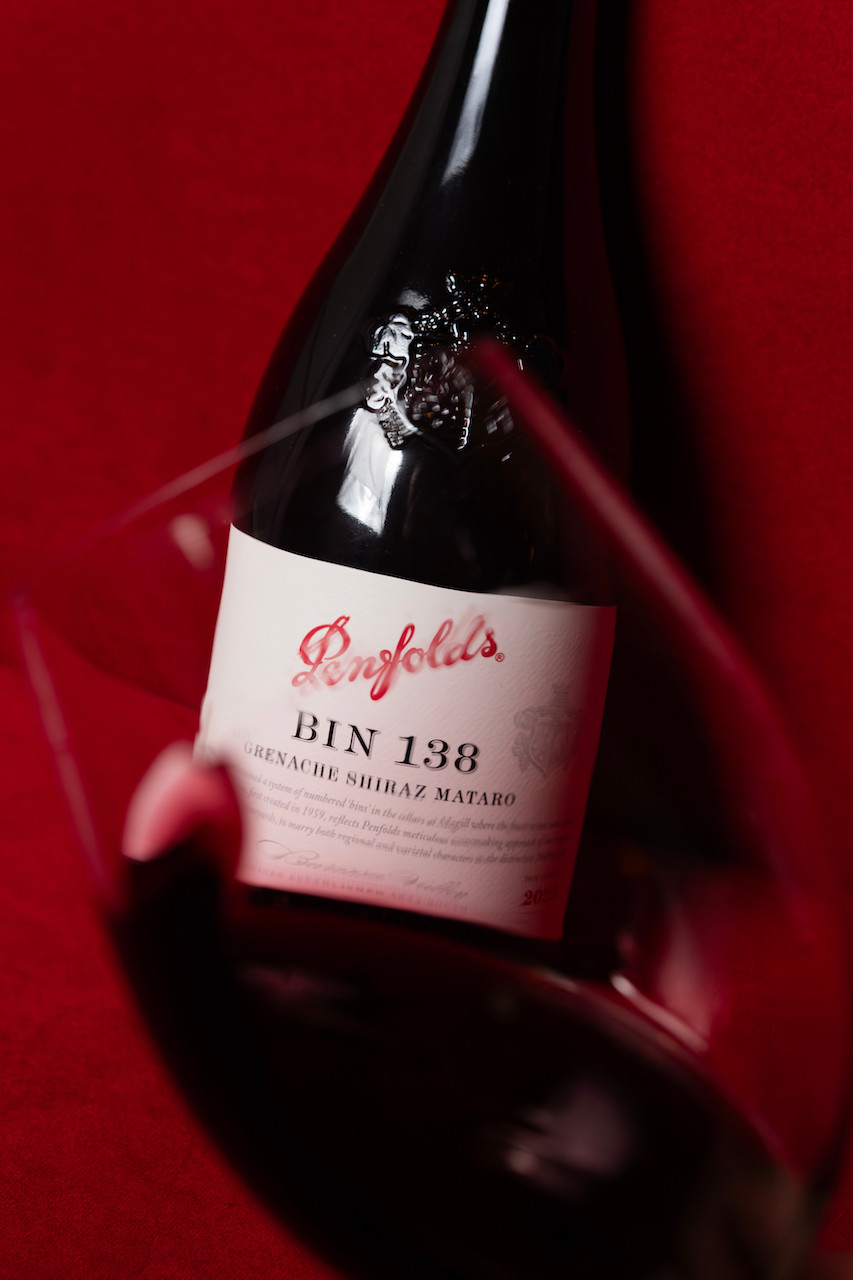
That philosophy finds a contemporary expression in Bin 21, Penfolds’ dedicated Grenache bottling. Rather than a fixed style, the wine is conceived as something in motion. “Bin 21 will continue to evolve as we understand our vineyards more and perfect the style we are pursuing – a wine with varietal expression with the ability to cellar. Driven by curiosity and the desire to always advance our wines, source regions have been a lever we have often leaned on,” says Shavaughn.
The wine draws from both the Barossa Valley and McLaren Vale, regions that offer distinct yet complementary expressions of Grenache. “Both regions are a source of wonderfully expressive Grenache offering different yet complementary flavours, tannin profiles and aromatics to the blend. Adhering to the Penfolds House Style of selecting the best wines from each vintage, this sentiment stands with Bin 21,” she adds.
Compared to Shiraz which has long defined Barossa, Grenache offers a different register yet is perfect for this region too. How do the two varieties coexist within the region’s future narrative? Shavaughn points out: “Grenache and Shiraz, along with Mataro are the cornerstones of red wines made from the Barossa, part of the region’s winemaking foundations,” Shavaughn notes. “These varieties are versatile, and will no doubt remain the focus of the region well into the future. Shiraz, like Grenache, shares a celebrated part of the Barossa story, renowned for its ability to make wines which will reward with careful cellaring.”
A Shift In Taste
When asked how much of Grenache’s resurgence is driven by consumer preferences versus the winemaking community, Shavaughn replies: “This is a great question as I think it has occurred in parallel. From a winemaking point of view, the curiosity from winemakers and consumers were aligned. It is a developing space as Grenache styles continue to evolve, reinforced by Grenache’s innate ability to be paired with so many different food styles, which I believe has secured its place at the table.”
Looking ahead, Shavaughn sees the current momentum not as a fleeting trend but as part of a longer arc in how wine is both made and appreciated. “My view is that the momentum for Grenache is a natural evolution of winemaking innovation, winemakers considering vineyards, curious to see their expression. Approaching their winemaking with intent to showcase their fruit and to imprint individual house styles and philosophies in their wines.”
She continues: “Grenache, by nature, is aromatic, textural, soft and expansive on the back palate, naturally leading to wines which tend to be more medium-bodied. Its ability to reward with age is also an element to be appreciated. Coupled with its natural acidity and fine papery tannins, it may defy expectations.”
Rethinking Grenache
Yet for all its contemporary relevance, Grenache’s story at Penfolds is deeply rooted in history. In its earliest incarnations, the grape was central to fortified wines, valued for qualities that are now being rediscovered through a different lens.
“Grenache being such a versatile variety, has been called upon by Penfolds winemakers and much of the South Australian winemaking industry throughout history, to fulfil a diverse range of roles,” Shavaughn explains. “In early years, Grenache was a key fortified variety because of its characteristic aromatics, low colour density and soft tannin profile. These characters have found new purpose in Rosé styles and red blends alike.”
What has changed is not the grape itself, but the intent behind its use. “These characteristics, through a new lens, have been studied, trialled and refined, and the result is now attested within the Penfolds Collection with Bin 21. This is neither a return to roots nor a complete reinvention, it is an evolution.”
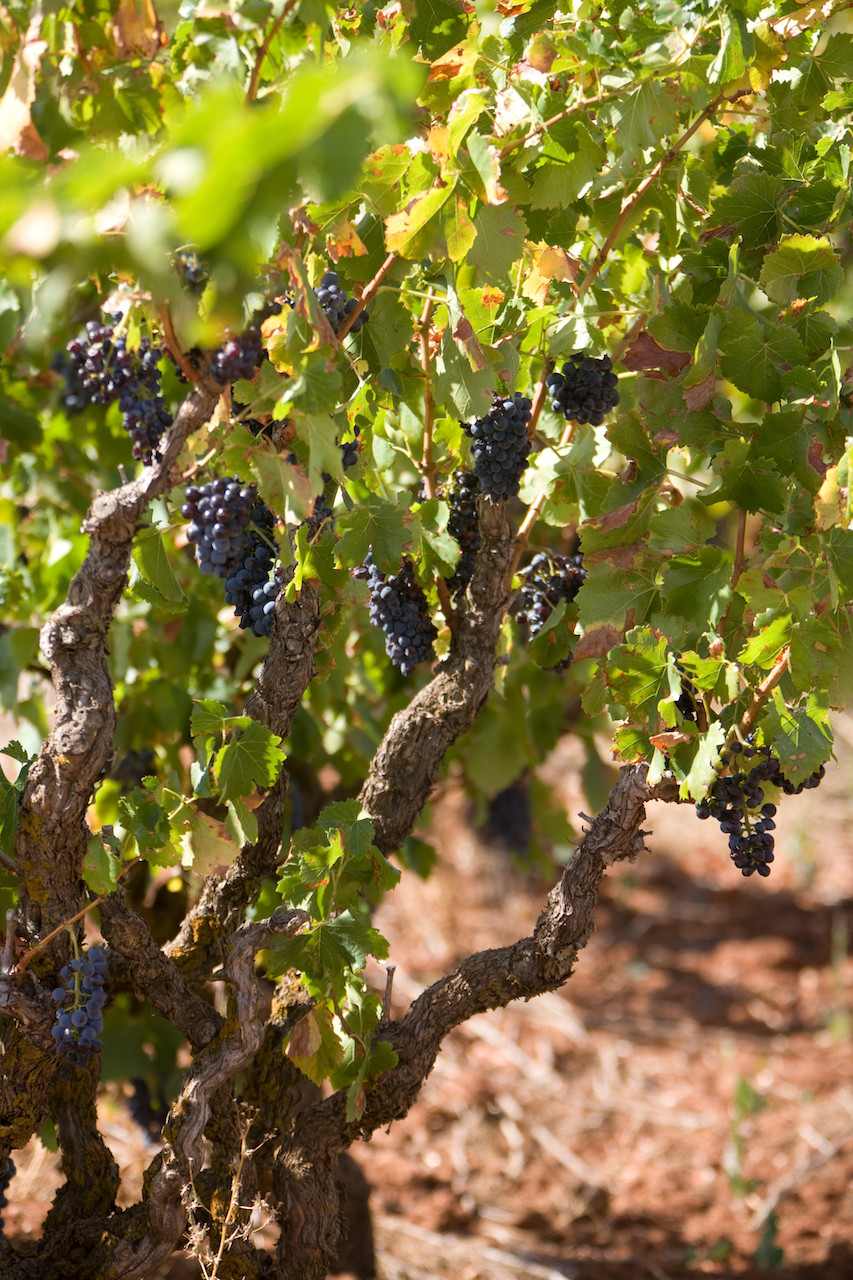
That sense of evolution extends into the vineyard and winery alike. For Shavaughn, one of the most compelling aspects of working with Grenache is precisely that it resists formula.
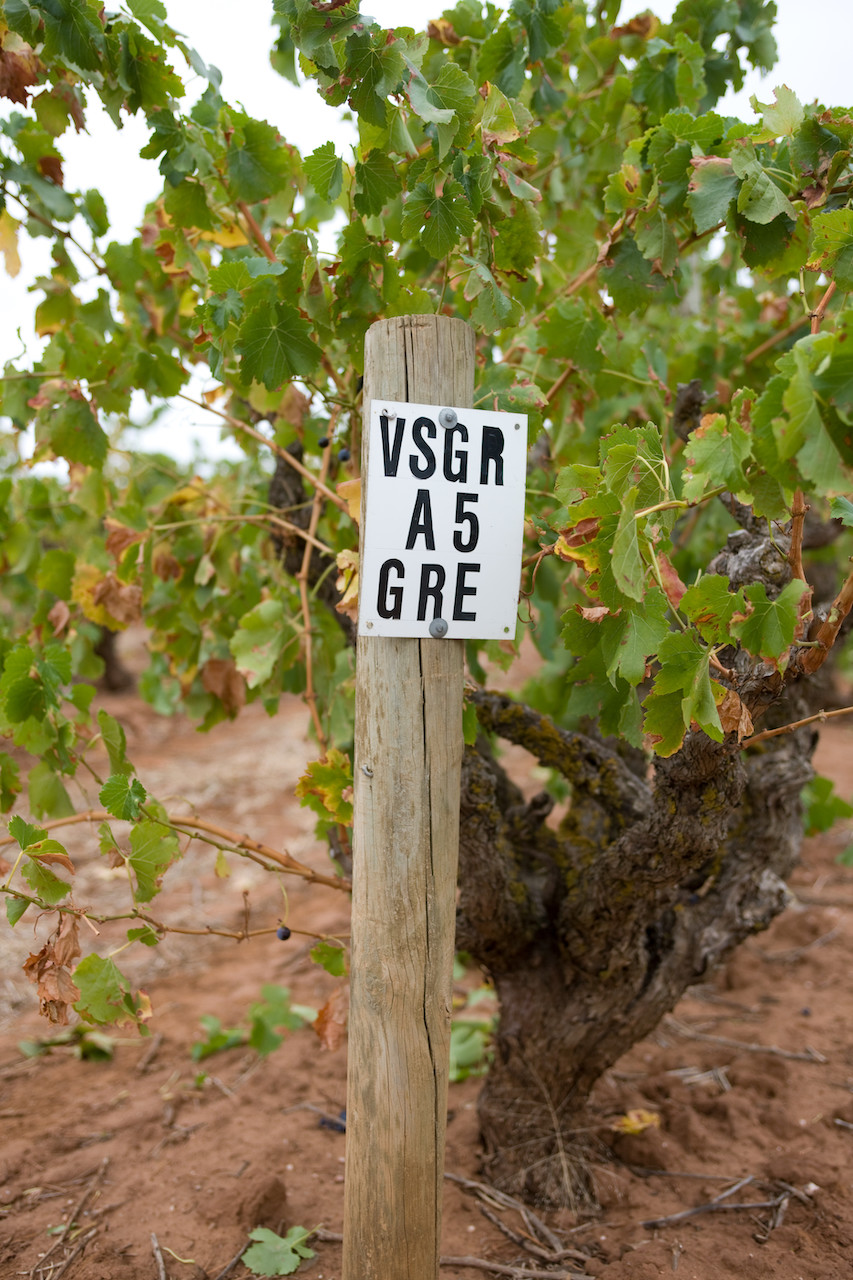
“Grenache is a variety from which so many learnings can be drawn upon both viticulturally and in winemaking. As we worked towards crafting our Bin Grenache, we spent hours in vineyards speaking with our vignerons, working with a common intent and curiosity to improve the quality and consistency of Grenache year on year,” she says.
The process has been both technical and collaborative. “We also trialled different approaches to how we handle these parcels in the winery – experimenting with techniques such as whole bunch, cold soaking, extended skins contact, leaving wines on lees, trialling the use of different maturation vessels, including a wine cask made from cocciopesto.”
What emerges from that experimentation is not a fixed style but a philosophy. “My observations are that both in the vineyard and in the winemaking, a tailored approach is required with no defined recipe, by aligning each parcel of fruit with the winemaking. I feel there is still more to discover from this age-old variety.”
It is perhaps this openness that defines Grenache’s current moment. Not a rediscovery in the nostalgic sense, but an ongoing dialogue between past and present, between heritage and innovation.