
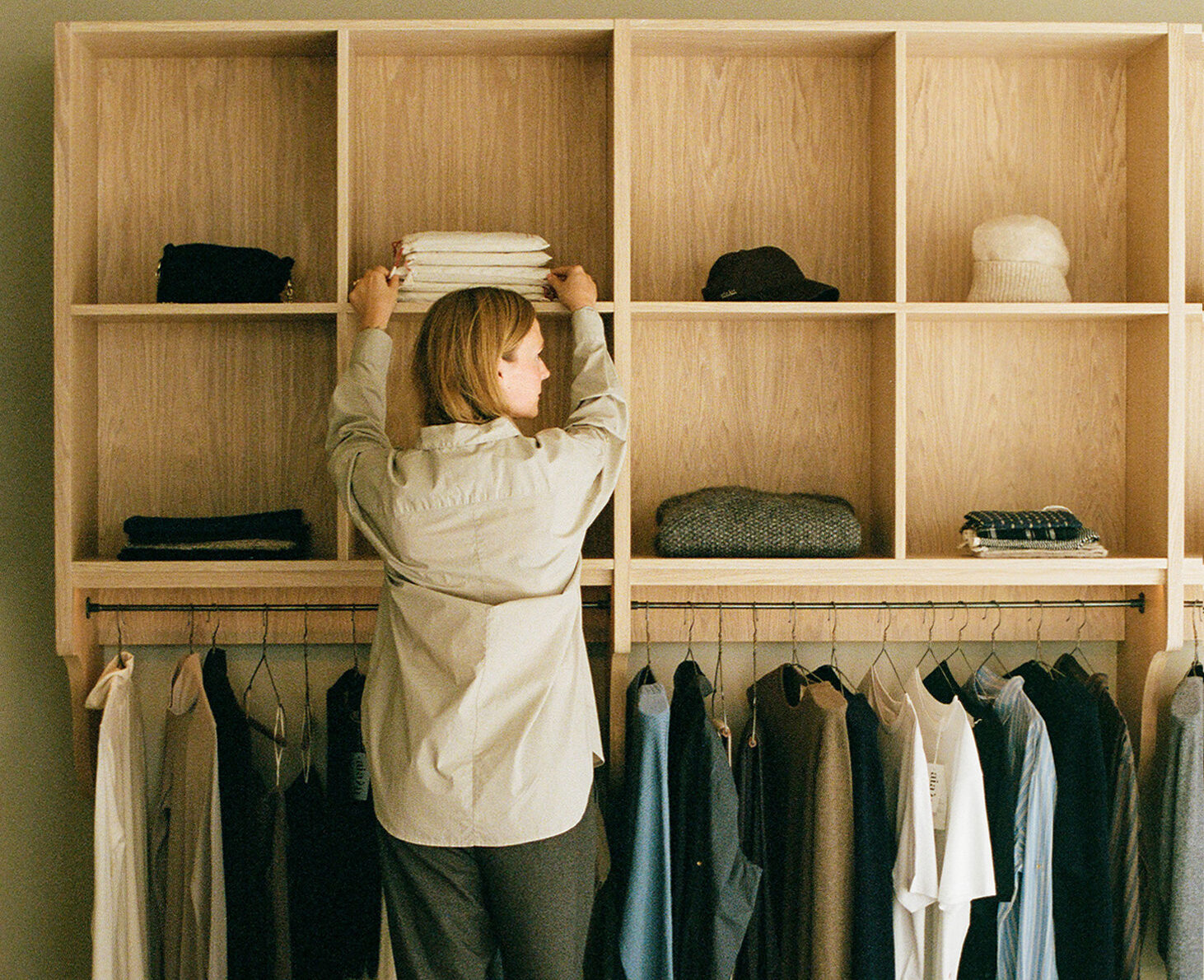

We grow up with the same unspoken rule: dress to impress. It starts early, when parents turn babies into tiny fashion statements – ribbons for the girls, dinosaurs for the boys – long before we get a say in it or understand the ethical choices behind our clothes. Then we grow up and the belief sticks: impression stems from a good style and that we must always cater for it. A meeting demands new pleated trousers, a casual high school reunion suggests an airy linen shirt, a traditional wedding asks for satin dress with batik obi belt, and suddenly our wardrobes read like a social calendar stitched in fabric. Our wardrobe basically is an endless social calendar with past events marked by a pile of old clothes.
 We always see our fashion items as a necessity of each of their moments. We bought pieces for an event, wore the impression, and retired last season to the back of the rack. Looking good meant thinking about how we appeared to others. Now the industry is nudging us to think one step further. Fashion is no longer just visual; it is ethical. Sustainability has slipped into the definition of chic, asking not only how we look, but what our clothes stand for.
The shift is shared. Once-passive shoppers now ask questions, and brands are learning that transparency is part of the luxury experience. Fashion is moving from spectacle to substance, and responsibility is becoming part of the aesthetic. There has never been a better time to dress with intention. Ethical fashion is no longer outside the trend cycle; it is shaping it. And understanding why might be the most stylish decision we make next.
Protecting the hands that make it
Fashion borrows from everywhere, and some of its most striking ideas come from traditional culture. From full heritage silhouettes to subtle ethnic details stitched into modern pieces, craft from local communities continues to shape what we wear. What rarely gets the spotlight is how little those communities benefit from the global fashion machine. Artisans often sit at the most fragile end of the supply chain, and some brands reference culture without ever supporting the people behind it, chasing the cheapest labour instead. This is where conscious buying starts to matter.
 The good news is that demand for ethical fashion is pushing change. More brands are stepping into the role of cultural custodians, working directly with artisans through fair wages and small-batch production. Indonesian labels such as Sukkha Citta and Sejauh Mata Memandang are part of that shift, backed by certifications from Nest and B Corp Certification that signal transparency and real accountability. Other local brands that prioritise this value are Kana Goods, BIASA, Pable, Threads of Life, and Purana among countless emerging and enduring ones. Their work shows that fashion can preserve heritage while still moving forward.
Choosing brands like these is more than a shopping decision. It funds living traditions and supports the hands that keep them alive. Style, in this sense, becomes a way to participate in preservation effort rather than simply consume it.
The harm of disposable fashion
Fast fashion conversations usually zoom in on landfills and factory smoke, but the impact is a lot more personal than we think. When clothes are made to last a season, we end up stockpiling far more than we actually wear. A 2024 study in Journal of Cleaner Production found that only a small portion of owned garments get repeated use, while the rest sit untouched on hangers or buried in drawers. That is not just wardrobe clutter: it is money, resources, and emotional energy tied up in things we barely touch. Cheap, short-lived pieces gradually train us to treat clothing as disposable, nudging us toward constant replacement instead of repair. Over time, that cycle shapes how we spend, how we value what we own, and even how we see ourselves.
 The consequences do not stop at the closet door. They haunt our plates and cups. According to the United Nations Environment Programme, microplastic contamination in seafood is rising, and the most common particles detected are textile fibres, making up over 80 percent of microplastics found. These microfibres shed from synthetic clothing during washing and daily wear, slip through waterways, and end up in oceans where fish and shellfish ingest them. In other words, the culture of throwaway fashion is not some distant environmental headline; it is connected to the water we drink, the food we eat, and the everyday habits we normalise without thinking.
What you wear signals what you stand for
A luxury logo on a purse or scarf used to do all the talking. One flash of a monogram and the message was clear: artistry, status, and taste. But fashion crowds have been reading the fine print lately. A Kantar survey across Asia Pacific shows that today’s shoppers are willing to pay more for fashion brands that are eco-friendly, ethical, and socially responsible, and more than half admit to boycotting labels that harm the planet. The flex is changing.
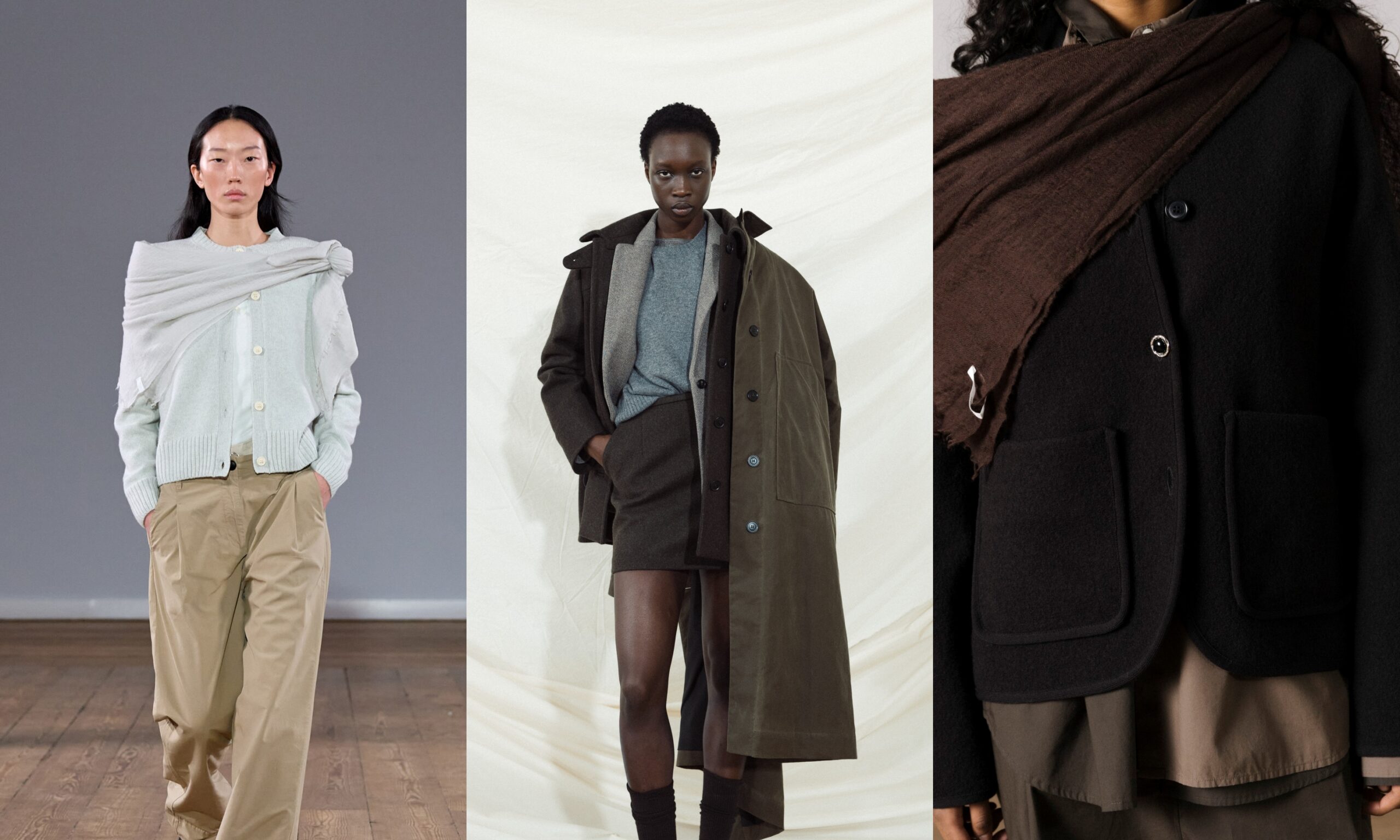 The logo alone no longer tells the full story. For style lovers tuned into ethics, branding now comes with a background check. Environmental impact, labour practices, transparency, these details are seamed into the fabric. With brands under growing pressure to be open about how they operate, it is easier than ever for customers to see what sits behind the gloss. Values are visible, and people are paying attention.
Dressing to impress has stretched beyond aesthetics. We are no longer just curating outfits, but signalling what we stand for. Clothes have become wearable statements, aligning personal style with the values stitched into the label.
Real luxury is meant to last
Durability is quietly becoming fashion’s new status symbol. In an industry built on constant newness, the pieces that last are starting to outshine the ones that simply trend. Vintage culture proves it best. A well-kept jacket or dress isn’t treasured only because it’s rare, but because it still works decades later. Longevity turns clothing from purchase into heirloom, subtly rewriting what luxury looks like.
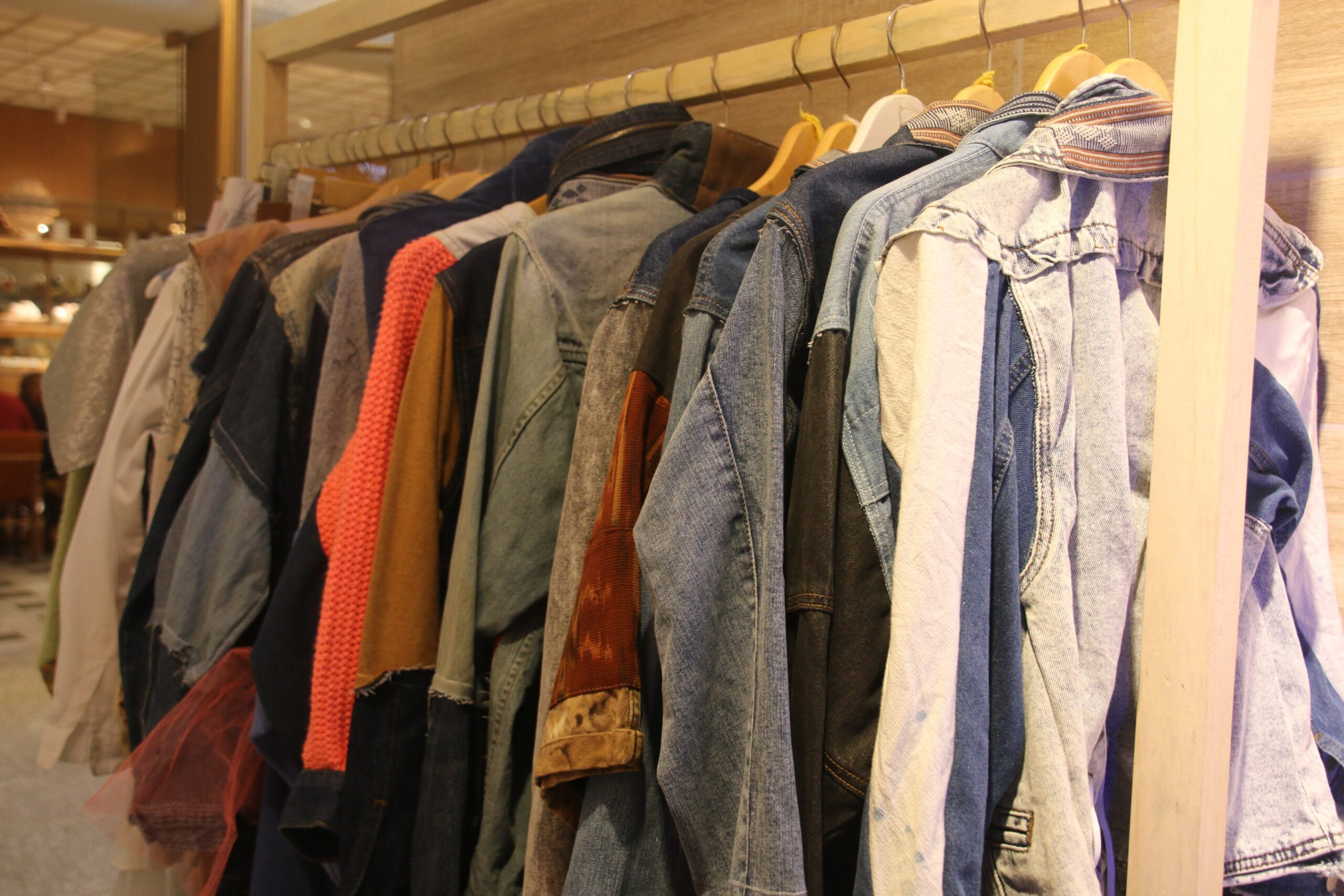
Thrifting has made that lesson visible. Young shoppers in Jakarta combing through Pasar Senen and Pasar Baru aren’t just chasing bargains; they’re meeting garments that have survived years in remarkable shape: strong seams, durable fabric, and high colourfastness. Social media has amplified this discovery, expanding secondhand fashion into sprawling online ecosystems where durability is examined, praised, and taught in real time. What was once a niche has evolved into a public education in artisanship.
The appeal goes beyond price as customers now believe: longevity signals taste. Choosing garments designed to age well reflects a shift from impulse to intention. A survey by Fashion Revolution found that a majority of respondents now wear their clothes for several years, frequently passing them on rather than discarding them. Nearly half reported keeping pieces until they are truly exhausted. These habits point to a consumer mindset that values lifespan as much as style. Ownership is becoming a relationship rather than a rotation.
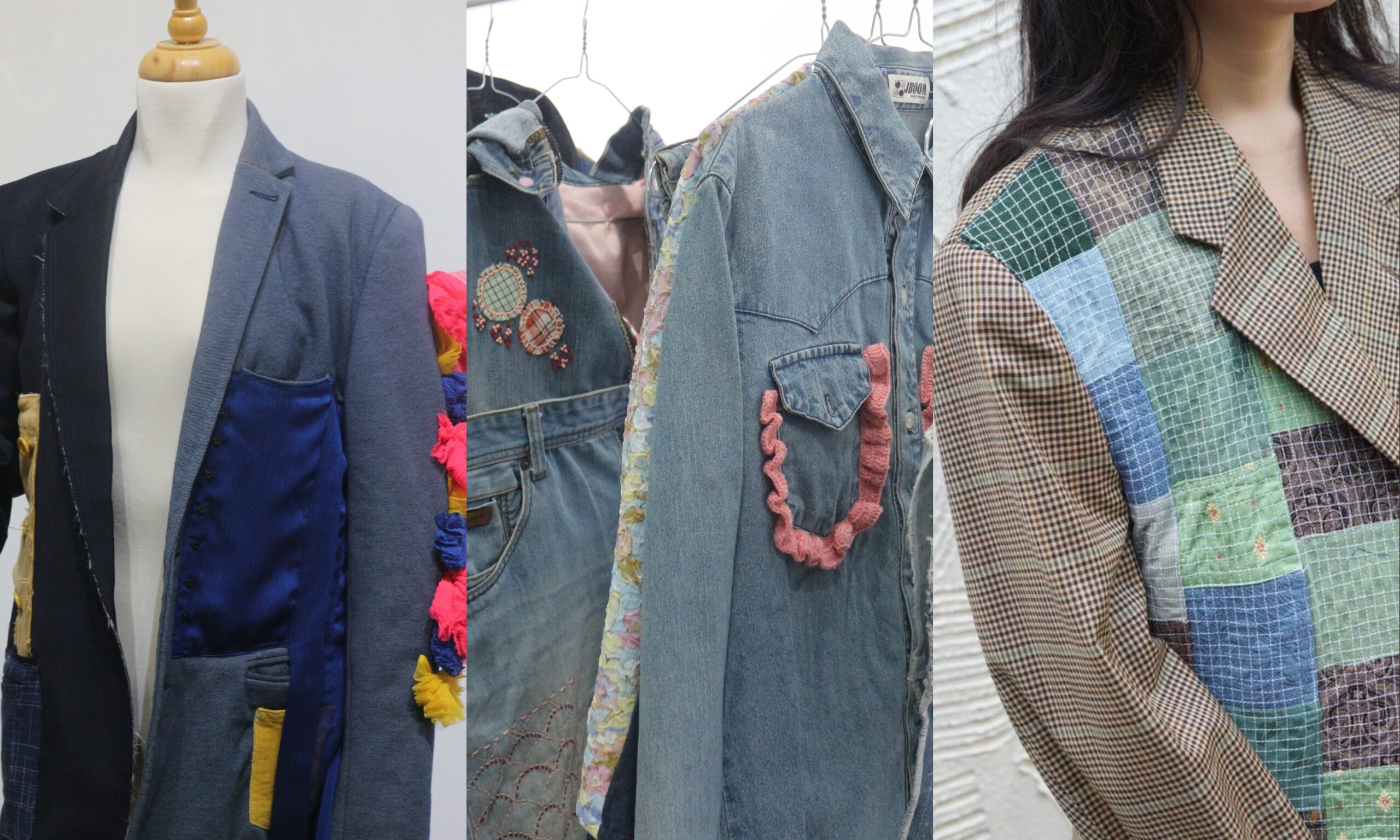
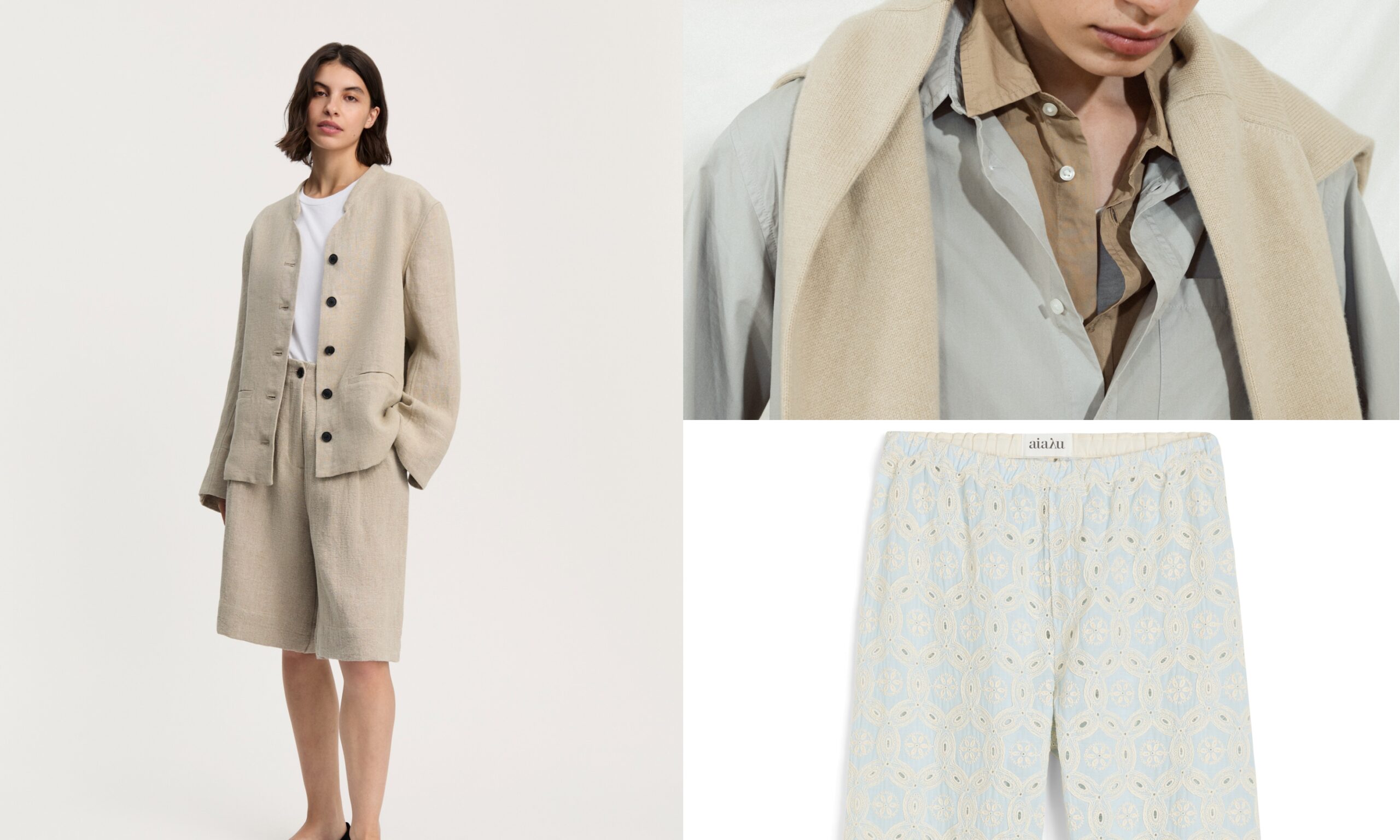 Longevity also includes the afterlife of clothing. Upcycling and recycling grant garments renewed purpose, preventing them from ending as waste. This is why material choice matters: biodegradable and organic textiles make transformation possible. Brands that engage in creative reuse demonstrate that sustainability can generate aesthetic value. Aiayu joins international labels such as Patagonia and Kathmandu in reworking surplus or damaged stock into adapted collections. In Indonesia, Sejauh Mata Memandang and Setali have become widely respected for converting fashion waste into clothing, accessories, homeware, and art, while hosting workshops that share practical upcycling skills. Their work proves that preservation is not limitation; it is an expansion of creativity.
Longevity, then, is not merely about making clothes that last. It is about cultivating a relationship with garments that extends beyond seasons. As consumers learn to recognise durability as a mark of quality, brands that design for endurance position themselves at the forefront of a quieter, more intelligent form of luxury – one measured not by how quickly something is replaced, but by how long it remains relevant.
How to begin your ethical and sustainable fashion and style shift:
- Create a capsule collection for a more mindful approach to wardrobe building.
- Extend the life of garments through small acts of care – mending, tailoring, or subtle reinvention.
- When something new is needed for a special occasion, consider borrowing from friends or family, or exploring rental options that offer variety without excess.
- Vintage and pre-loved pieces offer both character and sustainability, bringing unique stories and craftsmanship into your wardrobe.
- If purchasing new becomes necessary, favour natural fibres such as organic cotton, hemp, linen, or wool – materials that age gracefully and tread more lightly on the earth.
- Seek out designers and brands committed to responsible production, and choose thoughtfully over fast fashion.
Photos courtesy of aiayu and Setali Indonesia