

For Indonesian designer Monika Ku, Unitude Couture represents a natural evolution of her years in fashion, bringing the language of couture into the world of hospitality. After building her fashion label IOCO, Monika began looking beyond the individual wearer to consider how clothing could shape the identity and experience of an entire property. What began as a fascination with the intersection of fashion and hospitality would eventually lead her to ask a different question: what if the same principles of couture could be applied to the people who define a hospitality experience?
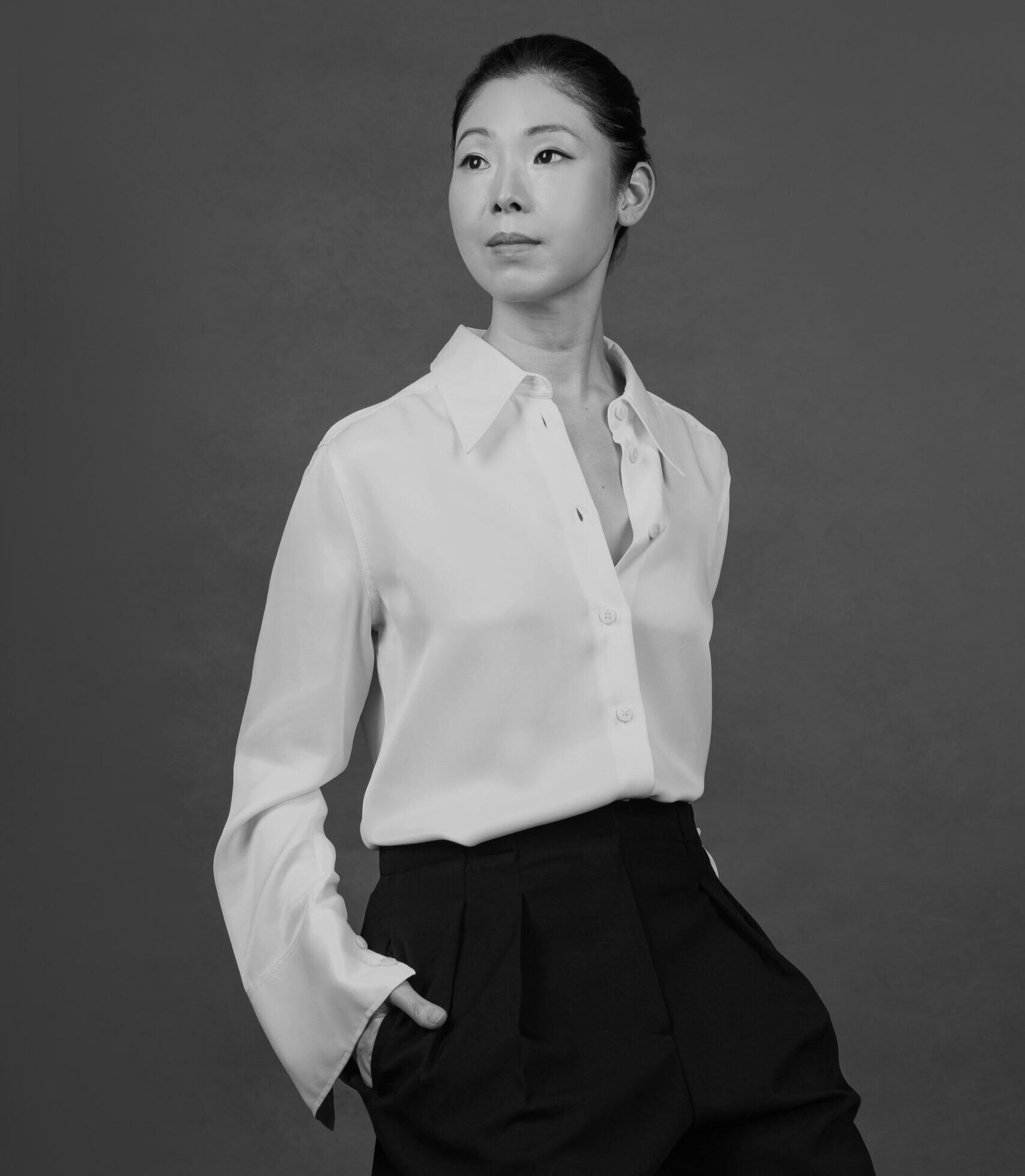
That question became the foundation of Unitude Couture, a couture uniform design house that approaches hospitality uniforms with the same level of research, craftsmanship, and storytelling traditionally reserved for fashion collections. Rather than viewing uniforms simply as functional garments, Monika sees them as an extension of a property’s identity – one that connects architecture, culture, service, and the people who bring a hotel or restaurant to life.
The idea emerged through conversations with her husband, whose career in luxury hospitality offered an insider’s perspective on the industry. Looking at Monika’s work as a fashion designer, he recognised an opportunity to bring a different creative approach to hospitality uniforms. As Monika began observing hotels more closely, she noticed that while enormous attention was often given to architecture, interiors, and guest experiences, the uniforms worn by staff frequently felt disconnected from the overall story a property was trying to tell.
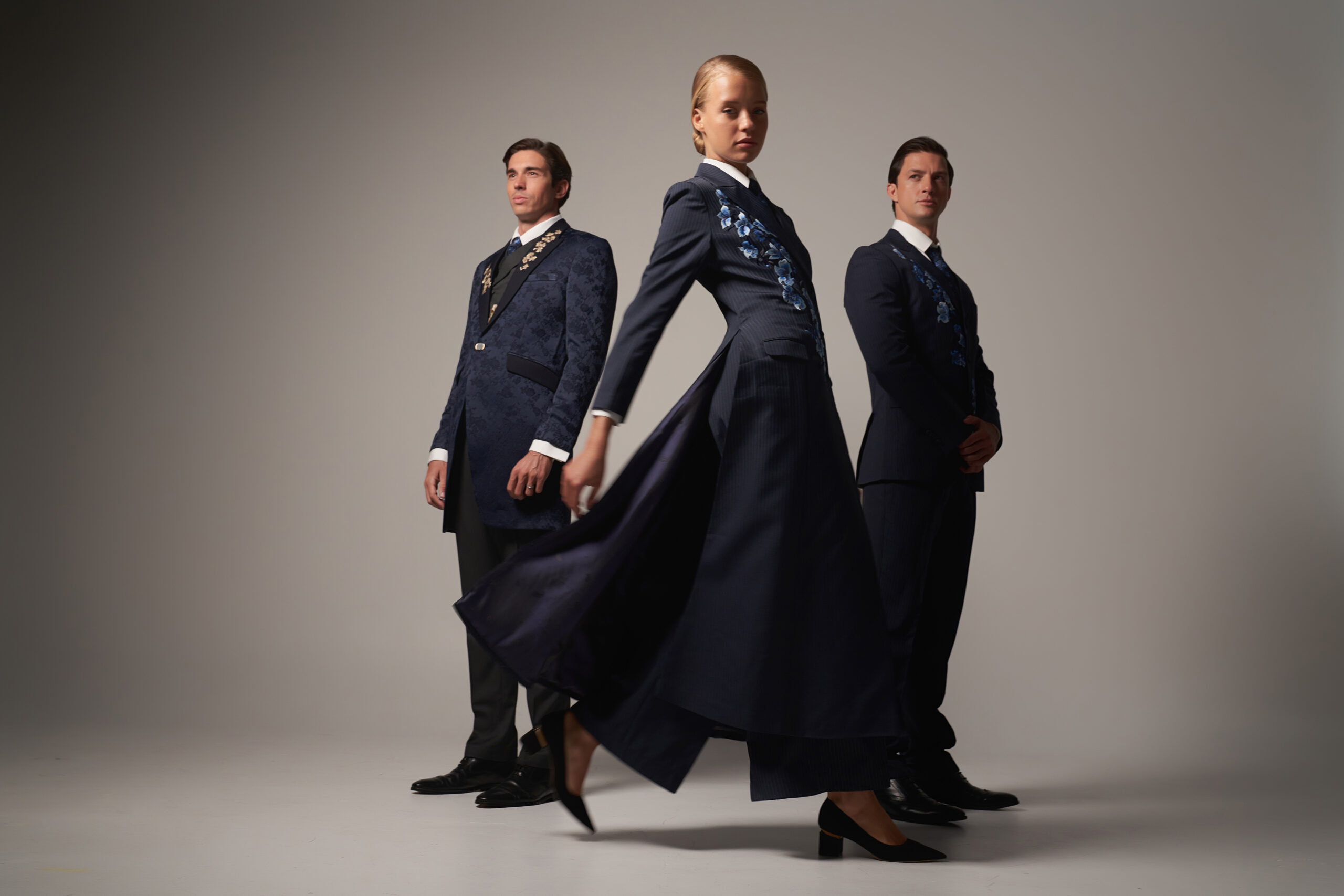
For Monika, this disconnect was significant because hospitality is ultimately centred on people. The employees welcoming guests, serving meals, or caring for rooms are among the most visible expressions of a hotel’s identity. If every other touchpoint is carefully designed, she believes the garments worn by those people should be equally considered – not only aesthetically, but also in how they make the wearer feel.
This philosophy distinguishes Unitude from conventional uniform manufacturers. Every project begins not with sketches or fabric swatches, but with research. Before developing a collection, Monika and her team study the property’s history, architecture, landscape, guest profile, operational needs, and cultural context. Inspiration may come from local craftsmanship, regional traditions, historical references, or symbolic details unique to the destination. Equally important is understanding the people who will wear the garments, taking into account different body types, cultural backgrounds, and the practical realities of daily operations.
Today, that thoughtful approach has earned the trust of some of the world’s most respected hospitality names. Unitude Couture has collaborated with leading luxury brands including Capella Hotel Group, Kimpton Hotels, The Ritz-Carlton, InterContinental Hotels & Resorts, and Four Seasons, creating bespoke uniform collections that reflect each property’s distinct identity while supporting the operational needs of its teams. The breadth of these collaborations underscores the growing recognition of uniforms as an integral part of the guest experience rather than simply a functional necessity.
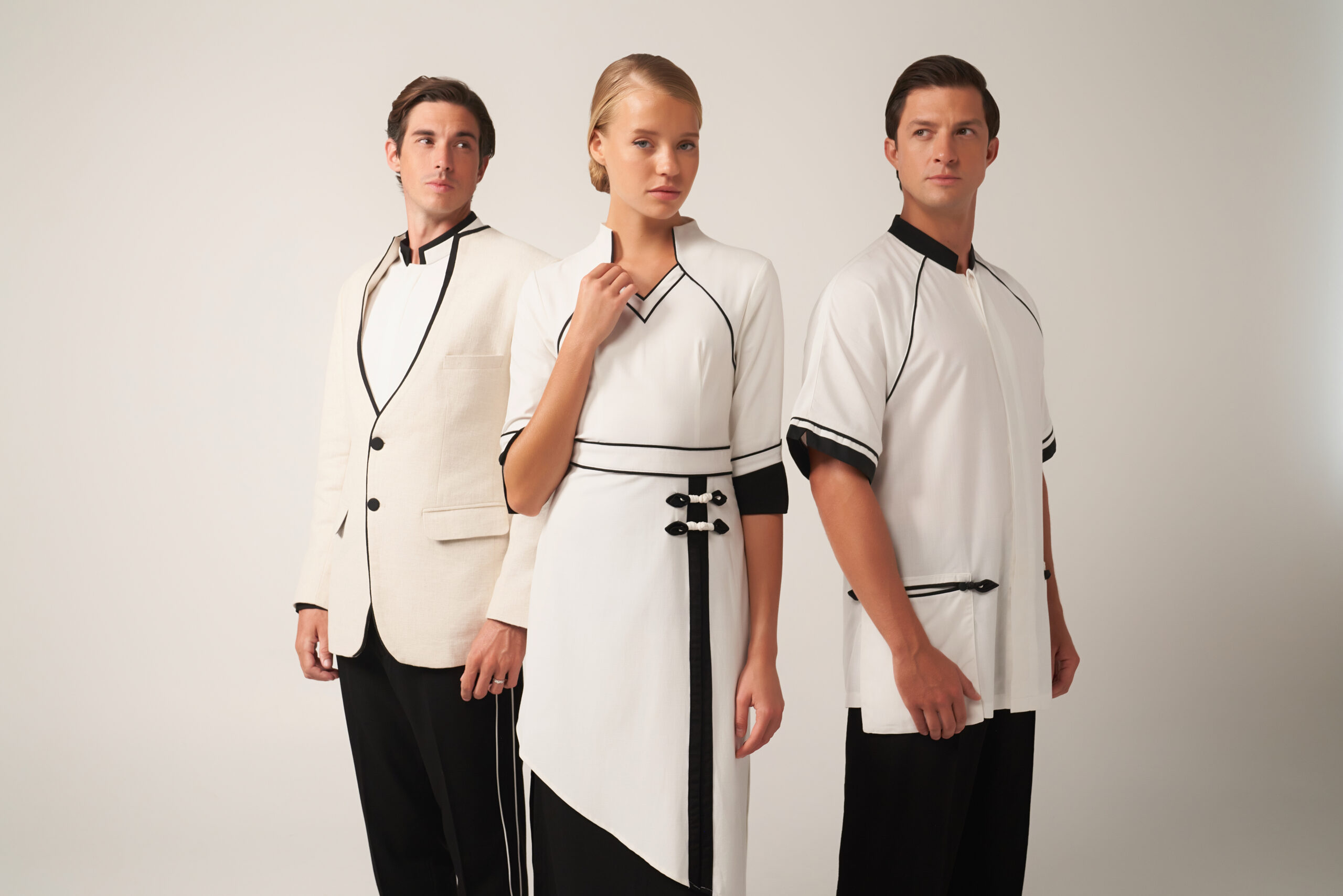
Only after this research is complete does the design process begin. Multiple creative directions are explored before concepts are refined through discussions with hotel owners and property teams. Prototypes are tested and adjusted to ensure that the finished garments not only reflect the property’s character but also perform effectively in demanding hospitality environments. Throughout the process, Monika sees collaboration as essential, describing the final collection as an extension of both the property’s identity and its people.
Although Unitude describes itself as a “couture uniform design house,” Monika uses the term couture differently from its traditional association with exclusivity or high fashion. For her, couture is defined by meticulous attention to detail – the quality of materials, precision of fit, craftsmanship, and finishing that elevate a garment beyond its functional purpose. Every project is approached individually, with designs developed specifically for the property they represent rather than following a standard template. Behind every collection is the work of experienced seamstresses and artisans whose techniques are more commonly associated with fashion ateliers than industrial uniform production.
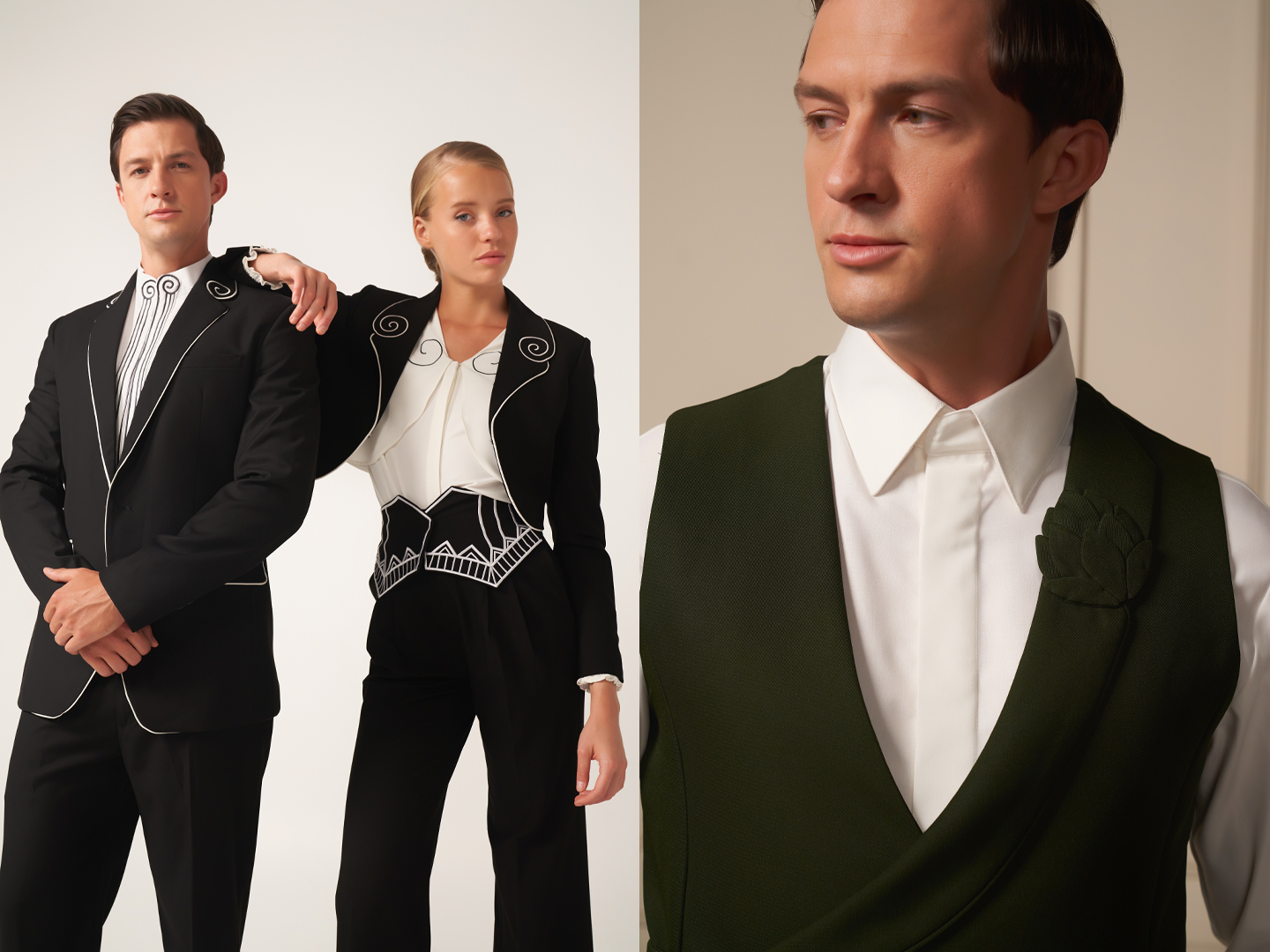
Storytelling remains central to that approach. Monika believes every destination possesses its own history, culture, and emotional character, while every hotel has its own ambitions and personality. Her role is to understand those qualities before translating them into garments through colour, silhouette, textiles, embroidery, or subtle cultural references. Authenticity is particularly important; she believes people instinctively recognise when design genuinely belongs to a place rather than merely borrowing its visual language.
Among the projects that best illustrates this philosophy is Unitude’s collaboration with the team behind the three-Michelin-starred restaurant Mirazur on the French Riviera. The design process involved extensive conversations, fittings, and refinements to ensure every detail reflected the restaurant’s philosophy, its gardens, and its relationship with nature. For Monika, it was one of the closest experiences to creating couture within a hospitality environment.
Coming from ready-to-wear fashion, adapting to hospitality also required a shift in perspective. Unlike fashion, where creativity can often take precedence, hospitality garments must balance aesthetics with durability, comfort, ease of maintenance, and functionality across different climates and operational roles. Monika considers these practical requirements from the earliest stages of design, studying how people move, work, and interact within their environments while continuously incorporating feedback from the teams who will ultimately wear the uniforms.
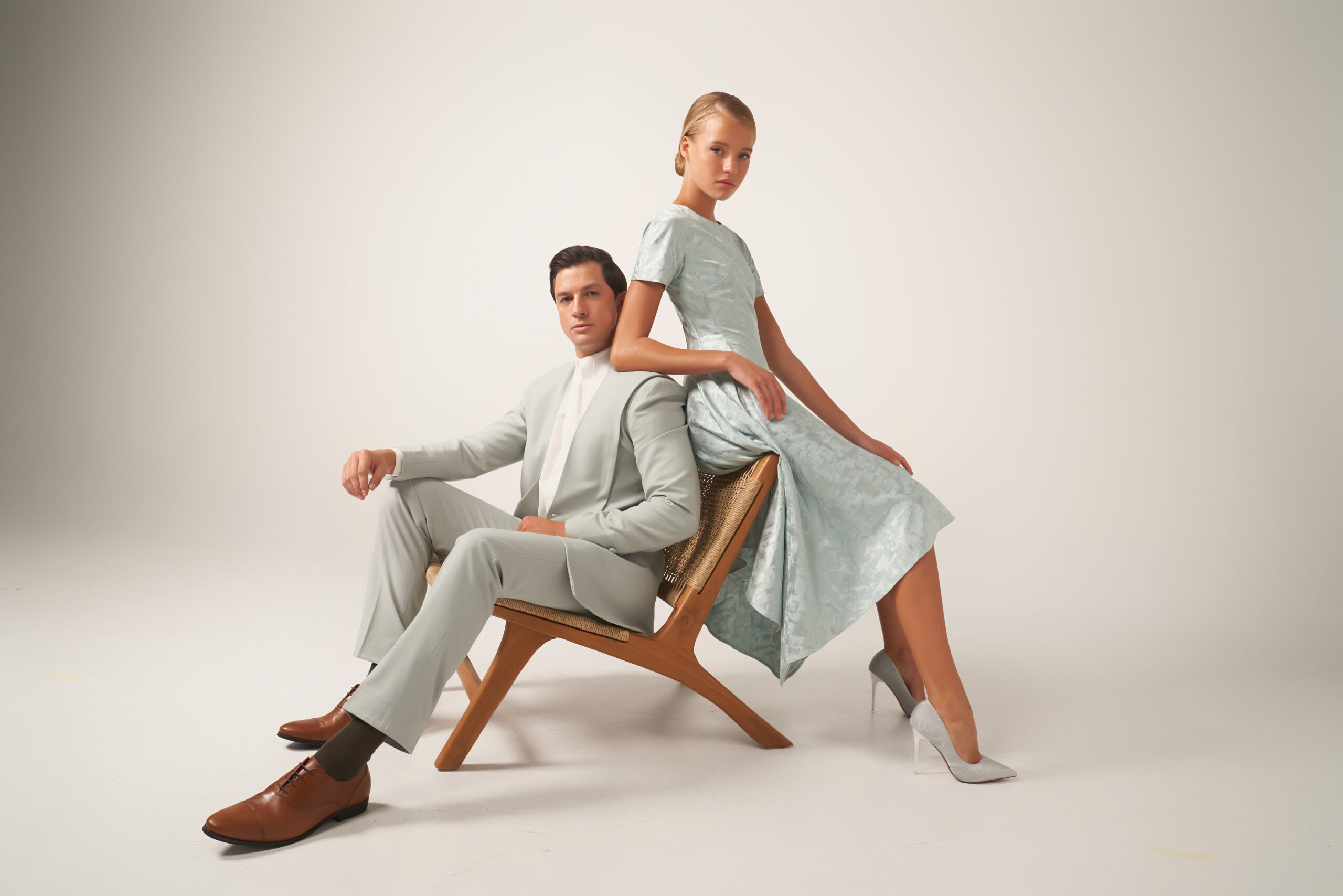
For Monika, a successful uniform is one that supports exceptional service without compromising design. When craftsmanship, practicality, and storytelling come together, the garment does more than represent a brand – it gives the wearer confidence and a stronger sense of belonging. She believes that when people recognise aspects of their culture, history, or workplace within what they wear, they carry themselves differently and feel greater pride in the role they perform.
As luxury hospitality continues to place greater emphasis on authentic, immersive experiences, Unitude Couture offers a reminder that storytelling extends beyond architecture and interiors. Through thoughtful research, craftsmanship, and a deep understanding of place, Monika Ku has reimagined the hospitality uniform as an integral part of a property’s identity that is experienced not only by guests, but also by the people who wear it every day.
For more information, visit unitude.co.id and @unitude.id.