

An editorial opinion on tourism sustainability in Bali, and the space between green growth and rising waste.

I live in Bali. Which means, like the title suggests, I live in a place that is both paradise and paradox.
On some mornings, the ocean is impossibly blue. On others, after heavy rain, the tide brings in a different kind of offering – plastic bottles, food wrappers, fragments of someone else’s consumption, and even little fish deceased from getting caught in it all. It’s not new. But in the past decade, it feels heavier. The traffic is thicker. The cranes are taller. The coastline is increasingly punctuated by construction boards promising luxury, wellness, and increasingly, sustainability.
Bali runs on tourism. That’s a reality, not criticism. Entire communities depend on it. Jobs, livelihoods, education, infrastructure – much of it flows from hospitality. Many hotels are genuinely trying. Wooden key cards replace plastic. Paperless check-ins reduce waste. On-site gardens grow herbs for the kitchen. Sustainability reports are published. Certifications are framed proudly at reception desks.
And this is progress and it does matter. But sometimes – quietly, in conversations we rarely print – it feels surface-deep.
A box to be ticked
Sustainability has become a column in the KPI report. A slide in the investor deck. A badge on the website footer. The language is polished: eco-conscious, regenerative, responsible luxury. Yet outside the gates, traffic still idles. Waste systems strain. Rice fields shrink.
The uncomfortable question is not whether hotels or other establishments are doing something. Many are. The question is whether what we are doing is proportional to what we are building.
If a property adds 200 rooms to the island, is eliminating plastic straws enough? If land is cleared for development, what is being regenerated in return? If we increase consumption – water, electricity, materials – how are we balancing what we take with what we restore?
This is where the word “greenwashing” often enters the conversation, usually whispered. It’s an easy accusation and a dangerous one. Not every imperfect sustainability effort is greenwashing. Transition takes time. Systems are complex. Change in hospitality – especially at scale – is rarely immediate.
But greenwashing begins when the story outpaces the substance. When sustainability is louder in marketing than in operations. When the aesthetic of green becomes more important than the accounting of impact.
The line is subtle. It’s the difference between doing less harm and taking responsibility for harm. Between offsetting and reducing. Between a campaign and a commitment.
Mindfulness of the mass
What Bali needs now may not be more green slogans. It may need more mindfulness. Mindfulness, in this context, is not about yoga retreats or bamboo architecture. It is about awareness of consequence. To build is to alter. To host is to consume. To grow is to demand resources. None of this is inherently wrong – but it requires balance.

Developers might ask, “What does this land lose because of us?”; Hoteliers might ask, “What does this community genuinely gain?”; Guests might ask, “What does my holiday cost beyond the room rate?”
Sustainability cannot be a checklist alone. It must be a relationship – with land, with community, with future time. It must scale alongside ambition.
And to be fair, some properties are moving in that direction. The conversation is evolving from elimination of single-use plastics to energy efficiency, from CSR events to long-term waste diversion, from isolated green initiatives to operational redesign. The shift is slow, sometimes imperfect, and often expensive. But it’s happening.
Perhaps the next chapter of Bali tourism is not about being perfectly sustainable – an almost impossible standard – but about being transparently accountable. About reporting not just what is reduced, but what is consumed. Not just what is offset, but what is prevented. Because ultimately, sustainability in Bali cannot simply be about appearing less harmful. It must be about being consciously balanced.
This island has always been generous – with its culture, its nature, its spirit. The least we can do, as an industry and as individuals, is ensure that what we take is matched by what we protect, restore, or prevent from further ruin.
Green is not a marketing color. It is a responsibility. And perhaps the real luxury Bali can offer in the future is not just a beautiful stay – but a clear conscience.
A reminder for ourselves
Responsibility does not belong to developers and hoteliers alone. It belongs to us – the guests, the residents, the frequent flyers, the weekend escape artists.
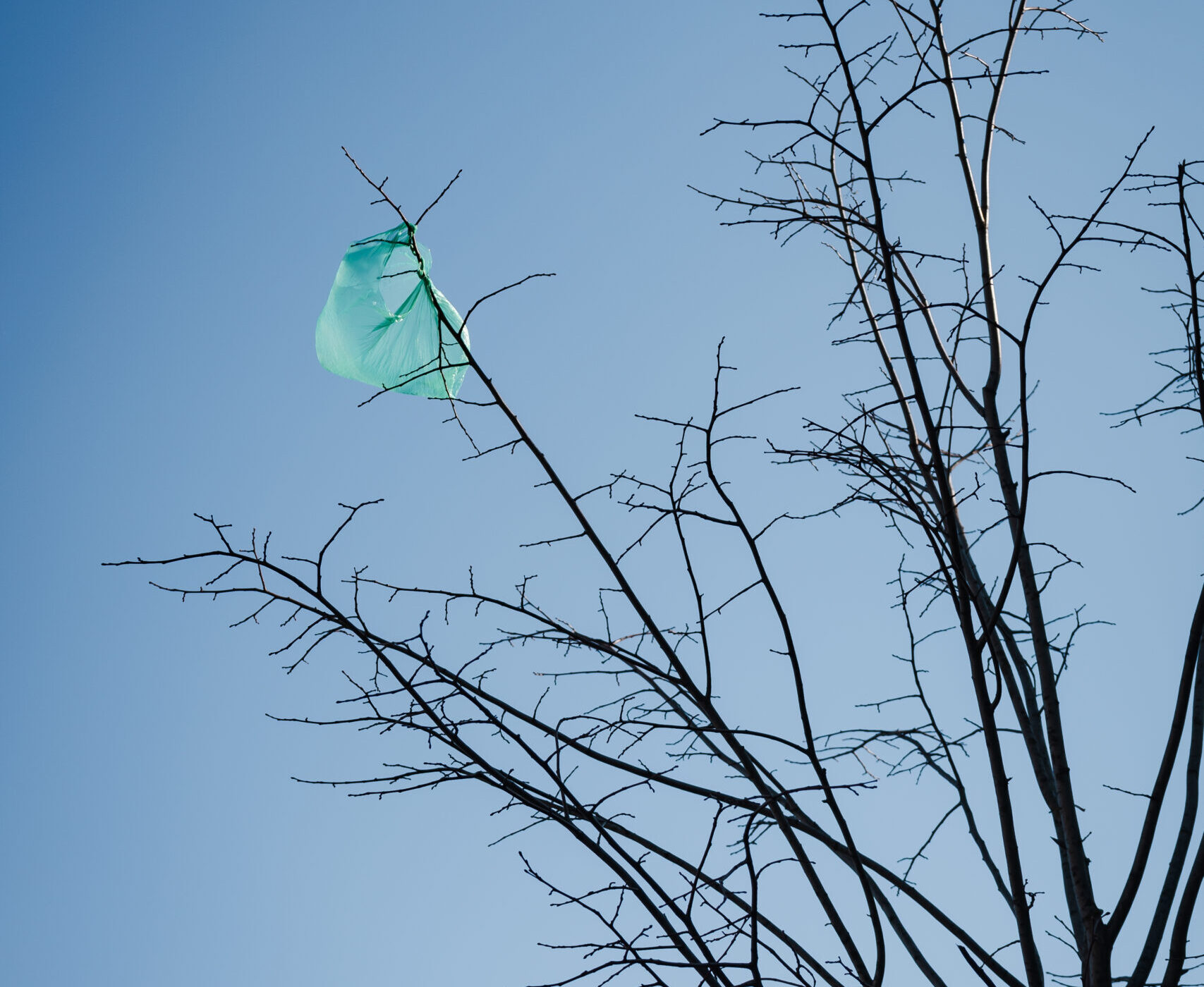
Preserving an island, or any destination, rarely begins with grand gestures. It begins with small, repeated decisions. It looks like declining daily linen changes during a three-night stay. Like turning off air-conditioning when leaving the room, even if electricity feels invisible. It means finishing what we order instead of treating abundance as entitlement. It means carrying a refillable bottle in a place where water is precious, even if filtered water is provided generously. It means asking politely where waste goes, where seafood is sourced, whether the experience we are buying has considered its footprint.
At home, the practice continues. The same mindfulness applied to travel can reshape daily life: buying less and choosing better, separating waste properly, supporting businesses that repair rather than replace, understanding that “sustainable” is not a label but a pattern of behavior. Tourism does not exist in isolation from our everyday consumption habits. The plastic that washes onto Bali’s shores is rarely born here alone.
Hospitality often mirrors demand. If guests reward excess, excess expands. If guests value restraint, transparency, and integrity, the market adjusts. Every booking, every purchase, every review quietly signals what kind of industry we want to grow.
None of us will live perfectly. The goal is not purity. It is awareness. To travel – and to live – with awareness is to understand that paradise is not a backdrop; it is a living system. And systems respond to pressure. If green is a responsibility, then mindfulness is its daily practice.