
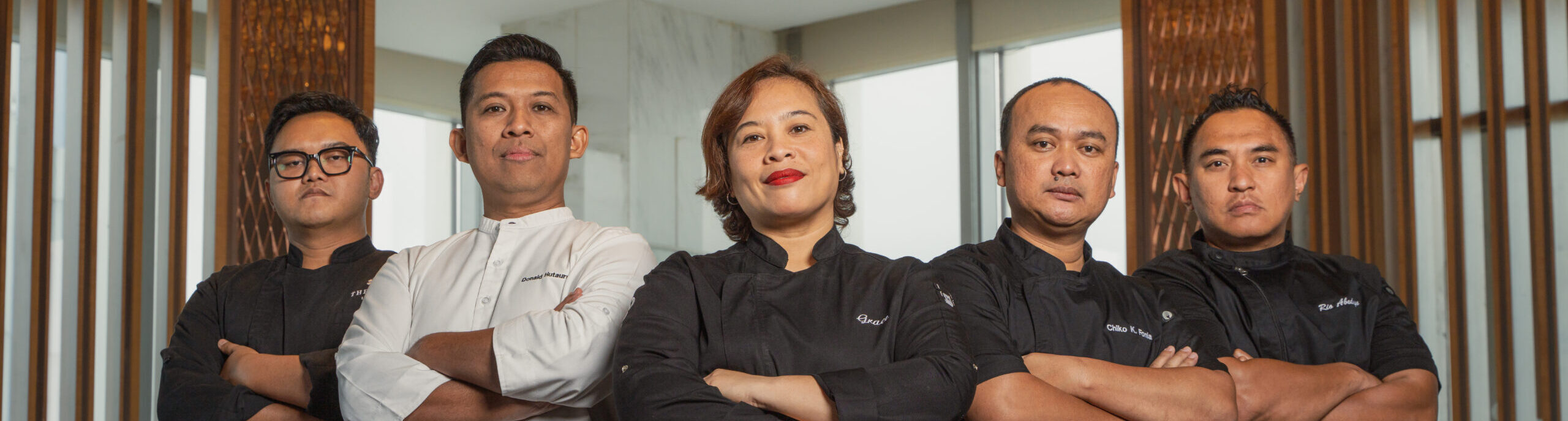

Across Indonesia, food has long carried stories of place, memory, and tradition. With Loka Rasa 2026, Marriott Bonvoy brings these stories to life in its kitchens, as chefs across the archipelago reinterpret heritage dishes.

Food in Indonesia often carries a sense of familiarity long before it is served. The scent of coconut milk simmering slowly, the sharp heat of sambal, or the faint smokiness of banana leaves can signal where a dish comes from even before the first bite.
The table
Within hotel dining rooms, this language is explored anew. Recipes that once belonged to homes, markets, or roadside stalls are now interpreted in professional kitchens, where technique and presentation shift while the core remains recognisable.
The programme runs from April 2026 to March 2027 and features 10 dishes prepared by five chefs from different regions. The name draws from two Sanskrit words, loka and rasa, which translate loosely to world and taste. Rather than focusing on a single cuisine, the campaign spans regions, offering a range of dishes that many diners may already recognise, albeit in different settings.
What shapes the experience is not only the selection itself, but the way each chef approaches it. These are not presented as fixed recipes.

The menu
At Courtyard by Marriott Bali Seminyak Resort, Chef Donald Hutauruk focuses on Se’i Sapi, a smoked beef dish associated with eastern Indonesia. The preparation is time-consuming; the meat is cured before being slowly smoked until the aroma deepens. The flavour builds gradually, with a balance of spice and wood that lingers. Alongside it, Serabi Solo offers a softer contrast. Made from rice flour and coconut milk, the pancakes are lightly crisp on the edges and slightly dense at the centre, finished with palm sugar that adds a gentle sweetness.
From JW Marriott Hotel Surabaya, Chef Rio Abednego presents dishes rooted in East Javanese cooking. His Pecel Pincuk combines blanched vegetables and peanut sauce, where tamarind and palm sugar impart a layered taste, shifting between sweet and sharp. Served on folded banana leaves, the presentation retains a sense of its original setting. Nasi Bakar follows a similar approach, the rice wrapped and grilled until the leaf chars slightly.
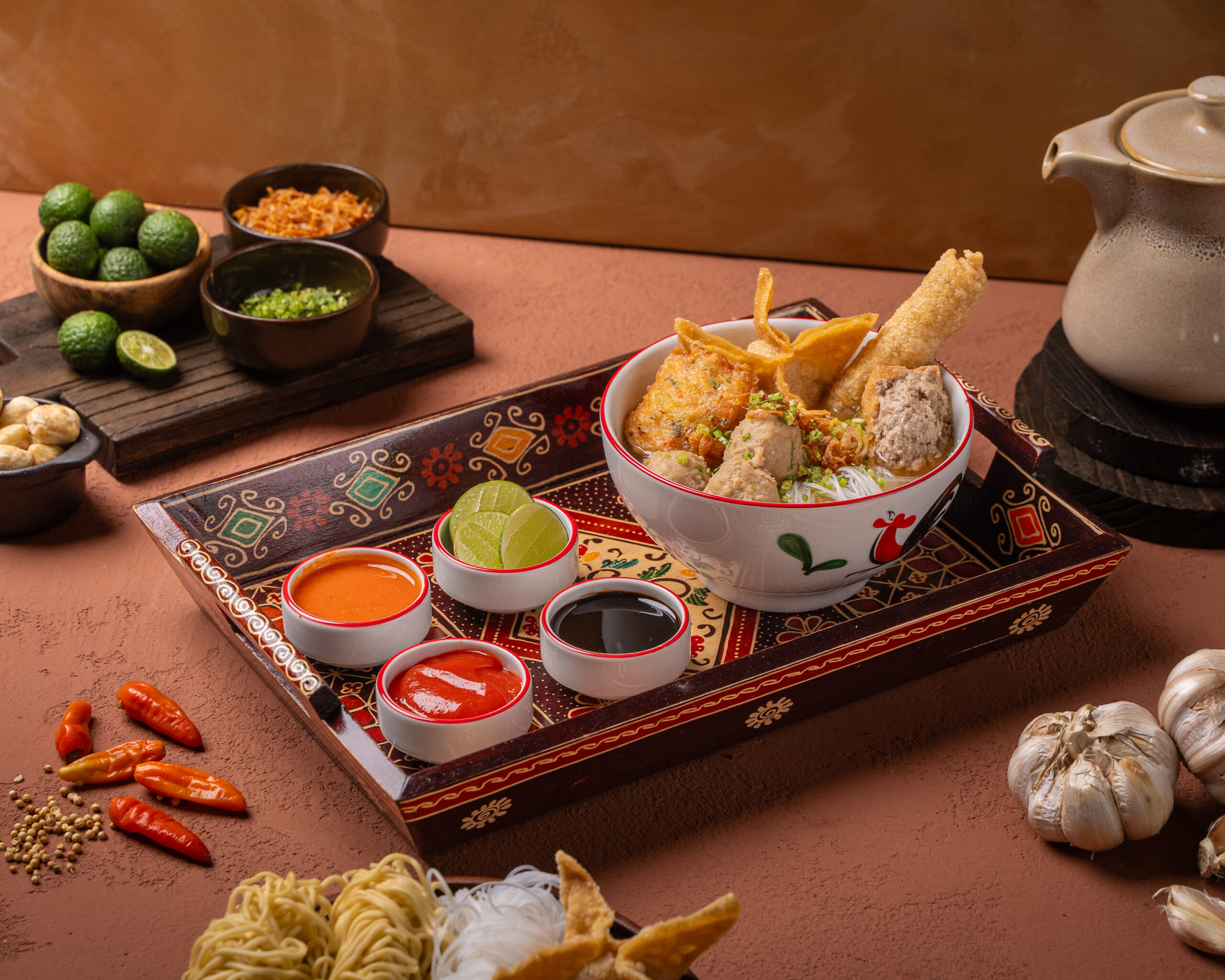
In Jakarta, Chef Chiko Fonia from The Westin Jakarta turns to street food references. His Bakwan and Bakso Malang, features widely familiar textures. The broth is clear, the meatballs springy, and the fritters add a crisp element to the dish. Sayur Lodeh, prepared alongside it, is a more slowly prepared dish. Coconut milk forms the base, with galangal and fermented soybean adding depth.
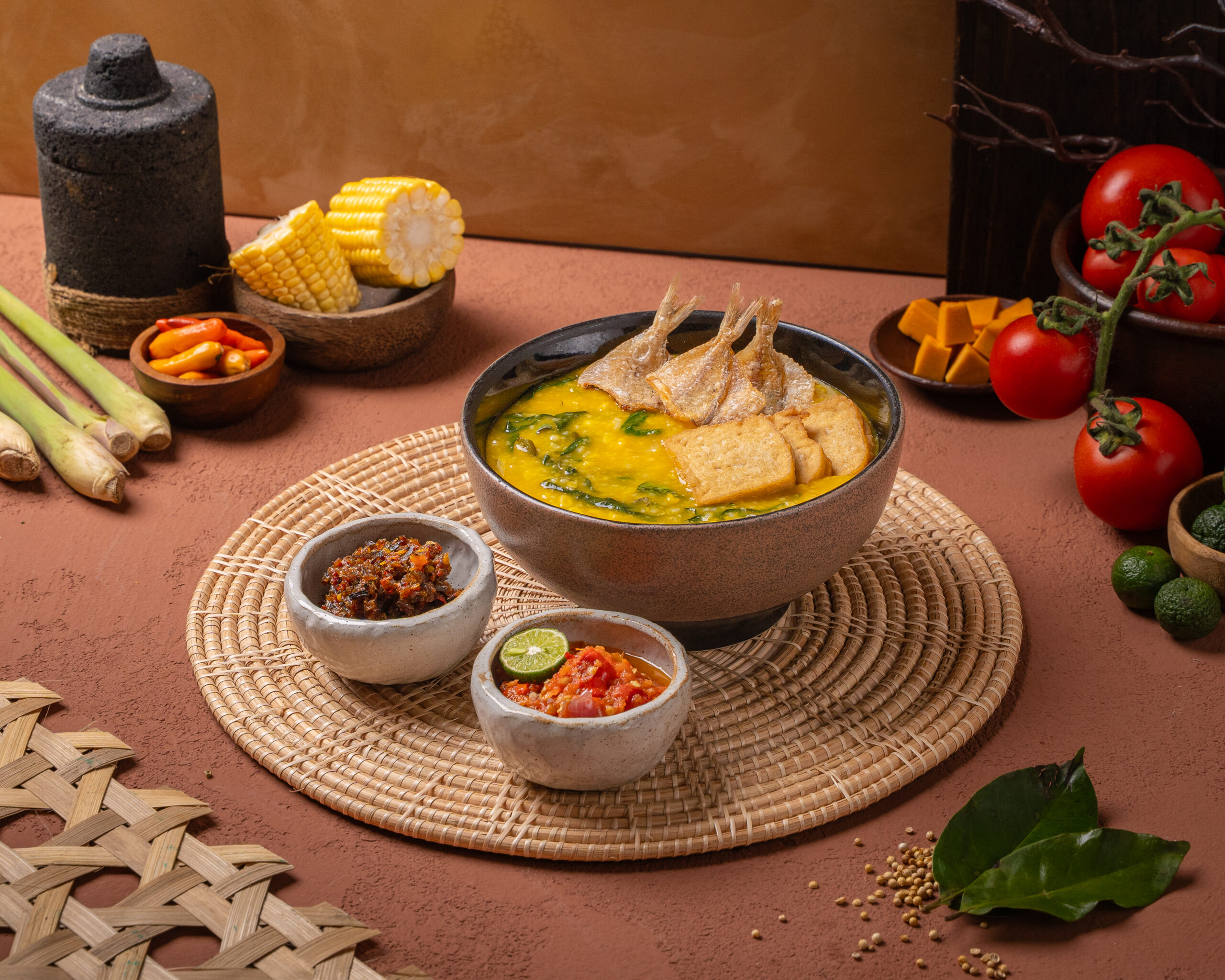
From Four Points by Sheraton Makassar, Chef Grace Natalia C. Titaheluw crafts dishes that highlight variations in texture. Bubur Manado, often described as porridge, is reinterpreted here as a more substantial mixed dish, combining rice, vegetables, and herbs. For dessert, Es Pisang Ijo offers a refreshing contrast. Bananas are wrapped in green rice flour dough, then served with coconut milk and pandan syrup.
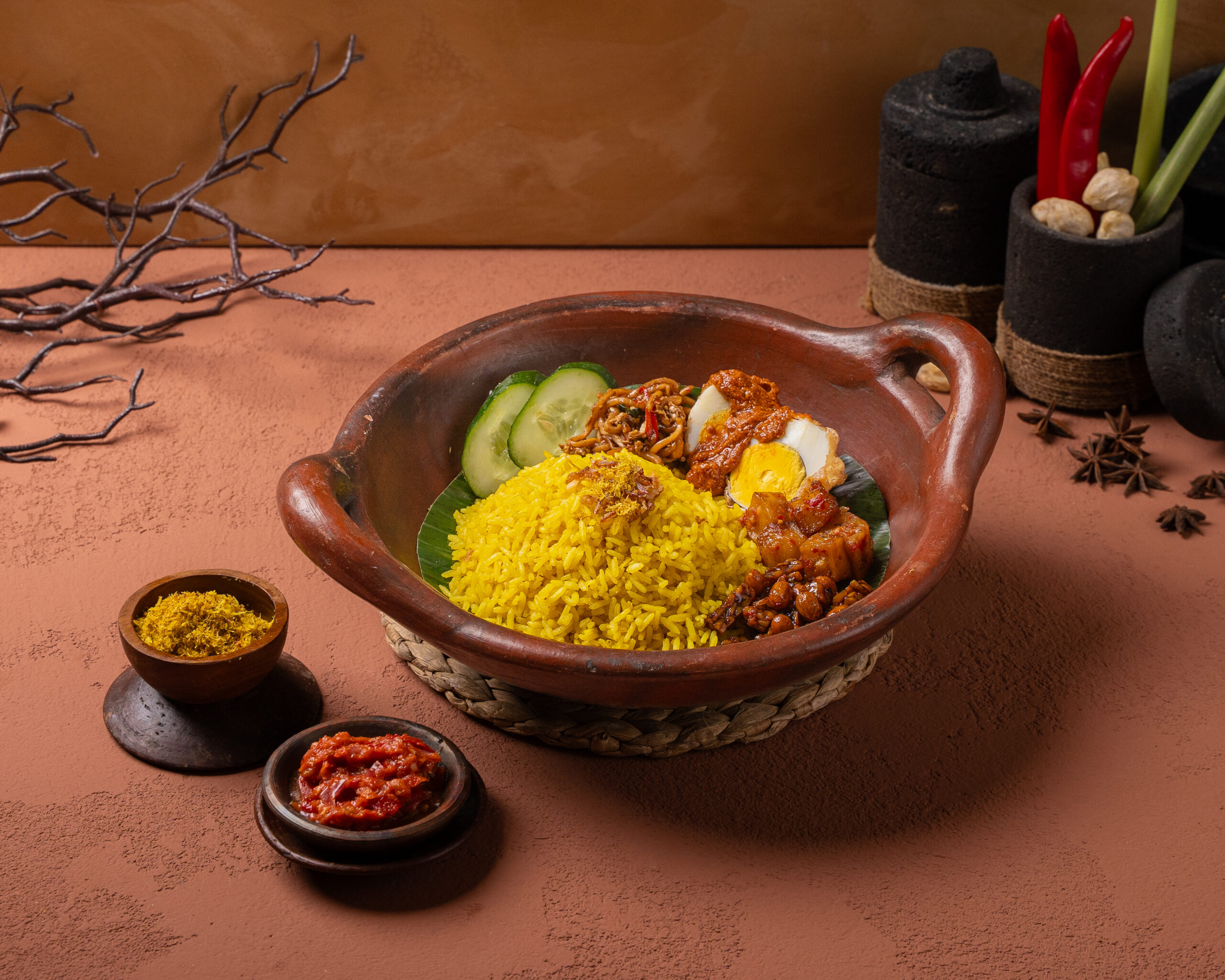
At The Sira, a Luxury Collection Resort & Spa, Lombok, Chef Adi Safardian Mulyana presents Ayam Taliwang, a dish defined by its seasoning. The chicken is marinated in chilli, garlic, shrimp paste, and lime before being grilled. Its surface caramelises during cooking, creating a layer that carries both heat and a subtle sweetness. Alongside it, Nasi Kuning offers a contrasting character. The rice, coloured with turmeric and cooked in coconut milk, is often associated with gatherings.
The reservation
Across these dishes, there is a clear shift in context. Food typically eaten in informal settings is presented within a structured dining environment. Portions are adjusted, plating becomes more deliberate, and flavours are sometimes refined.
Menus rotate throughout the campaign, appearing in various restaurants and dining formats across participating properties. This creates a sense of variation over time, allowing guests to encounter different regional dishes depending on when and where they dine.
There is also a broader shift reflected in programmes like this. As Indonesian cuisine becomes more visible in formal dining spaces, its presentation continues to evolve.
The savoir-faire
For diners, the experience sits somewhere between recognition and adjustment. A familiar dish may arrive with subtle changes in texture or intensity. Some elements may feel closer to memory, while others reflect the kitchen’s own direction.
Loka Rasa 2026 does not attempt to define Indonesian cuisine through a single, monolithic view. Instead, it presents a curated selection, shaped by the hands that prepare it and the spaces where it is served. Each dish carries its own reference, drawn from different regions and culinary traditions.
For more information, visit marriott.com.