

Restaurant San in Seoul has captured Asia’s attention thanks to Chef Jo Seung-hyun who builds a well-thoughout-out personal vision of modern Korean cuisine.
Barely a year after opening in 2024, Restaurant San, located in Seoul’s Gangnam district, has already been singled out by Asia’s 50 Best Restaurants 2026 with its One to Watch Award. The 2026 awards ceremony was held in Hong Kong in March, and this distinction is reserved for kitchens that are poised to shape the future.
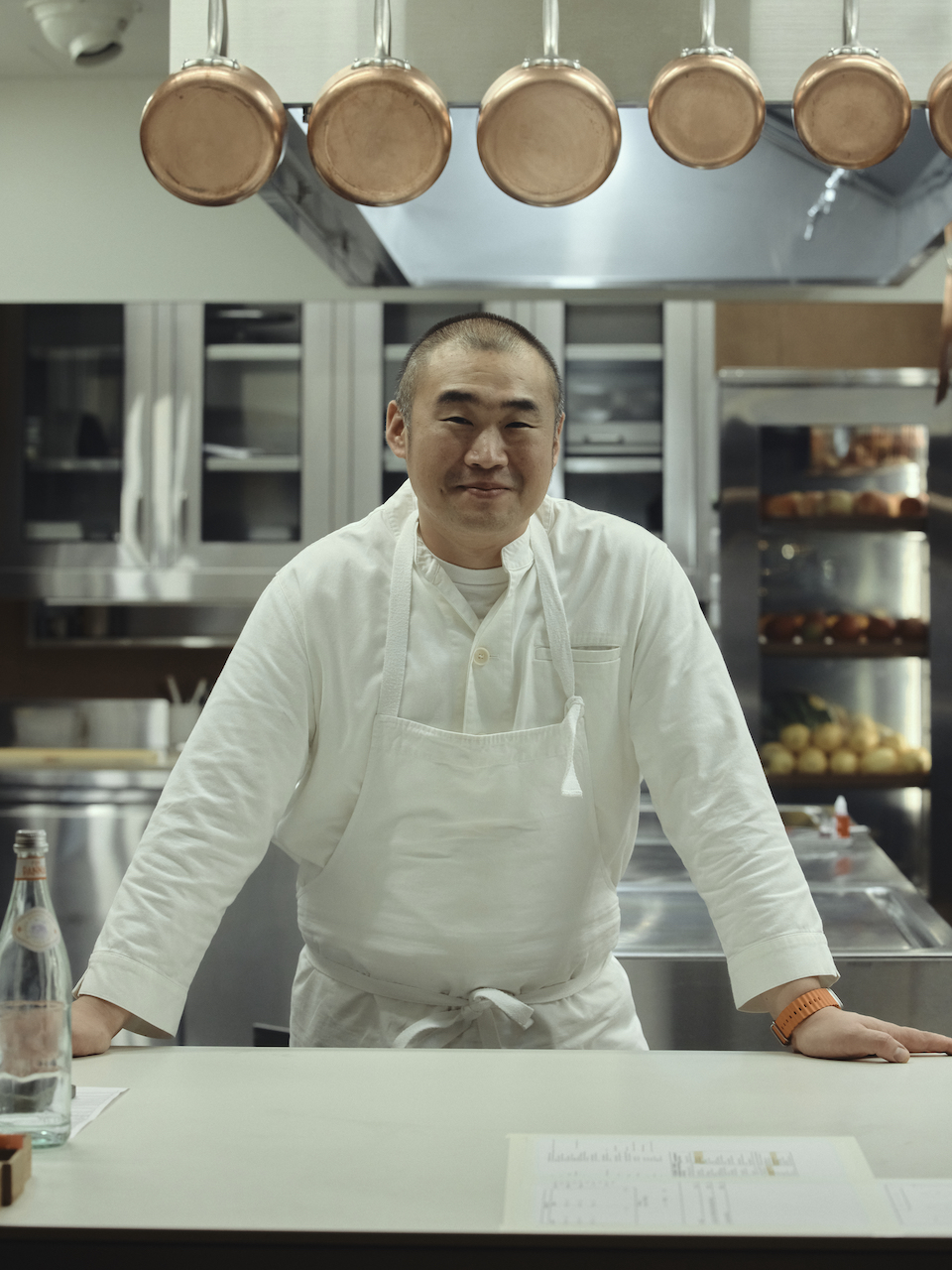
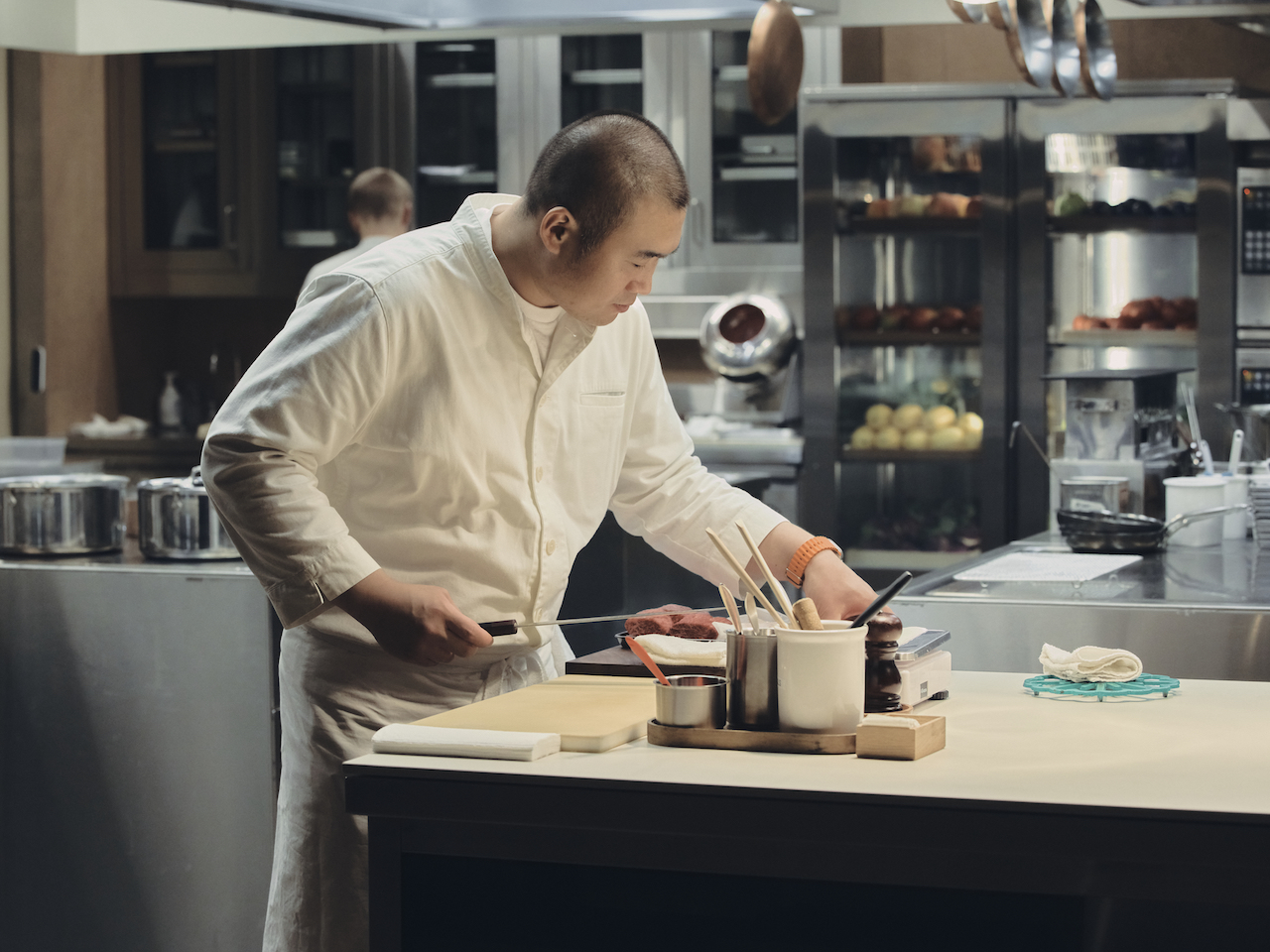
Chef-owner Jo Seung-hyun’s path is defined by disciplined patience. He spent nearly a decade abroad, refining his craft in some of the world’s top kitchens, including The French Laundry in Napa Valley and Geranium in Copenhagen. Jo was chef de cuisine for eight years at Chef Corey Lee’s Benu in San Francisco.
Those years were not just formative, but necessary. When Jo first left South Korea, he admits, the fine dining landscape at home was not yet ready to support the kind of restaurant he envisioned. That has since changed. Seoul’s dining scene has evolved significantly, shaped in part by a generation of chefs who, like Jo, were professionally trained overseas.
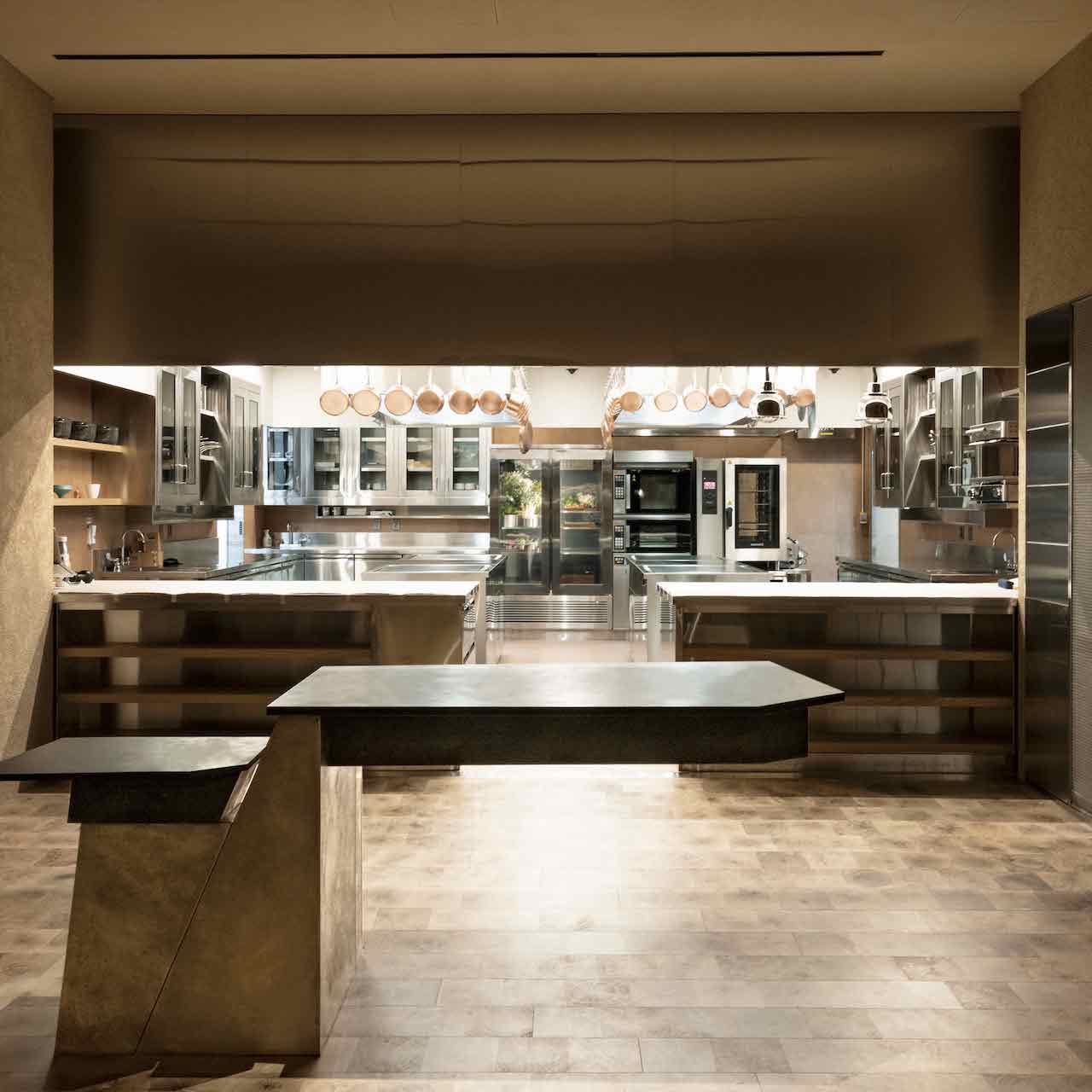
“Returning to my home country with all the experiences I had gained would allow me to look at Korean cuisine from a completely different perspective than I had when I was younger,” he says.
The cuisine at San is often described as French-influenced modern Korean, but the phrase only hints at the nuance on the plate. “French and Korean cuisines are very different culturally, but there are actually many more points of connection than people might expect,” says the chef. His approach is to respect the integrity of Korean ingredients while applying what he considers more precise or refined French culinary techniques. “When these elements come together in the right way, they can create something even more complete and expressive,” he adds.
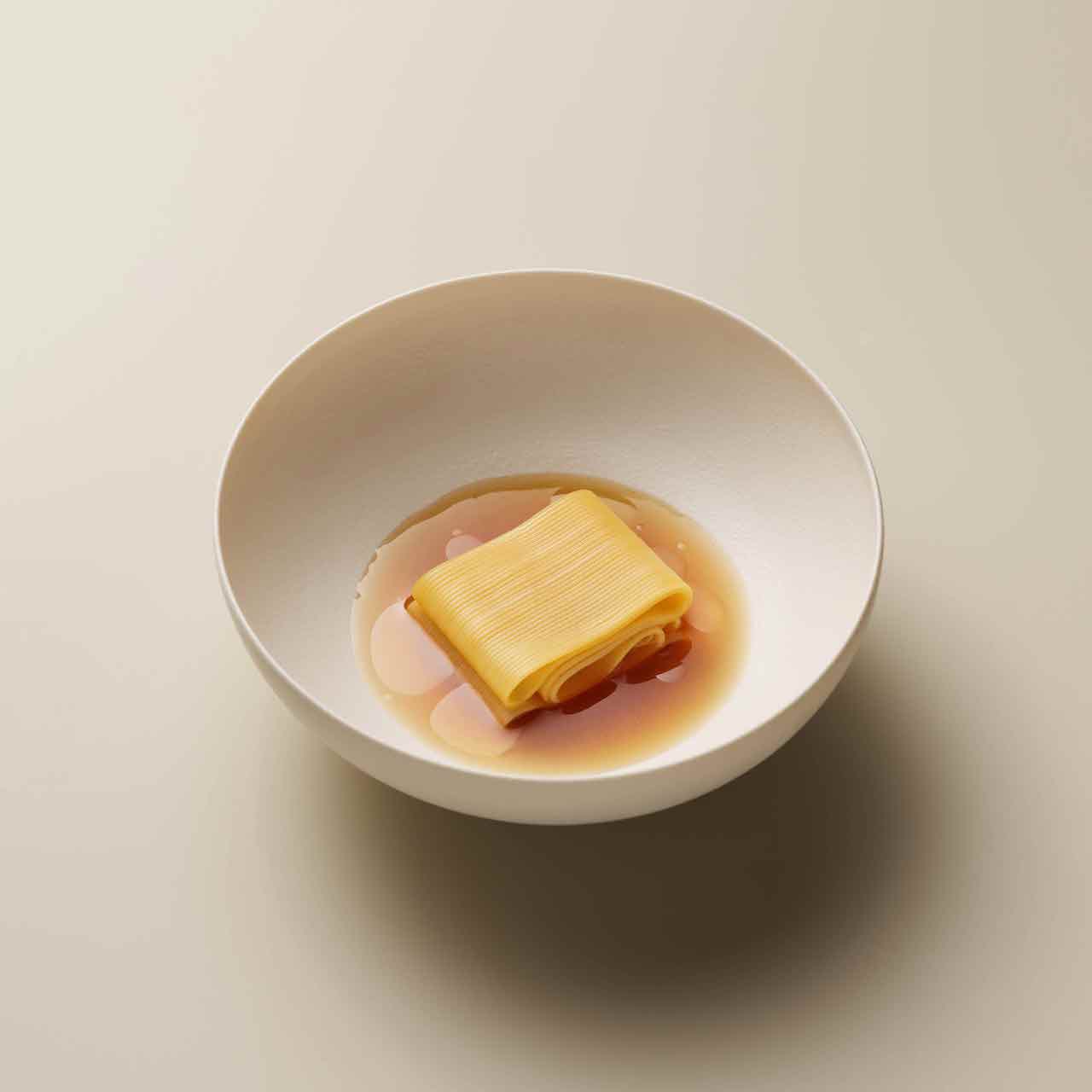
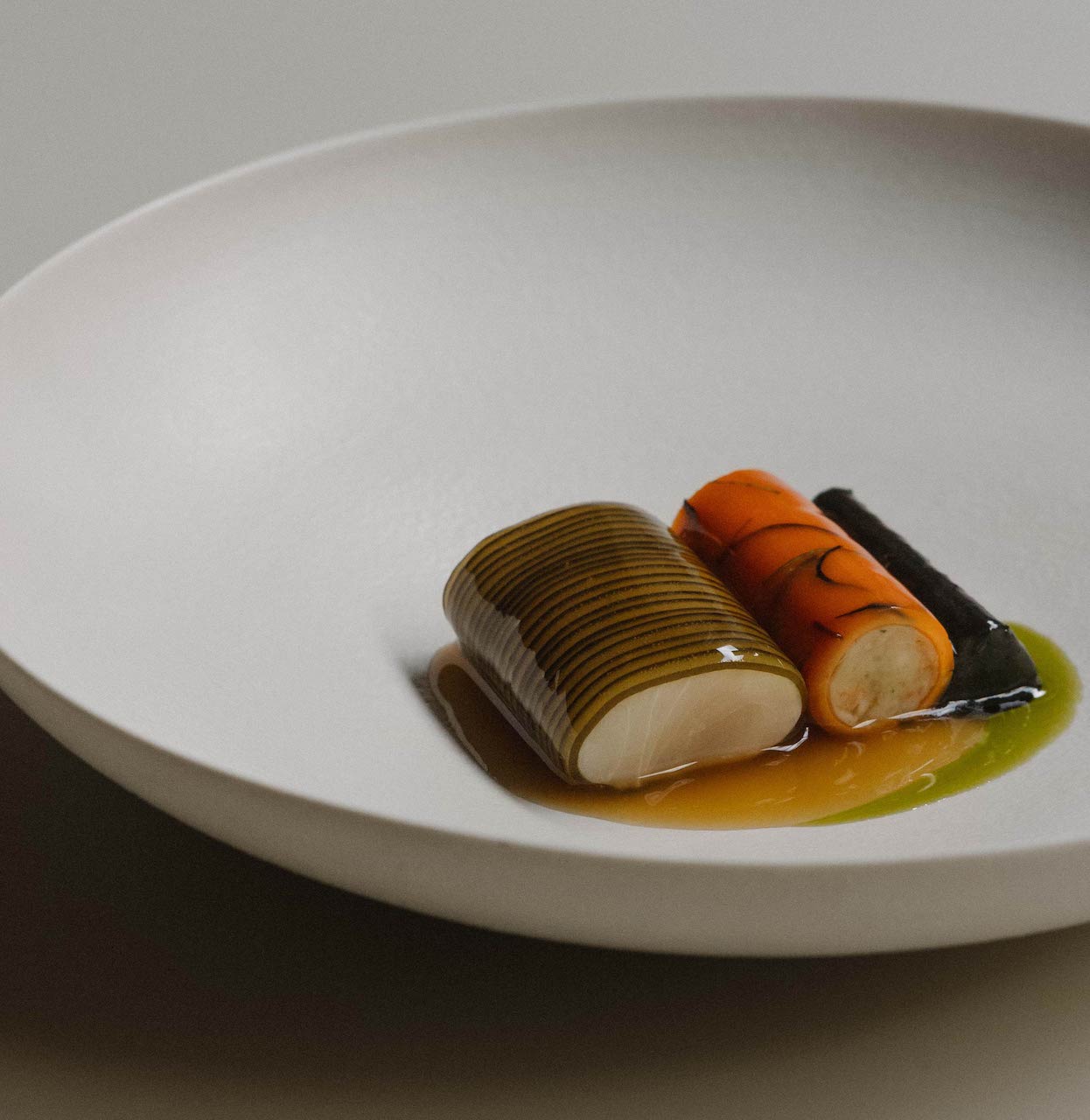
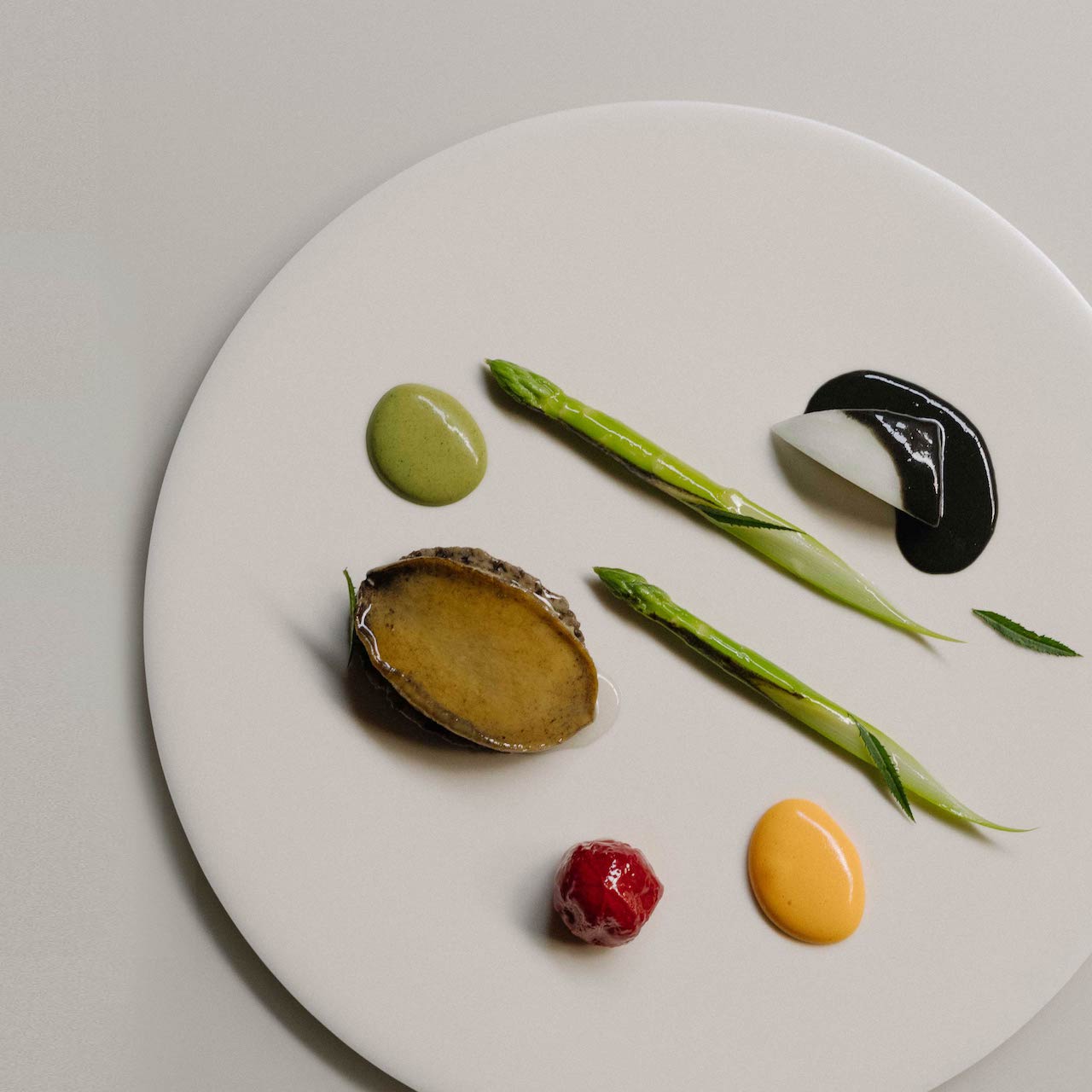
On the plate, that philosophy reveals itself with flair. A dish of prawn is paired with a concentrated shrimp-gochujang, its intensity drawn from broth extracted from prawn heads. A reinterpretation of ojingeo sukhoe presents delicately prepared spear squid with squid-ink chojang. Drawing from his childhood memories in Busan, the chef’s version of dwaeji-gukbap (pork soup traditionally served with salted shrimp), is elevated with caviar, balancing familiarity with finesse.
What anchors the menu is not technique alone, but a personal reference point. Jo draws from the food of his upbringing, translating it into a more refined, contemporary context.
“Memory and nostalgia are extremely important in my cooking. Dishes that come from my own experiences and personal connections naturally become more unique and distinctive. I often take very humble dishes that I grew up eating and reinterpret them using high-quality ingredients and refined techniques. By doing so, I want to show that even the simplest, most ordinary food can be elevated into something refined and meaningful. These ideas often become the foundation for my tasting menu.”
Opening a restaurant is always an exercise in balancing creativity with structure. “The biggest challenge was building a strong fundamental foundation. From the very beginning, I believed that the restaurant had to be done properly, with close attention to all the basics. There were so many things that needed to be in place to create what I consider a ‘proper’ restaurant.”
Jo continues, “Creativity and cooking can only expand fully when that foundation is solid. Enduring that process required a lot of patience, and it was a very difficult period. But once we moved past it, we were able to grow quickly.”
The One to Watch award positions San within a lineage of restaurants that have gone on to shape the regional dining conversation. For instance, August in Jakarta which received the accolade in 2023, and Farmlore in Bengaluru which won it last year.
And Jo’s response to this attention? “I believe in living up to expectations. We received recognition and awards much faster than I had anticipated, and while that does come with pressure, I feel more excitement than burden about what lies ahead,” he shares.
“As a team, we set very high expectations for ourselves and approach each day with that mindset. I believe we will continue to grow steadily over time. We have a clear goal, and as a leader, I try not to rush the process but to guide the team in the right direction,” he adds.
That sense of steady progression mirrors the trajectory of Seoul itself as a dining destination. The city is now drawing sustained international attention.
“More chefs are now returning to Korea after receiving high-level training abroad. While there will always be those who continue to preserve traditional Korean cuisine, I believe our generation will continue to create new interpretations of Korean food that reflect the present moment. This evolution will play a big role in shaping Seoul’s culinary identity in the years to come,” he says.
San sits squarely within this movement, though it does not attempt to define it outright. Jo’s ambition for the restaurant is not framed in terms of expansion or accolades, but in its culinary perspective.
“I hope that Restaurant San can become a truly distinctive place — something that can only be found in Korea, with a very clear identity. I want San to represent a new generation of Korean cuisine, and to continue developing its own unique character.”
In a city defined by momentum, Jo chooses precision over speed, proving that intention matters more than pace in fine dining.