

Capturing the essence of the island’s cuisine by balancing tradition, terroir, and time.
Text by: Amy Van | Photography: JW Marriott Jeju Resort & Spa
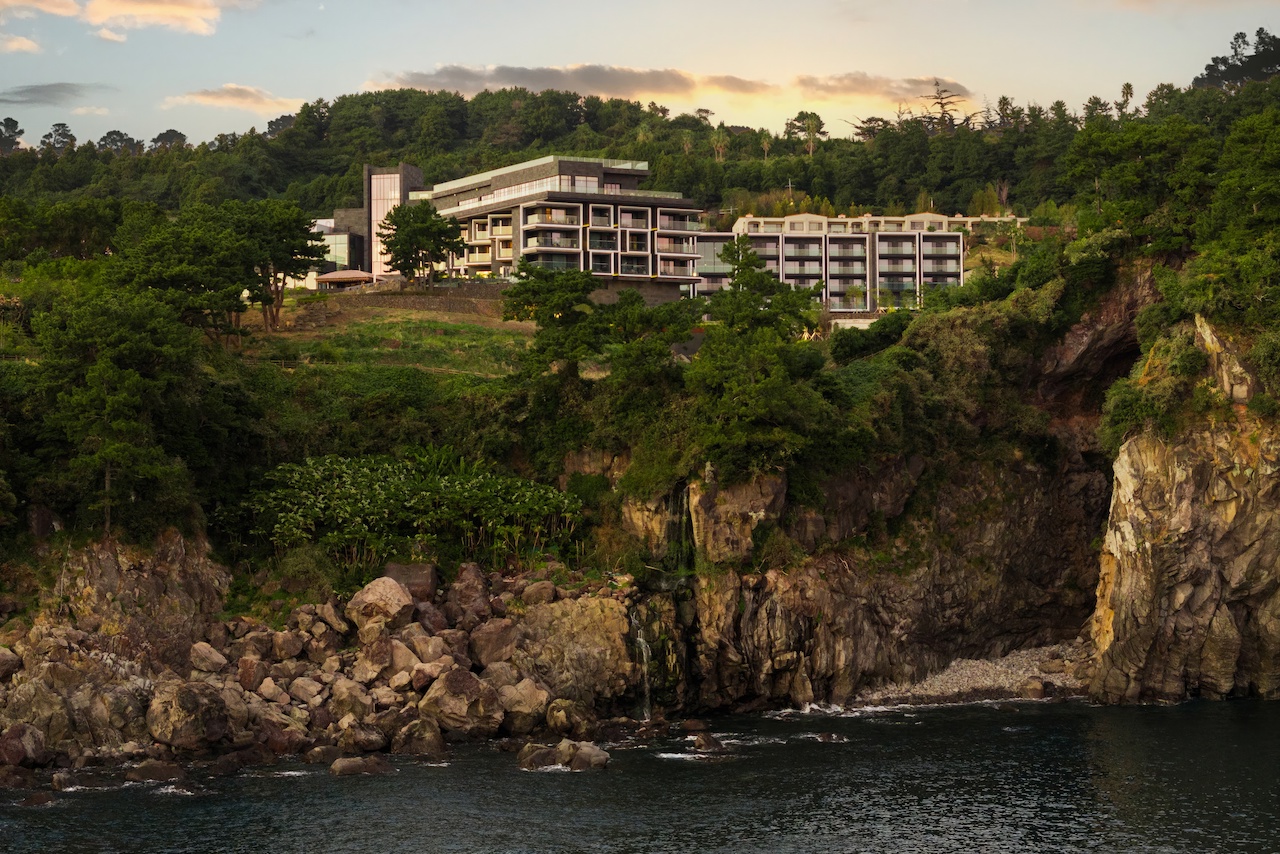
At the southern tip of South Korea, Jeju Island holds a culinary identity shaped by its volcanic landscape, the sea that surrounds it, and the legendary haenyeo (female divers) who have long harvested its depths. Its distinct ecosystem and self-sustaining food culture have long inspired chefs who seek authenticity through locality. That spirit took centre stage at the Luxury Dining Series hosted by JW Marriott Jeju Resort & Spa in July 2025, where a lineup of chefs and beverage experts explored the Forgotten Flavors theme. During the immersive three-day programme, the culinary team showcased Jeju’s evolving terroir and traditions through modern craftsmanship. Across three dining venues and five curated experiences, the event invited guests to taste seasonal seafood, premium hanwoo and liquor, heritage grains, and other local produce presented in contemporary form. Among the most evocative experiences was at Yeoumul, the resort’s hyperlocal dining venue led by Chef Daejin (Jin) Lee who’s made it his mission to preserve and reinterpret Jeju’s culinary heritage with meticulous sensibility.
Culinary ritual rooted in the sea
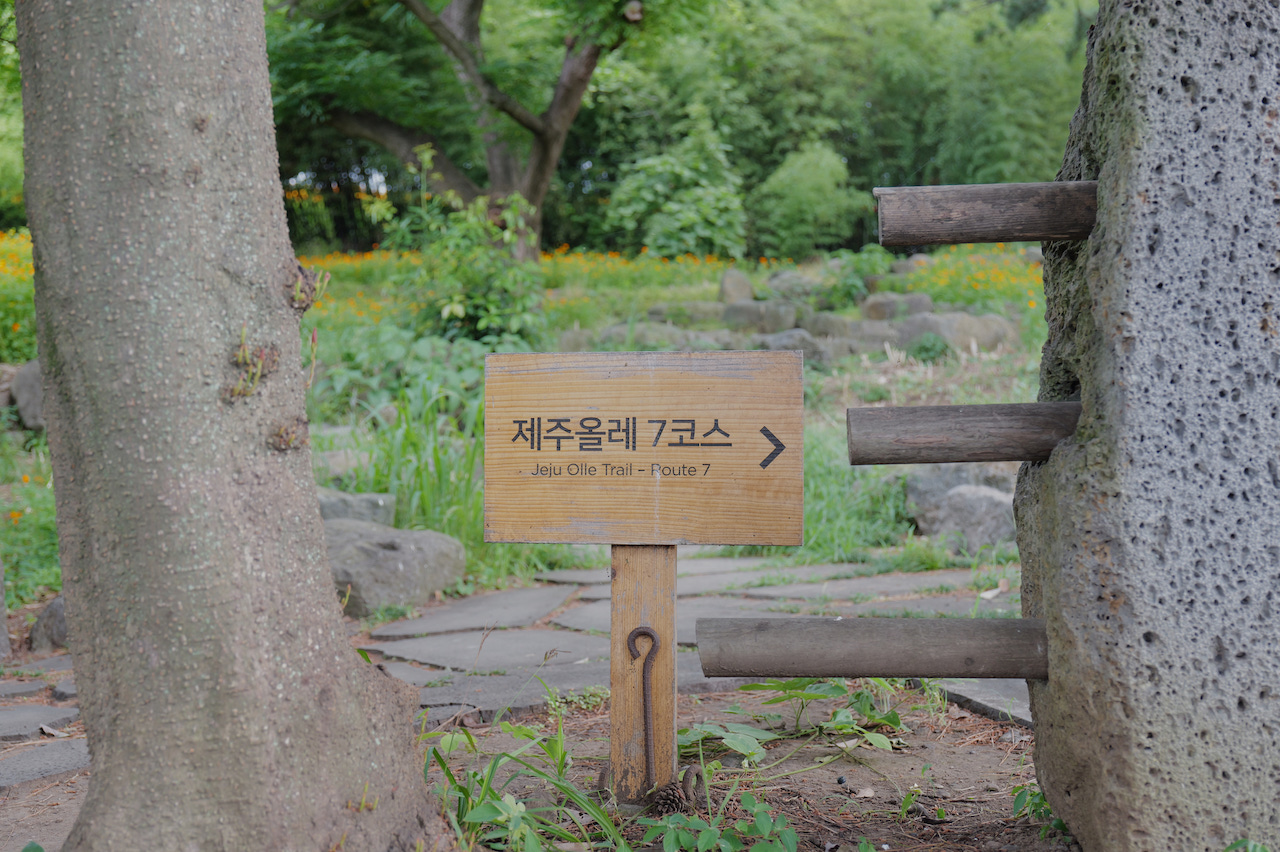
One of the morning sessions began, fittingly, at the shoreline. Guests were invited on a guided walk along the Jeju Olle Trail Route 7. Lined with tangerine-coloured cosmo blossoms, this footpath traces the same coastal route that many haenyeo divers often traverse.
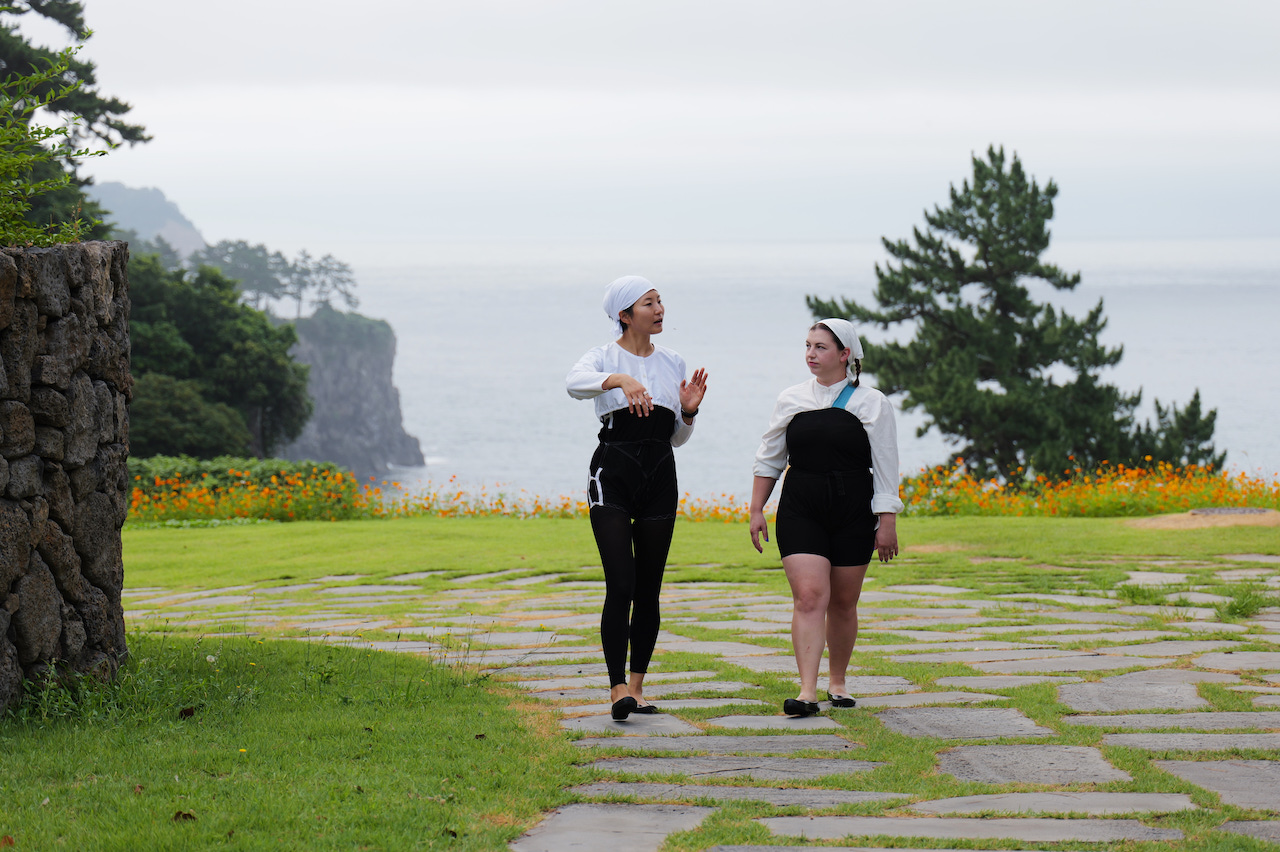
Leading the walk was haenyeo Jung-yoon Choi, a member of the Youngrak-ri Fisheries Cooperative, based in Youngrak Village. Jung-yoon, who studied in the US before returning home, and her diving partner, Kylie Genter, an American married to a Korean, represent a new generation of divers striving to preserve the haenyeo legacy.
Many of the older haenyeos, now in their 70s and 80s, have decided to hang up their boots (or in their case, buoys and baskets) after years of hardship. Today, passionate millennials like Jung-yoon and Kylie are trained through Jeju’s haenyeo schools with the aim to continue a lineage at risk of fading.
Along the way, they spoke candidly about their work and the sea’s shifting temperament. Their livelihoods are now precarious — affected by declining abalone stocks, overfishing, and warming waters that alter the very ecosystems they depend on.
“The income of haenyeo has dropped dramatically over the past decade,” says Jung-yoon. “The most valuable and prized catch is wild abalone, and while it was still possible to find some about 10 years ago, now it has become almost impossible to get them. During the entire diving season from October 2023 to May 2024, there were only four recorded cases of abalone being caught among all the haenyeo combined.”
She continues, “We now primarily rely on catching horned conch (ppul sora), which sells for about 5,000 KRW (SGD4.50) per kilogram. But since we need to catch six to eight conches just to make that amount, it’s not very profitable — and even horned conches are becoming less abundant.”
“As for sea urchins, they’re considered delicious in our village, but the quantity is so low that it’s not even worth harvesting them for sale, so we don’t harvest sea urchins at all. Because of this situation, the average annual income of a haenyeo is only about 2 to 4 million KRW (SGD1.8k to 3.6k),” she shares.
Her words lend gravity to the idyllic surroundings. What once sustained entire communities has become a near-luxury, and perhaps a fragile link to the past.
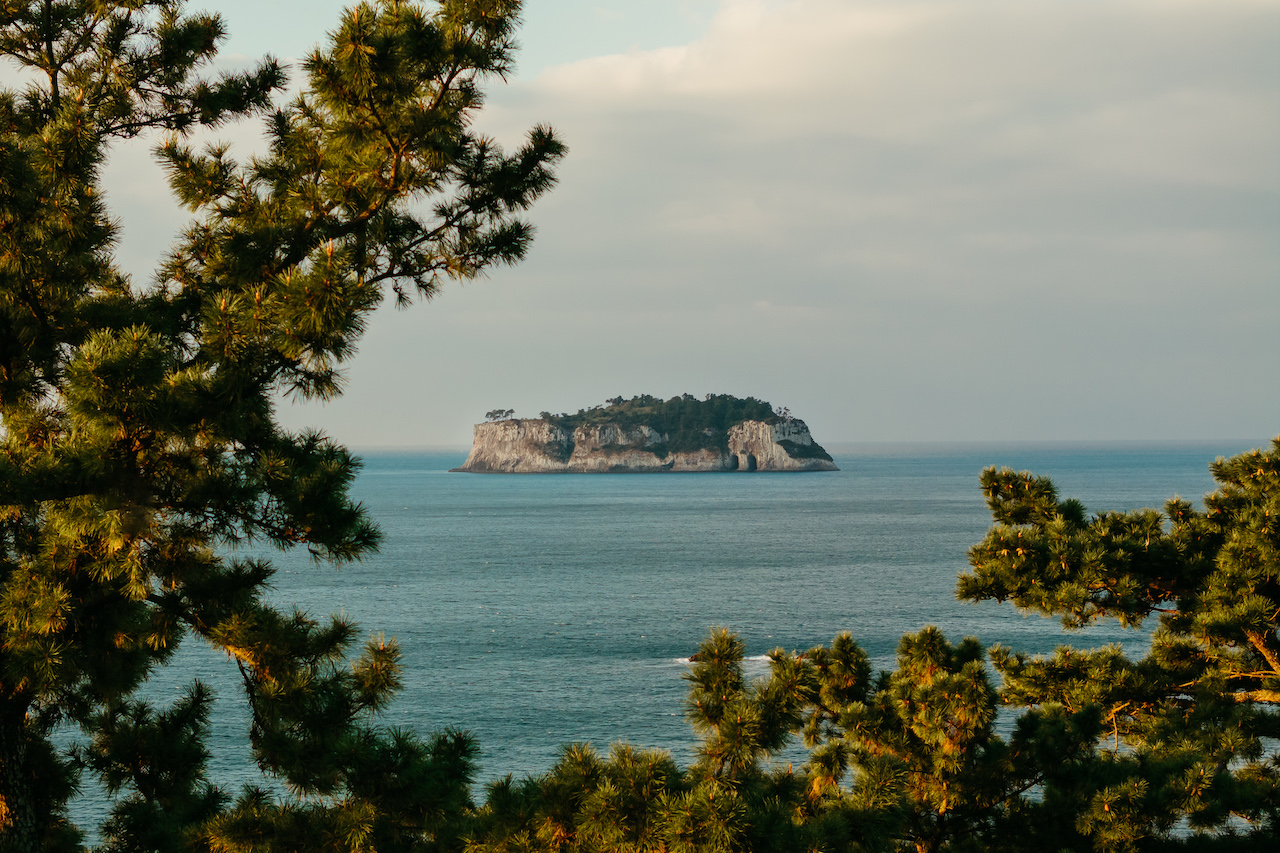
Jung-yoon believes environmental change is the biggest challenge. “Marine life no longer has a suitable environment to live and thrive, so the catch is declining… Sometimes I worry that in 10 years — maybe even five — haenyeos might disappear altogether.”
Still, she remains hopeful. Regulations have been evolving in ways that support their community. “But I believe more support is needed, especially for younger haenyeos to sustain themselves and continue this tradition.”
As we wound past volcanic outcrops and wind-carved coves, the divers spoke of solidarity. “Being a haenyeo is physically demanding, but that doesn’t mean we recklessly put ourselves in danger. We look out for one another’s safety and help each other continue diving as long as possible,” says Jung-yoon.
“The reality is not easy, but there’s something truly beautiful about the love and care within our community, the meditative quality of diving itself, and even the quiet satisfaction we feel when preparing and maintaining our tools. Those parts of the haenyeo life are deeply meaningful and precious,” she points out.
Honouring the sea’s rhythm and bounty
Back at Yeoumul, the morning culminated in a special “Sea Rituals: Haenyeo-Inspired Brunch” prepared by Chef Jin. Each guest received a miniature ‘charong’ or a traditional bamboo lunchbox.
The haenyeos use the large charong baskets to carry their catch, tools and food. Essentially, it’s a symbol of their work and connection to sea. Typically, their meals are very simple as the divers would either sell the best ingredients or save them for their children.
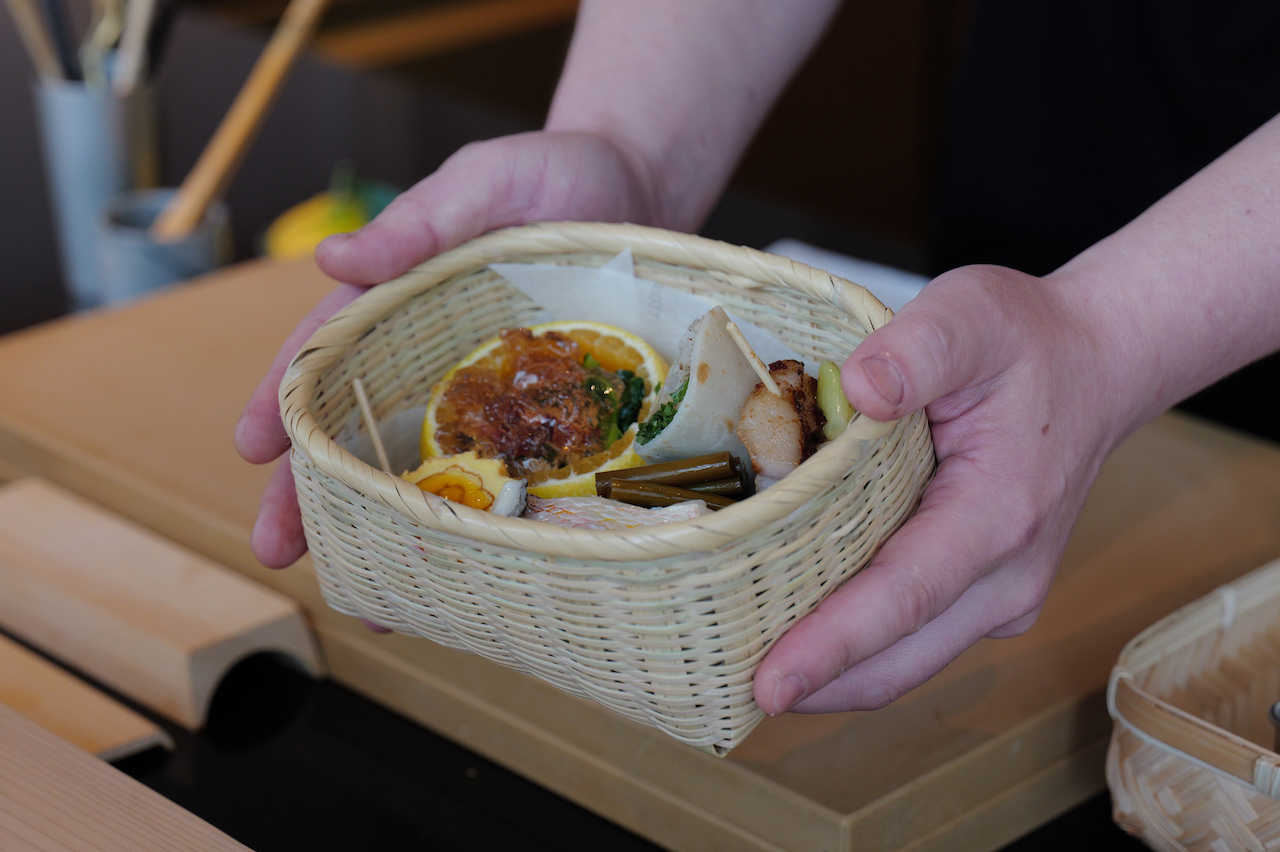
Here, we tucked into sea urchin, rice balls, black pork skewers, bingtteok (buckwheat crepes with filling), pickled bracken (fern), and more. This seasonal and rather decadent meal was an edible reflection of the haenyeo’s spirit: humble yet profound, born of necessity yet steeped in ritual.
Jin had the chance to engage closely with the haenyeo community while preparing his menus. He recalls: “Their relationship with the sea is remarkable; even when a colleague is injured or lost at sea, they often return the next day to continue their work. As an act of mourning, they sometimes leave part of that day’s catch at a deceased colleague’s home. Witnessing these gestures revealed the profound connection they maintain with both the sea and life itself.” He admires their perseverance, and says their survival-driven techniques and cultural practices have been a huge source of inspiration. “Incorporating the ingredients they harvest into our menu is our way of honouring their lives and sharing their stories with our guests.”
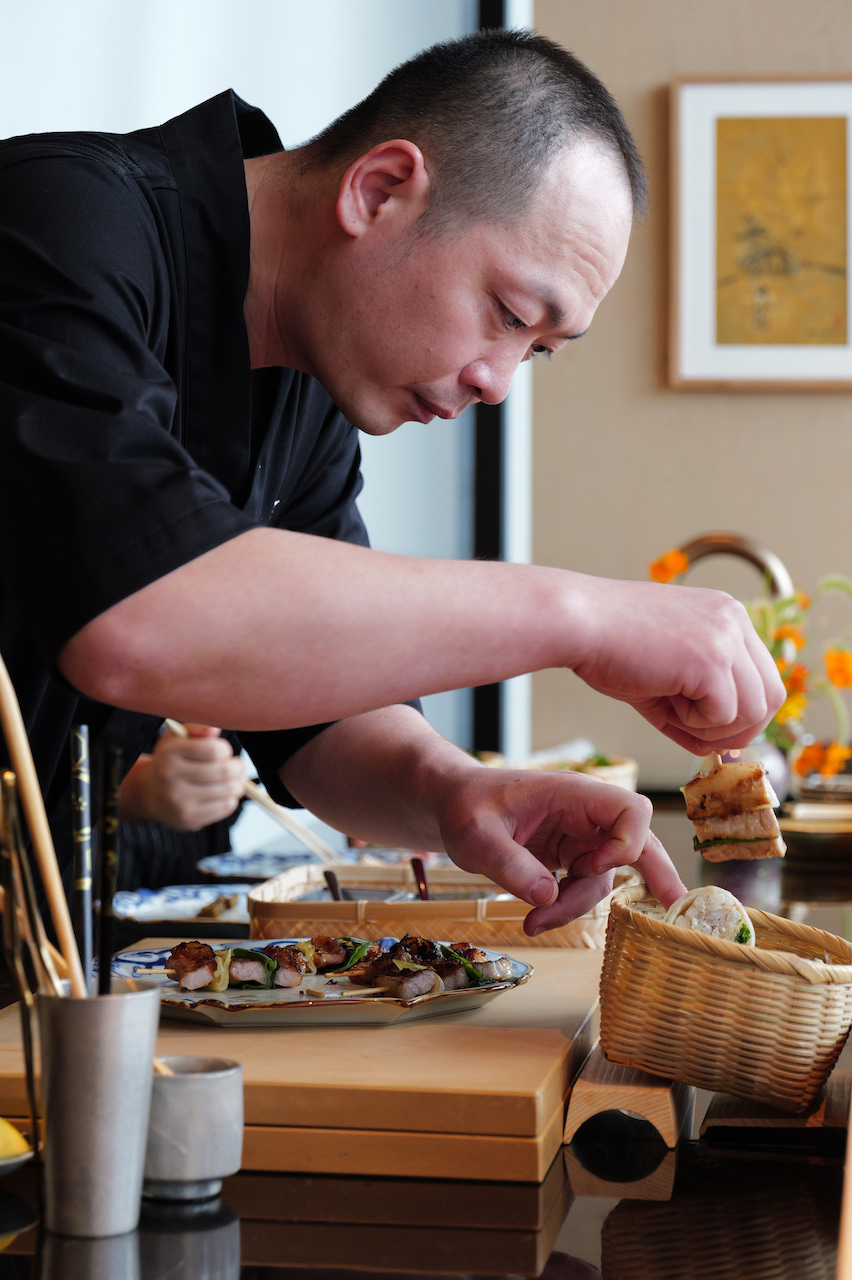
When it comes to sourcing for seafood, the chef works with multiple fishing communities across Jeju. “Each part of the sea offers distinct species, so we collaborate with communities that can provide the optimal catch for each period. For instance, in the southern Bomok region, chromis notata (spottedfin puller) is perfect for mulhoe (cold raw fish soup) or fermented preparations, whereas in the western Moseulpo region, the same fish is better suited for grilling due to its size and texture. Even within the same species, subtle differences emerge depending on where it is caught, so we tailor our cooking methods accordingly.”
The kaiseki connection
If brunch celebrated haenyeo resilience, dinner paid homage to Jeju’s unique terroir. The “Kaiseki on Yeoumul’s Table” was a cross-cultural collaboration between Chef Jin and guest chef Hirotaka Nakashima of The Ritz-Carlton Fukuoka. The duo crafted alternating courses inspired by Jeju’s summer bounty.
The courses read like poetry in motion. the chefs prepared Jeju tilefish paired with summer pine mushrooms and shiitake; and smoked stripejack wrapped with perilla leaves and enlivened with black garlic sauce. Chef Hirotaka showcased Jeju’s famed abalone, gently steamed for six hours until succulent, then served with a richly flavoured liver sauce and watercress. For the final savoury course, Jin presented slurp-worthy, slightly springy Jeju mugwort noodle with a stock made from local pheasant meat, and partnered with bonito flakes, Jeju watercress, radish and seaweed.
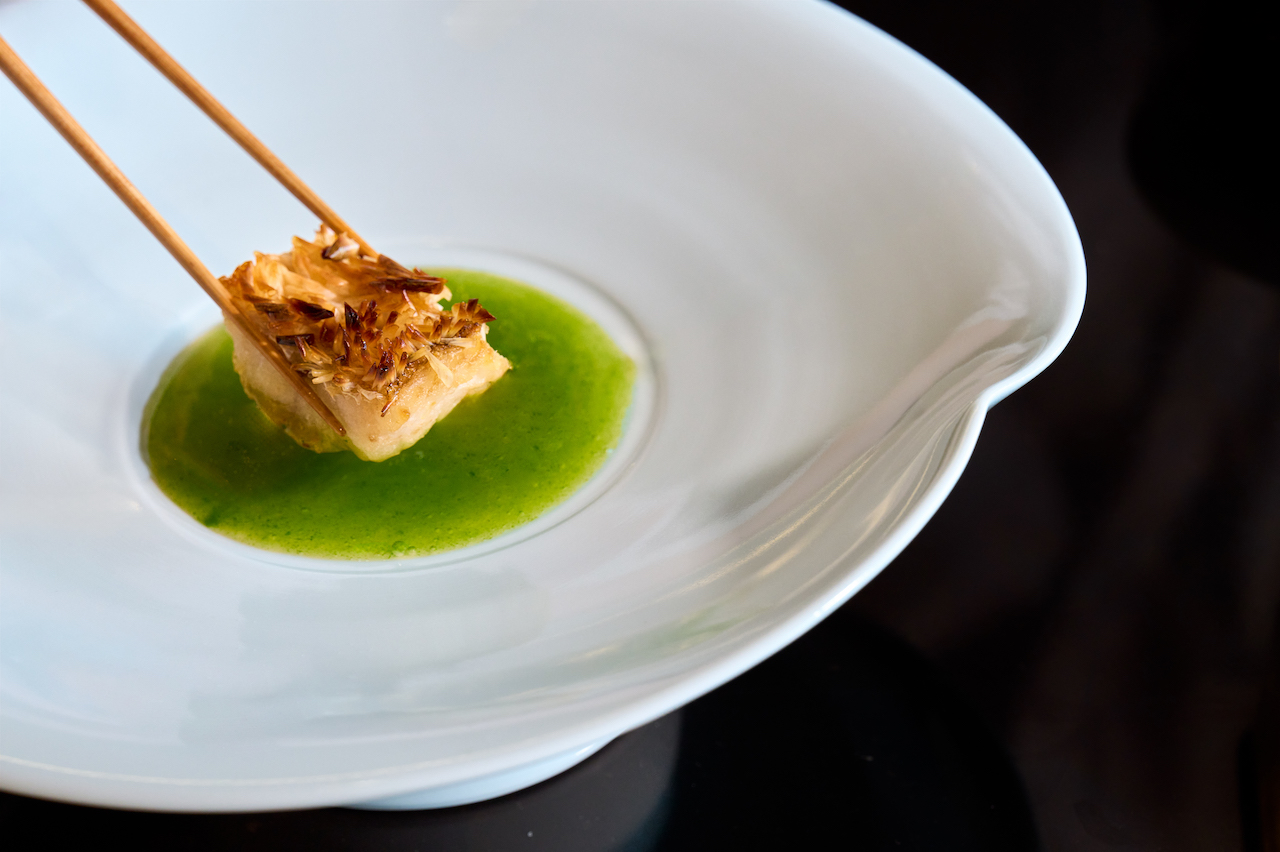
When asked why he chose Jeju pheasant for this dish, Jin says that the bird has long been a treasured resource on the island. “Due to Jeju’s isolated geography, access to protein was historically limited, and pheasants provided essential nutrition… We featured pheasant not only for its culinary qualities but also to share the island’s history and culture.”
“Life in Jeju and its traditional cooking methods are deeply intertwined,” he reflects. “Respecting tradition doesn’t mean simply repeating the past — it means interpreting and continuing it in a contemporary context.” He continues, “For instance, barley is more abundant than rice in Jeju. Traditionally, barley rice was fermented with nuruk, a Korean fermentation starter, to create a fizzy beverage, later used to make alcohol and vinegar, and eventually inspiring mulhoe, a cold raw fish dish. Building on these traditional methods, we now craft modern interpretations, such as a refreshing mulhoe sorbet made from barley rice.”
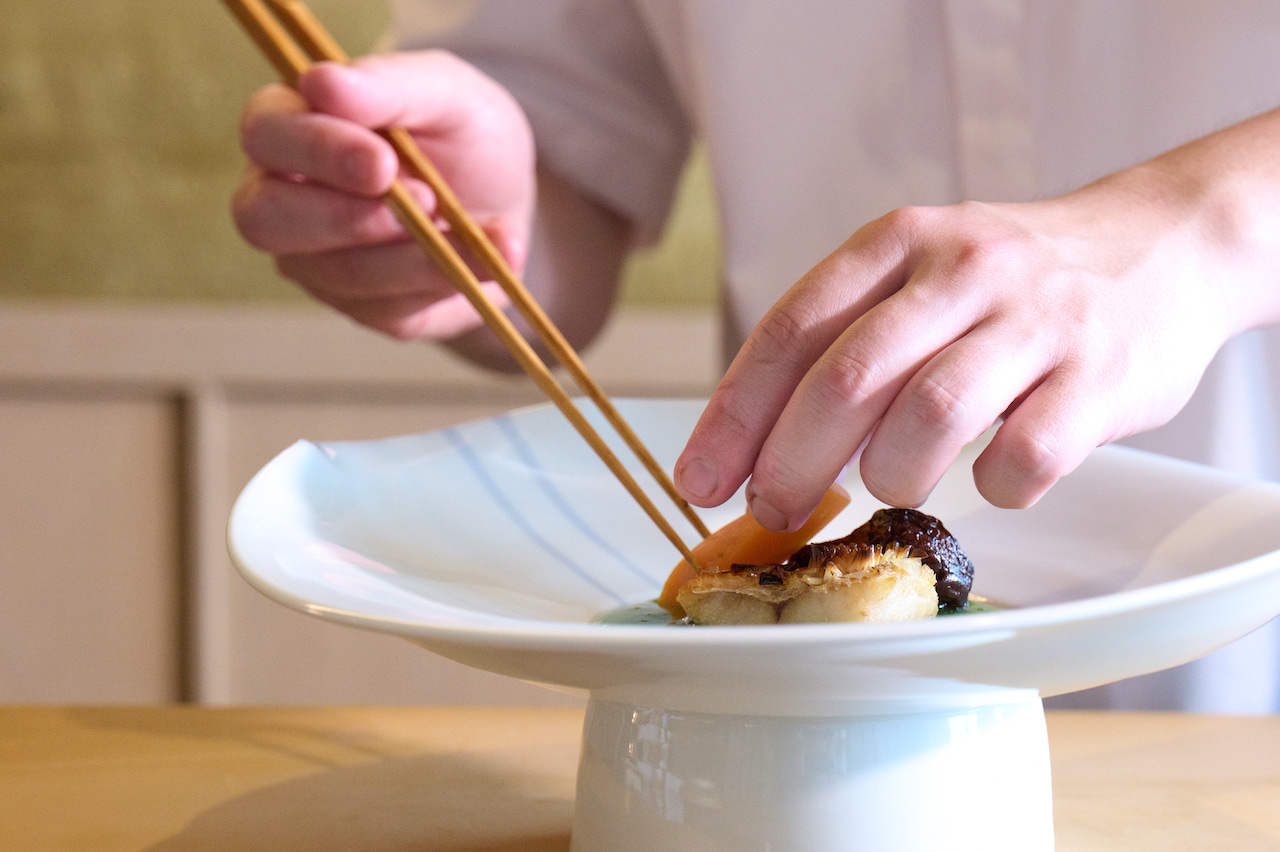
After experiencing the kaiseki meal, Jung Yoon Choi, chairman of the Nanro Foundation, which researches and preserves Korea’s food heritage, comments: “The Yeoumul dinner was a truly moving expression of Jeju’s soul.”
She adds, “Chef Jin interpreted Jeju’s nature and people, especially the haenyeo, with rare sincerity and precision. Each course told a story that connected land and sea, memory and modernity.” She particularly enjoyed the quiet strength in Jin’s cooking. “It wasn’t about luxury in appearance, but about a kind of beauty that comes from authenticity and respect for the local spirit.”
Choi, a trained chef who’s worked in Michelin-starred kitchens in Europe adds: “Jeju’s ingredients carry the energy of its volcanic soil, ocean winds, and clean air. The pheasant had a wild yet refined character, the mushrooms captured the forest’s damp aroma, and the fish reflected the island’s mineral-rich waters. Chef Jin allowed each ingredient to speak for itself. His restraint — never forcing flavours, only guiding them — made the dishes even more powerful.”
Provenance and sustainability
This commitment to narrative defines Yeoumul’s approach to sustainability too. While many chefs view provenance as a marketing badge, Chef Jin treats it as a moral imperative. “Rising sea temperatures in Jeju have reduced seaweed such as miyeok and gamtae, leading to a decline in wild abalone. While abalone remains an extraordinary ingredient, current supply challenges have led us to temporarily limit its use in order to prioritise sustainability. We continue to source small quantities directly from the haenyeos, who harvest them responsibly. This preserves the freshness and rich flavour of Jeju abalone while ensuring that this precious resource is not overexploited,” he shares.
Choi agrees: “Sustainability in Jeju is not a trend, but a continuation of tradition. The haenyeos have always practised mindful harvesting, taking only what the sea can give back.” She adds, “Now, that philosophy is being reinterpreted by a new generation of producers — selective seaweed harvesting, smaller fishing operations, and even experimental crops like mango and new citrus varieties.”
Beyond ocean catch, JW Marriott Jeju’s brigade of chefs also follows specific practices to minimise environmental impact while still celebrating the island’s terroir. “When planning menus, we first assess ingredient availability and then design dishes to align with the natural rhythm of the seasons. Excess ingredients are fermented or dried for long-term use, reducing waste and environmental impact,” says Jin.
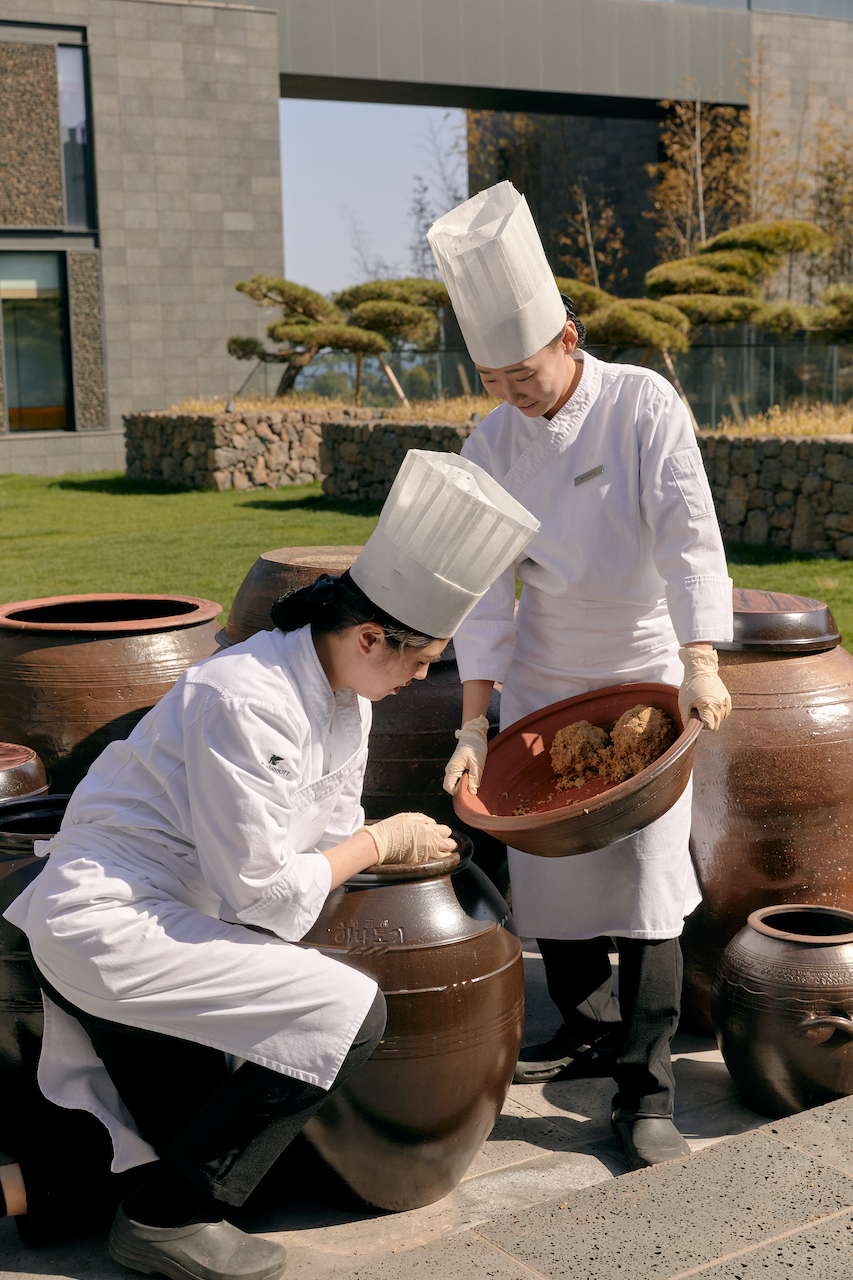
“For example, every March, our chefs use local green soybeans to make traditional fermented products such as bean paste, chilli paste, and soy sauce, which are then integrated into our menus. These practices allow us to work harmoniously with nature while preserving a sustainable food culture,” he adds.

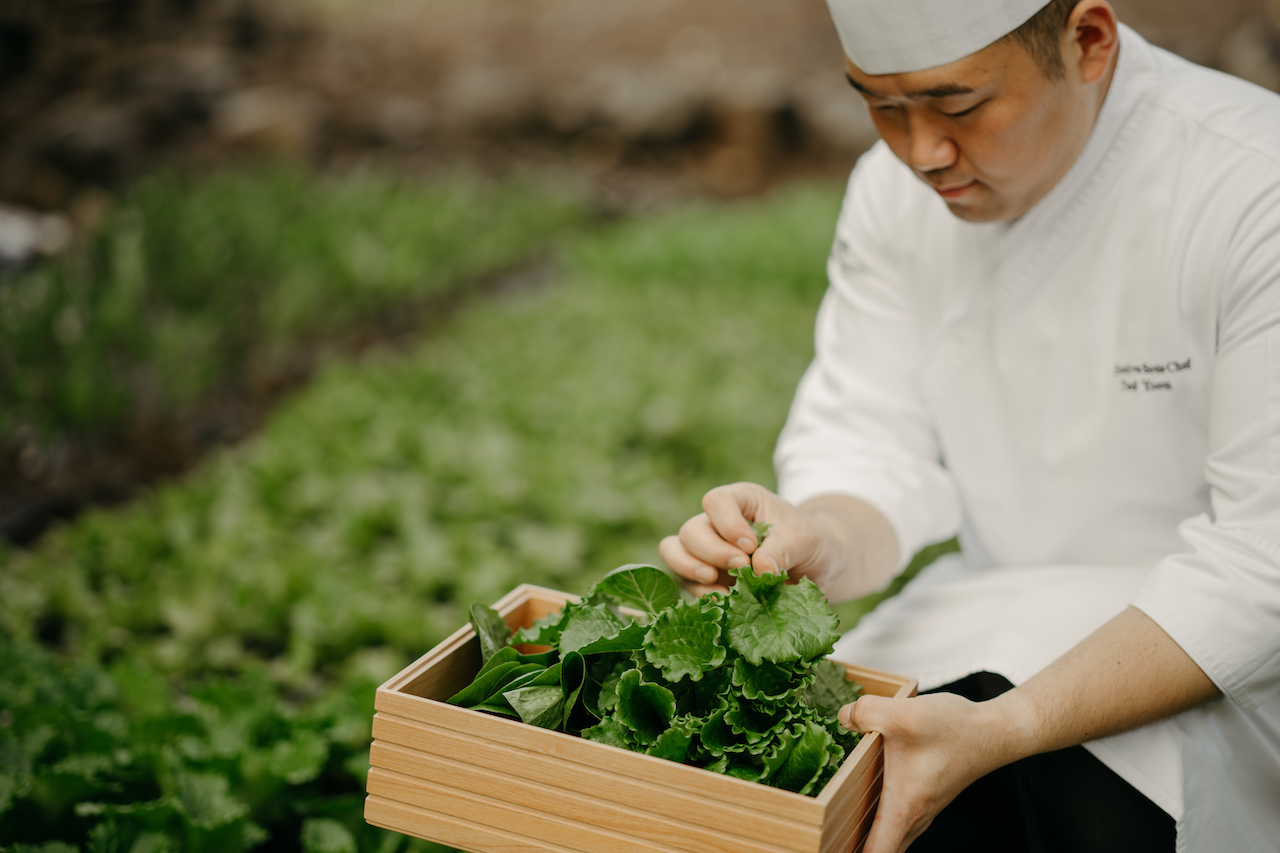
Furthermore, the hotel’s JW Garden, tended by chefs themselves, cultivates hardy greens and herbs that thrive in Jeju’s challenging climate. Next year, the team plans to grow local buckwheat for jobe-gi, a traditional dumpling once made for postpartum mothers; the dish is as nurturing as it is symbolic. “Growing our own ingredients goes beyond freshness,” Jin says. “It’s a meaningful way to practise sustainability while conveying Jeju’s culture through food.”
The future of Jeju’s table
From the haenyeo divers’ resilience to the refined flavours of Yeoumul’s kitchen, JW Marriott Jeju reflects how the island’s food culture continues to evolve amid environmental change. The Forgotten Flavors theme was less an event than an act of preservation — a reminder that true culinary luxury is not the manipulation of ingredients, but the understanding of them.

For older haenyeos, that understanding is born of survival. However, today’s younger haenyeo like Jung-yoon choose this life for themselves as being a haenyeo brings them joy and fulfilment. She explains, “Of course, preserving the culture is part of that mission, but it’s nearly impossible to make a living solely as a haenyeo in modern times. Some develop new ways to process and distribute seafood, and some work as part-time academy instructors. It’s hard work, but they do it because living as a haenyeo is deeply meaningful and rewarding to them.”
For chefs like Jin, it is born of responsibility. “We take only what the sea provides, never exceeding nature’s limits,” he reiterates. And for cultural stewards like Choi, it is born of belief. “It’s inspiring to see Jeju redefining luxury not as abundance, but as balance.”