
Discover Taiwan’s teahouse culture: Follow the tea leaf, from an organic farm in Pinglin to the fog-draped teahouses of Jiufen and Taipei’s quietly radical new wave, to discover that what holds the tea matters just as much as what’s in it. Text by: Stephanie Zheng
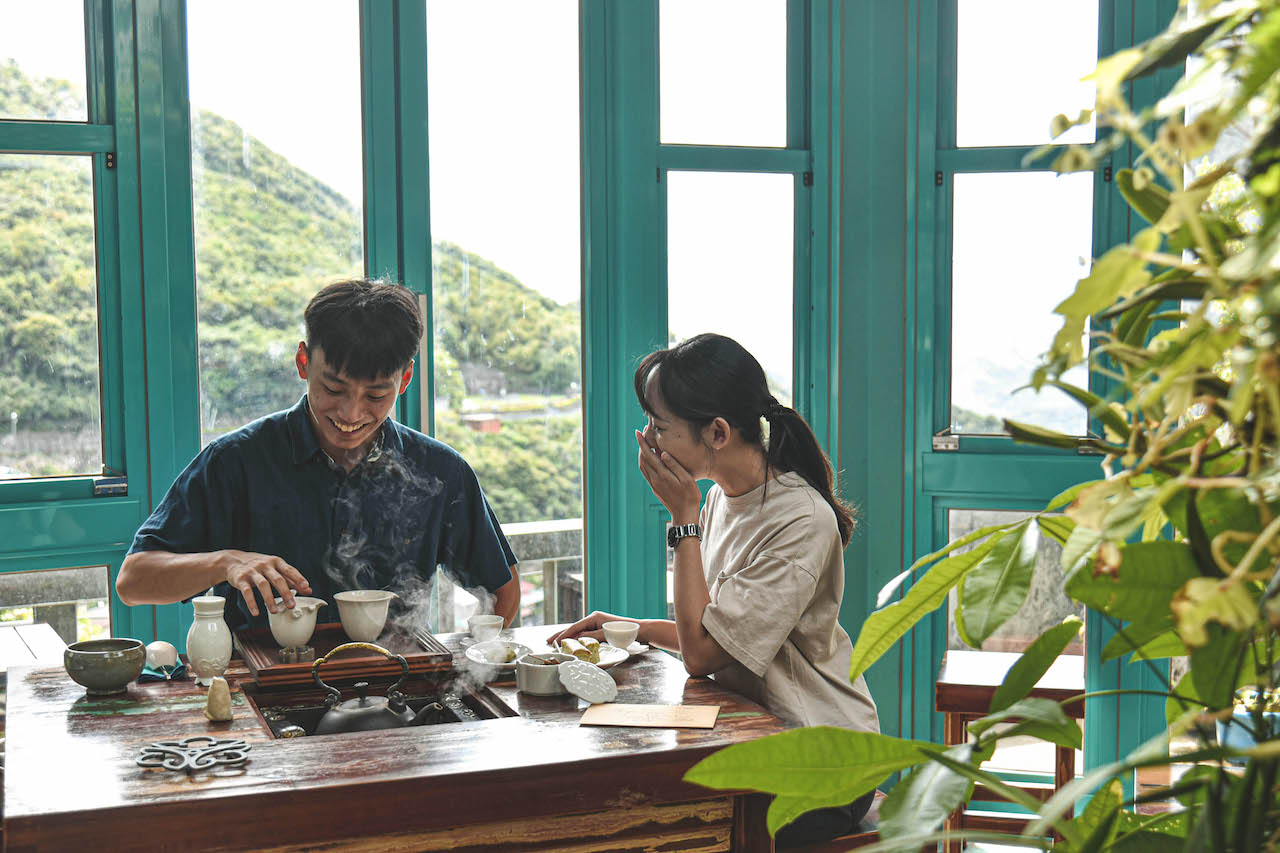
In Taiwan, an offer of tea is as instinctive as a greeting. It happens in living rooms and back offices, across shop counters and before any real conversation begins. By the time I made it to Pinglin to visit Yu San He (a pioneer of Taiwanese white tea and one of the region’s most quietly influential growers), I had already sat down for tea at least once a day in the past two weeks.
At his farm, the terroir argument is made quietly and without fanfare. His rows of organic tea grow without pesticides or shortcuts on a plot he calls “Respect for Great Nature Farm”. Talking with him, you understand that a tea journey begins there, in the soil, and ends in teacups, a plethora of them he has gleefully collected over the years.
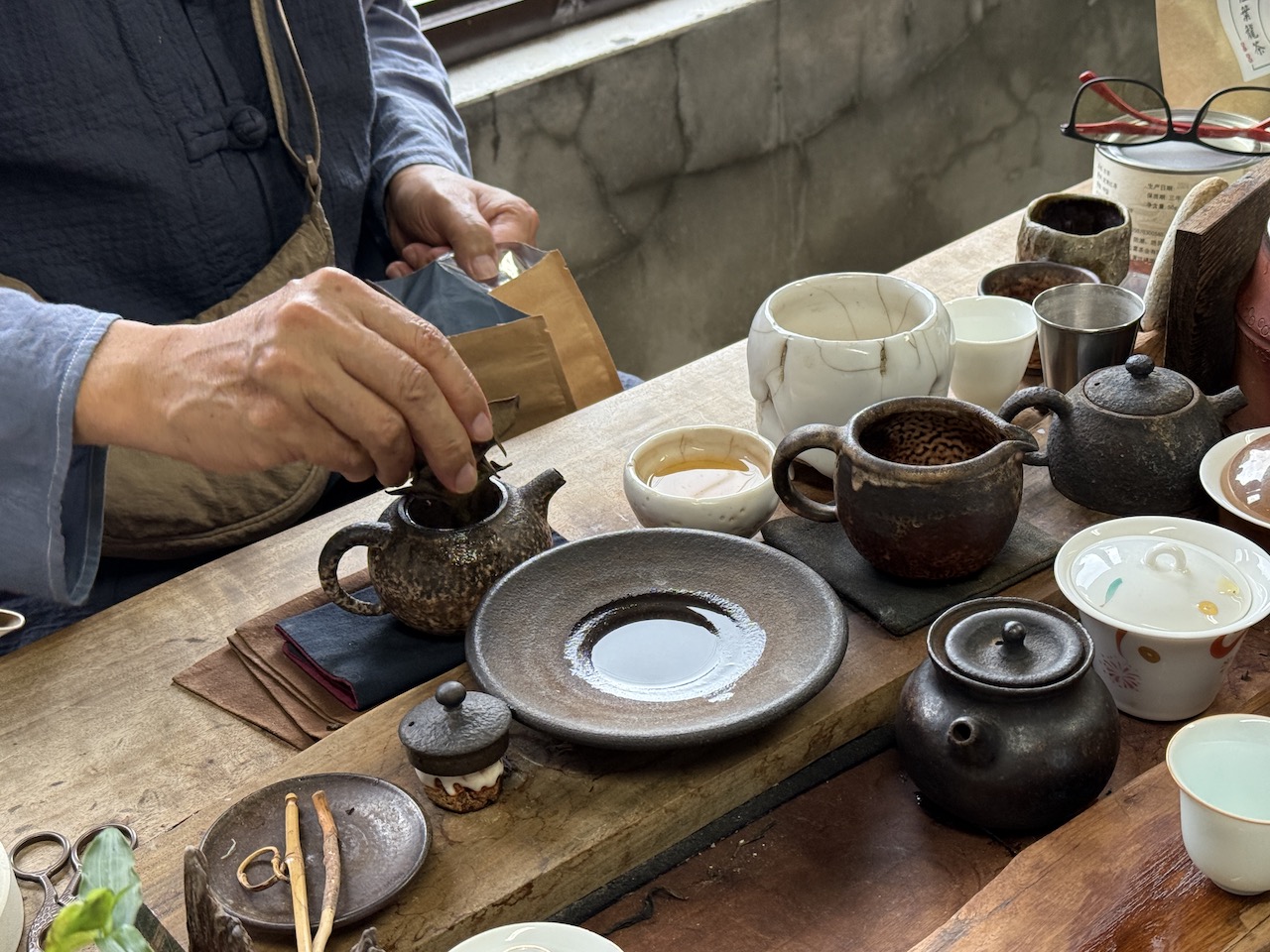
Taiwan is a place where tea serves as a social glue, and nowhere is that more evident than in a teahouse. Spaces that range from century-old hillside institutions to design-led sanctuaries share the same unhurried conviction that tea deserves more than a takeaway cup. To spend time in them is not simply to follow a crop from mountain to cup. It is to understand something about how the Taiwanese move through the world.
Heritage Held In Place: Traditional Teahouses
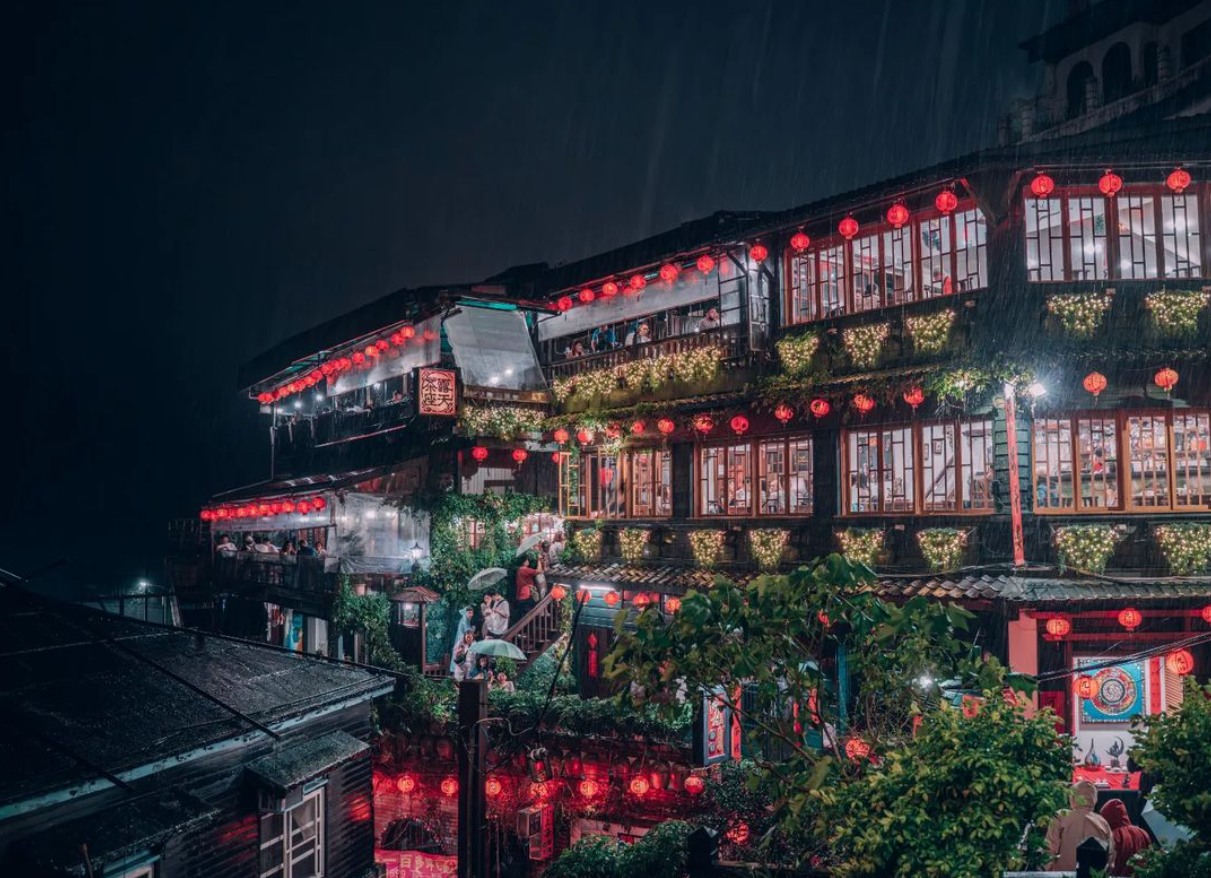
Perched on a mountainside in Jiufen’s fog-laced alleyways, the very popular Ah Mei Teahouse was born from the town’s own resurrection, originally a blacksmith shop run by Ah Mei’s grandfather during the gold rush era, later transformed into a teahouse when the mines fell silent. Outside, Jiufen’s lanes are reminiscent of scenes from Spirited Away, with red lanterns running in rows along every beam, while the maroon exterior walls meet vintage brown window frames, and the open terrace offers views of the coast dissolving into the mountains below.
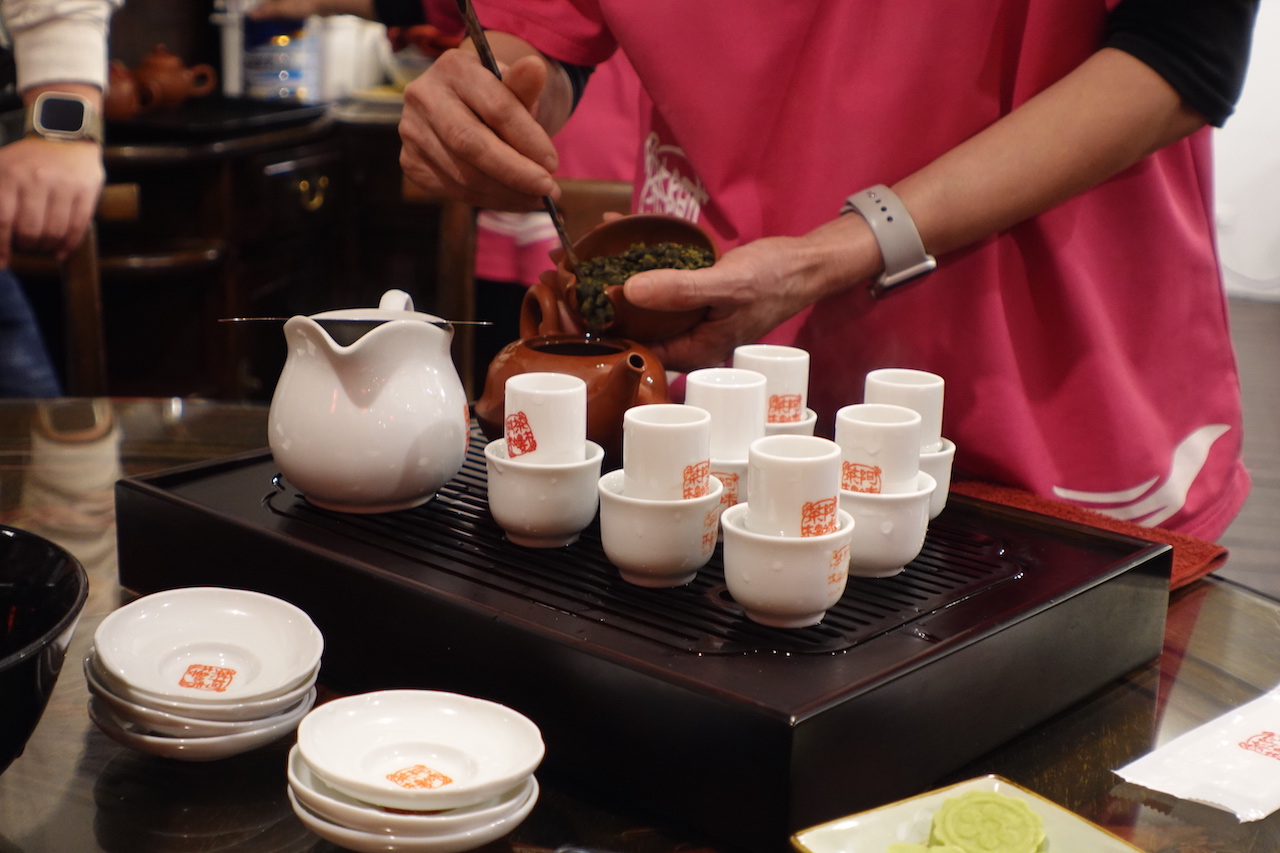
Inside, the teahouse operates with precision. Tea and desserts are served. The hostess pours a sliver into a tall teacup. You sniff the cup, as she explains the perfume. Then she pours some tea into a shorter teacup. Hot water arrives when needed, sometimes before you think to ask. Touristy as it is, Ah Mei earns its reputation. On the terrace, locals and visitors sit side by side, lingering over warm tea and warmer conversations.

Wind through the lanes further, and you can get to Jioufen Teahouse, which operates on a different register. Founded by painter Hung Chi-Sheng in 1991, it occupies the former residence of the mining community’s head, a 100-year-old building painstakingly restored around the philosophy that art, pottery, and tea are inseparable.
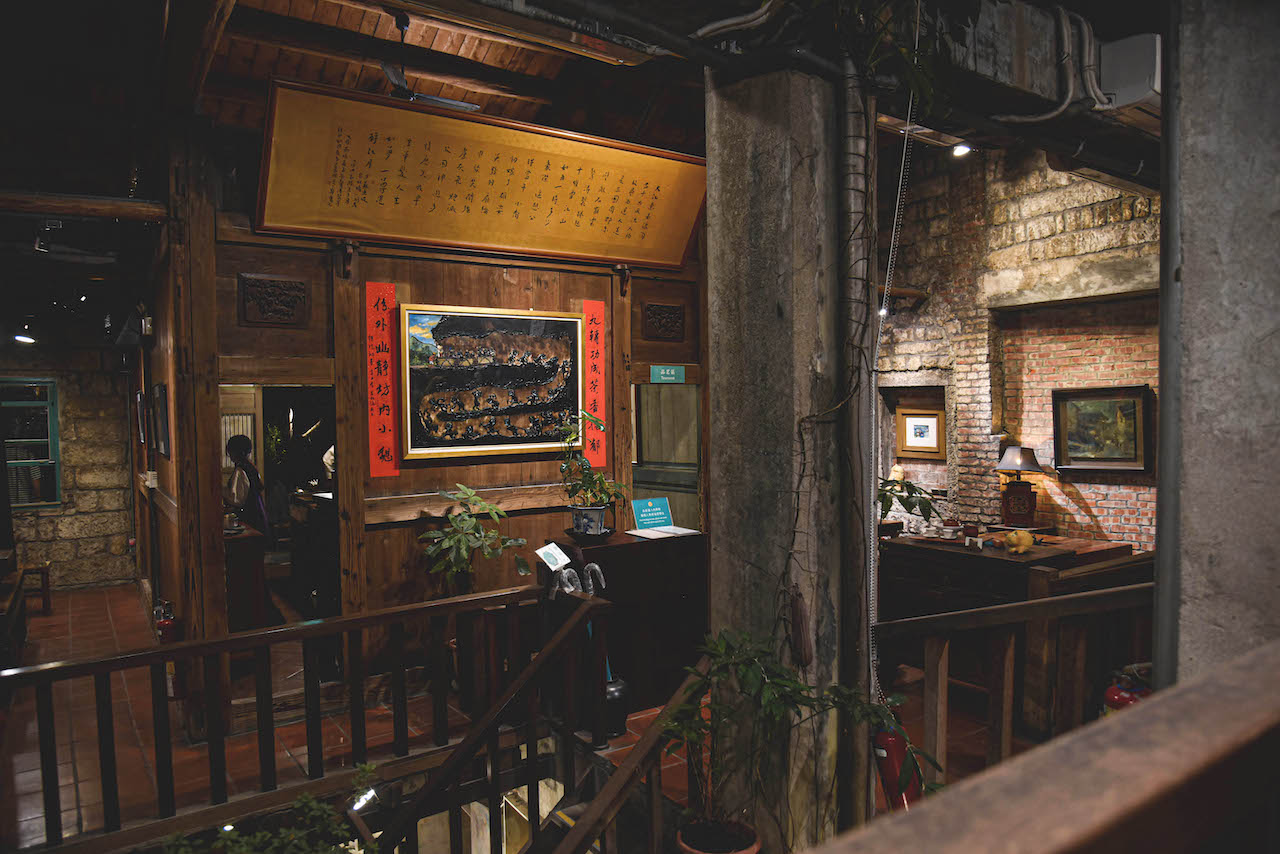
Most of the pottery used here is made on-site in the workshop downstairs, where an art gallery also displays works by Taiwan’s local painters. It is, in the best sense, a total environment: the tea, the art, the view, all are of a piece.
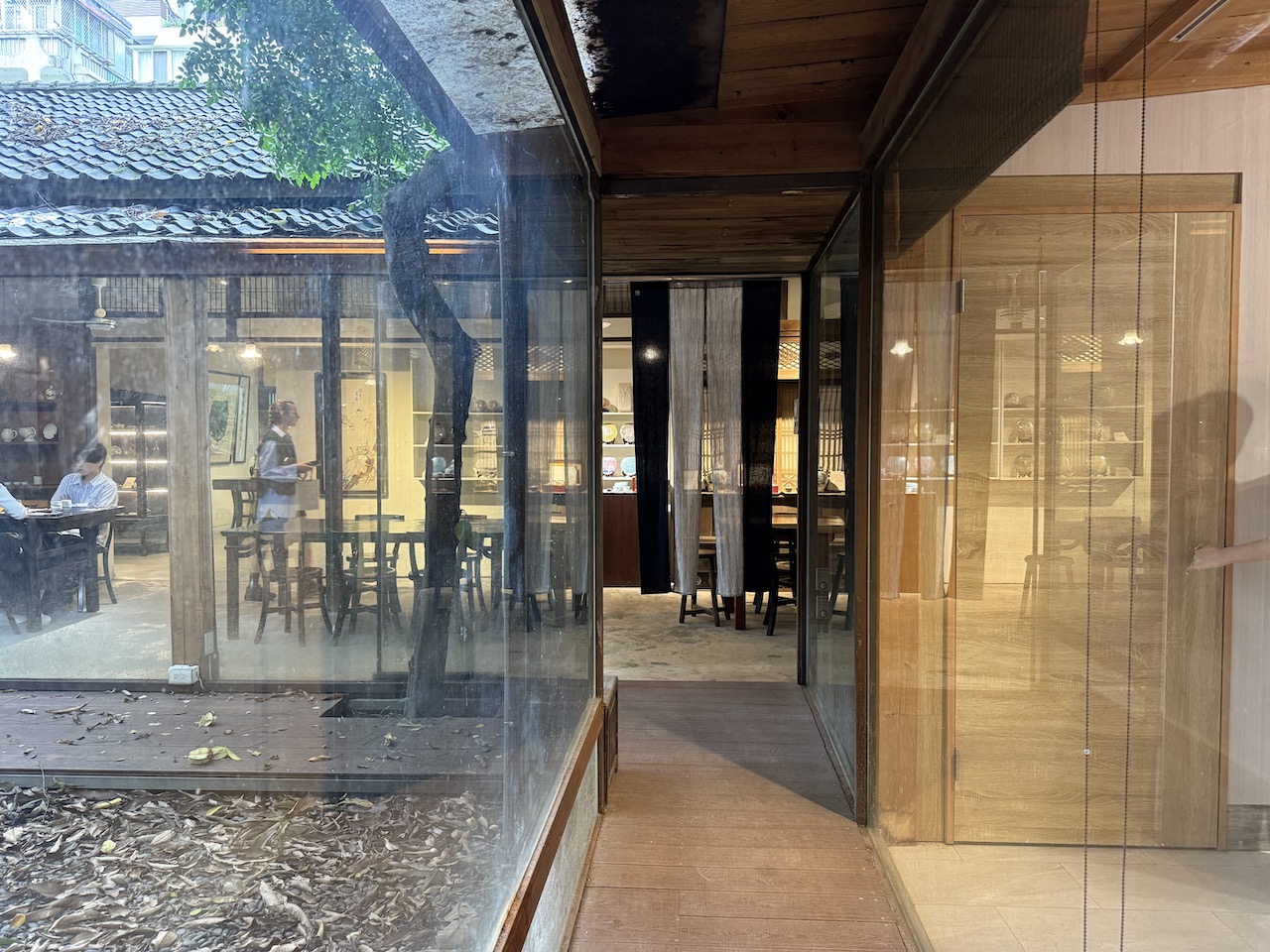
Closer to Taipei’s city centre, Qingtian Teahouse in the Da’an district is a Japanese-era wooden house, once a professor’s residence, left to ruin before being restored as a space where tea and art share the same quiet breath.
Qingtian Street itself remains one of Taipei’s most atmospheric neighbourhoods, its lanes shaded by old trees and lined with Japanese colonial houses. The host is perpetually in motion, working a full house, yet somehow always finding a moment to sit down beside you, brew a cup, and talk.
The Modern Teahouse
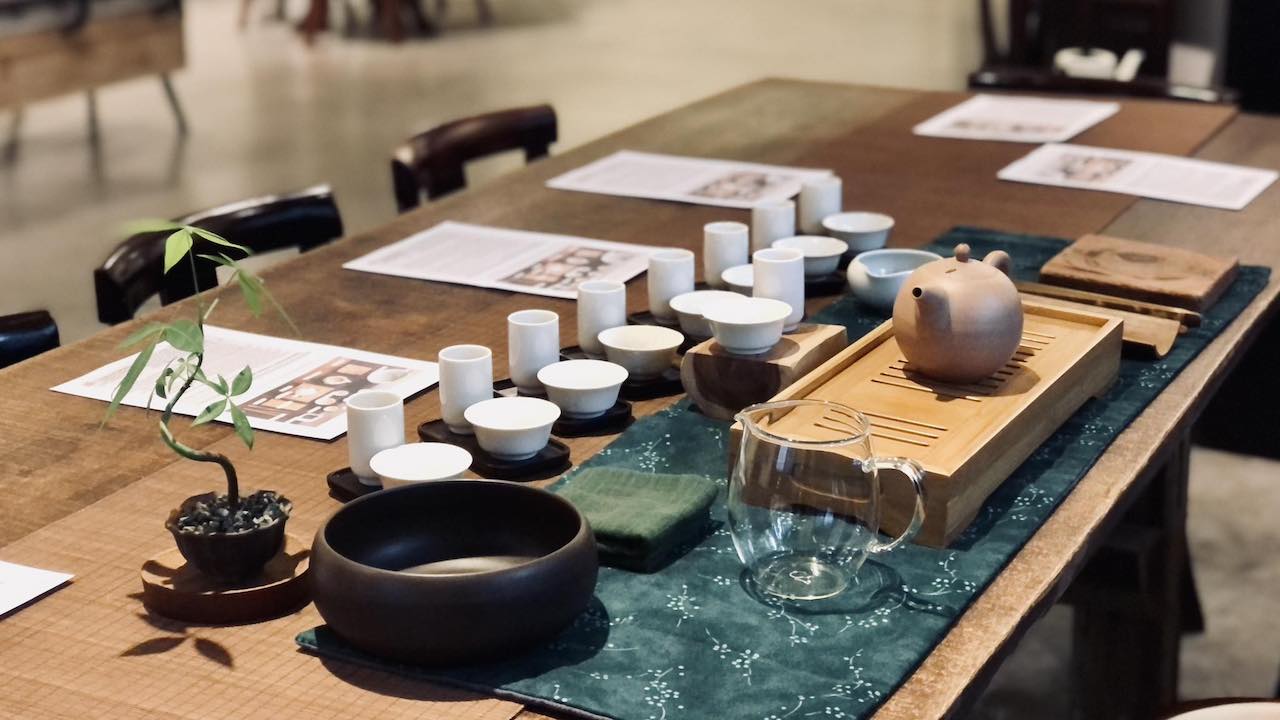
If the heritage teahouses are keepers of memory, Taipei’s newer wave of tea spaces is doing something more quietly radical, reimagining the ritual for a generation that grew up with bubble tea and design-led interiors.
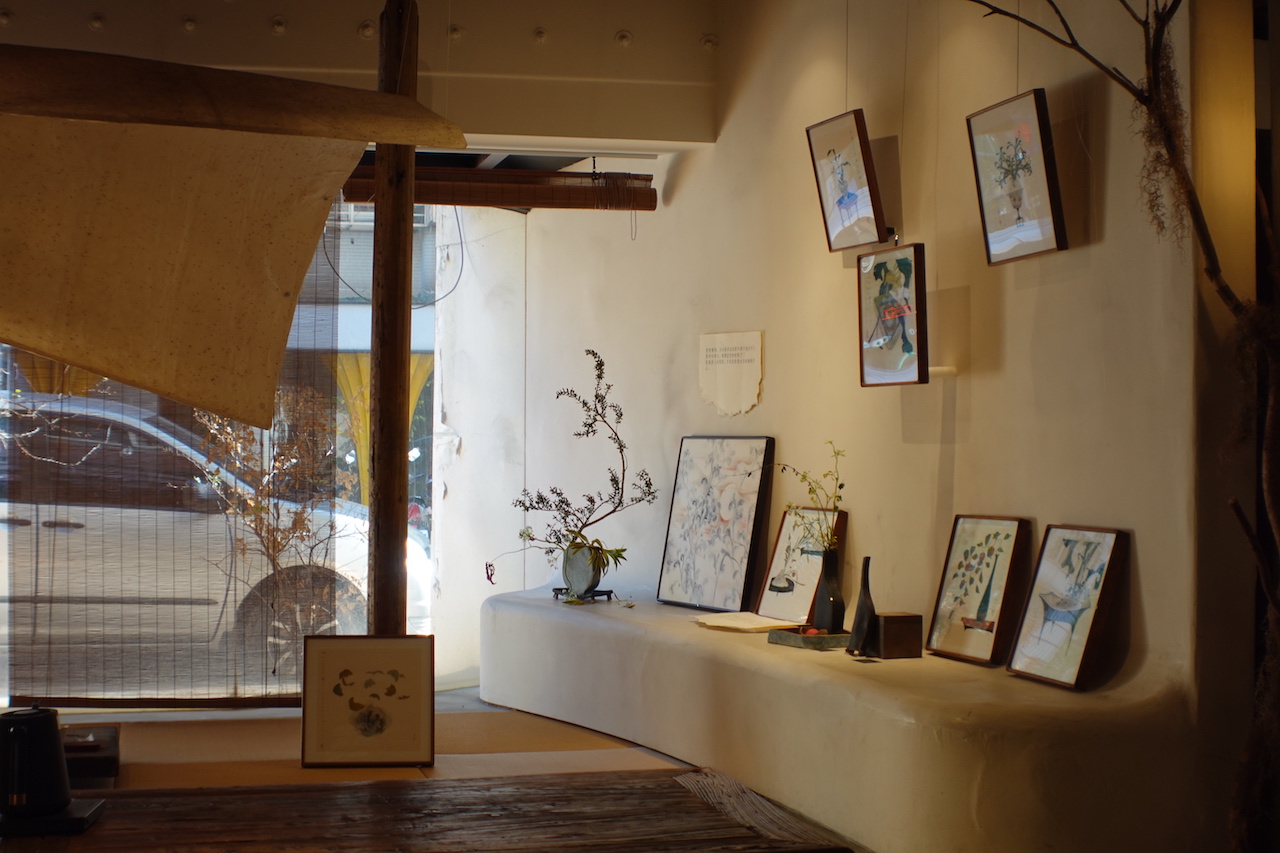
At Hermit’s Hut, the space functions as both a retail shop and a sanctuary, and somehow pulls off both without compromise. The interior is minimalist but not cold: off-white walls, simple wooden furniture, natural materials, all of it calibrated for stillness. A steady stream of locals cycles through, yet the peace of the place remains oddly intact.
For first-timers, staff perform the opening round of the tea ceremony themselves, walking guests through each step and its significance. The education is woven in seamlessly, never didactic.
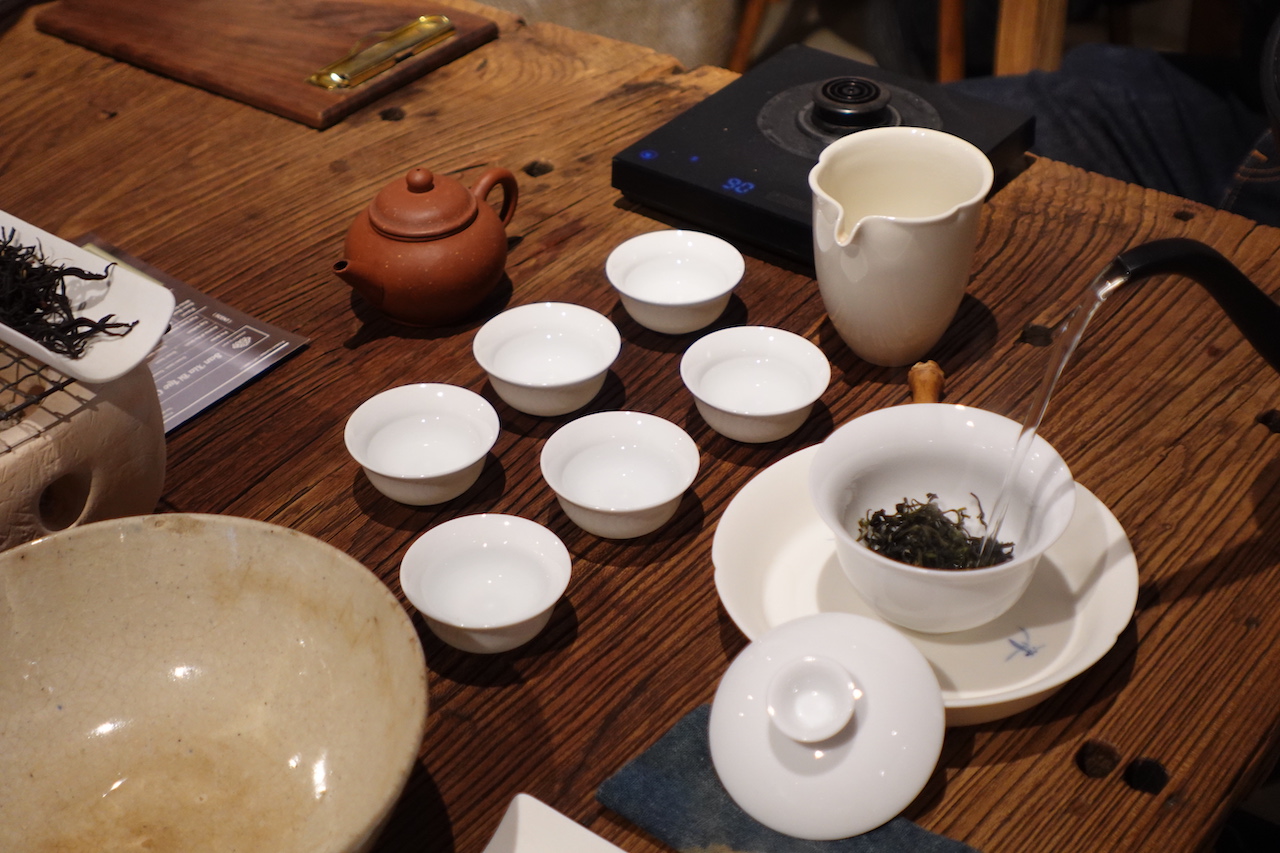
Teaware Is Not A Side Quest
In Taiwan, the cup is never incidental. Before tea reaches you, decisions have already been made – about clay, about glaze, about the width of a rim and the weight of a handle – and each one shapes what you taste and how you feel tasting it. A wide-mouthed bowl releases aroma differently from a narrow gaiwan. Unglazed Yixing clay absorbs oils from every brew, building a seasoned patina over years of use. The vessel, in other words, is part of the recipe.
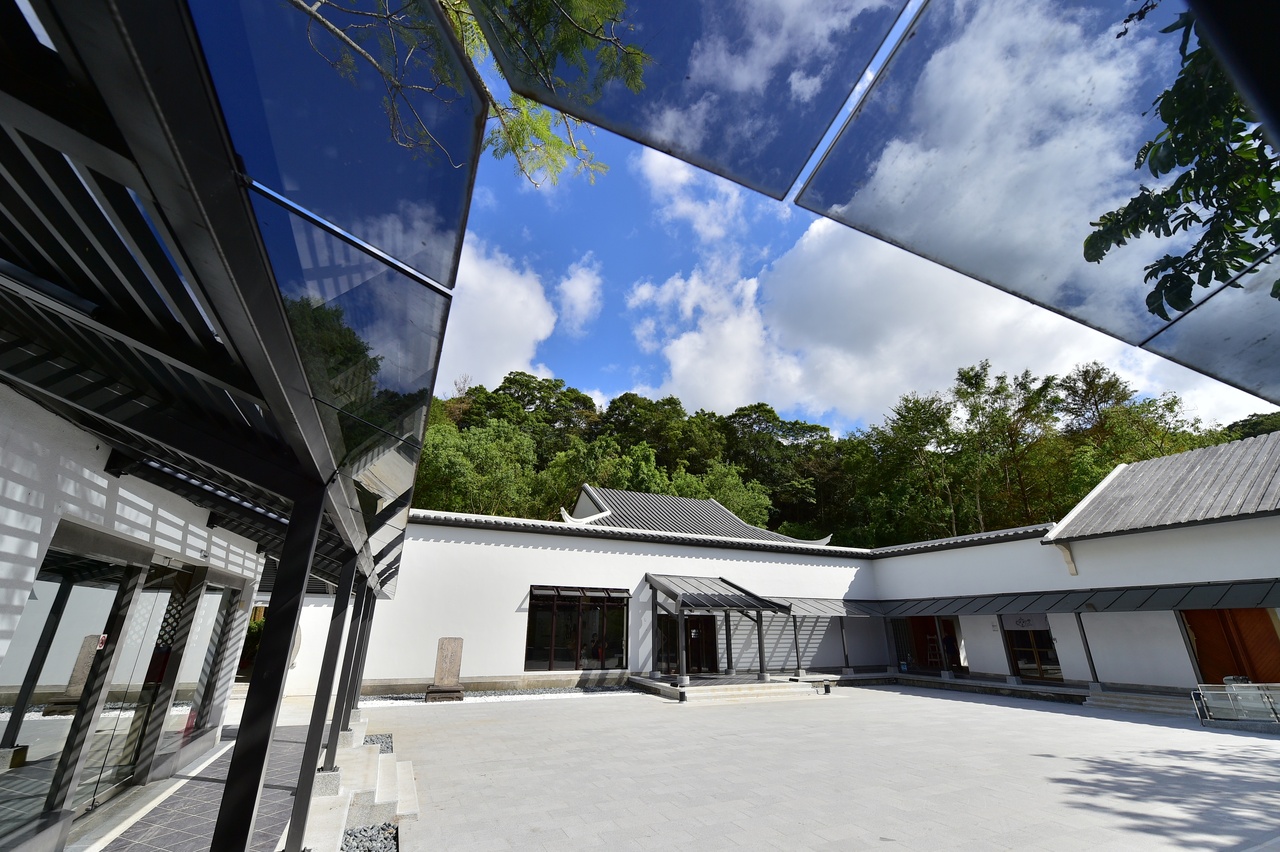
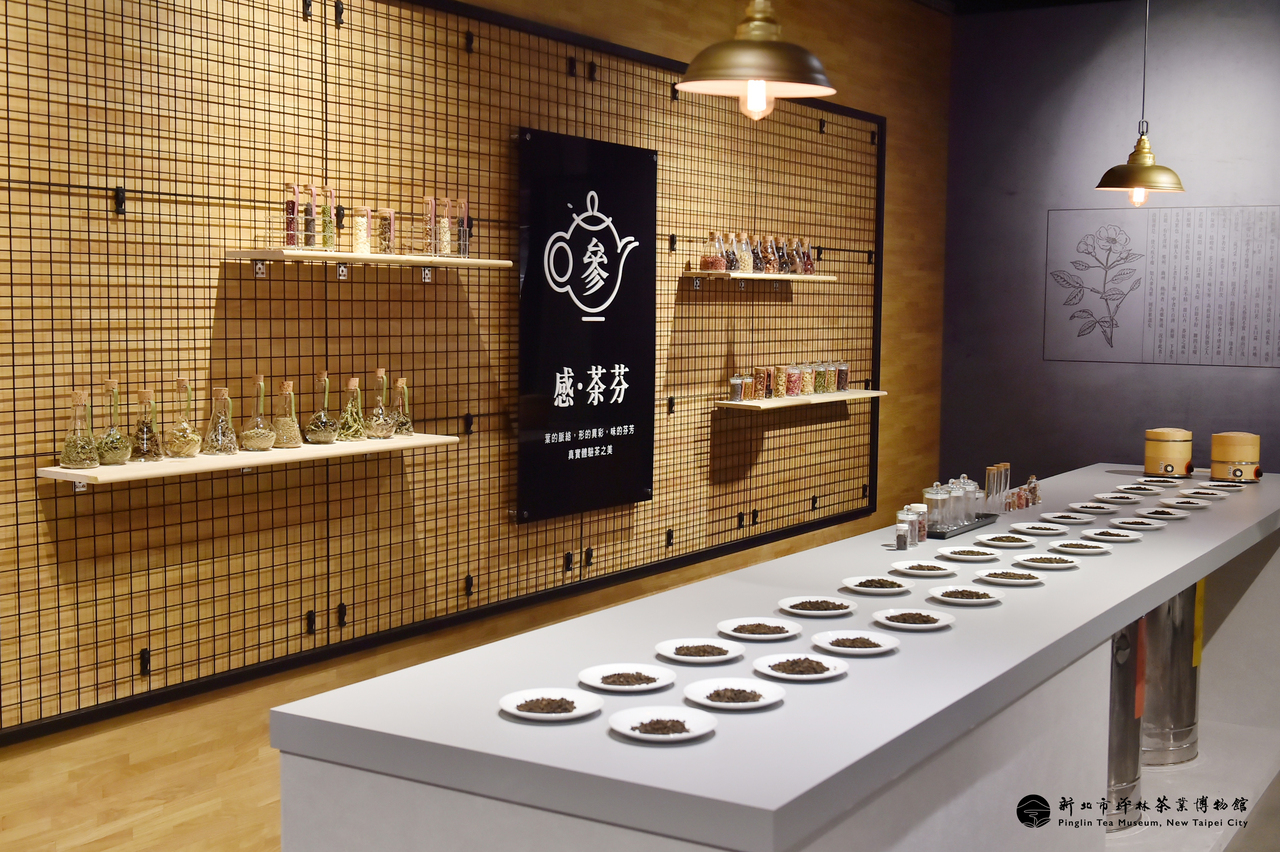
At the Yingge Ceramics Museum, a display case of gaiwan arranged by dynasty makes the argument more plainly than any caption could: the shape of the vessel has always been a response to the tea of its time, each generation refining the relationship between hand, heat, and leaf. A short drive away, the Pinglin Tea Museum makes the same case. Nestled beside the Peishih River and built in the spirit of ancient Chinese architecture and Zen, the museum’s Discovery Centre guides visitors through tea by touch and smell as much as taste. An entire wing is devoted to teaware: the cups, pots, and gaiwans that have evolved alongside the culture itself. The message throughout is the same. The vessel is part of the story.