

As Singapore’s cocktail scene cools, founder Indra Kantono expands with two new bars anyway — not despite the correction, but because of it. Text by: Dawson Tan
Singapore’s cocktail scene is experiencing what some politely call a correction, and what cynics might label a reckoning. Bars that once thrived on hype are closing quietly. Operators who expanded too quickly are now contracting just as discreetly. The prevailing wisdom suggests caution, consolidation, and perhaps sitting the next round out. Indra Kantono, founder of Jigger & Pony Group, is doing precisely the opposite. His thesis is simple: when the noise fades, clarity arrives.
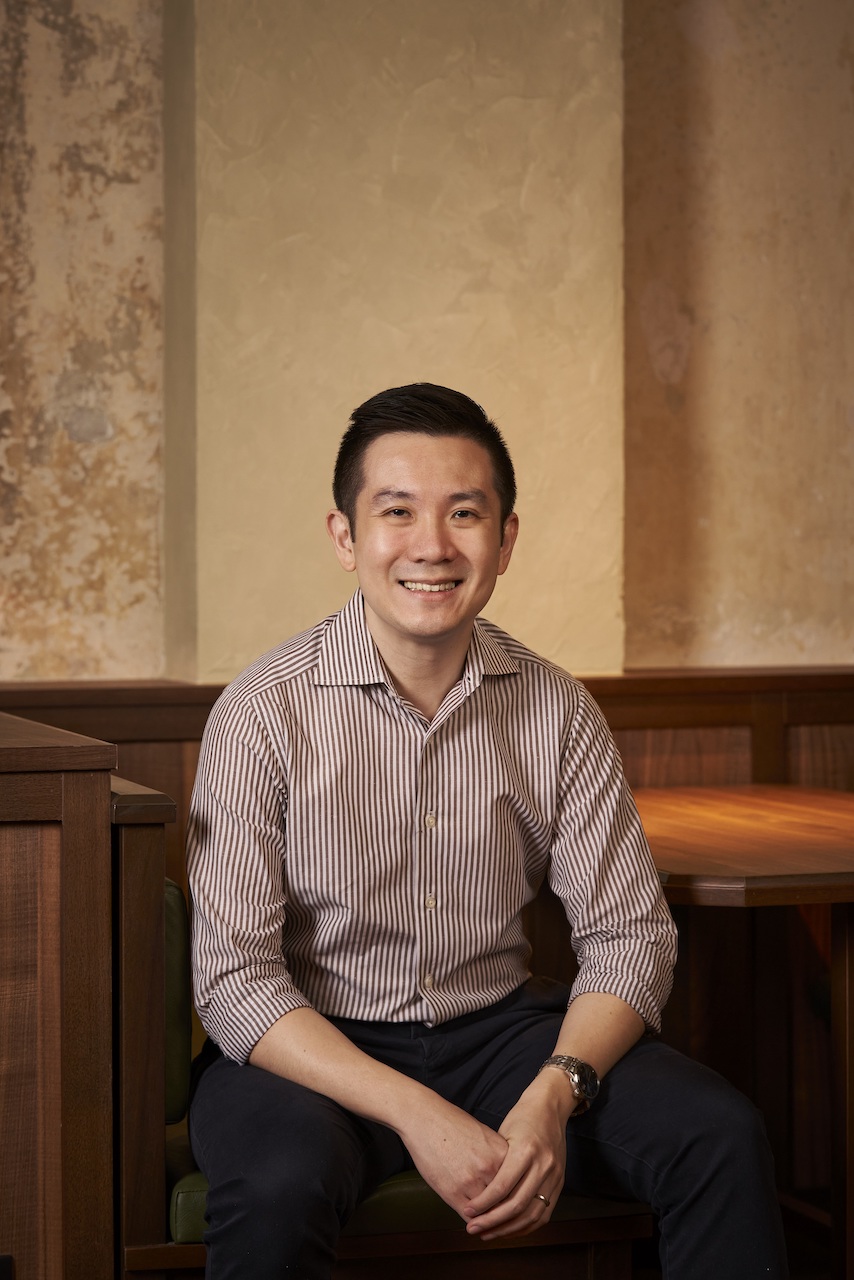
By early 2026, the group will have launched two new Singapore concepts. Pop City x Pony, a Japanese lifestyle cocktail bar created in collaboration with spirits heavyweight Suntory, is already open. BOP, a Korean-inspired speakeasy led by industry luminary Uno Jang, has just soft launched. This comes alongside the group’s growing regional footprint, including Jakarta’s Cosmo Pony, while maintaining a portfolio that has helped define modern Singapore drinking culture.
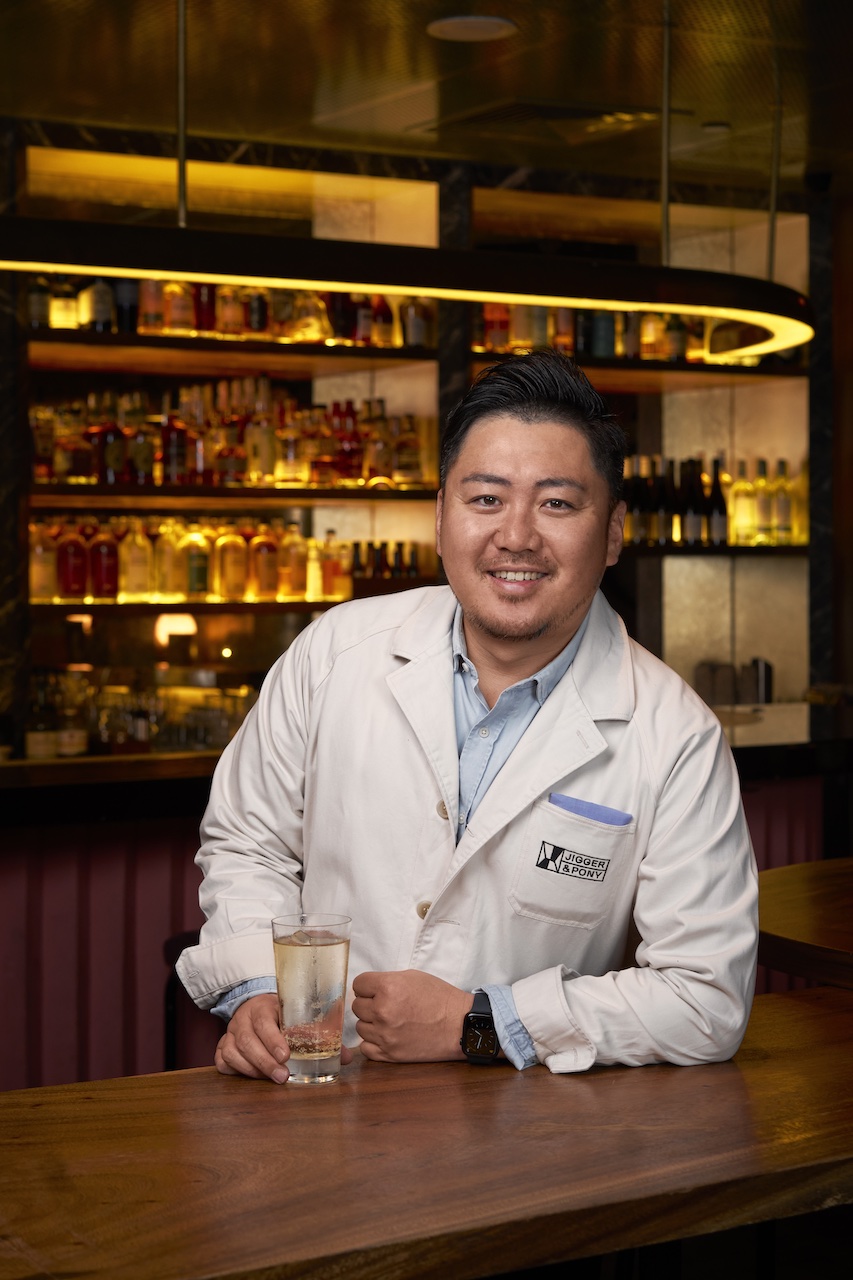
When others pull back, what gives Indra the confidence to press ahead? “We’re not really thinking in terms of doubling down or pulling back,” he says. “We’re focused on building with clarity and hospitality. When things slow, the noise fades, and you can see what actually matters.” It’s a perspective shaped by a career that has weathered sharp contractions and euphoric expansions. “This isn’t a dramatic collapse. It feels quieter—more of a long exhale,” he adds.
That exhale exposes fundamentals. “You can’t hide behind hype anymore. You have to know who you are and be comfortable playing the long game,” shares Indra.
Pop City x Pony reflects that thinking with unusual clarity. Opened last December at 19 Cecil Street, the Japanese lifestyle cocktail bar resists nostalgia in favour of expression. “We drew inspiration from Japan’s many subcultures, from refined craft to bold, playful urban energy, and filtered them through the lens of City Pop,” explains group bar director Aki Eguchi, referencing the late-1970s and 80s movement that fused music, fashion, and metropolitan optimism.
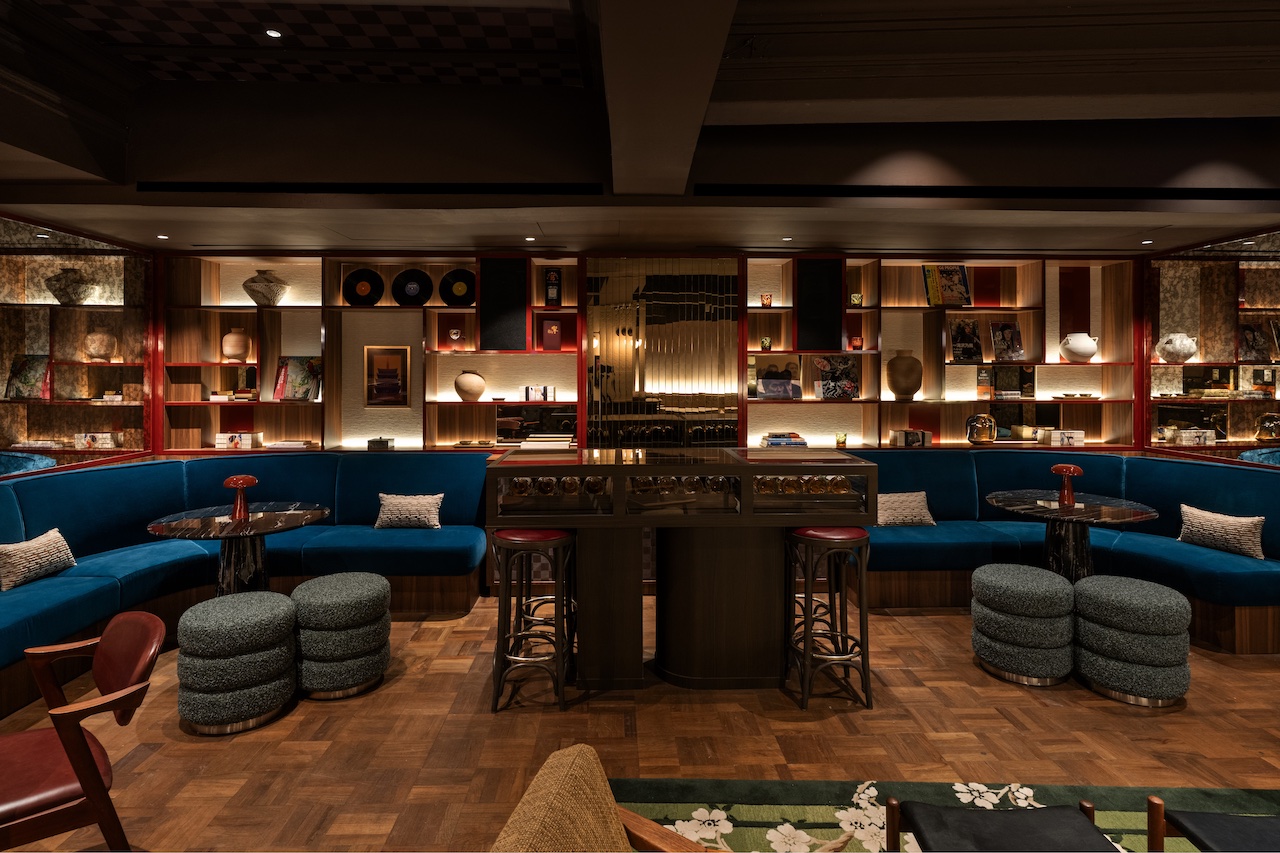
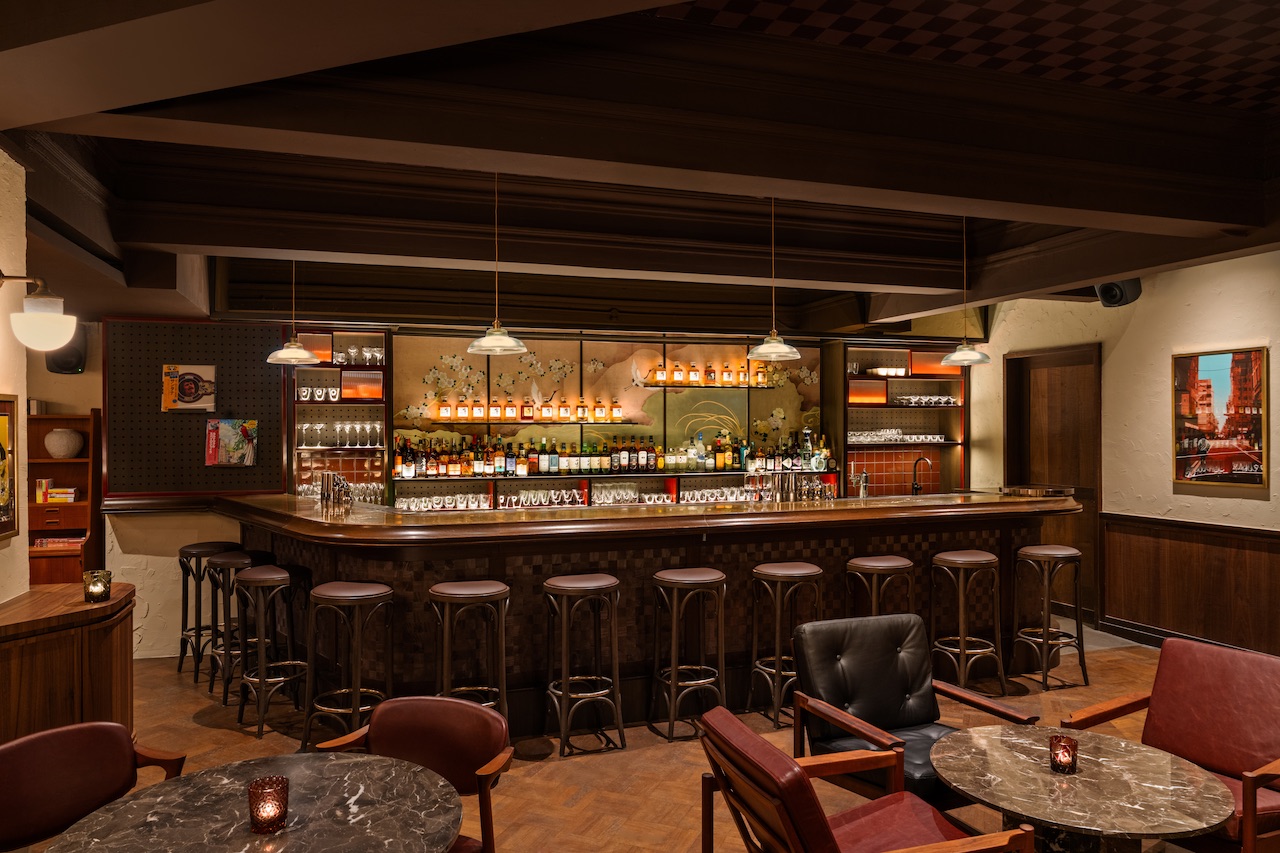
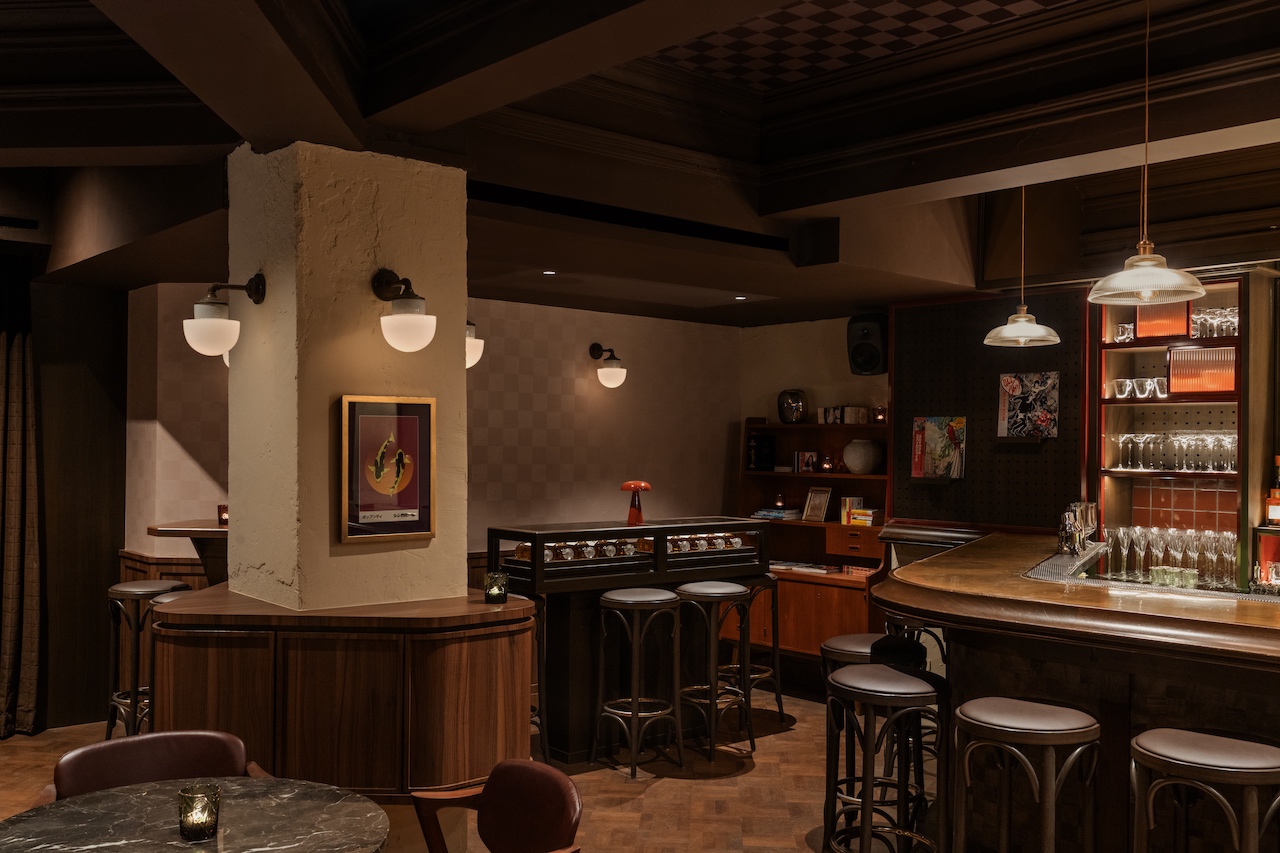
That sensibility carries through both space and programme. Pop City unfolds across distinct zones designed for different rhythms of the night, yet all remain intentionally intimate. Instead of lofty ceilings, the interiors adopt darker tones and a lived-in warmth reminiscent of Japanese homes. “We designed it like a living room,” Aki notes, “a place where you can relax and really let your hair down.” In another corner, Bar Mixtape nods to Tokyo’s pocket-sized whisky bars, encouraging focused listening, conversation, and unhurried drinking.
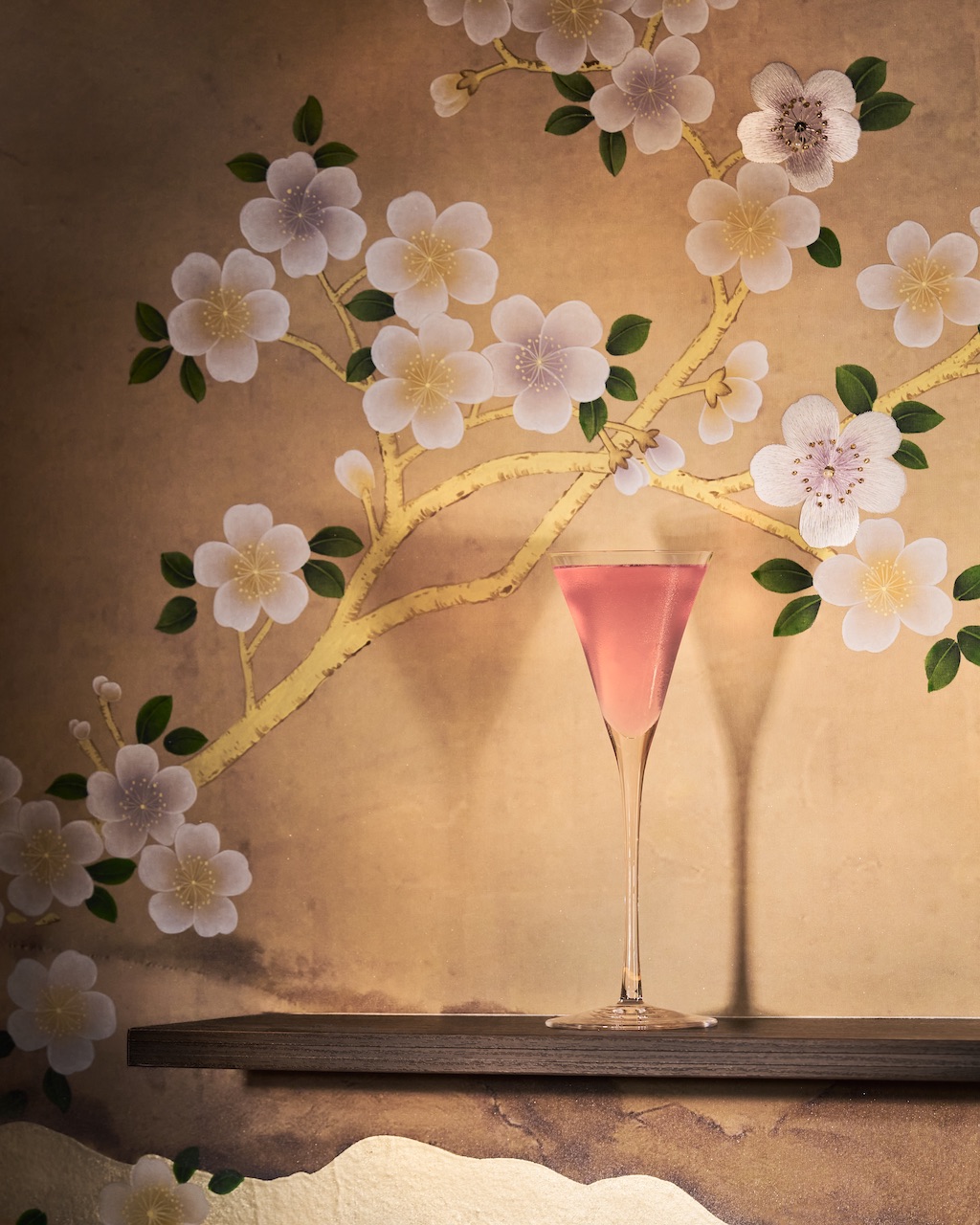
Behind the bar, Aki’s cocktail programme balances Japanese discipline with accessibility, foregrounding familiar ingredients such as yuzu, matcha, dashi, and sakura, all executed with precision. “At Pop City, drinking is an expressive act,” he says, “where Japanese craft, modern culture, and human connection come together.” The 16-signature menu is split between POP (energetic, music-driven) and CITY (design-led, contemplative), with rotating seasonal cocktails following Japan’s 24 solar terms.
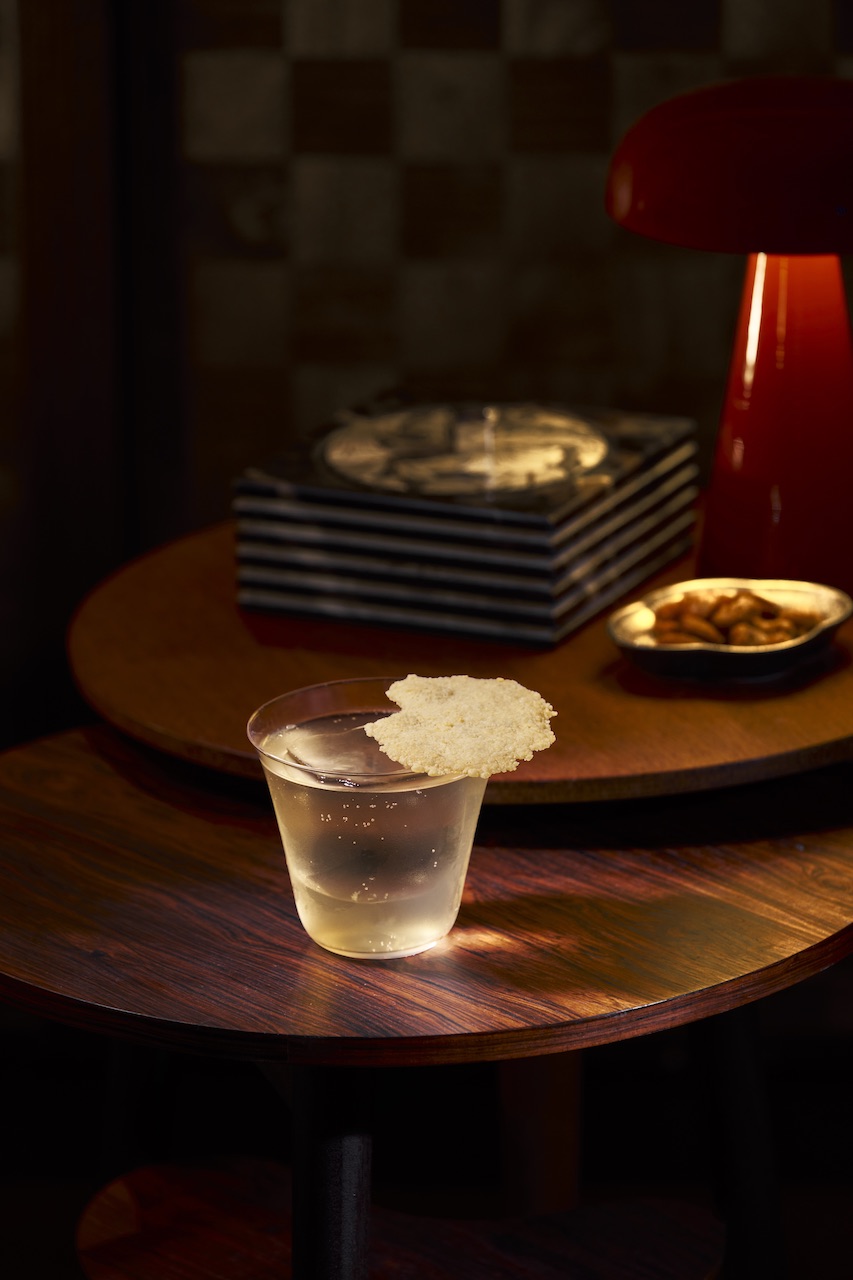
For Indra, the point is not novelty, but emotional resonance. “Accessibility isn’t really about price,” he says. “It’s about tone – how welcome people feel the moment they walk in.” In a market recalibrating itself, Pop City’s generosity of spirit feels less like escapism than intent.
Aki agrees. “There’s been a shift from novelty to meaning,” he says. “Guests still care about flavour and technique, but they’re increasingly drawn to places that feel intentional—where the drinks, music, space, and pacing work together.”
BOP, by contrast, operates in a more intimate emotional register. Inspired by Korean drinking culture, the concept centres on jeong (a sense of closeness and care) alongside creative confidence and energy that builds gradually over the night. “What’s compelling about Korean drinking culture is how people-centric it is,” Indra says. “Drinks, food, and conversation are inseparable. There’s warmth in the way nights unfold, and that feels especially relevant now.”
Aki, who is collaborating closely with Uno highlights its resonance for Singapore. “It’s playful and expressive,” he notes. “There’s humour, shared dishes, and a natural rhythm to the night. Food — designed by chef Jason Oh of Culinary Class Wars fame — anchors the experience, slowing things down and shifting focus back to the table.”
The contrast between Pop City’s expressiveness and BOP’s intimate conviviality demonstrates the group’s evolved approach: concepts rooted in distinct emotional territories, underpinned by consistent hospitality values.
While expanding regionally and reinvesting locally may seem contradictory, Indra sees it as complementary. “Singapore isn’t just a platform for us now; it’s a place where a home-grown point of view is confident enough to travel.” That confidence reflects a maturing hospitality culture. “We’re developing an ethos that’s warm, disciplined, and deeply people-centred — and realising it can resonate globally.”
That ethos travels precisely because it’s specific rather than generic. “Each city is unique, and we develop concepts that speak to the city and with the city,” he says. “Singapore is very honest. People here have seen a lot, travelled a lot, and they’re quick to sense when something isn’t quite real.”
Teaming up with Suntory on Pop City, and with creative leaders like Aki and Uno across concepts, Indra’s partnerships reflect an evolved operational philosophy. “Great bartenders today can make almost any drink; technical ability isn’t the bottleneck anymore,” he says. “What matters is intention — what we make, why we make it, and the moment it creates.”
And amid closures and consolidation, Indra remains notably unruffled. Instead of chasing the next trend, he’s betting on meaning, and in a quieter market, that may be the loudest statement of all.