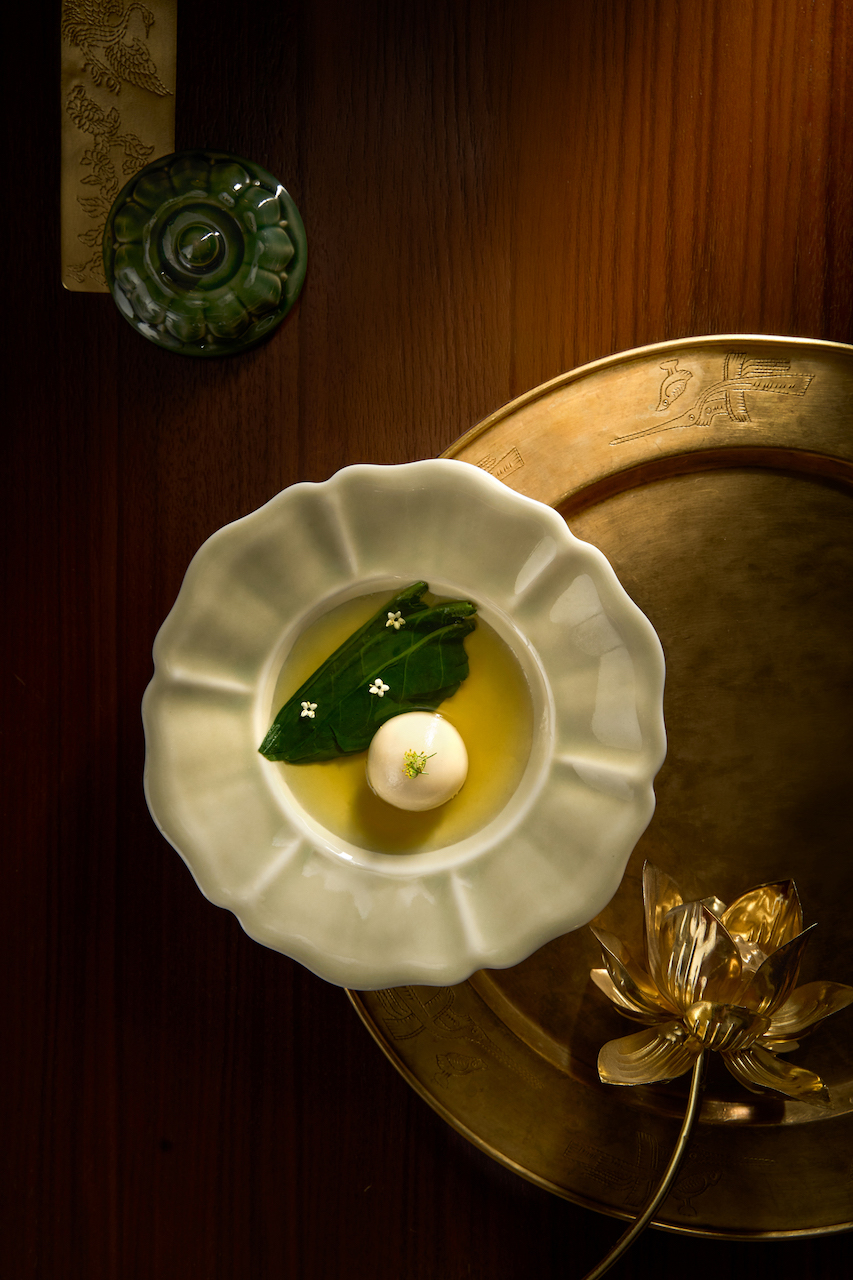

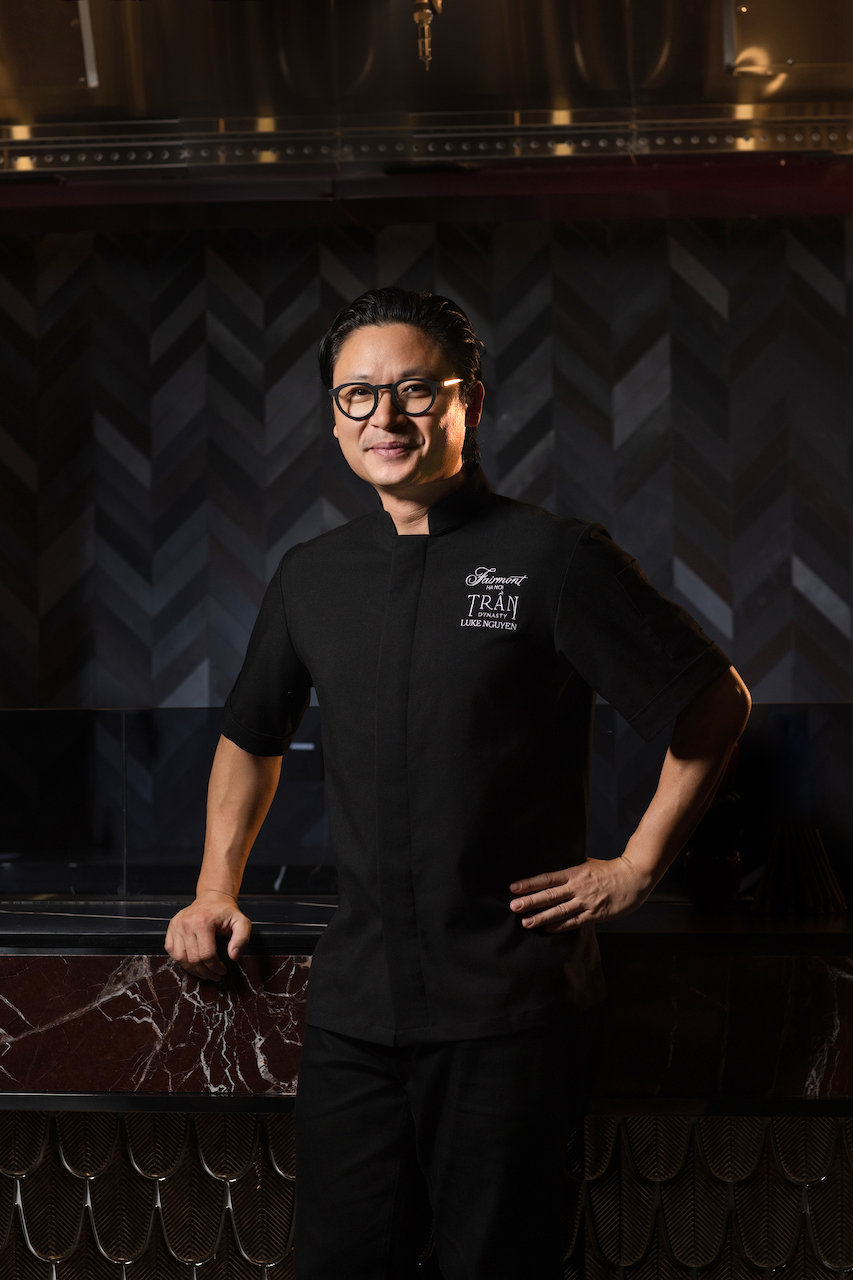
Top chef Luke Nguyen brings Vietnamese flavours full circle at Tran Dynasty in Fairmont Hanoi, presenting a nuanced, fine-dining interpretation rooted in history yet shaped for today. Text by: Amy Van
Set within the recently launched Fairmont Hanoi, fine-dining restaurant Tran Dynasty marks a return for Luke Nguyen, the Vietnamese- born, Australia-raised chef who has spent decades championing his heritage on the global stage. Rather than relying on archival recipes, he draws on a philosophy shaped by generations of Vietnamese cooking. Flavours remain clean and recognisable, even as technique and presentation evolve with quiet precision. Across the menu, hyper-local ingredients, from Lý Sơn garlic to Ca Mau crab, anchor each plate, turning the dining experience into a subtle journey through Vietnam’s diverse landscapes. Here, he shares more about the new restaurant concept and how he crafts a contemporary expression of Vietnamese cuisine.
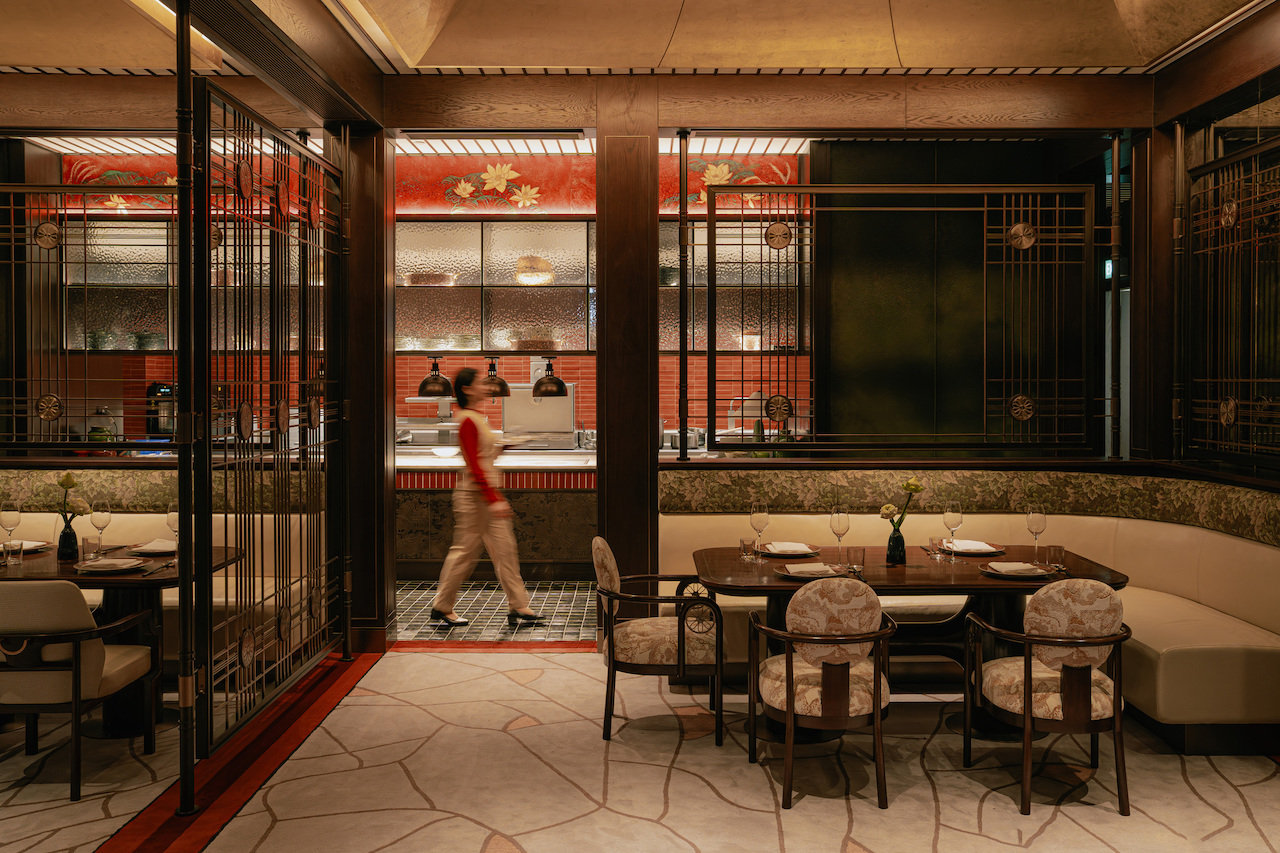
How does the Tran Dynasty era translate onto the plate and how do you see the storytelling extending into the overall dining journey?
The restaurant’s inspiration comes from the spirit and grandeur of the Tran Dynasty, its sense of strength, refinement, and cultural depth rather than a direct recreation of historical cuisine. We draw from the era’s philosophy of living, its appreciation for balance, ceremony, and the connection between people and nature, and translate that into a contemporary culinary expression.
The dishes are not replicas of what was once served, but rather a modern interpretation using today’s finest ingredients and techniques, with a progressive flair that reflects both heritage and evolution.
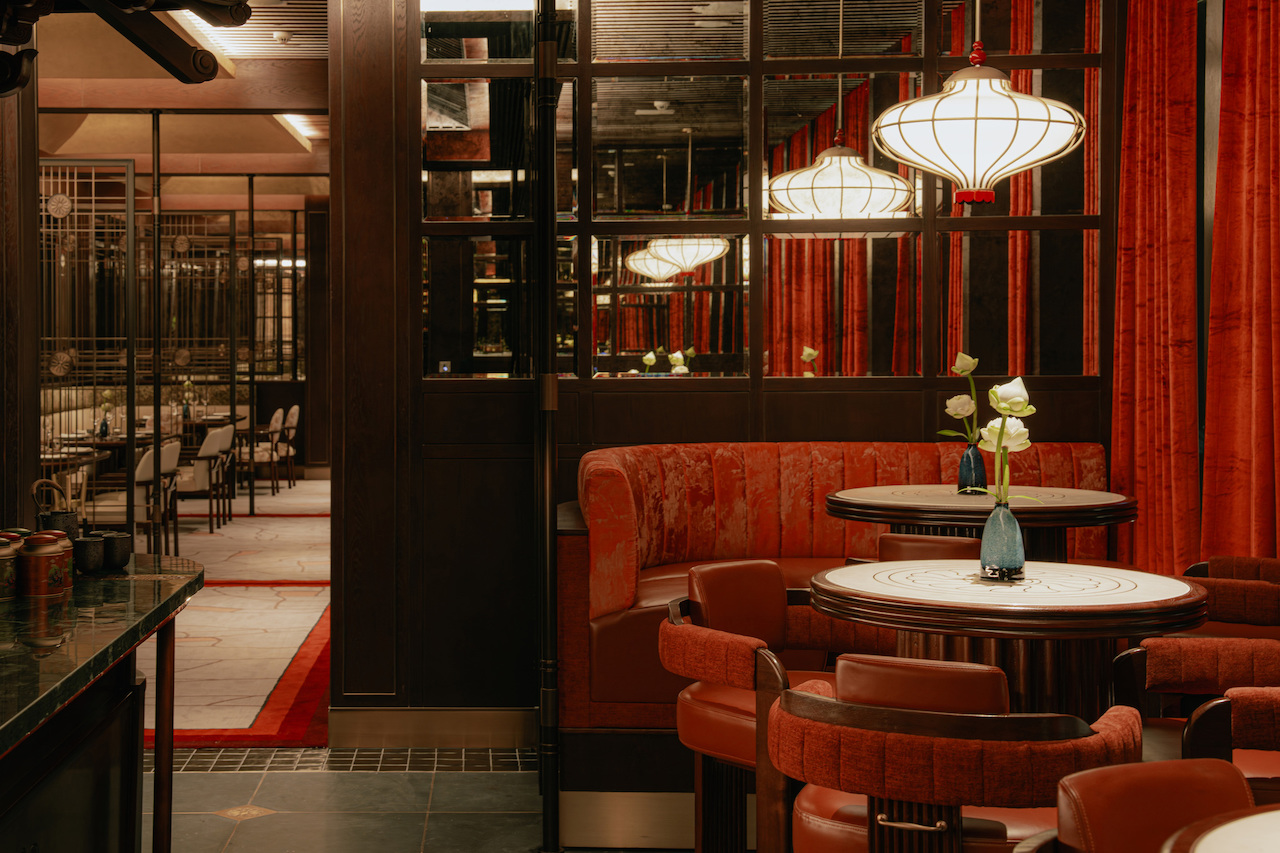
From the moment you arrive, the storytelling unfolds through every touchpoint. The design evokes a sense of quiet regality, the service is thoughtful and immersive, and our chefs bring a sense of theatre through delicate tableside preparations. The journey moves fluidly, from the bar to the dining room, and onward to the courtyard and private rooftop overlooking Hoàn Kiếm Lake, creating a multi-sensory experience where culture, atmosphere, and cuisine come together as one continuous narrative.
How do you decide what to preserve and what to evolve when working with heritage recipes for Tran Dynasty?
When I approach a heritage recipe or idea, I always begin with respect and understanding of where it comes from. In Vietnamese cuisine, it’s not about drawing from one specific era, but rather from a culinary heritage that has evolved across generations, over hundreds of years. Even when looking back to the Tran era, or other dynasties, there are no surviving written recipes in the way we understand them today. What we inherit instead is a philosophy, one that is deeply rooted in harmony: the balance of flavours, the use of fresh, seasonal ingredients, and a strong connection to nature.
What I evolve is the expression. I do this through technique, texture and presentation. I then refine it, make it lighter, more precise, but still recognisably Vietnamese at its core. At Tran Dynasty, I’m telling a story of the past, but speaking to a modern audience. So I always ask myself, how can I honour tradition while creating something that feels exciting, elegant, and relevant now.
It’s very fulfilling for me, when Vietnamese guests taste my dishes for the first time and think that it feels and tastes very familiar, yet it still surprises them, as it doesn’t appear traditional at all. That’s when I know I’ve found the right balance between preservation and evolution.
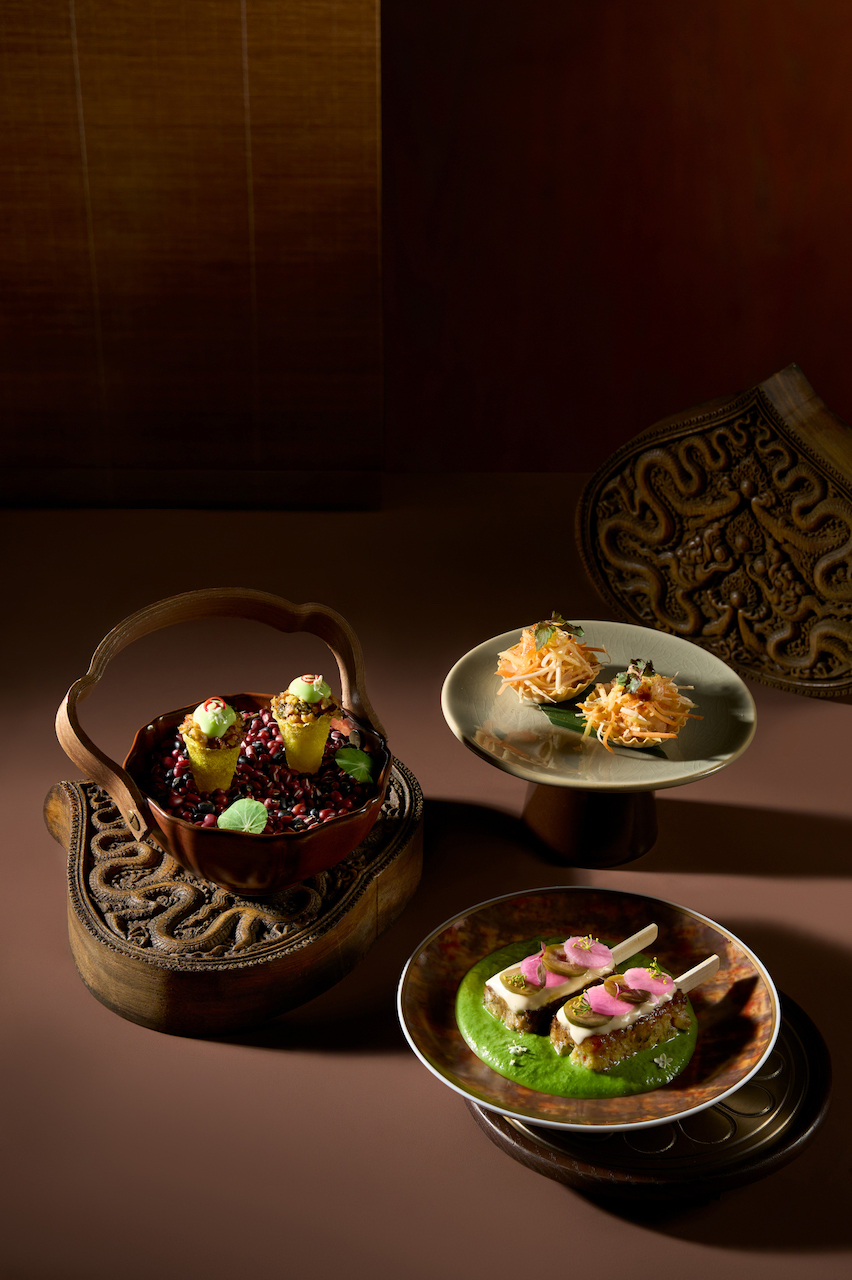
Vietnamese cuisine is often associated with balance and restraint. How do you translate those principles into a progressive, fine-dining format without losing its soul?
I refine through restraint. In a modern kitchen, there’s always a temptation to add more technique, more garnish, more complexity. But I often pull back. If the broth is already telling a beautiful story, I don’t interrupt it. If the herb or vegetable is fresh and vibrant, I just let it speak. The flavours become cleaner, the textures more considered, the presentation more elegant, but the soul remains. It still tastes like Vietnam, it still feels familiar, just seen through a more focused lens. For me, this is the definition of fine-dining.
The menu highlights distinctive local ingredients. How important is it for you to spotlight hyper-local produce, and how does that shape your creative process?
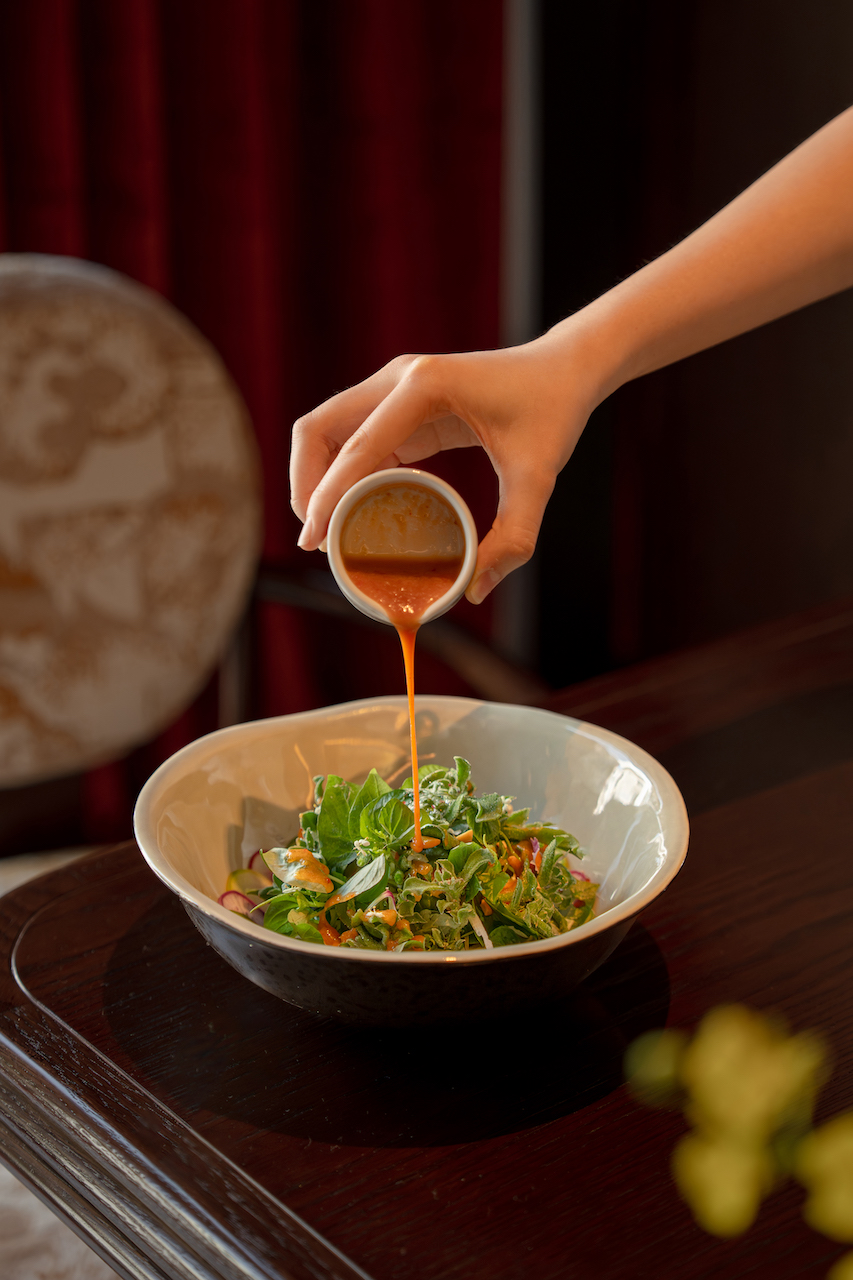
For me, it’s absolutely essential. Hyper-local produce is not just an ingredient, it’s a storyteller. When you use something like Lý Sơn garlic, Son La artichoke or crab from Ca Mau village, you’re bringing that place, that environment, and those people directly onto the plate.
Vietnam is very diverse, every region has its own character, and by highlighting this, the menu becomes a journey across the country. It’s not just about creating beautiful dishes; it’s about expressing a sense of place. Ultimately, when a guest tastes the dish, I want them to feel that connection, to understand that this isn’t just about the food, it’s a reflection of Vietnam itself, in its most authentic form.
Were there any lesser-known Vietnamese ingredients or techniques that particularly excited you while developing the menu for Tran Dynasty? And will you be constantly searching for unique produce around the country for your menus?
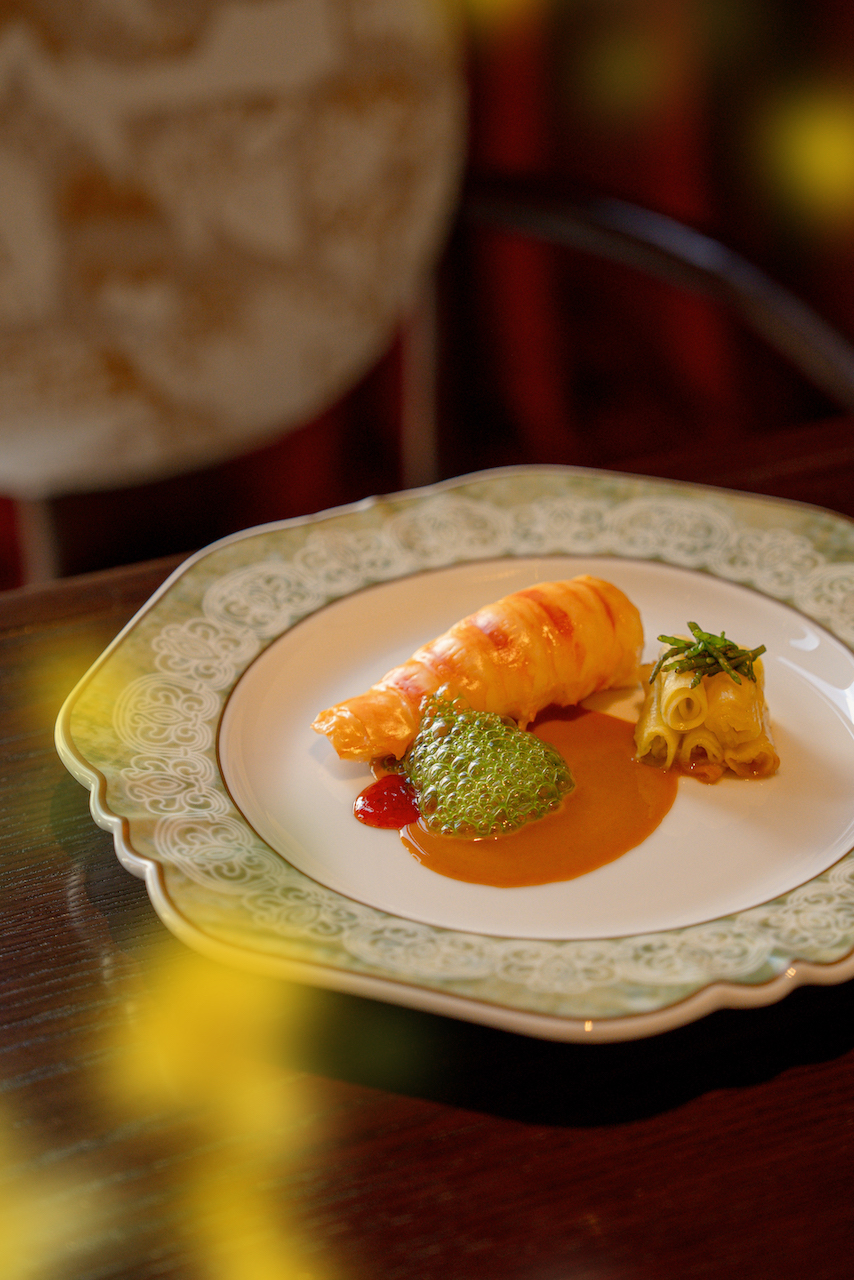
Yes absolutely, this is one of the most exciting parts of the journey for me. Vietnam has such an incredible depth of ingredients that even now, I’m still discovering things I’ve never worked with before.
There were a several ingredients that really stood out during the development of the menu. I’ve really enjoyed in particular, discovering wild spices, peppercorns and root vegetables that are hand foraged by ethnic minority groups through the mountains of north Vietnam. This process really motivates me to keep searching for more unique produce, so that I can share these unique discoveries with our guests.
What are some of the signature dishes and specialties that will be in the upcoming menu?
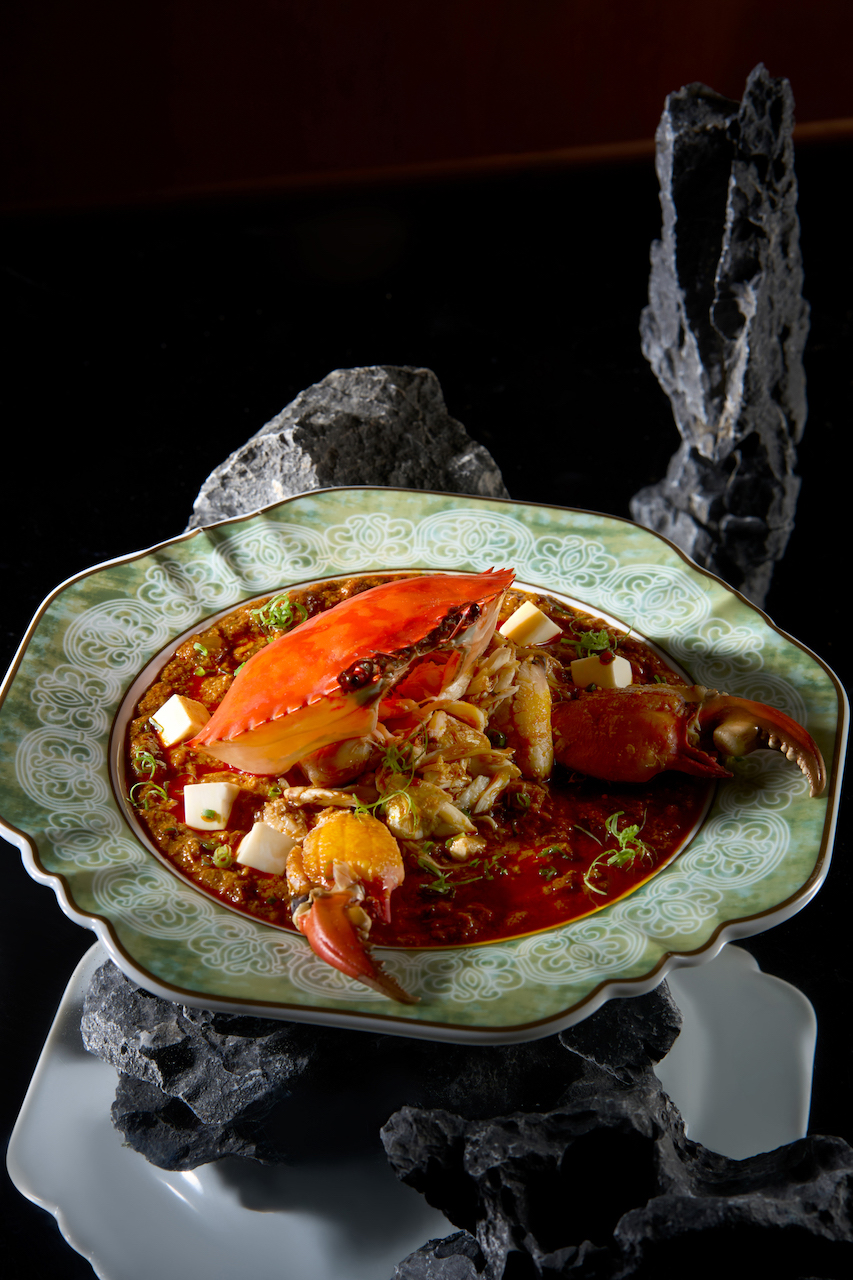
Ca Mau Crab with Silken Tofu, Tomato and Abalone XO: sweet and firm Ca Mau crab is paired with silken tofu, recalling the clear and delicate character of Northern crab soup, known as ‘Bun Rieu’. Abalone XO sauce brings depth of umami, while a warm note of tomato and crab rieu lingers softly, completing a harmonious and refined composition.
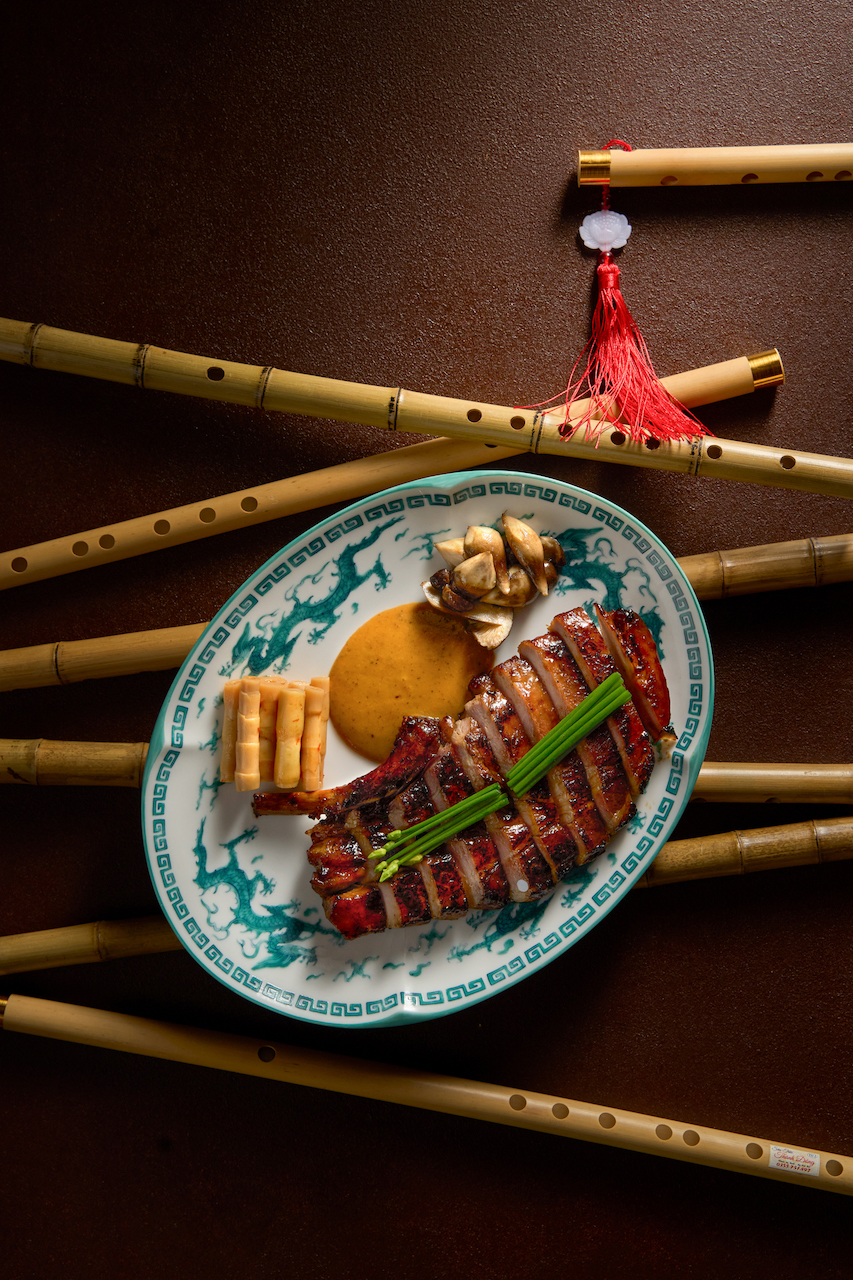
Char-grilled pork tomahawk, Vietnamese miso and wild long pepper: pork is marinated in Vietnamese miso, also known as preserved bean curd. It is then char-grilled to preserve its natural juiciness, revealing depth and gentle smoke. It’s served with a sauce made from wild long pepper from the Northern mountains and coconut from the Mekong, which brings a layered warmth. Hand-foraged Son La Artichoke adds a fresh, crisp surprise to the dish.
You’ve spent years championing Vietnamese food globally. What feels different about presenting it at this level, in Hanoi itself?
That’s a very personal question for me. When I present Vietnamese cuisine in Australia, I’m often introducing it, explaining it and translating it. It is a form of storytelling, but I’m speaking to an audience that’s possibly discovering it for the first time. Here in Hanoi, it’s very different. I’m not introducing the story; I’m returning it home. For me, presenting it at this level, there’s a deeper sense of responsibility. Our guests understand the cuisine, they grew up with these flavours, these aromas, these memories. So I have to be precise and very respectful. Emotionally, it means more as well. To present Vietnamese cuisine at this level, in Hanoi itself, feels like coming full circle. It’s not just about showcasing the food, it’s about contributing to its evolution, right where it belongs. And that, to me, is the greatest honour.