

Multi-generational trips require more than just shared plans. From accessibility to daily routines, thoughtful decisions can help reduce friction and keep the journey comfortable across all ages.
Travelling as a family is rarely a uniform experience. When multiple generations are involved, the gap between expectations becomes more visible. Some move quickly, others take their time. Some seek constant activity, others prefer pauses. The idea of travelling together often centres on shared moments, yet the success of the trip tends to depend on how well differences are managed.
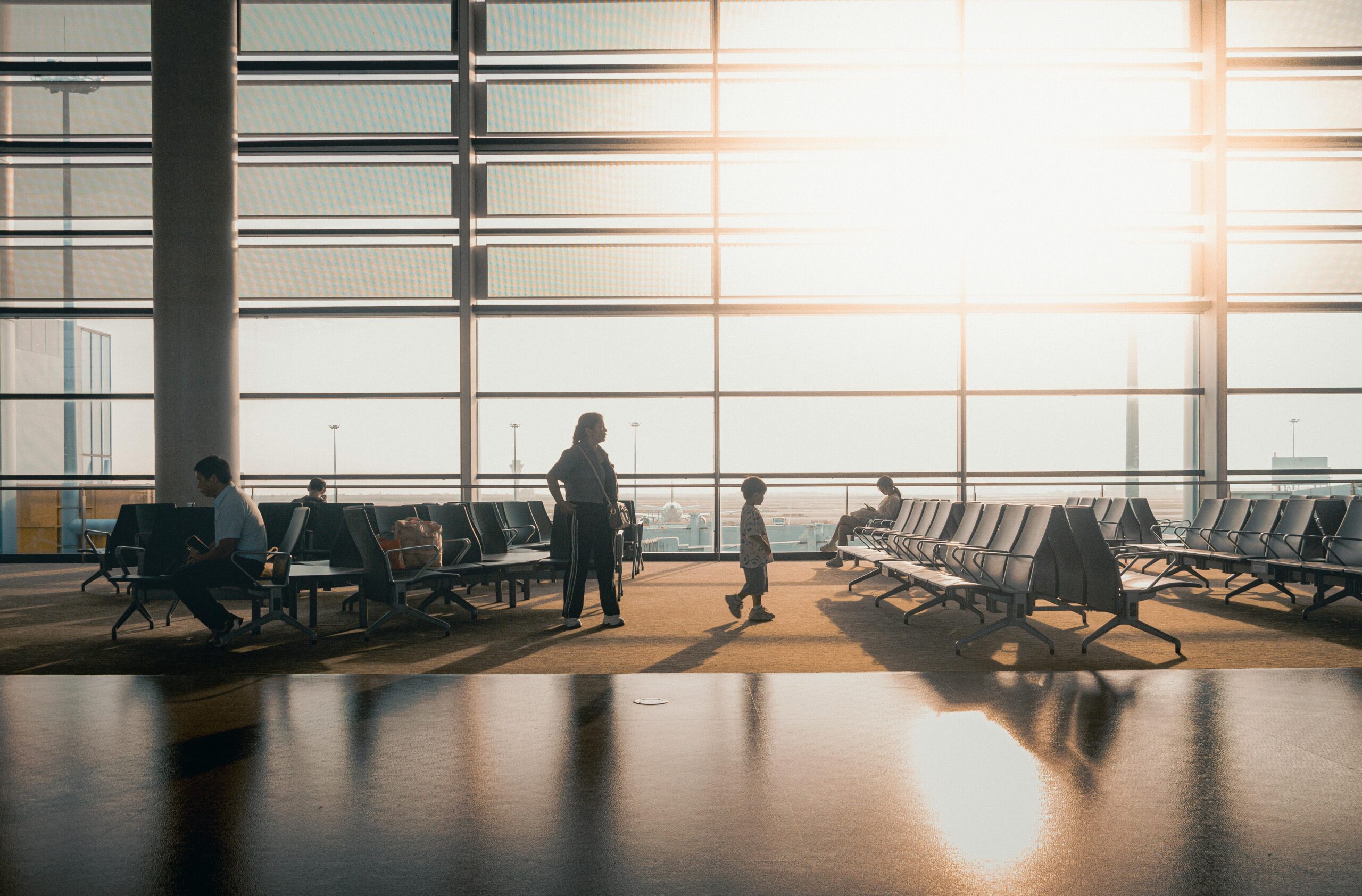
Planning for multi-generational travel is less about adding more to the itinerary and more about removing points of friction. Small decisions about movement, rest, and daily routines can shape the entire experience, often more than the destinations themselves. Let’s dive in to our multi-generational travel tips.
Agreeing
Beyond logistics, communication plays a quiet but central role. Aligning expectations before the trip can prevent tension later. Being clear about pace, interests, and limitations allows for more realistic planning. During the trip, flexibility becomes more valuable than strict adherence to a schedule. Some may want to explore further, others may prefer to stop earlier. Allowing for these differences without forcing compromise at every step creates a more sustainable rhythm.
Keeping everyone engaged does not require constant activity. Variety tends to work better than intensity. A mix of cultural sites, open spaces, and informal stops allows each person to find moments that resonate. In London, for instance, a walk that combines the British Museum, a pause in Russell Square, and a café stop in Bloomsbury is often more engaging than a sequence of back-to-back attractions. Attractions with seating or shaded areas can extend visits without adding strain. At times, doing less leads to a more balanced experience.

Packing
Packing, in general, benefits from a shared approach. Essentials can be distributed rather than unnecessarily duplicated, while key items such as medication or chargers may need backups. Lightweight bags are easier to manage, particularly when moving between locations. This becomes clear in cities like Rome, where uneven pavements and stairs are part of the experience. Managing smaller, lighter luggage reduces the effort required to move through these environments. Clothing that can adapt to different conditions also helps, especially in destinations with variable weather, such as Seoul or Paris during transitional seasons.
Planning
Movement is often the primary consideration. Accessibility plays a larger role than it might in a typical trip. Step-free routes, lifts, and ramps become part of everyday planning rather than occasional conveniences. Cities such as Singapore and Hong Kong offer well-connected pedestrian systems that allow travellers to move across districts with minimal interruption. Such infrastructure, including elevated walkways, covered paths, and reliable lift access, reduces the need to navigate uneven or crowded streets.
Transport choices follow a similar logic. Direct routes often work better than scenic ones that involve multiple transfers. Airport connections are a common challenge, especially after long flights. Systems like London’s Heathrow Express or Hong Kong’s Airport Express offer predictability, helping to reduce early fatigue.
Within cities, avoiding peak-hour crowds can make a noticeable difference for multi-generational travel tips. In New York, for instance, the subway during rush hour can be overwhelming, particularly for older travellers. Shifting travel slightly earlier or later allows for easier boarding and movement. In this sense, timing becomes as crucial as distance.

Staying
Accommodation significantly shapes the trip’s rhythm. Rooms located near one another, or spacious accommodations that allow families to stay together comfortably, tend to work best. Serviced apartments in cities like Bangkok or Dubai often provide more flexibility than standard hotel rooms, offering shared living spaces while maintaining privacy.
Lift access and minimal stairs reduce unnecessary effort, particularly in older buildings in cities like Barcelona or Florence, where smaller hotels may lack modern infrastructure. Location also matters. Staying within walking distance of key areas or near a transport hub allows the day to unfold with fewer interruptions. In Paris, for example, being near a central metro line can significantly reduce travel time across multiple destinations.
Daily logistics often become apparent over time. Laundry is one such detail that proves crucial, especially on longer trips. Cities like Tokyo and Seoul make this easier, with laundromats integrated into neighbourhoods and hotel facilities widely available. The option to wash clothes allows for lighter packing and reduces the need to manage large suitcases across multiple locations.
Managing
Once movement and accommodation are settled, the focus shifts to energy. Multi-generational travel requires a different sense of pacing. Itineraries that look manageable on paper can quickly become tiring in practice. Building in regular pauses helps maintain balance. Cafés, parks, and short returns to the hotel provide space to reset without disrupting the day.
Not every activity needs to involve everyone. Allowing parts of the group to rest while others continue can prevent fatigue from building too quickly. This is often easier in cities where attractions are clustered, such as Central Hong Kong or Manhattan, where attractions are within easy walking distance.
Another multi-generational travel tips, meals often act as natural anchors throughout the day. They offer structure without forcing it. Food choices, though, need to accommodate a range of preferences and needs. In cities like Osaka or Taipei, the variety of casual dining options makes it easier to adapt on the go, allowing travellers to adjust based on appetite and energy levels. Having reliable dining options nearby reduces the need for constant decision-making.
Navigation and safety remain practical concerns throughout the trip. Simple routes are easier to follow as a group. Offline maps and clear meeting points provide reassurance in busy areas such as Shinjuku Station in Tokyo or Times Square in New York, where it’s easy to get disoriented. For elderly travellers and children, having contact information readily available adds an extra layer of security.

Enjoying
Multi-generational travel does not prioritise covering as much ground as possible. It works best when the focus shifts to ease. Reducing unnecessary movement, allowing for rest, and accommodating different preferences can transform a potentially complicated trip into a steady and manageable one. In this context, shared travel becomes less about efficiency and more about moving together at a pace everyone can sustain.