
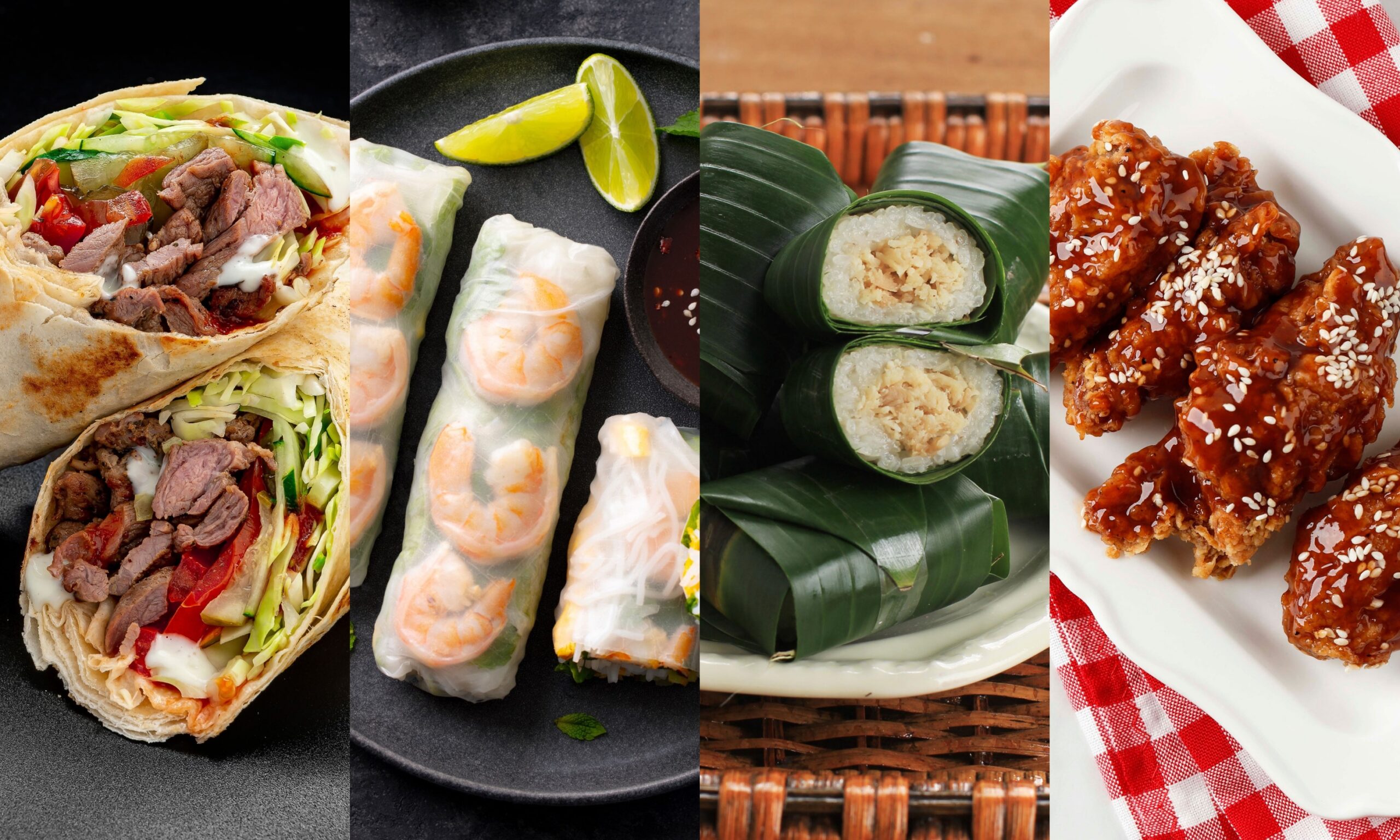

Preparing food for travel – particularly with little ones in tow – can feel like a delicate balancing act. These easy, family-friendly choices are designed to keep things effortlessly in hand.
Travel today is curated with near-ritual precision, from bookmarked restaurants and hard-to-secure reservations are mapped with military detail. Yet travellers tend to forget what to eat in transit. Most travellers default to a hasty airport sandwich or something forgettable from a roadside stop. But when travelling with family, particularly young children, those small decisions accumulate quickly. Suddenly, thinking ahead about your food for travel begins to feel less excessive and more quietly essential.
Ideal travel dish must survive hours in transit, remain satisfying without reheating, and appeal to younger palates without negotiation. With that in mind, these are ten dishes that travel exceptionally well – from Indonesian staples to enduring global comforts – proving that thoughtfully prepared food for travel need not be an afterthought at all.
Sandwich
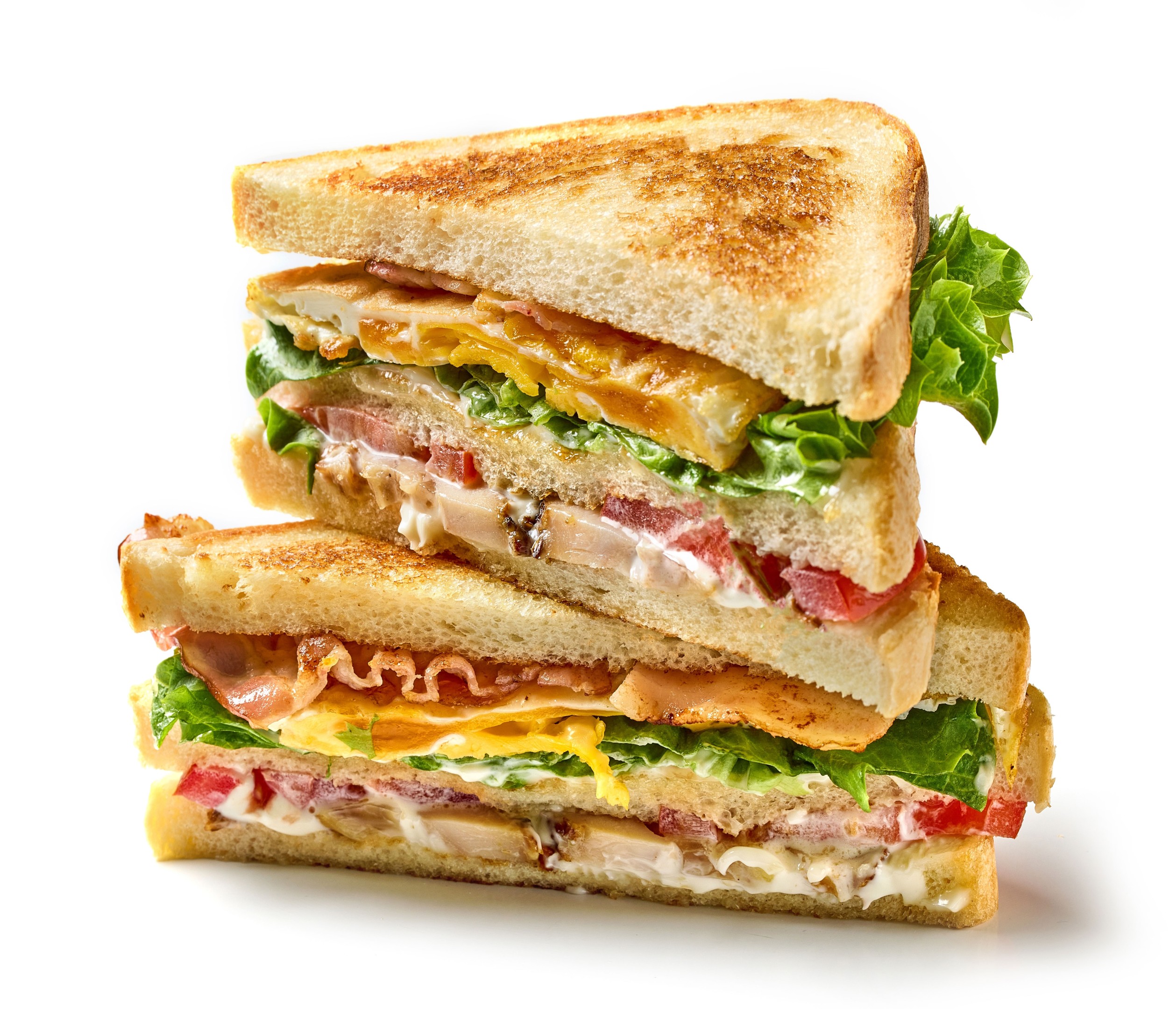 This well-loved classic remains a go-to for travel, and with good reason. Simple, adaptable, and nutritionally balanced, it keeps you comfortably full and energised on the move. Often traced back to 18th-century England and John Montagu, the fourth Earl of Sandwich, the concept may have existed even earlier, appearing in writings such as Edward Gibbon’s diary. Its purpose, however, has always been clear: a portable meal of bread and filling, designed for ease.
Whether you lean towards a creamy Japanese tamago sando or plant-based avocado fillings, the trick to making it work as food for travel is simple: assemble it with what you have, wrap it well, and keep any dressings entirely separate.
Kebab Wrap

At its core, kebab brings together roasted meat seasoned with herbs and spices, layered with vegetables such as lettuce, tomatoes, red onion, and cabbage. Traditionally served on skewers, kebab traces back to Central Asian nomads who grilled meat over open flames using their swords while the modern wrap is served in soft flatbreads like lavash, pita, and beyond.
Simplicity works best to make kebab as food for travel. Use an easy, pliable wrap such as a tortilla, then fill it with your choice of lamb, beef, or chicken, along with fresh vegetables and a touch of cheese. Yoghurt-based dressings are classic, though milder options like ketchup or cheese sauce tend to be more family-friendly.
Dakgangjeong

Almost every household has its version of fried chicken. The only catch: it tends to lose its crunch along the way. Enter dakgangjeong, the Korean sweet-crispy version that makes brilliant food for travel. The chicken is coated in flour and starch, then deep fried twice for that signature crunch. The real magic, though, lies in the glaze: a glossy mix of soy sauce, brown sugar, vinegar, honey or corn syrup, garlic, and ginger that clings to each piece and helps preserve its texture over time.
As it rests, the coating gently caramelises, keeping the chicken crisp at room temperature. For a more traditional touch, a spoonful of gochujang in the sauce mixture adds depth, though you might want to go easy if little ones are sharing.
Tamagoyaki
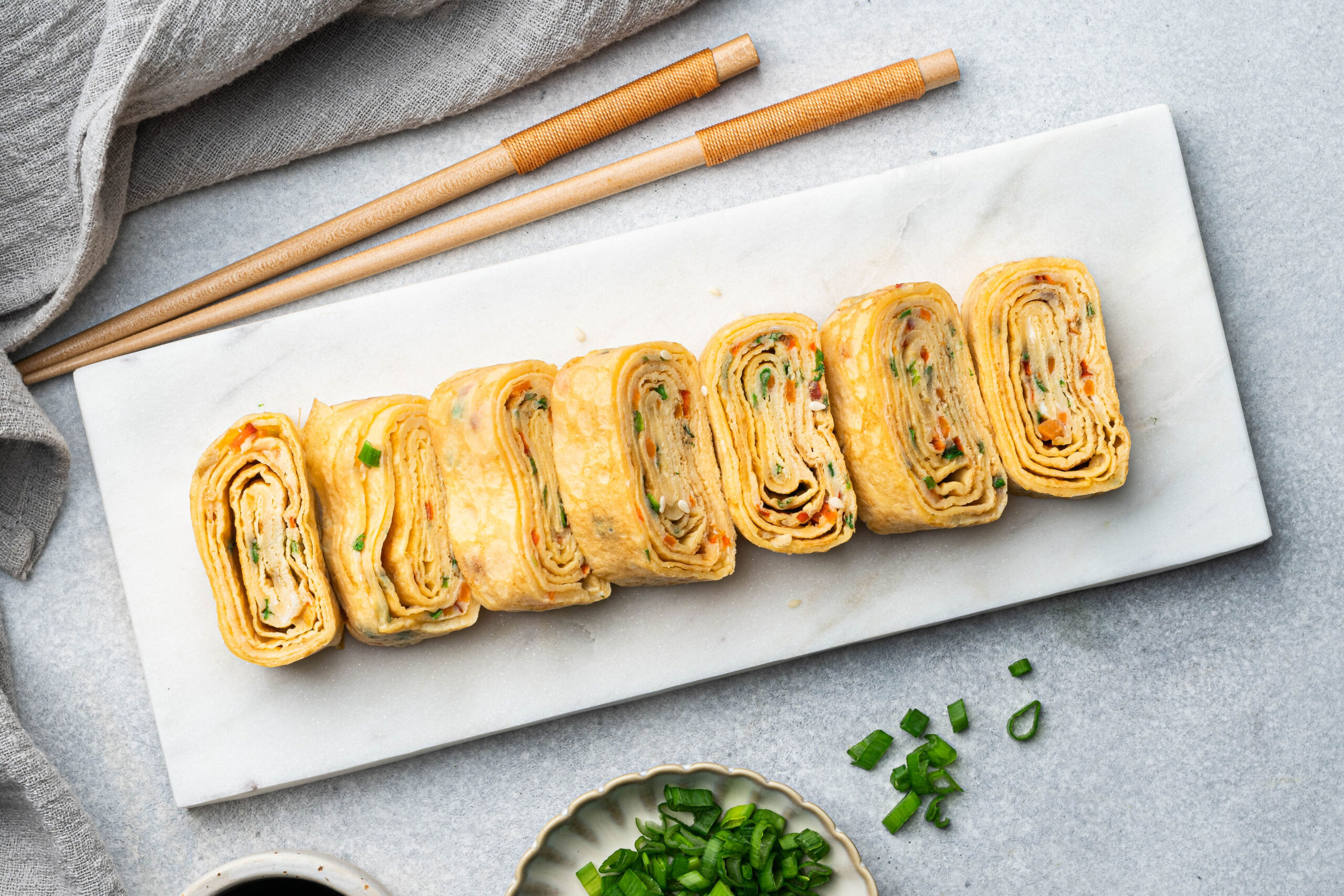
A familiar sight in Japanese lunchboxes and a firm favourite with children, tamagoyaki’s popularity rose in the 1950s, when the Japanese government encouraged families to add more protein to children’s diets. Made entirely from eggs, it offers a good protein boost and pairs easily with rice, bread, or anything else you have packed.
The omelette is cooked in thin layers, each folded over the last while still slightly soft, then set into a neat, sliceable block. The result is tender yet structured, almost cake-like, giving you a satisfying bite rather than a flimsy fold of egg. Seasoning is typically kept gentle: a mix of soy sauce, sugar, and mirin, whisked carefully to keep the texture smooth and dense.
Tortilla Rolls
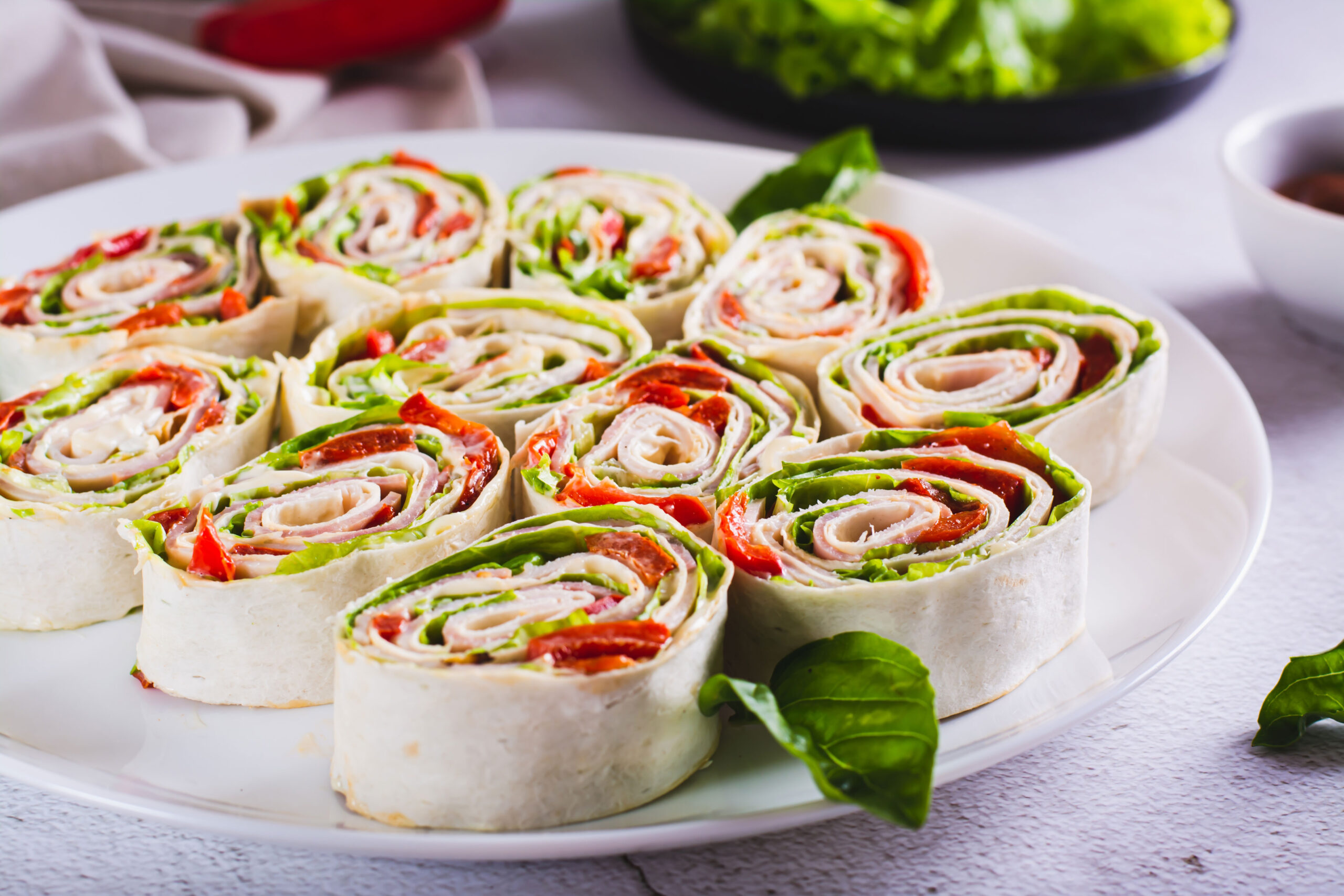
Tortillas carry a culture-rich history of Mesoamerica where the Aztecs ate corn tortillas on their own or filled with meats, beans, squash, and vegetables. Tortilla roll-ups, often called pinwheels, feel like the smarter move for travelling with children. Neat, bite-sized, and far less messy, they are easy to pack and even easier to eat on the go.
They welcome all sorts of fillings: savoury combinations like cheese, ham, and thinly sliced pickles, or sweeter options with fruit purée, cream cheese, or peanut butter. For longer journeys, stick to sturdier fillings such as cheddar, bacon, ham, or diced turkey, and keep any dressing separate. If you’re adding pickles, give them a quick pat dry to keep everything fresh and tidy.
Tahu Isi
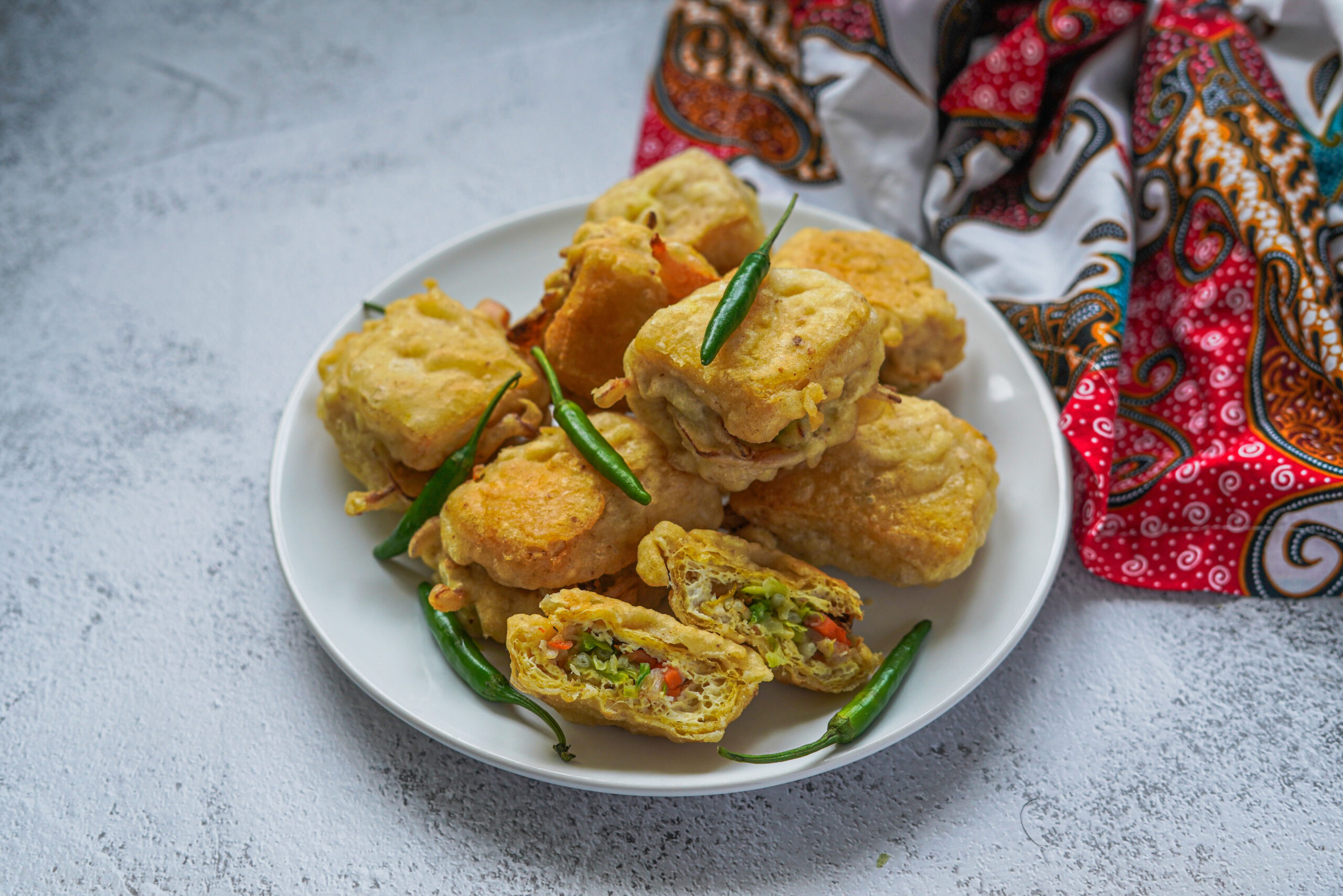
Tahu isi (stuffed tofu) is a staple at Indonesian gorengan stalls that make for surprisingly well-rounded food for travel. Inspired by Chinese stuffed tofu, hollow tofu puffs are filled with a stir-fried mix of beansprouts, julienned carrots, chives, cabbage, and sometimes vermicelli, then dipped in batter and fried until golden.
Though often treated as a snack, it offers a good balance of carbs, protein, and fibre to keep you going on the road. For family trips, keep the seasoning mild and serve the bird’s eye chillies on the side. To keep things lighter, you can also air-fry instead of deep-frying; you will still get that crisp edge without the extra oil.
Lemper
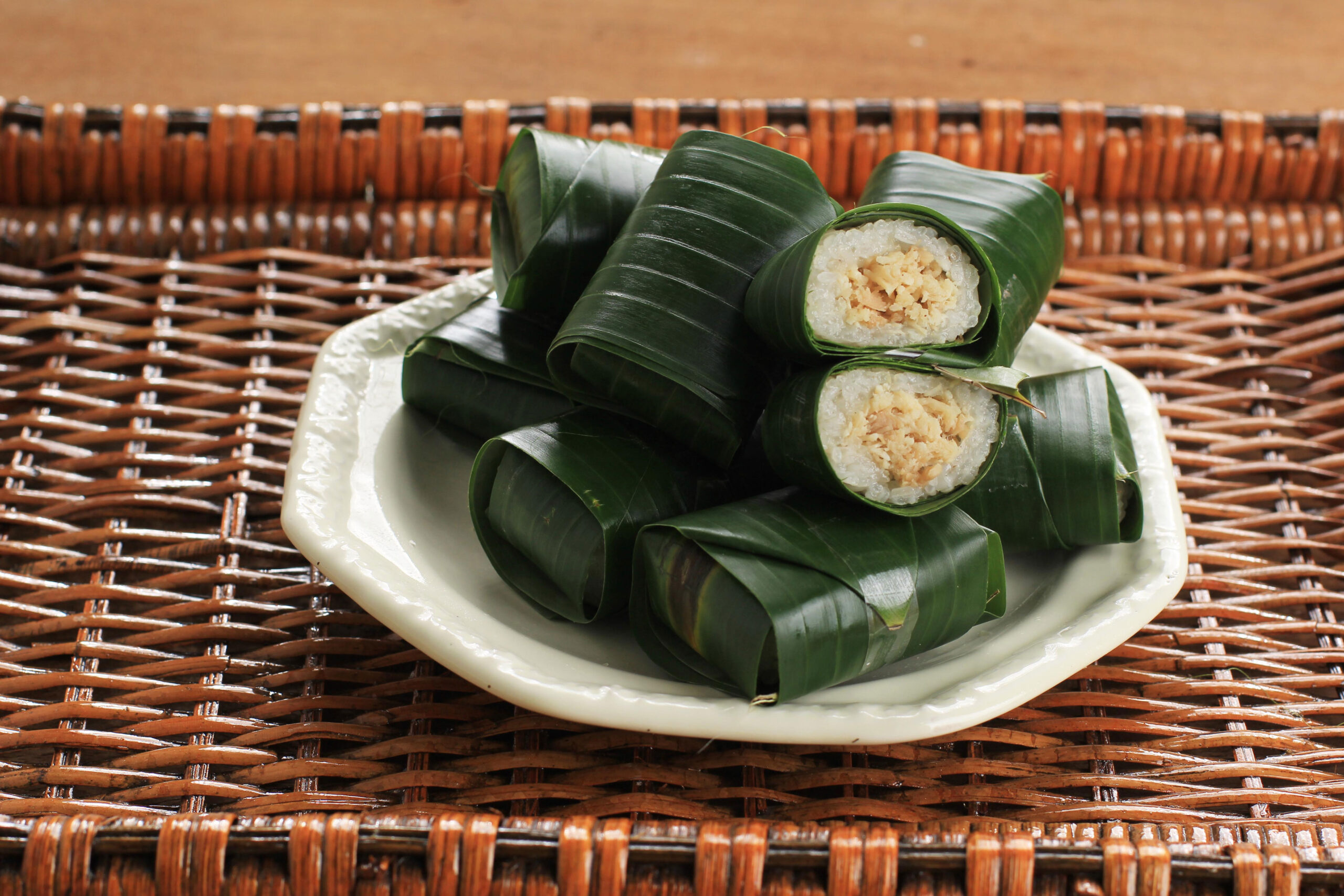
A traditional Javanese snack from the Special Region of Yogyakarta dating back to the 18th century, lemper is a sticky rice cake filled with minced chicken or savoury floss. Some liken lemper to Japanese onigiri; both centre on rice wrapped around a filling. The difference is that lemper uses glutinous rice cooked with coconut milk and is wrapped in banana leaf, designed as durable food for travel while giving it a gentle aroma and helping it keep longer thanks to the leaf’s natural properties.
Kimbap
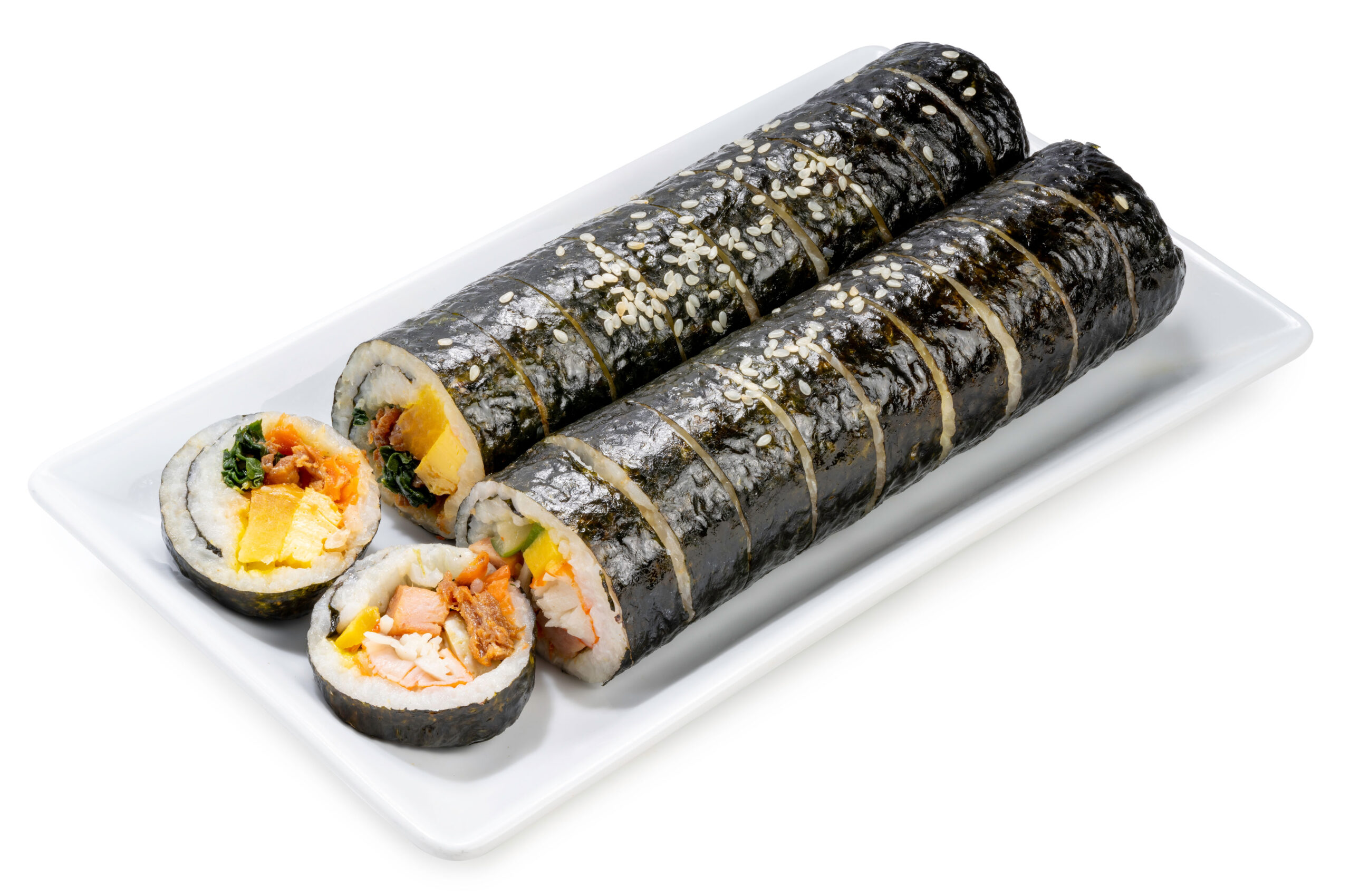
This neatly rolled rice dish, encased in seaweed and filled with a variety of ingredients, has long been a dependable staple for almost any occasion. A familiar presence at picnics and outdoor gatherings – often enjoyed alongside kimchi, tteokbokki, and pickled radish – it speaks to a quiet versatility that has made it a popular food for travel.
Traditional fillings keep things balanced: egg, carrot, pickled radish, spinach, and burdock root, all neatly packed into seasoned rice with a hint of sesame oil and salt. Meanwhile, modern versions lean a little more playful, with additions like tuna mayo, bulgogi, ham, or cheese, making it especially appealing for younger palates.
Bao
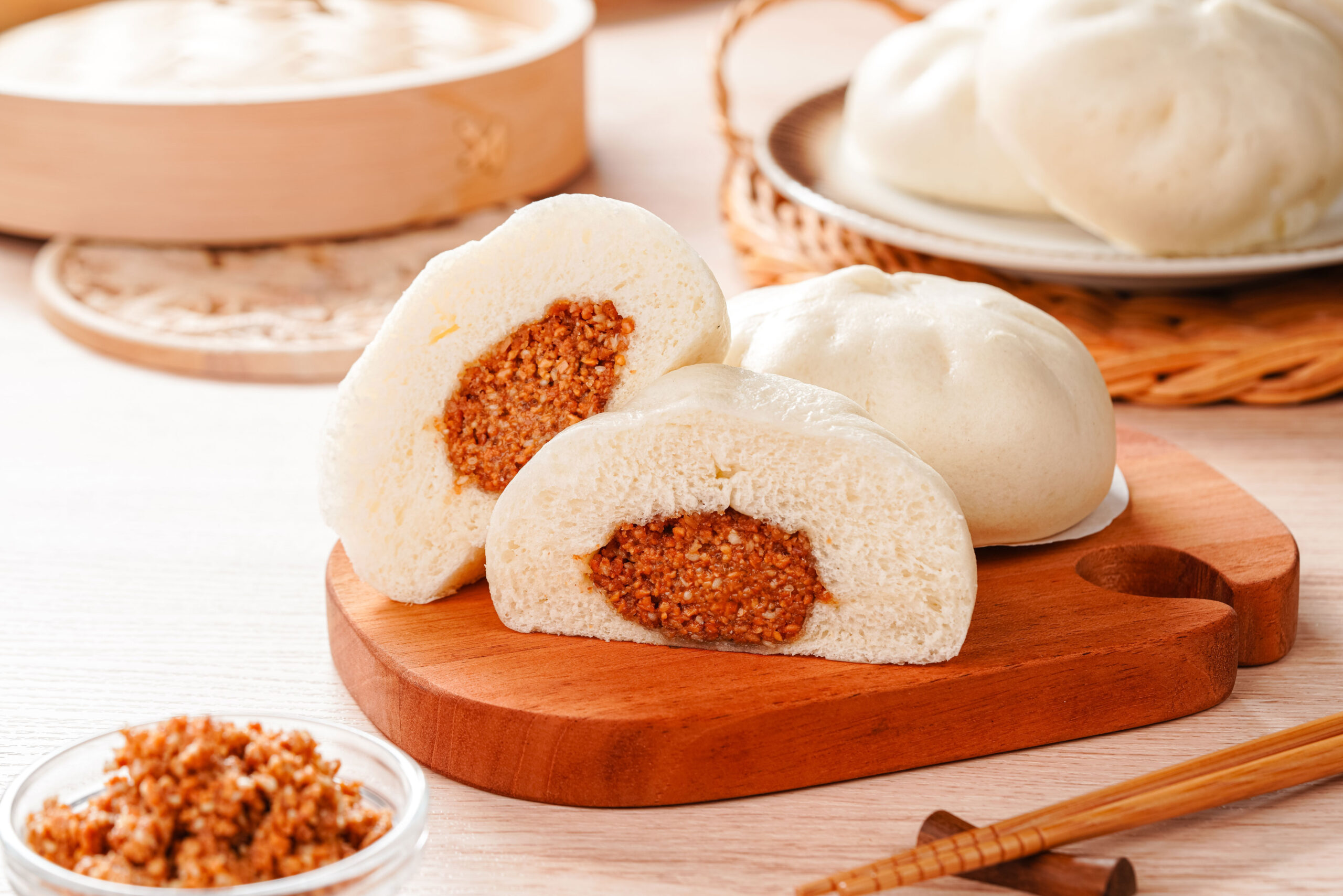
Steamed buns, known as baozi or simply bao, are a staple across China, with countless variations shaped by regions. In Indonesia, commonly known as bakpao, they often lean to sweet fillings like chocolate, red bean, mung bean, cheese, or peanuts. Savoury versions are usually filled with minced meat, chicken, or salted egg, and sold fresh from street stalls across the country.
Soft, fluffy, and wheat-based, bao are practically made as a food for travel. They are easy to prepare, keep well for hours, and are almost always a hit with the little ones. One or two can go a long way in keeping everyone comfortably full between stops.
Vietnamese Summer Rolls
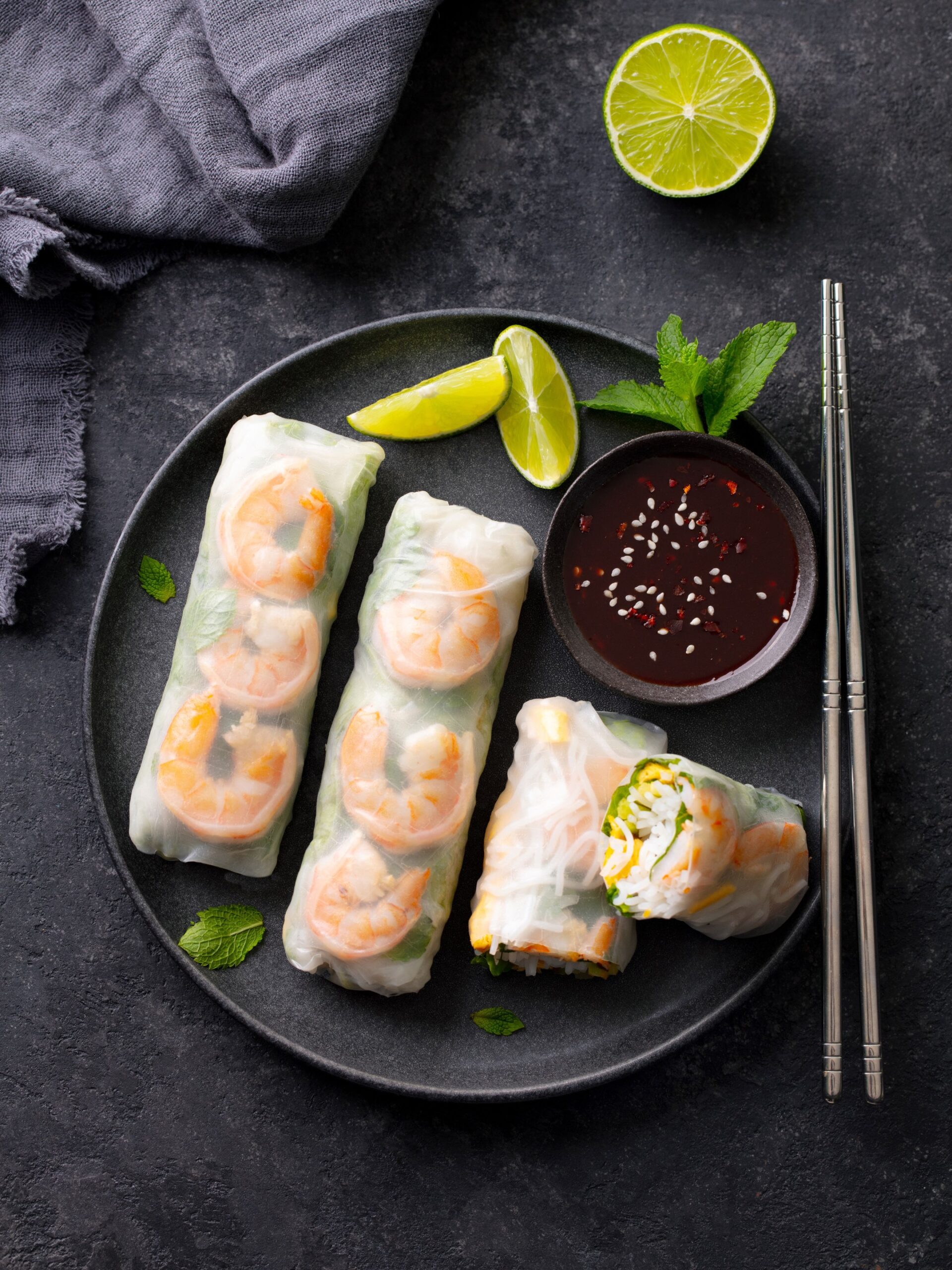
Known by different names across Vietnam, gỏi cuốn in the south, nem cuốn in the north, and bánh cuốn in central regions, these fresh rolls are best recognised for their delicate rice paper wrap. Often called spring rolls for their seasonal origins, they are just as commonly referred to as summer rolls to avoid confusion with the fried version.
Softened rice paper wrapped around rice vermicelli, vegetables, and herbs like basil, coriander, and mint, with added protein such as roast pork or prawns. Modern variations might include chicken, crab stick, or tuna. The dipping sauce does much of the work here, whether it is a bright fish sauce with lime and chilli, a nutty peanut blend, or something milder for younger tastes. Beyond their practicality, they are refreshing and nutritious as a food to have during travel.
Packing Food for Travel
- Use an insulated bag to maintain a safe, consistent temperature throughout the journey.
- Wrap dishes in foil for ease of packing and to preserve freshness.
- Banana leaves are an excellent alternative, helping food keep longer while lending a subtle aroma and natural antimicrobial benefit.
- Pack small sachets of sauces, dressings, or seasonings to refine flavours on the go.
- If bringing rice, cook it a day in advance, then chill or freeze before reheating prior to departure; it keeps better and offers a steadier release of energy.
- Include water-rich fruits such as apples, pears, oranges, berries, or grapes, or opt for low-sugar boxed juices to stay hydrated while travelling.