

In Portugal’s Alentejo, serious wine has been made for decades in near-total obscurity. The vast region owes the world no explanation, but an introduction seems overdue. Text by: Dawson Tan
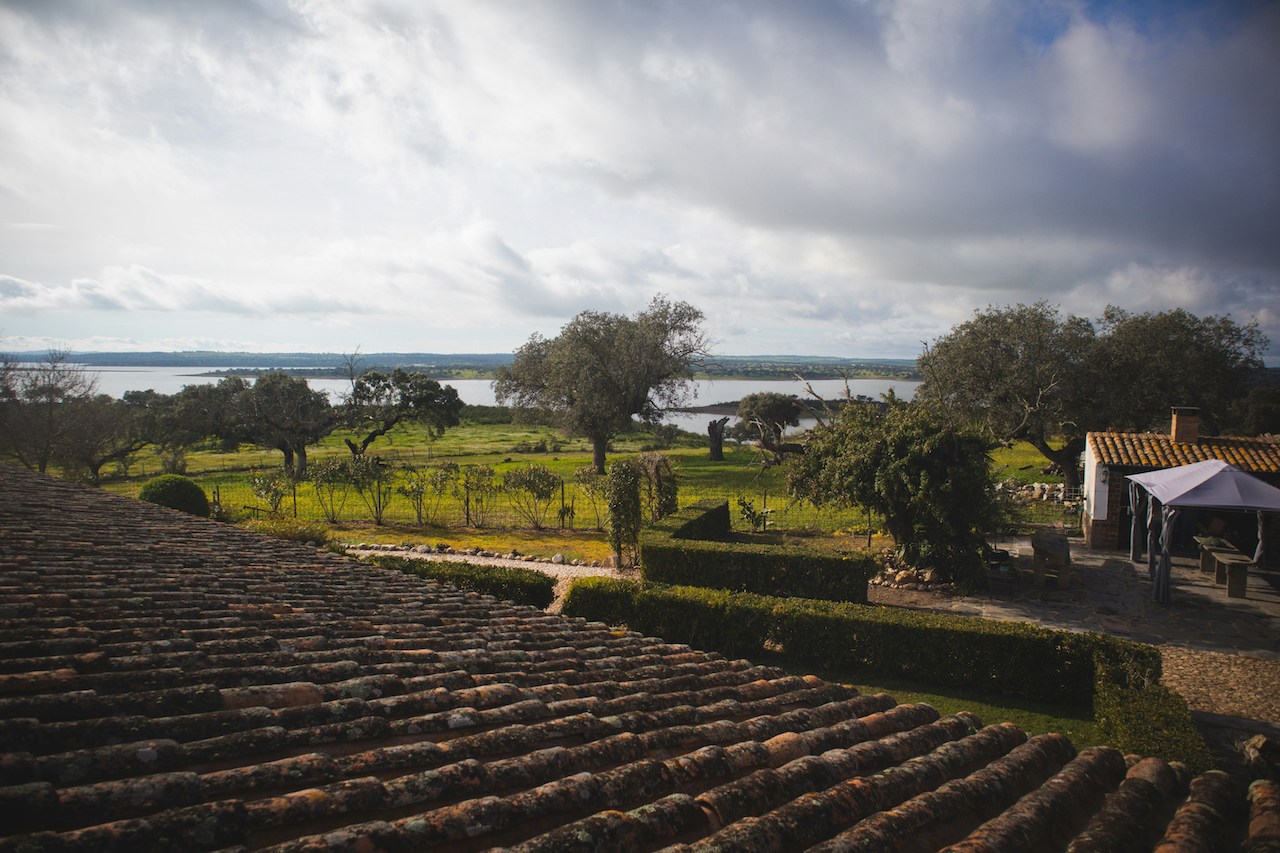
There is a particular quality of silence in the Alentejo that feels almost aggressive. Driving an hour east of Évora, the landscape unfolds into something ancient and unhurried. Think vast plains of rust-red earth rolling under expansive skies, interrupted by cork oaks stripped to their raw orange trunks, sporadic farmhouse speckled with grazing livestock, and row upon row of vines that have been here considerably longer than anyone currently tending them. This is not wine country as brochures typically imagine it. There are no photogenic cliff-face vineyards nor fog rolling in cinematically at dawn. What there is, instead, is substance. And rather much of it.
A Brief History Of Being Overlooked
For the uninitiated, the Alentejo is Portugal’s great sun-drenched interior, a region covering roughly a third of the country’s landmass south of Lisbon, where viticulture shares the landscape with cork forests, olive groves, and cereal plains that stretch towards the Spanish border. The vines are not the only story here. But increasingly, they are the most interesting one.
The modern chapter of Alentejo wine began in 1989, when the region was officially sub-divided and a wave of long-overdue investment followed Portugal’s entry into the European Union. Temperature-controlled winemaking arrived — no trivial development in a region where summers routinely push past 40 degrees Celsius — and with it, the possibility of wines that expressed character and complexity. What the region already possessed was time. The old vines were already there, as were the varieties and the ancient soils. The infrastructure simply needed to catch up.
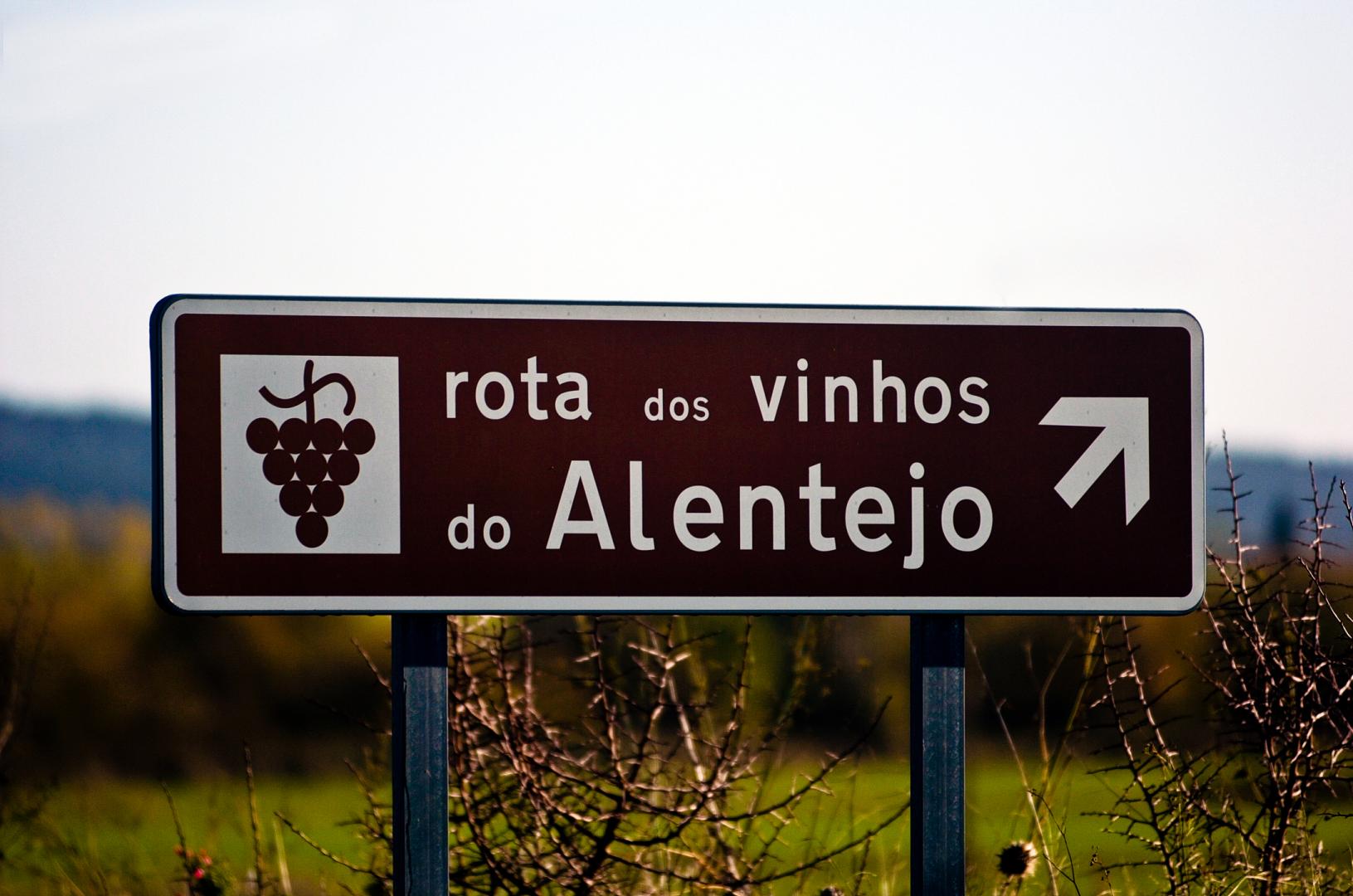
The Terroir, Explained
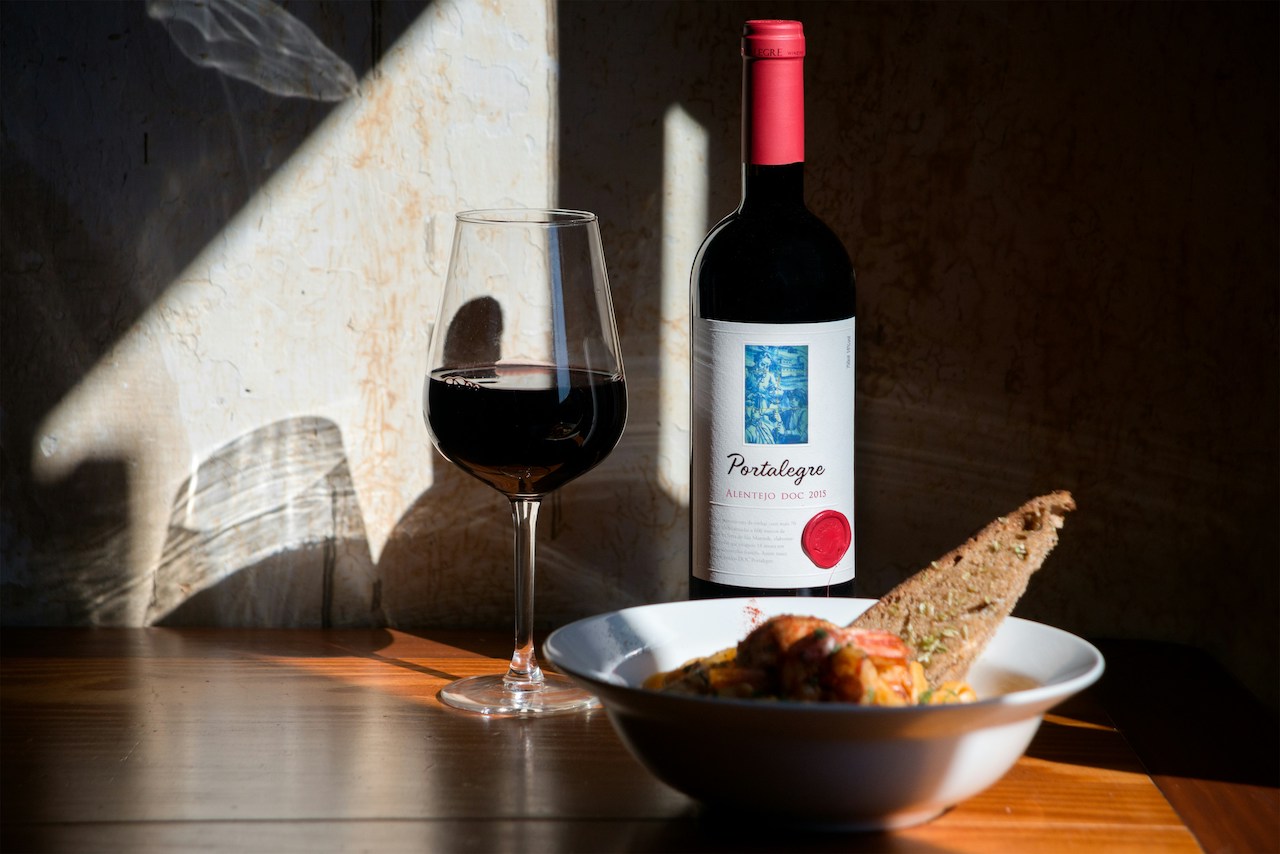
Eight sub-regions now constitute DOC Alentejo, and treating them as a single climatic proposition is the first faux pas. The north-eastern reaches around Portalegre, pressed against the Serra de São Mamede mountain range near the Spanish border, sit at elevations that generate a genuine coolness — and, consequently, a structural elegance — that consistently surprises visitors who arrive expecting pure power.
Further south, around Reguengos, Évora, and Vidigueira, warmer soils and longer sun exposure conspire with skilled hands to produce something richer and more generous, but never overblown. The soils shift too, from granite and schist in some areas to chalk and clay in others. These are not interchangeable terroirs, but variations on a proposition, each making a slightly different argument.
Meet The Defining Varietals
The grape varieties deserve their own moment of attention. Aragonez — known elsewhere in Portugal as Tinta Roriz or Tempranillo in Spain — produces full-bodied, inky reds carrying fine notes of dark berries and black pepper, representing the structural backbone of virtually every serious Alentejo red blend. Trincadeira brings the necessary tension: bright acidity, floral lift, a jammy black plum character that prevents a warm-climate wine from becoming complacent. The white Antão Vaz, relatively unknown beyond the region, is prized for its mineral freshness and versatility — crisp and aromatic when picked early, but honeyed and full when left to ripen longer, making it a compelling candidate for barrel maturation.
And then there is Alicante Bouschet. Originally French, one of the rare red-fleshed varieties in existence, it arrived in the Alentejo and became more convincingly itself here than it ever managed at home. It produces wines of deep colour, dense structure, and real ageing potential. It is among the more eloquent arguments for terroir, where a grape travels to find its character.
The Producers The Portuguese Trust
The producers working with this material represent a range of approaches united by respect for what the land already offers. Dona Maria, the Alentejo project guided by veteran winemaker Júlio Bastos, produces wines of real precision — concentrated and structured, unmistakably of their place. The historic Herdade do Mouchão estate, under the caretaking of storied custodian Iain Reynolds Richardson, continues to produce wines of brooding, age-worthy intensity built substantially around Alicante Bouschet — serious bottles that reward patience.
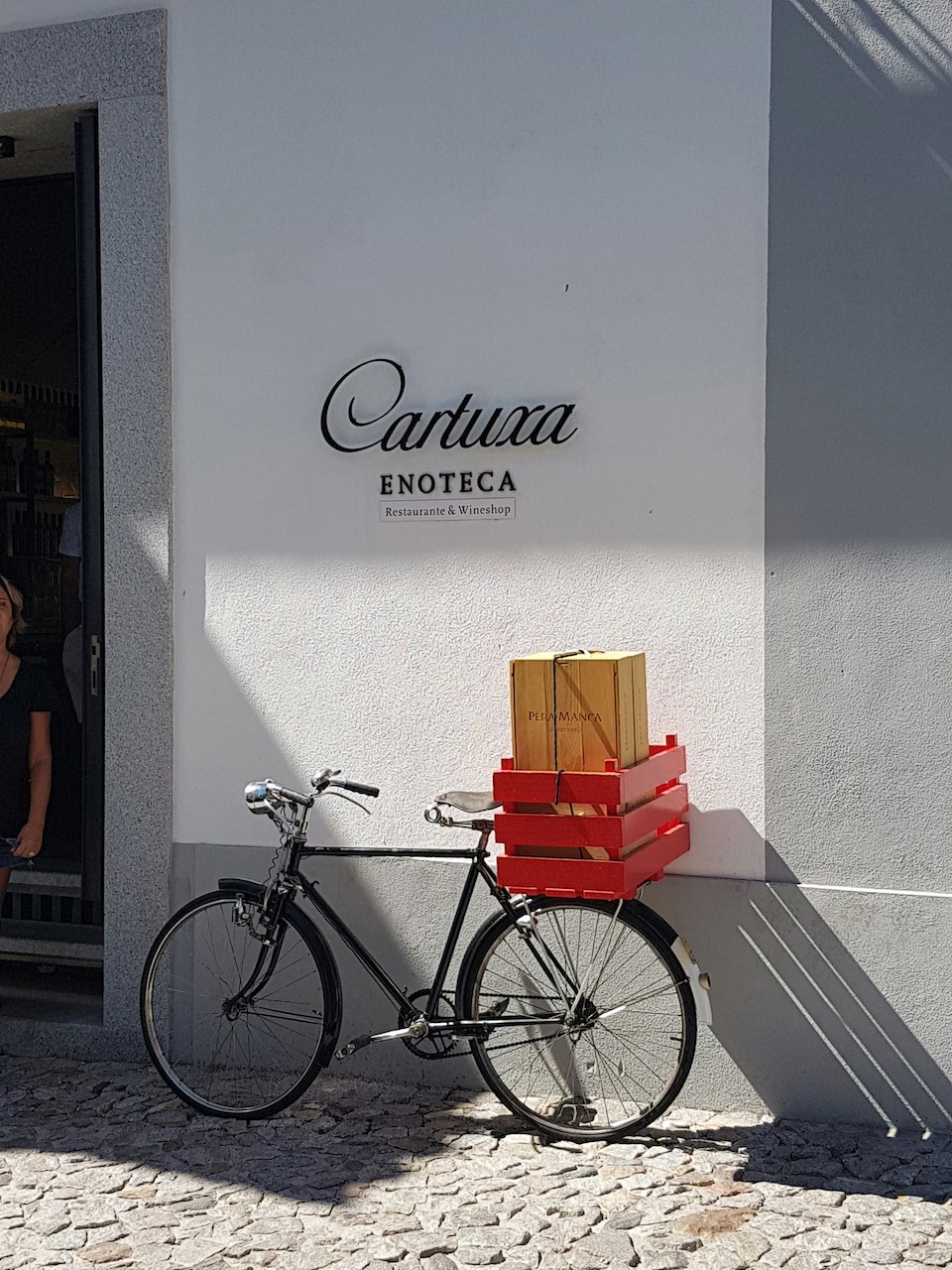
Cartuxa — proprietor of Pera Manca, a widely acclaimed and time-tested Portuguese table wine — operates with the kind of unhurried confidence that comes from decades of doing things properly. Herdade do Rocim produces some of the region’s most exciting work across both red and white varieties, and is worth seeking out specifically for its progressive approach with indigenous grapes as well as efforts to resurrect the art of amphora winemaking.
For those wanting an immediate, affordable introduction to the region, Esporão’s Monte Velho range remains one of the most dependable and genuinely pleasurable entry points at any price. These are, it bears repeating, the wines that the Portuguese actually drink. Not on special occasions. On Tuesdays, with whatever is on the table, and that is no small credential.
The case for the Alentejo is ultimately a straightforward one: here is a wine region with legitimate historical depth, genuine indigenous distinctiveness, and producers who have spent three and a half decades refining their craft. Most pricings still reflect a world that hasn’t quite caught on, but that window does not stay open indefinitely. What’s sensible is to get there first.