
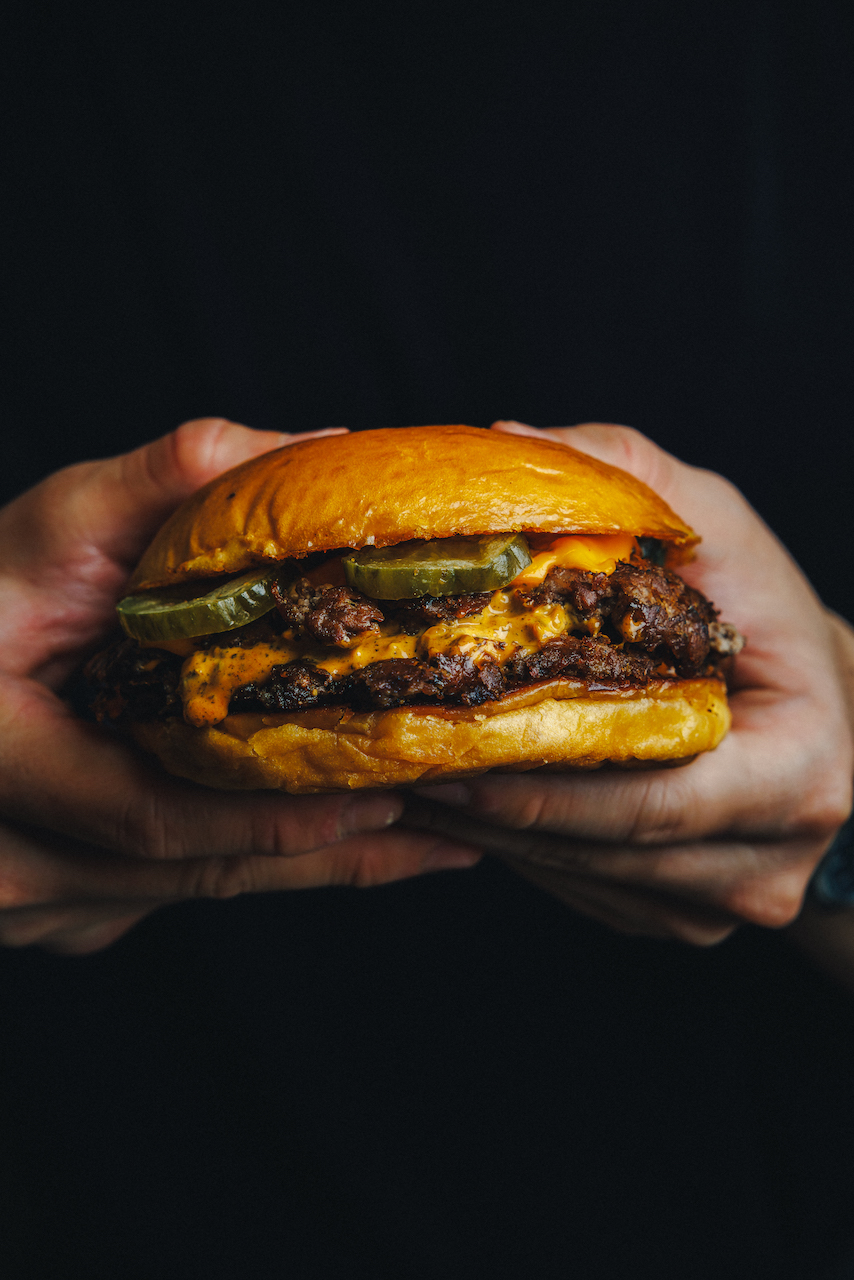

From smash burgers to wood-fired patties, diners seem to be moving away from overly engineered alternatives and rediscovering the appeal of quality beef, thoughtful sourcing, and simple food executed with precision. By Amy Van
Not long ago, the burger seemed poised for reinvention. Plant-based patties arrived with a sense of inevitability – engineered to mimic beef in taste, texture, even appearance. They bled, they sizzled, they promised a future where indulgence could coexist with sustainability.
For a time, the industry leaned in. Diners experimented and curiosity drove demand. But as quickly as the surge came, it settled. What remains today is not a rejection of alternatives, but a focus on something far more elemental.

“I think there’s something fundamental about eating things as they were originally intended,” says Aaron Yeunh, founder of Smash Street, a new smash burger concept that opened on 50 Amoy Street in early April. “Something as iconic as a burger has its roots in bread, meat, and classically, beef. That combination is timeless… Trends will always ebb and flow, but to me the constant is the classic,” he says.
Aaron also believes that people care more deeply about what they’re eating now. “There’s a greater appreciation for thoughtfulness; whether that’s the balance within a burger, the ambience of where you’re eating it, or the care that goes into every ingredient. That shift, I think, is drawing people back to the classics, where so many are passionately trying to elevate rather than revolutionise,” he adds.
Why the Classics Still Win
Across the board, chefs and operators describe the same pattern: diners are choosing more deliberately. “With rising costs across the industry, guests are more intentional about what they order,” says Ivan Lim, executive chef at Black Tap Singapore. “They’re looking for something that feels both satisfying and worth the spend. A classic beef burger continues to resonate because it delivers on flavour, indulgence, and familiarity in a very consistent way.”
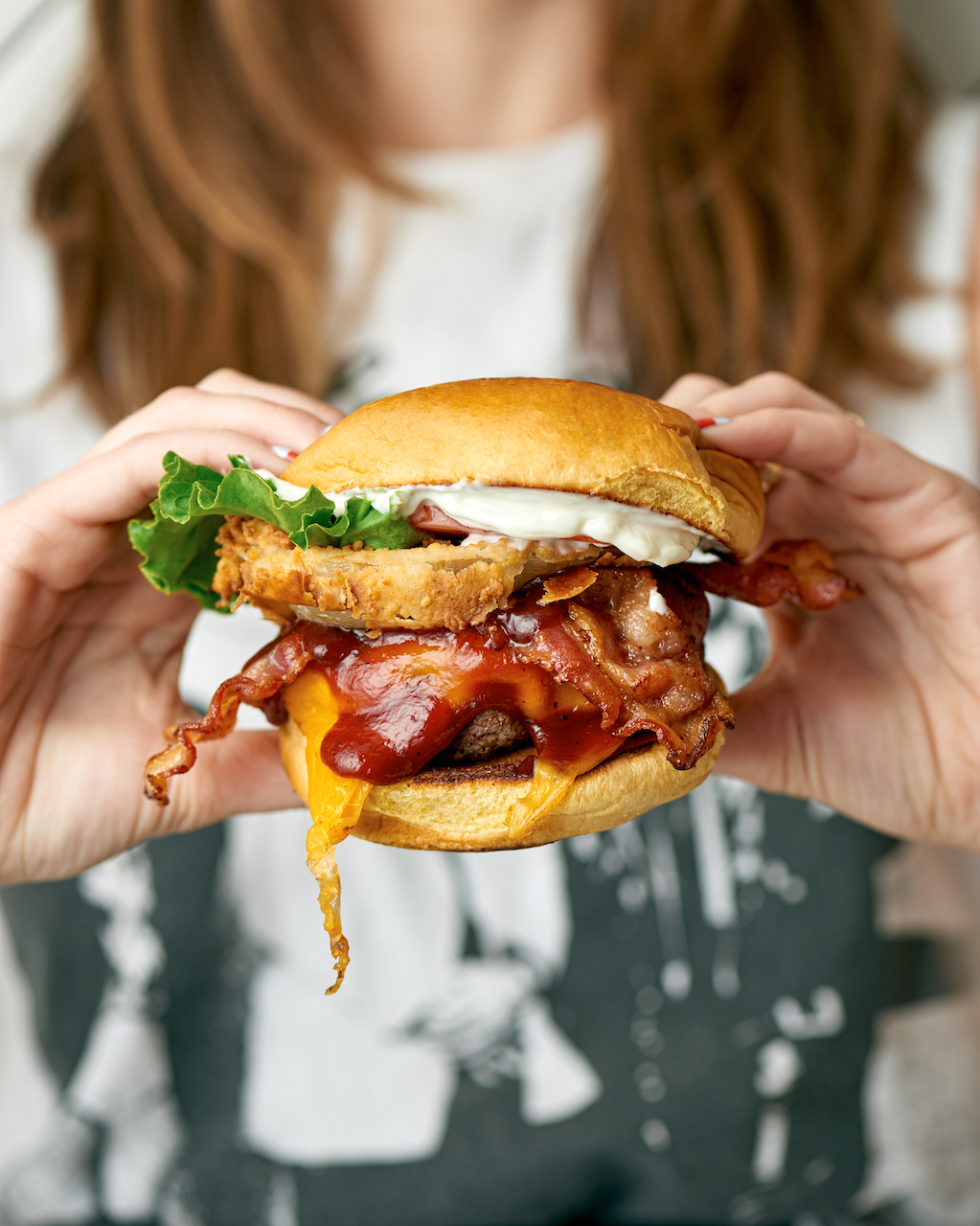
Michel Lu, founder of Wild/Fire, which has been around for over a decade, sees the current moment as a natural evolution rather than a reversal. “The initial surge in plant-based burgers was driven by curiosity, novelty, and a genuine openness to alternatives,” he comments. “Over time, that curiosity has matured. Consumers are more informed now – they understand that plant-based options also come with their own considerations, whether that’s processing, ingredients, or nutritional balance. So the conversation has become more nuanced.”
What diners are gravitating back to, Michel suggests, is not simply meat patties, but reliability. “At the same time, diners are returning to what delivers consistently on flavour, texture, and satisfaction. When you start with good quality beef and cook it properly over wood fire, you get a depth and honesty of flavour that’s hard to replicate. It’s simple, but it’s also very complete as an experience,” he adds.
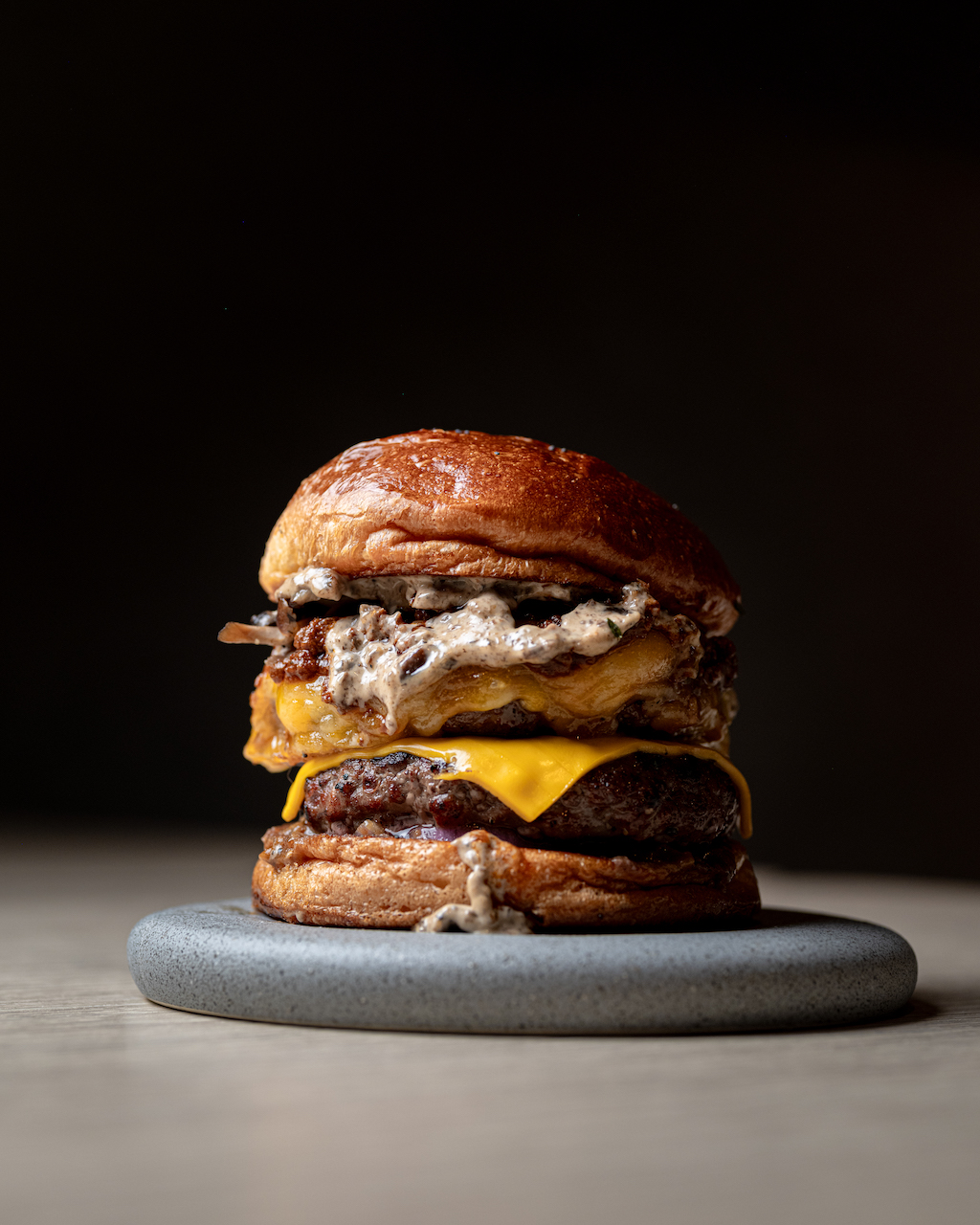
When Novelty Wears Thin
A few years ago, alternative protein burgers were positioned as the future. Today, that momentum has waned. Despite significant investment, the category can feel over-processed, over-explained, over-engineered.
“I think there is a genuine fatigue with food that feels like it was built in a lab rather than a kitchen. When you have to work that hard to convince someone that something is real [it’ll likely to go wrong],” believes Aaron. He is quick to add that there is still merit in celebrating vegetables on their own terms: “Vegetables offer incredible complexity, flavour, and texture, and that’s genuinely compelling.” The issue, he argues, lies in positioning. “Telling people a product can ‘bleed like real meat’ sets up a comparison it was always going to struggle to win. The beef burger is too culturally embedded, too emotionally specific. You can’t replicate it by approximation.”
Michel approaches the question from a more measured angle, but acknowledges the same tension. “Flavour and satisfaction still come first,” he says. “But alongside that, there is a growing sense of awareness. Diners today are more informed — they read labels, they ask questions, and they think about how food is made.”
When that awareness meets a product that feels overly engineered, the result can be a disconnect. “It’s not a rejection of alternatives, but a more considered approach. People are gravitating towards food that feels clear, honest, and grounded in its ingredients,” he adds.
This however does not signal the end of plant-based dining. Rather, it reframes it. Black Tap still see guests choosing them for a variety of reasons, whether it’s lifestyle, dietary preferences, or simply wanting to try something different. “What we’re seeing isn’t a shift away from one or the other, but rather a more balanced approach. Guests are choosing based on what they feel like in the moment,” notes Ivan.
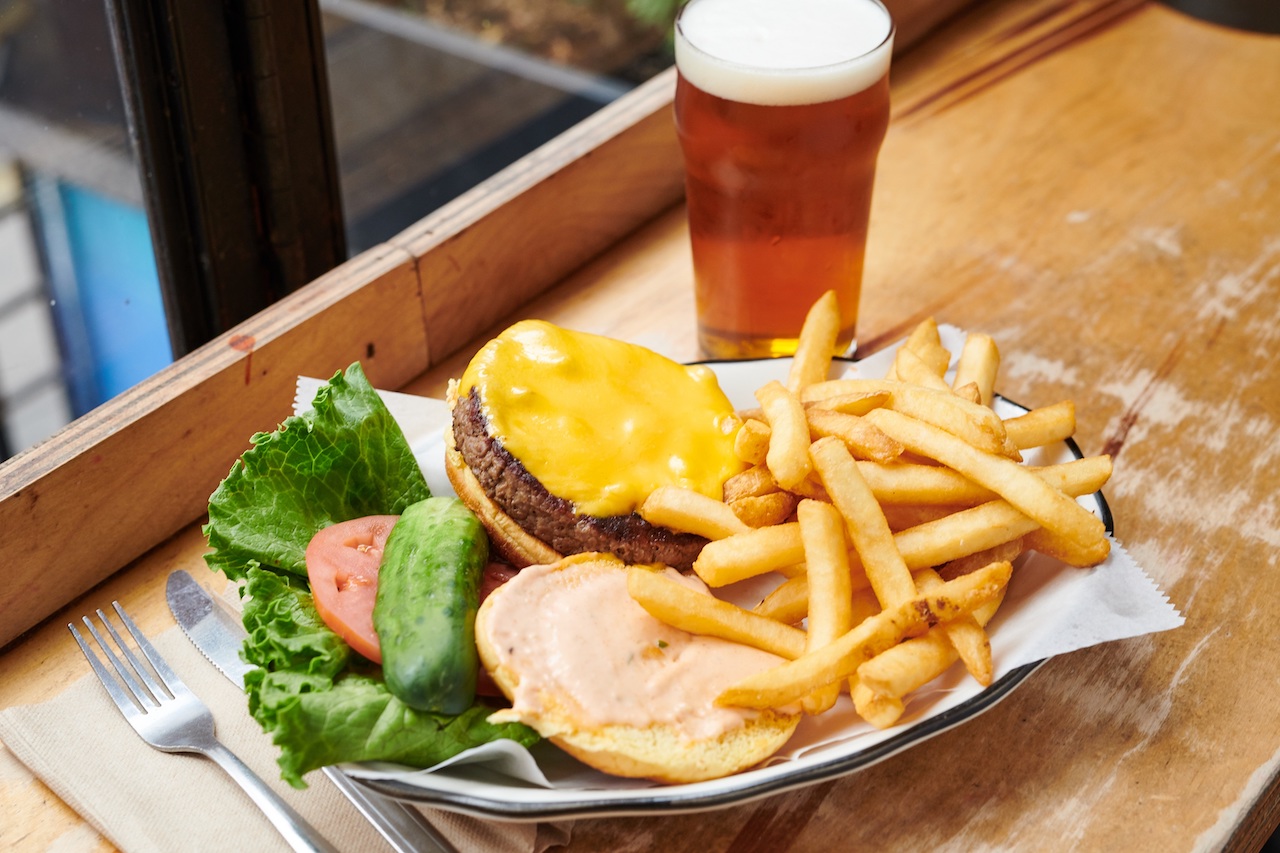
Defining “Real”
Diners have become more discerning about what “real” food means. It is no longer about simplicity for its own sake, but about transparency too.
“In Singapore there’s a huge interest in food and the depth of food,” Aaron says. “This is a city where people have eaten extraordinarily well across the world and come home expecting the same standard.” That expectation leaves little room for shortcuts. “You can’t cut corners with an audience like that — they’ll know. But equally, if you build something that holds up, I believe they’ll appreciate it,” he adds.
For other F&B operators, the response has been to tighten control over sourcing and execution. At Wild/Fire, Michel emphasises long-term relationships with the right partners. “We work closely with ORCA (Butcher Box) for our beef, and our buns are custom-made fresh by Bakery Brera,” he says. “Those relationships allow us to maintain consistency and quality without compromising the integrity of the product.”
Preparation method plays an equally important role. “Everything is cooked in our double ventilated closed door wood-fired grill. The fire gives you natural char, depth, and a certain liveliness that you can’t replicate with flat-top cooking,” Michel adds.
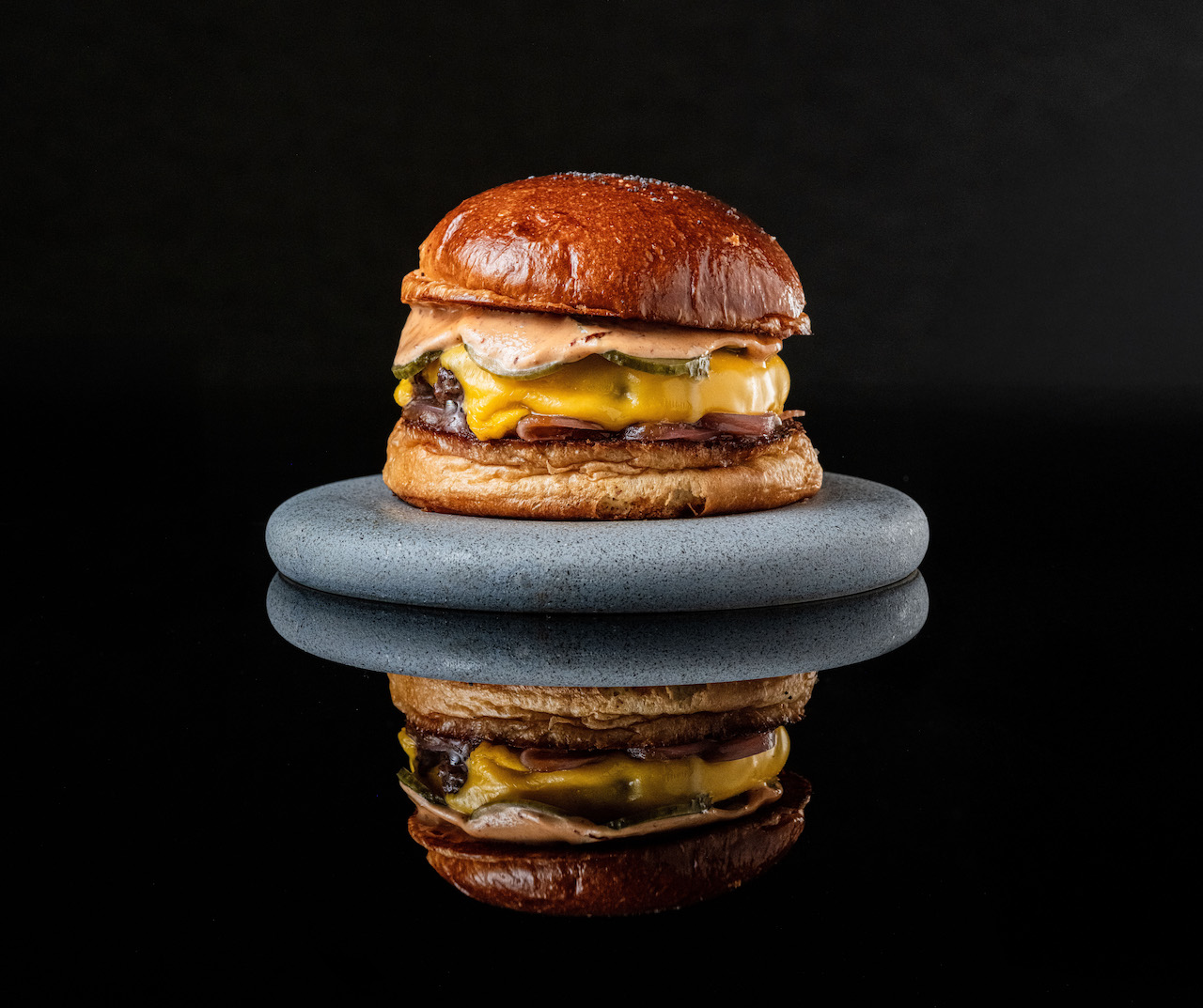
At Black Tap, the scale of operations requires a different approach, but the principle remains the same. “We work with trusted single-source suppliers like Greater Omaha Packing who manage the process from farm through to production. The patties are prepared by our supplier to very specific standards, which allows us to maintain quality across every burger we serve,” Ivan says. “From there, our focus is on execution: cooking the patties properly, balancing flavours, and keeping the build true to a classic American burger experience. Every day, it is a straightforward approach for us – source well, handle it with care, don’t over-complicate it, and let the ingredients speak for themselves, whether it’s US beef, Australian wagyu, or the other components that complete the whole burger.”
At Stags Head Steakhouse, control is taken even further in-house. “Our beef is dry-aged on-site, allowing us full control over quality and flavour,” says group culinary director Oliver Hyde. The restaurant group has built longstanding relationships with farmers in Australia so they know exactly where the ingredients come from. “Our patty is made from F1 Wagyu, taken directly from our dry-age programme, ground in-house, and simply seasoned with salt and a pepper rub — nothing more is needed when the quality speaks for itself. We then cook it briefly over a high heat on the grill to get a rich crisp crust, before a slower cook on lower heat to obtain a juicy, medium doneness inner texture,” he adds.
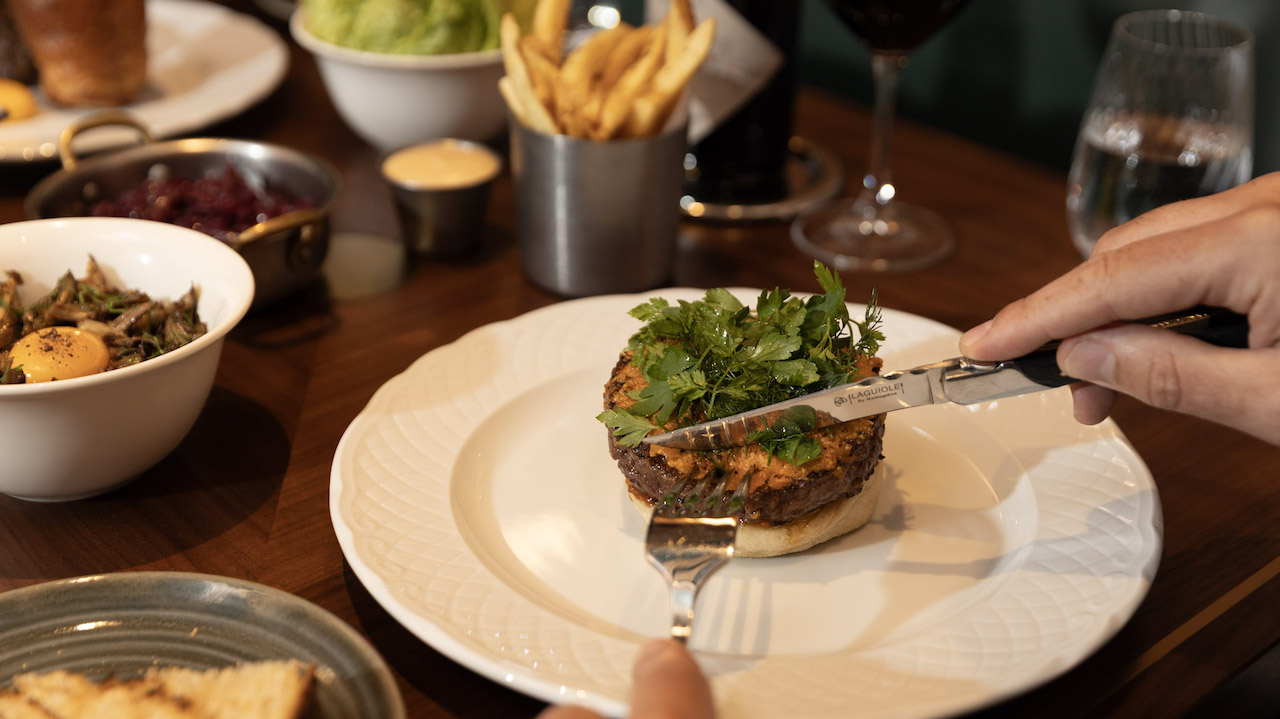
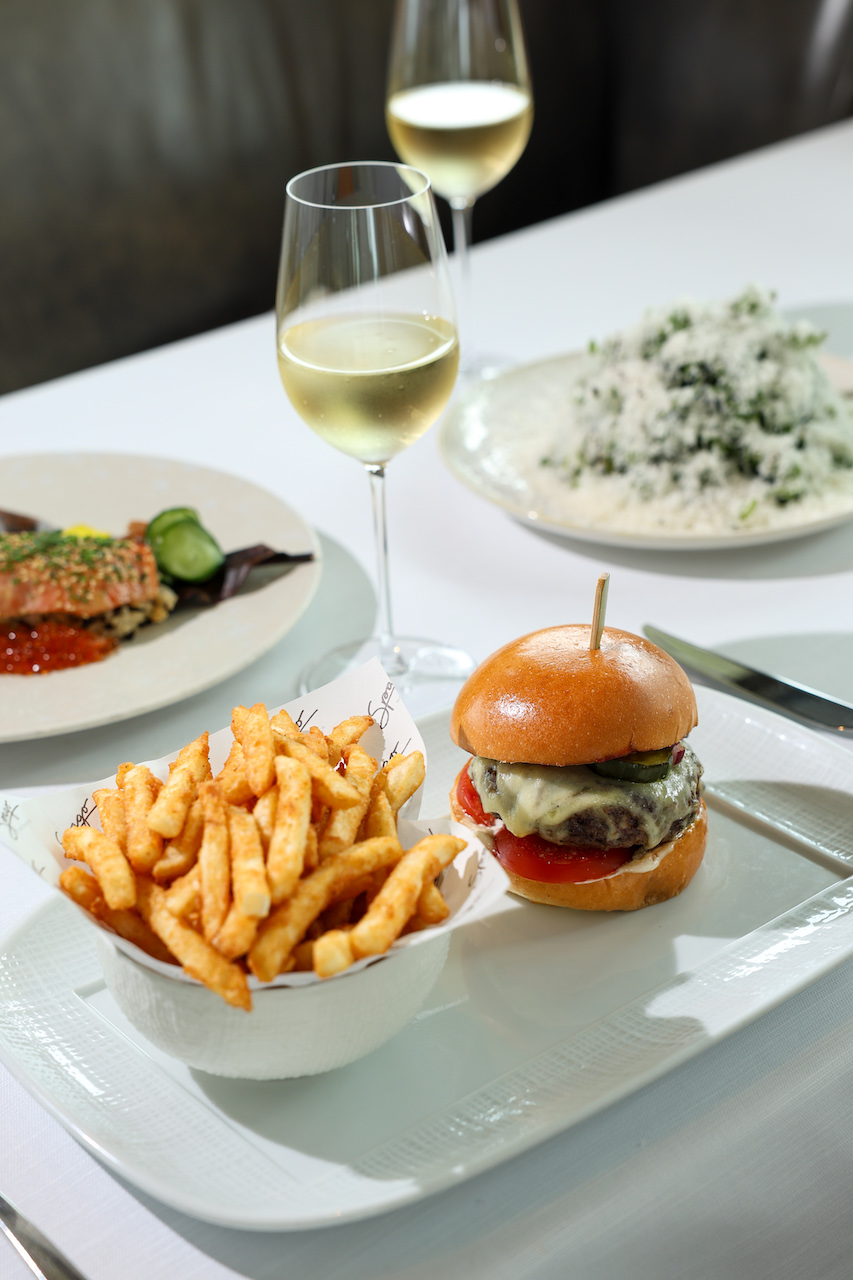
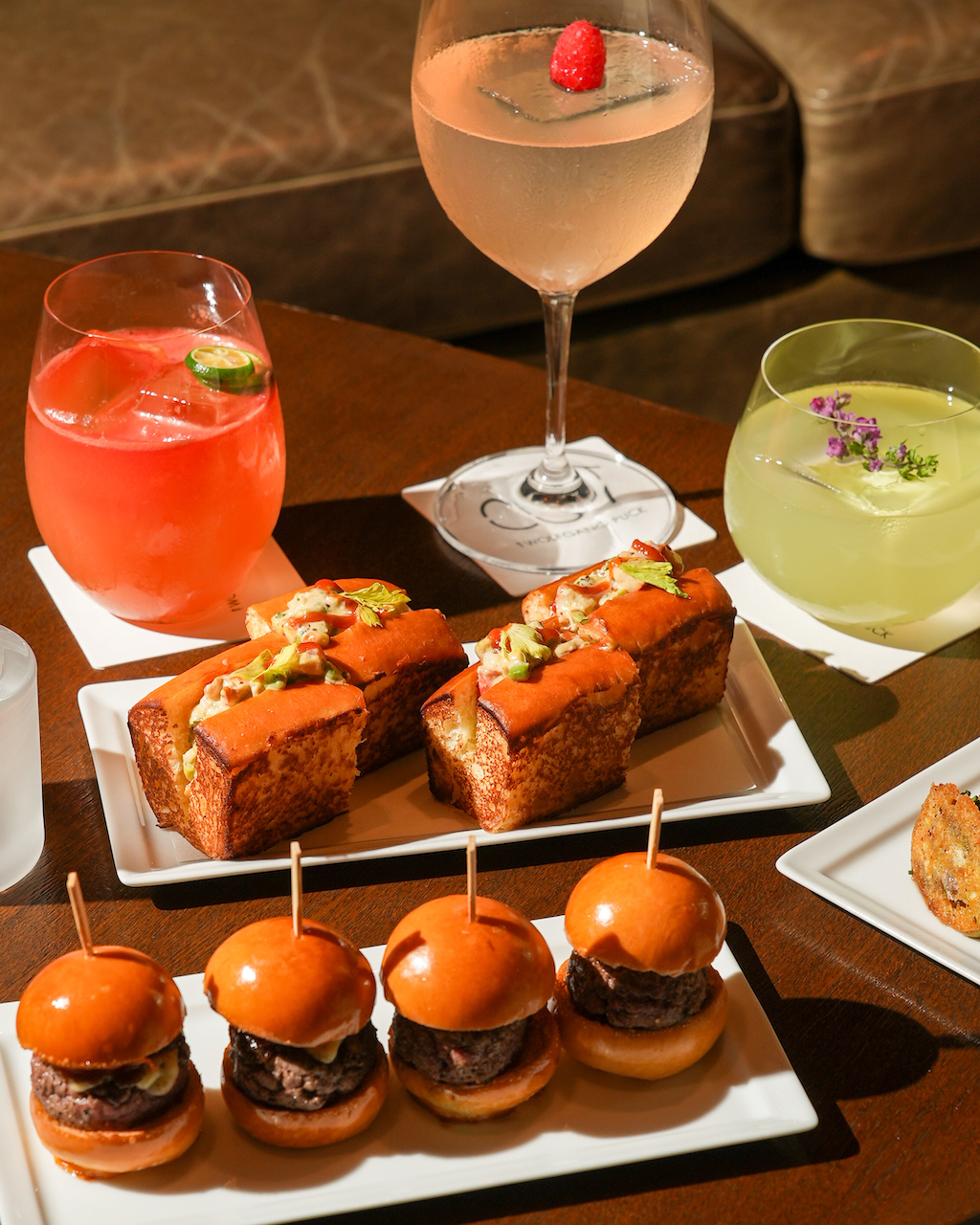
Similarly at CUT and Spago by Wolfgang Puck, Executive Chef Greg Bess uses the best produce and ingredients, and not overcomplicating it – based on founder, Wolfgang Puck’s ethos. Greg shares, “He’s famously known for saying: “Let’s get the best products and try not to mess it up”. So at CUT and Spago, we do everything in-house. We grind our burger meat fresh daily, using a balanced blend of four cuts, carefully sourced ribeye, topside and brisket, so we’re in full control of quality and flavour. A key element is that everything is made fresh, from the patties to the buns to the pickles.” Across these different approaches, the message is consistent: transparency builds trust, but it must be supported by technique.
The Discipline of Simplicity
If the modern burger is returning to its roots, it is doing so with far greater precision. Simplicity, in this context, is not a reduction of effort but an intensification of it. “Within food, you can either do something very familiar… or something entirely new,” says Aaron. “The approach we’ve taken is the former. Simple, honest, familiar flavours… but viewed through an obsessive lens on sourcing, balance, and execution.” That obsession is often unnoticeable to the diner, but essential to the outcome. “Because it’s familiar… that simplicity becomes incredibly difficult to execute well,” he says. “The complexity has to be invisible.”
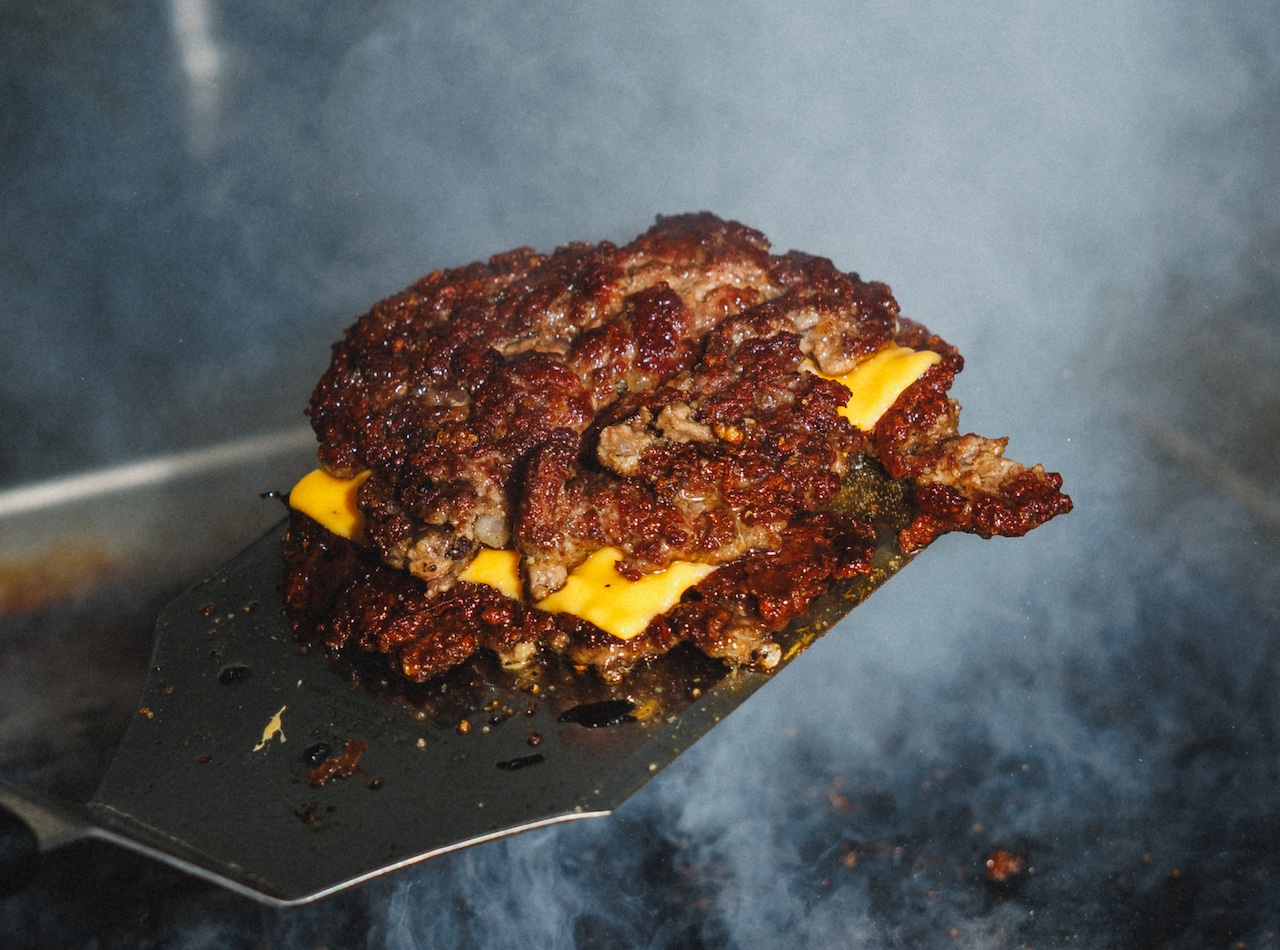
At Smash Street, that philosophy translates into a tightly edited menu and a relentless focus on detail. “Our sauce alone went through more than 20 iterations, adjusting spices, reductions, herbs, and ratios, because we were chasing something very specific: savoury and layered, with heat, smoke, and acidity, but never heavy and never sweet,” Aaron notes, describing the process of refining flavour balance. The patty underwent similar scrutiny, not for the sake of experimentation, but to achieve a very specific result. “I think they appreciate confidence,” he adds, referring to diners. “A tight menu is also… a risky statement. We stand behind it.”
Craft As Differentiator
Craftsmanship has become the primary point of differentiation. “It’s non-negotiable, and the simplicity of the format makes everything more exposed, not less as there’s nowhere to hide. Take the bun. We always knew we wanted a potato bun, but getting it right took enormous iteration. From the way the yeast activates your senses via smell the moment you raise it before you eat, to the marriage of texture between the bun and everything within – it matters, all of it. Then there’s the bite itself: the bun has to be exactly the right size so that in one mouthful, you capture every layer; the lacy crisp edge of the smashed patty, the juicy centre, the sauce, the acidity, the bread together. If you’re dislocating your jaw or having to dissect it to get there, we’re not a fan of that. But with burgers like with food in general is the pursuit of better that is genuinely never-ending. And we believe you have to hold onto that humility, to know there are always things you don’t yet know and ways you can still improve,” says Aaron.
At Wild/Fire, the challenge lies in mastering an unpredictable medium. “The quality of the beef, how it’s handled, the control of the fire, the balance of the bun — it all matters. We also use fine dining kitchen equipment like Pacojet, blast freezers, sous vide and combi ovens to prepare our mise en place, sauces and other foundational components. Cooking over wood fire in particular requires discipline and consistency. It’s not as controlled as other methods, so craftsmanship is what ensures the outcome is repeatable. That’s what elevates something familiar into something people actively seek out,” Michel shares.
Likewise for Black Tap, every element has to be done well and in a cohesive manner. Ivan shares, “We approach our patties much like a steakhouse would. Because we use thicker patties, doneness matters, and that comes down to skill and consistency on the grill.”
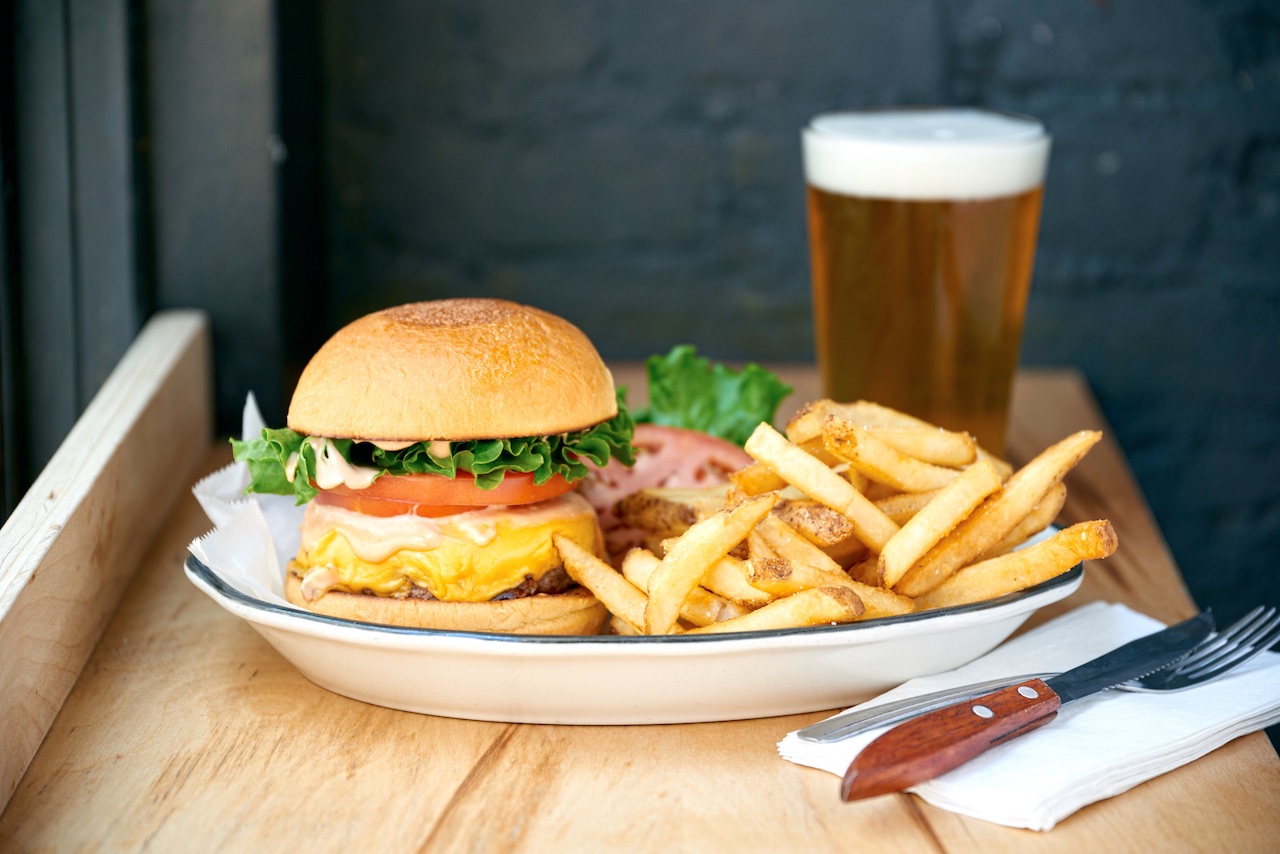
Over at CUT and Spago, the emphasis is on repetition and rigour. Chef Greg says, “Consistency is everything. We’re not running a sprint, we’re running a marathon. In a highly competitive market, relevance comes from showing up day after day with the same level of care and precision. It takes a certain level of obsession, getting your hands dirty, and having a team that truly understands that mindset. When you get that right, people can feel it and they genuinely enjoy the food.”
The Emotional Pull
For all the emphasis on craft, the burger’s enduring appeal lies in something less tangible: its emotional resonance across generations. “Burgers sit in a unique space — they’re both familiar and adaptable. In a fast-moving city like Singapore, people still look for food that feels grounding. A burger offers that immediate sense of comfort and recognition,” says Michel.
That often begins in childhood. “Burgers are one of those foods people grow up with. These early food memories tend to stay with you. Creating that sense of nostalgia even as your tastes and preferences evolve. In a fast-paced dining scene, that kind of comfort becomes even more relevant. Trends will always come and go, but burgers don’t disappear; they adapt. Whether it’s smashed patties, more premium builds or different flavour profiles, the format is very flexible and relatable across generations,” Ivan says.
Greg sees it as a counterpoint to more conceptual dining. “Tasting menus and highly conceptual dining have their place, but they are for very specific, special-occasion experiences. A burger is something you can always come back to — it’s approachable, familiar and comforting. When executed with consistency and care, that kind of food resonates across generations because it’s honest and satisfying and it soothes the soul.”
What comes next
The path forward for the burger seems clear. “The next chapter isn’t about replacing [the classic]. It’s about respecting it, refining it and committing to it more deeply,” says Aaron. “Better provenance, more considered craft, a sharper understanding of what the perfect bite actually means. That’s where the real competition will be, and honestly, that’s the chapter I’m most excited to be a part of.”
Michel believes there is a growing desire for something that feels easy and familiar, but still thoughtfully executed. “When you combine that with an ingredient-led approach and wood-fired cooking, it gives the format both comfort and depth, which is why it continues to resonate,” he says.
Ivan sees the evolution in broader terms: “ People value freshness and transparency… There’s also a growing expectation around customisation. Guests want more control over what goes into their food and they value kitchens that are approachable and adaptable. Ultimately, it is about evolving the experience while staying true to what makes a great burger in the first place.”
After years of being pushed, stretched, and reimagined, the burger has returned to its centre, but more clearly defined. What diners are responding to now is not just the taste of beef, but the assurance of something done properly. Or, as Aaron puts it, “Our goal isn’t to replace… It’s to ultimately become a new familiar.” In a dining landscape defined by constant change, that pursuit of doing something familiar exceptionally well may be the most enduring evolution of all.