

There are places you travel to in search of something, and then there are places like Sumba, where the act of arriving feels like enough. The journey itself – across rolling hills, past grazing horses, toward a coastline that feels entirely untouched – signals a quiet shift. Here, the usual rhythm of travel softens. You don’t rush to see more; you settle in, and in doing so, begin to notice more.
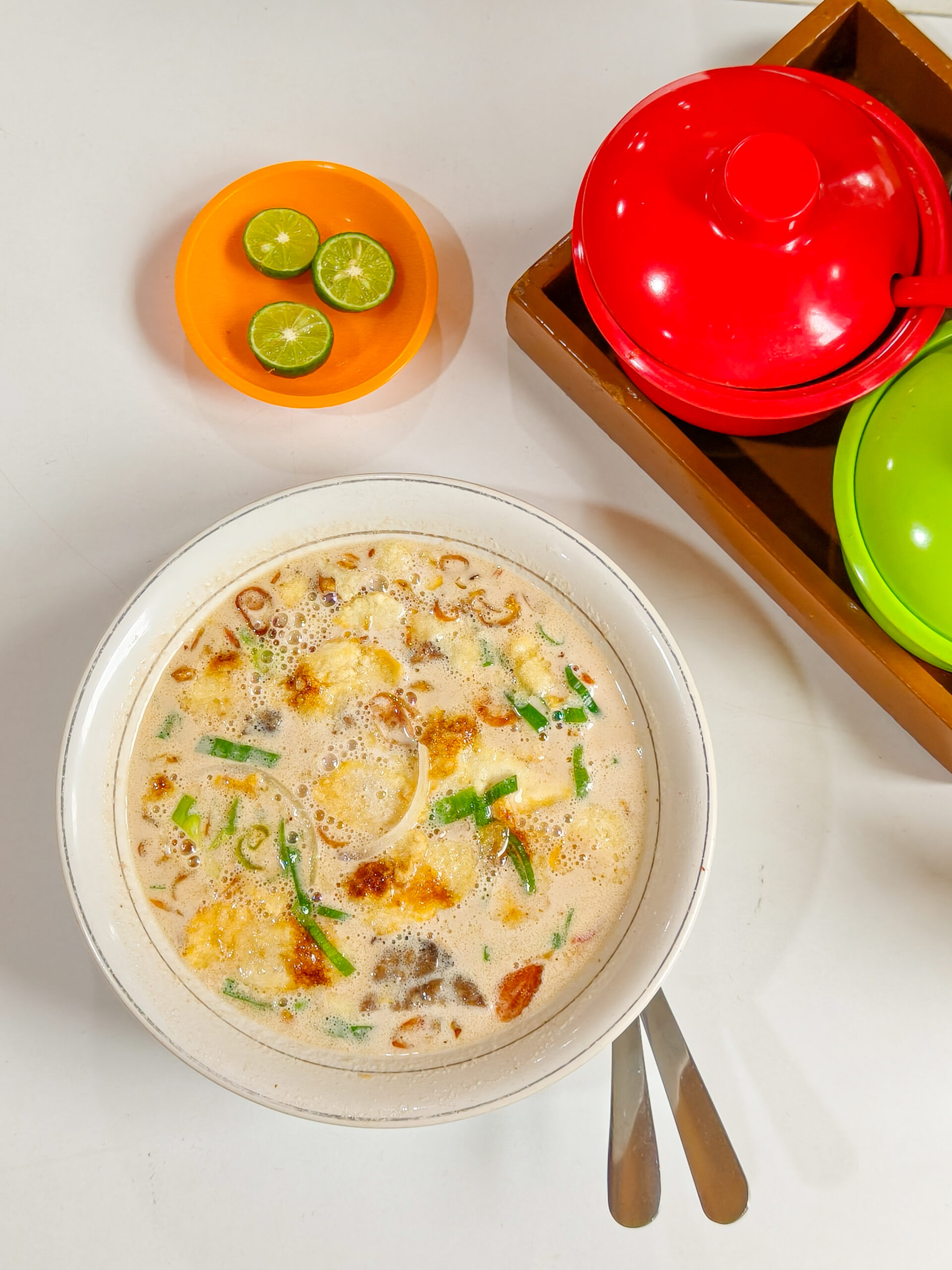
It was within this stillness that we found ourselves invited to experience the first chapter of Hawker Legends, a new culinary series by NIHI Sumba that brings Indonesia’s – and in extension, Southeast Asia‘s – most enduring street food traditions into its secluded, almost otherworldly setting. The premise is deceptively simple: not to reinterpret, not to elevate, but to preserve. And for its inaugural edition, the resort chose a name that carries decades of quiet loyalty: Soto Betawi H. Ma’ruf from Jakarta.
Behind the series was Kevindra Soemantri, who served as curator and advisor, shaping Hawker Legends with a clear sense of cultural intent. Known for his work in documenting and contextualising Southeast Asia’s food heritage, Kevindra approached the programme not as a showcase, but as a form of storytelling. Each collaboration was carefully selected and grounded in research, ensuring that the dishes were presented not just as flavours to be consumed, but as living records of communities, traditions, and time.
At NIHI, nothing feels staged. Villas open into vast landscapes of green and blue, where the ocean hums in the background and the wind carries the scent of salt and earth. Days unfold slowly, often without agenda. You might spend the morning watching horses wander freely along the beach, or tracing the curve of Hoba Wawi Beach as waves break in steady rhythm. In this context, Hawker Legends arrives as a natural extension of the resort’s philosophy: thoughtful, intimate, and deeply rooted in place.
Set against the breezy openness of Nio Beach Club and Ombak Restaurant, the experience began with familiarity. The warm, aromatic broth of Soto Betawi cut through the coastal air, instantly grounding the moment. For those who knew the dish, it evoked something immediate and personal; a memory of Jakarta, perhaps, or a fleeting return to something once ordinary. For others, it became an introduction that is both comforting and quietly complex.
What sets Soto Betawi H. Ma’ruf apart is its balance. Traditionally rich with coconut milk, their version incorporates cow’s milk, creating a broth that feels unexpectedly light without losing its depth of flavours. It’s a subtle shift, but one that transforms the dish into something you can return to, spoon after spoon, even under the tropical sun. Guests were invited to tailor their bowls with tender cuts of beef, or offal, each element contributing to a layered, deeply satisfying whole.
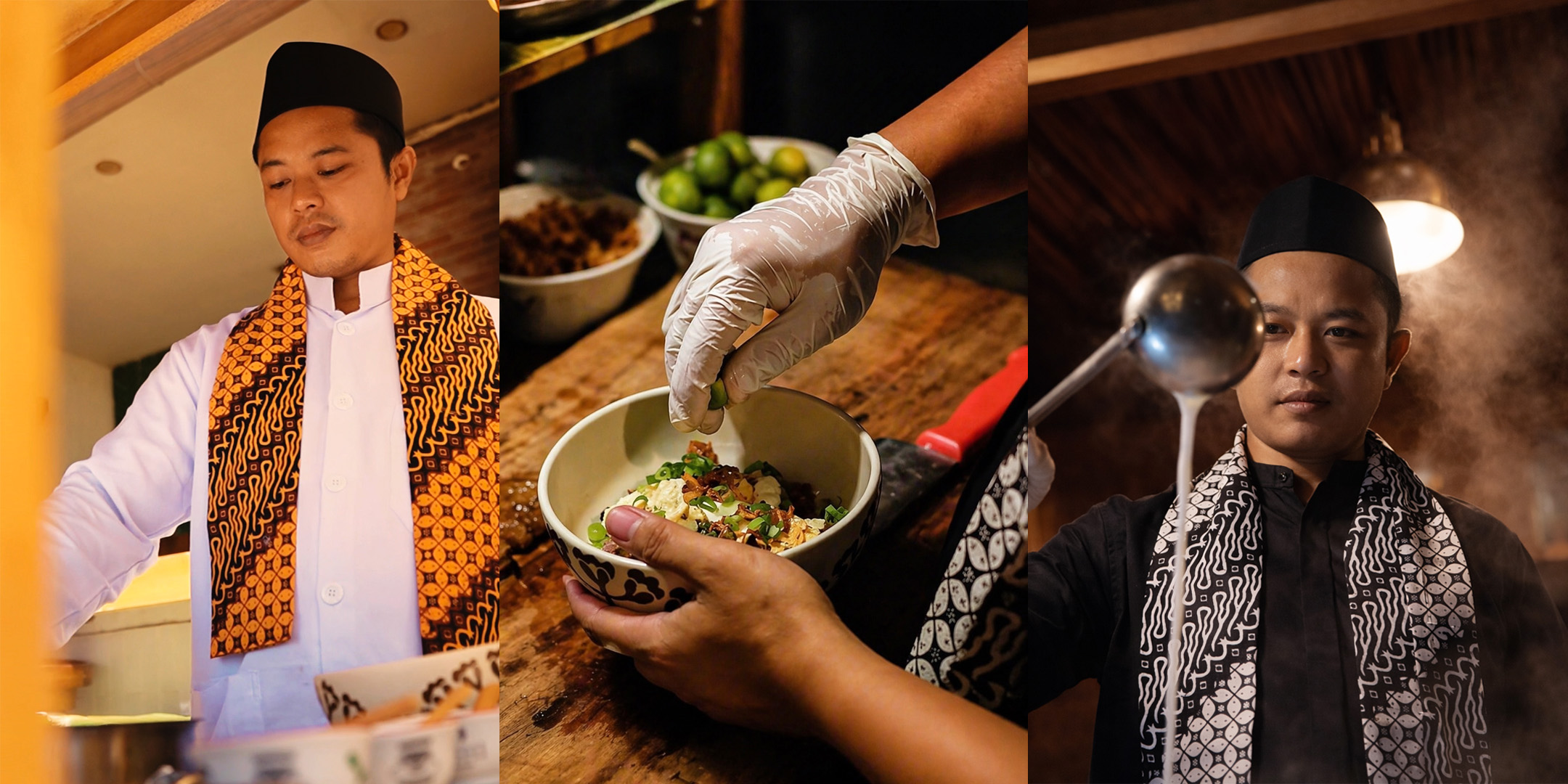
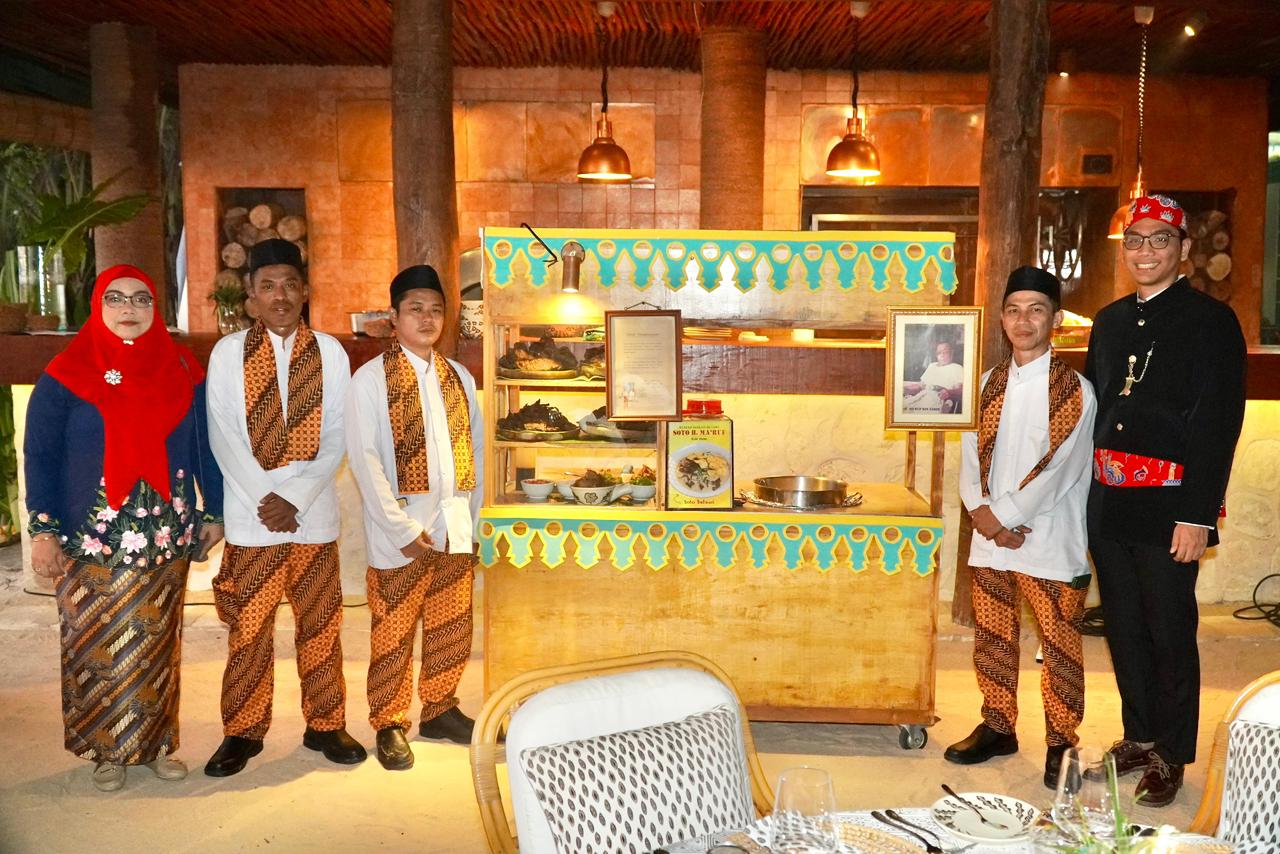
Hawker Legends is not just about taste, but the stories that travel with it. The Ma’ruf family – now in its third generation – was present throughout the residency, not as distant custodians of a legacy, but as active storytellers. There was something disarming about hearing them speak of a recipe that has remained unchanged since 1940, not out of stubbornness, but because it never needed to. Over time, their Soto Betawi has become more than a dish; it has become a ritual. A place people return to before leaving the city, after long absences, or simply when they want to feel anchored again.
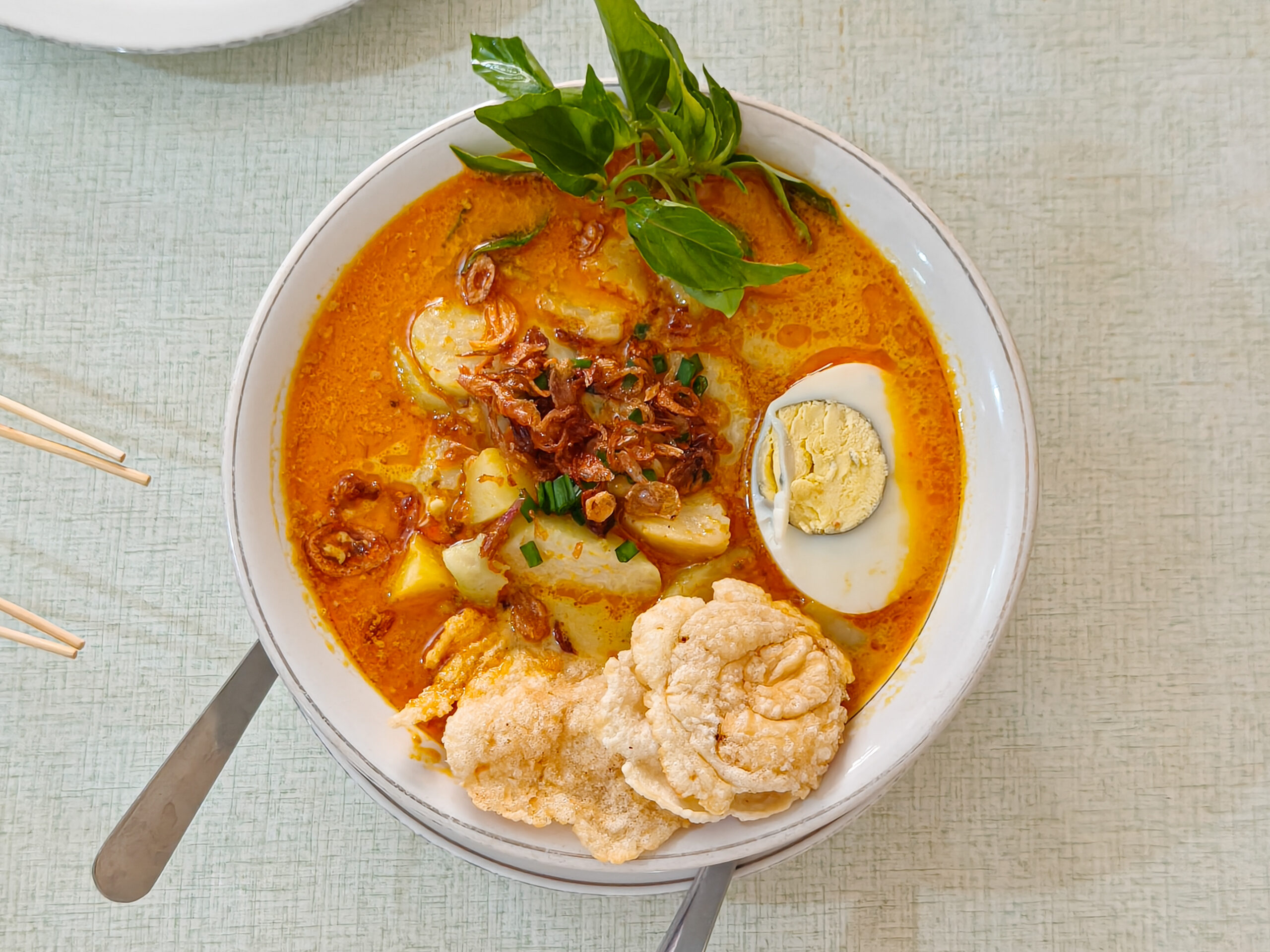
Alongside their signature offering, the family introduced Laksa Betawi – less known, but equally compelling. It carries a different rhythm, a different texture, and in many ways, a different story altogether. We had the chance to experience this more intimately during a hands-on cooking session set within Ombak Garden. Under the guidance of the family, the process revealed itself as both intricate and instinctive. Layers of spices, precise yet unpretentious techniques, and an understanding that much of the craft comes not from rigid measurement, but from repetition and memory.
It’s in these moments – standing in an open-air kitchen, surrounded by the quiet beauty of Sumba – that the essence of Hawker Legends becomes clear. This is not about transporting street food into a luxury setting for novelty. It’s about allowing it to exist, fully and authentically, in a different context that invites guests to slow down enough to truly understand it.

In many ways, the success of this first chapter lies in its restraint. There was no attempt to overstate, no need to embellish. The dishes remained as they are meant to be, the stories were told as they have always been, and the setting simply offered space for both to be appreciated more deeply.
As the sun dipped behind the horizon and the sound of the ocean grew louder, it became evident that Hawker Legends was not just a culinary series; it’s a continuation of NIHI Sumba’s quiet commitment to meaningful experiences. An experience that stays with you, long after you’ve left.
And if this first chapter is any indication, what follows won’t just be about food – but about the many ways it connects us to memory, to culture, and to each other.
Keep an eye for future chapters of Hawker Legends here.