

From time-honoured Cantonese institutions to Yunnan-inspired plates and cocktail bars rooted in cultural storytelling, here’s where to eat and drink when you revisit Hong Kong.
Text by: Amy Van
Hong Kong remains one of Asia’s best cities to eat in – not because it chases trends, but because it understands its own strengths. From classic dining rooms that continue to feel relevant to newer concepts spotlighting regional Chinese flavours, the city’s culinary scene evolves on its own terms. If you’re visiting for a long weekend, here are a few places to consider.
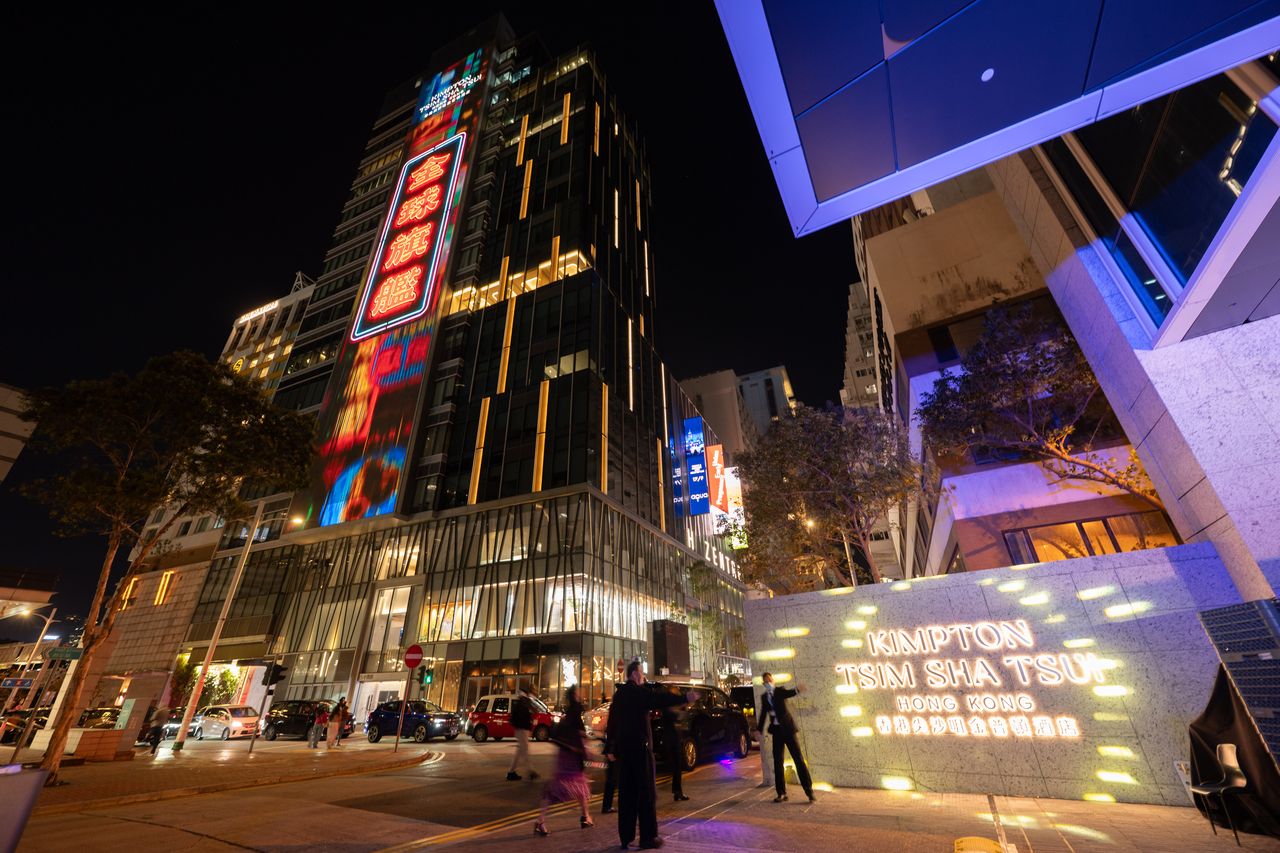
At one of Kowloon’s latest dining addresses, Jija by Vicky Lau at Kimpton Tsim Sha Tsui Hong Kong presents Yunnan-inspired flavours with finesse. The menu celebrates the region’s produce – wild mushrooms, cured meats, herbs, cheeses and fruits – guided by Chef Vicky Lau’s vision of a Chinese bistro rooted in Yunnan and Guizhou.
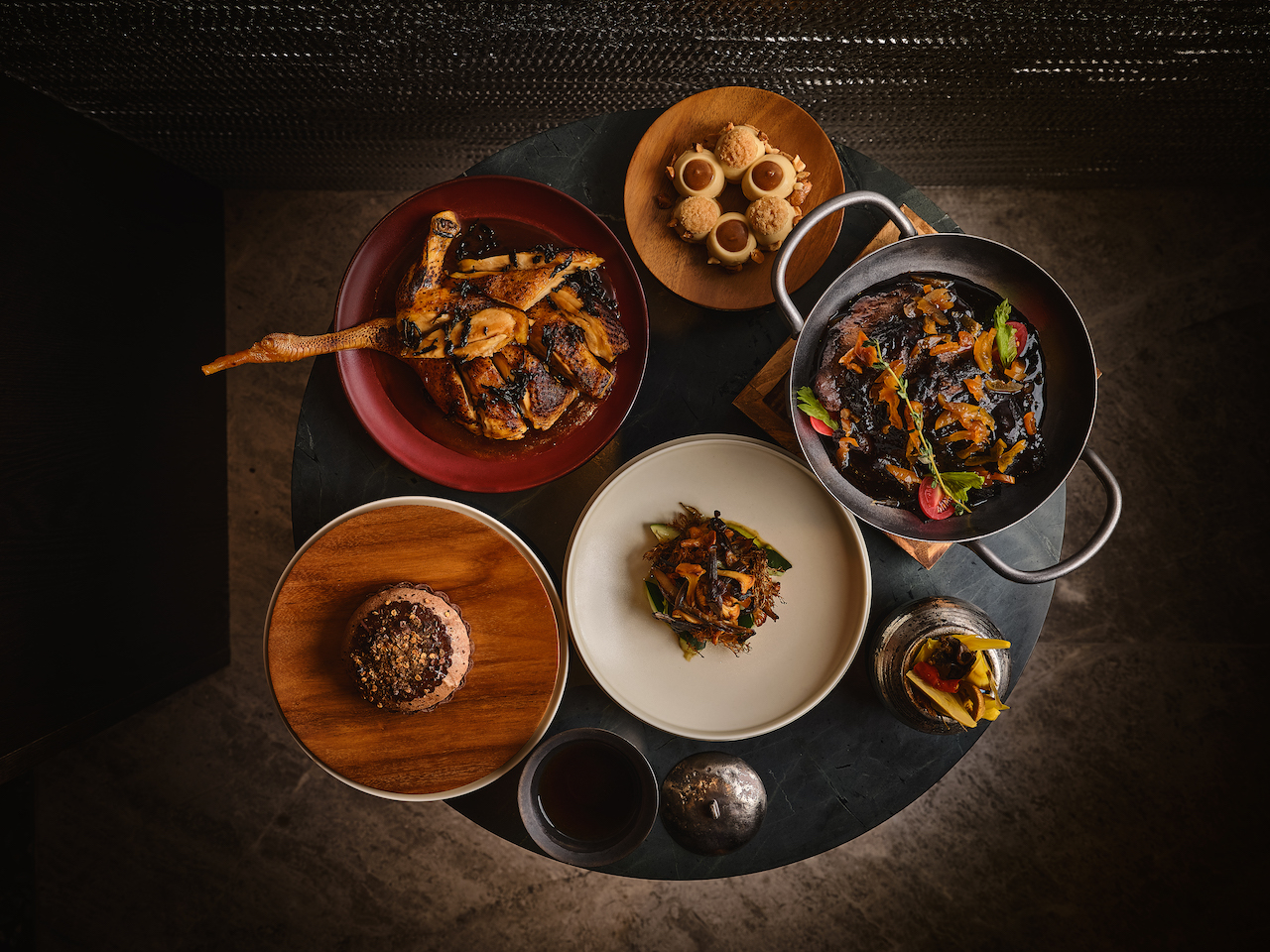
The top chef has long been drawn to the cuisine’s instinctive, locality-driven nature. “It’s a cuisine that’s vibrant, addictive, and full of character, especially with its signature sour and spicy notes,” she says.
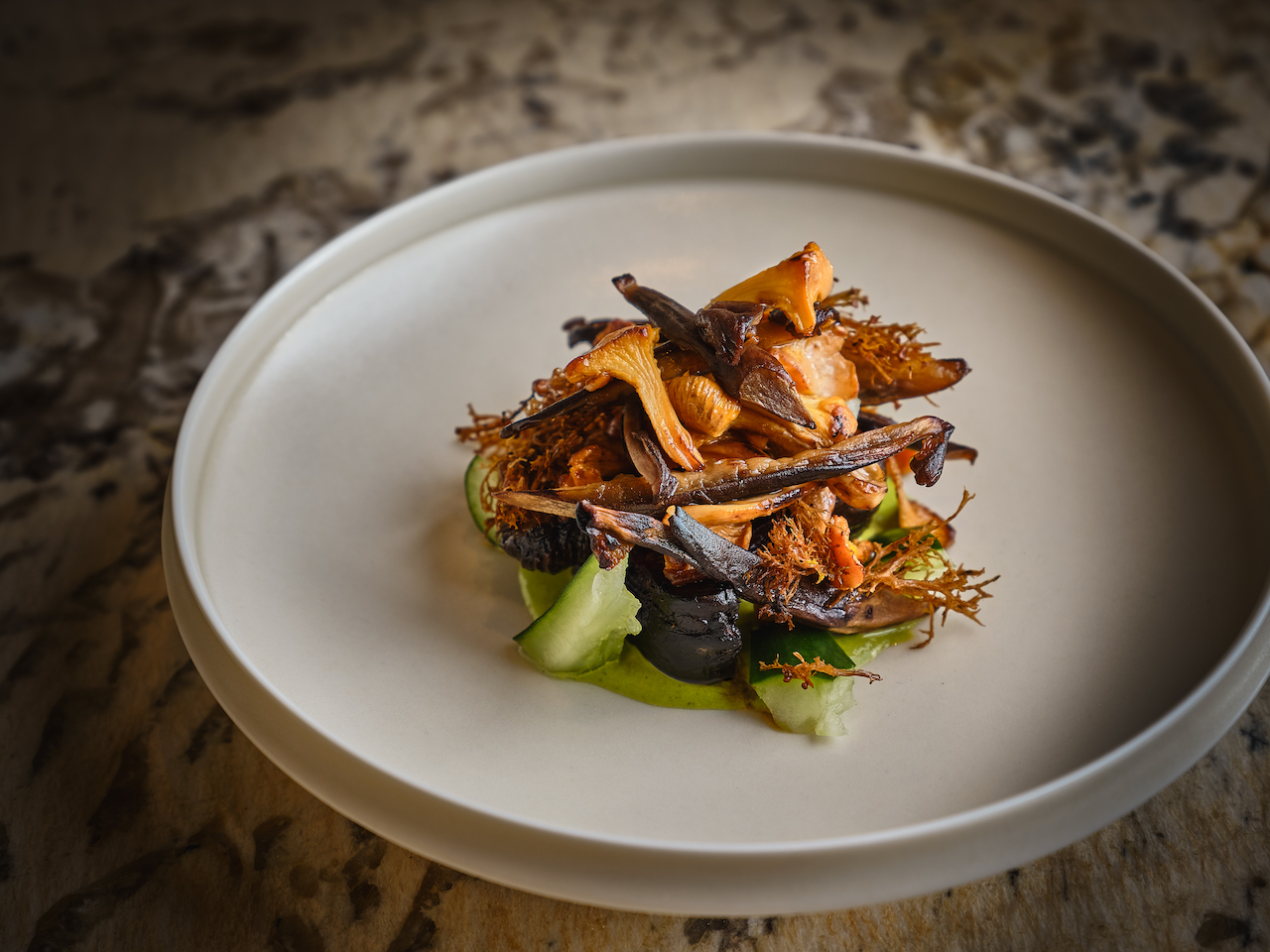
Start with the chicken liver parfait with puffy scallion focaccia, followed by the seasonal mushroom salad, where fresh and pickled varieties – matsutake, morels and whatever else is at its peak – are tossed in a lightly spicy dressing fragrant with ginger and garlic.
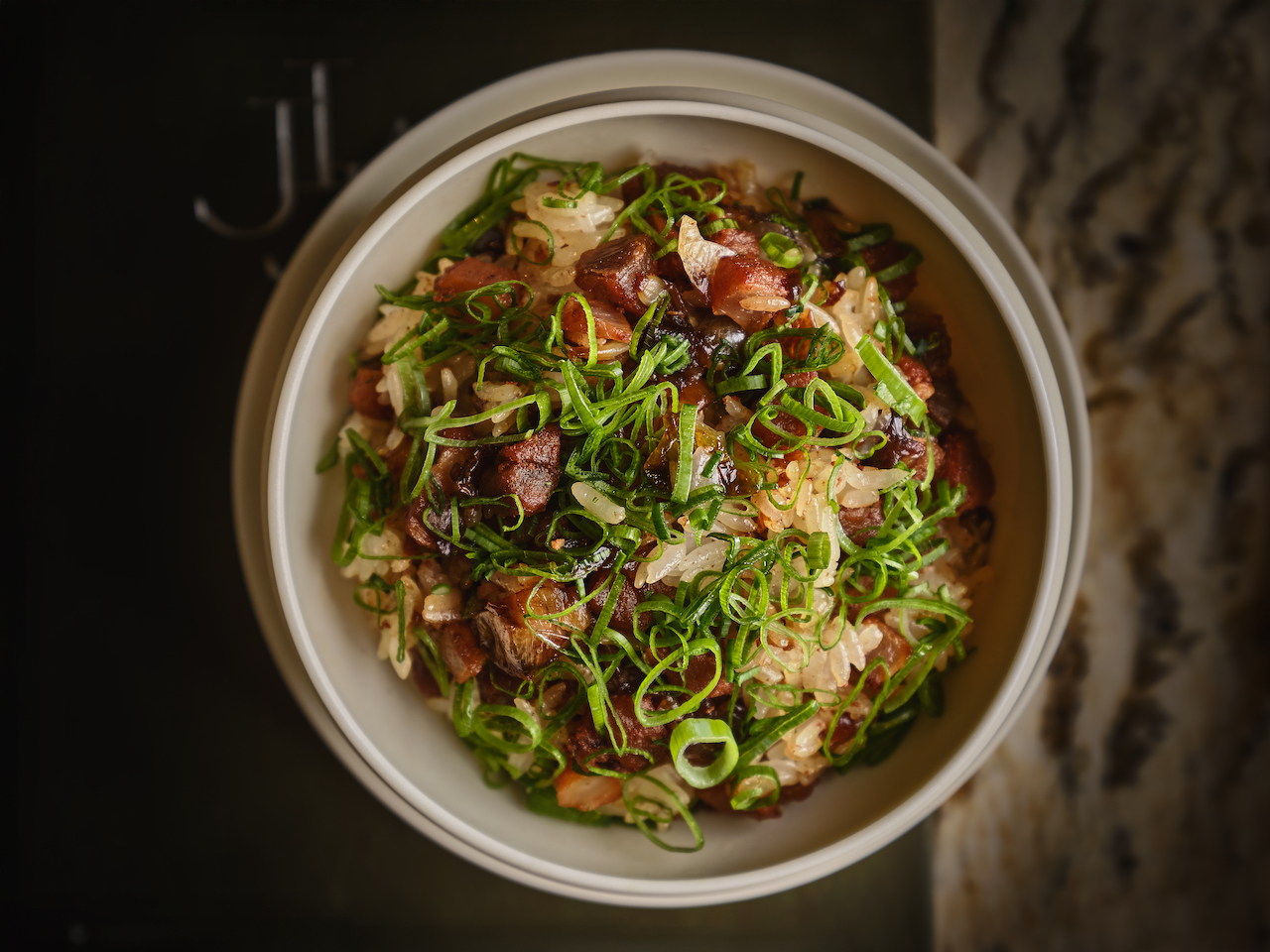
The Pu’er Tea-Smoked Three Yellow Chicken arrives gently perfumed with pu’er tea leaves, while the Yunnan Pork Fat Fried Rice is superbly aromatic, each soft grain coated in rendered pork fat, and lifted with spring onions. Vegetable dishes are equally satisfying. Stir-fried wild rice shoots with yāncài gāo, a fermented vegetable paste, deliver savoury depth.
Round off with modern desserts such as chocolate soufflé tart with Sichuan pepper ganache and a playful Yunnan Paris Brest – choux pastry filled with peanut praline cream and dotted with peanuts for crunch.
A dedicated tea programme anchors the experience though explore Jija’s Chinese wine and baijiu pairings are worth exploring. “Since our menu mainly features sharing dishes, we provide wines by the bottle, including selections from Yunnan and Fujian. These local wines, with their distinct terroir and flavour profiles, pair beautifully with the nuanced, layered flavours of Yunnan cuisine,” says Vicky.
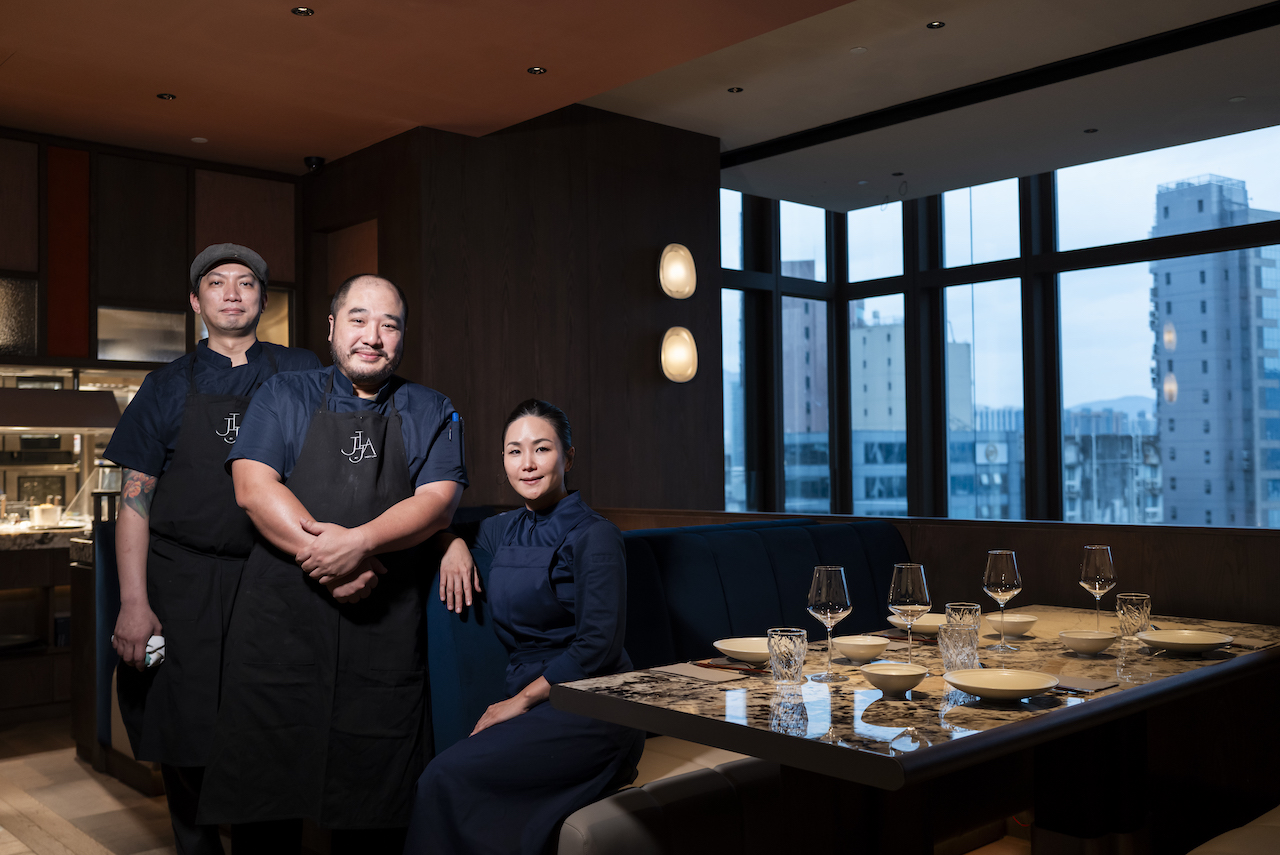
Hong Kong knows its way around fine dining. One enduring institution is the one-Michelin-starred Summer Palace at Island Shangri-La, Hong Kong. At the helm is executive Chinese Chef Leung Yu King, who has been with the restaurant since its opening in 1991.
Dim sum lunch is a undeniably a draw. Beyond the classics, pan-fried buns stuffed with diced wagyu beef and pepper sauce offer richness, while steamed seafood dumplings with fungus and sea moss provide a lighter, textural counterpoint.
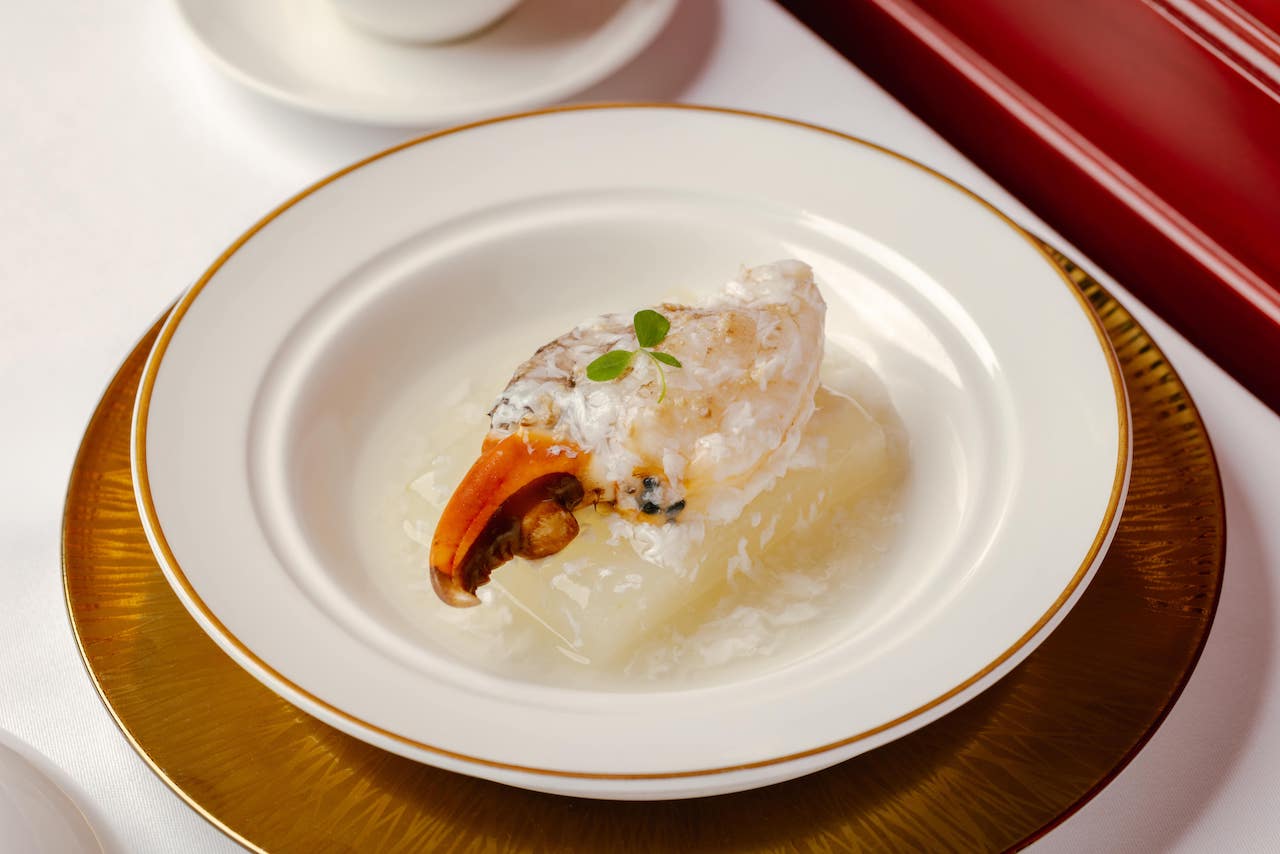
Mains-wise, steamed fresh crab claw with winter melon, egg white and Yunnan ham is refined and delicate, while stir-fried fresh lobster gains crunch from water chestnuts, Chinese celery and walnuts. The stewed pork brisket with preserved vegetables, slow-cooked in a claypot, is ultra satisfying, as is the barbecued suckling pig with its crisp, crackling skin.
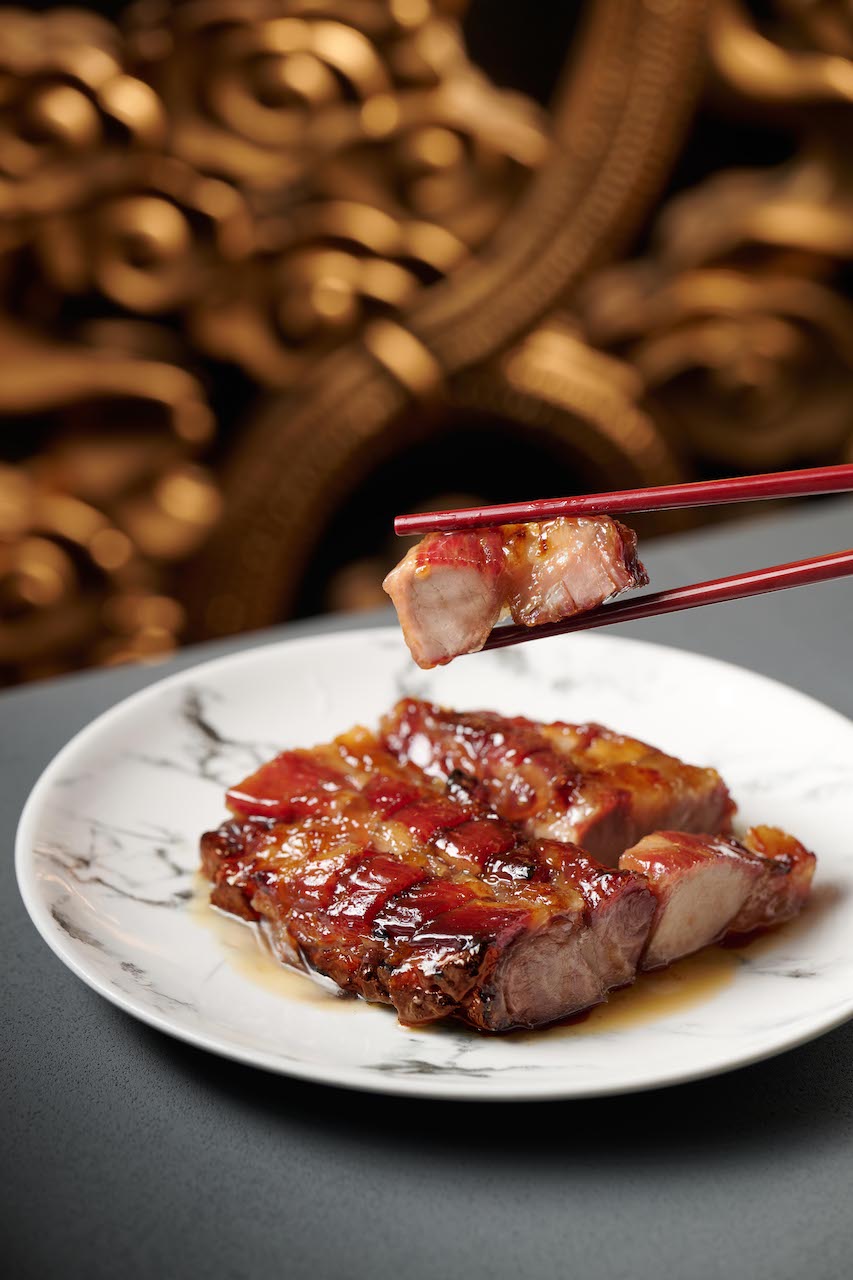
For classic dim sum brunch, another well-loved establishment is at Wan Chai’s Seventh Son (57-73 Lockhart Road). Tuck into a host of steamed and baked items including shrimp toast, baked chicken liver and pork roll, cheong fun and egg tarts.
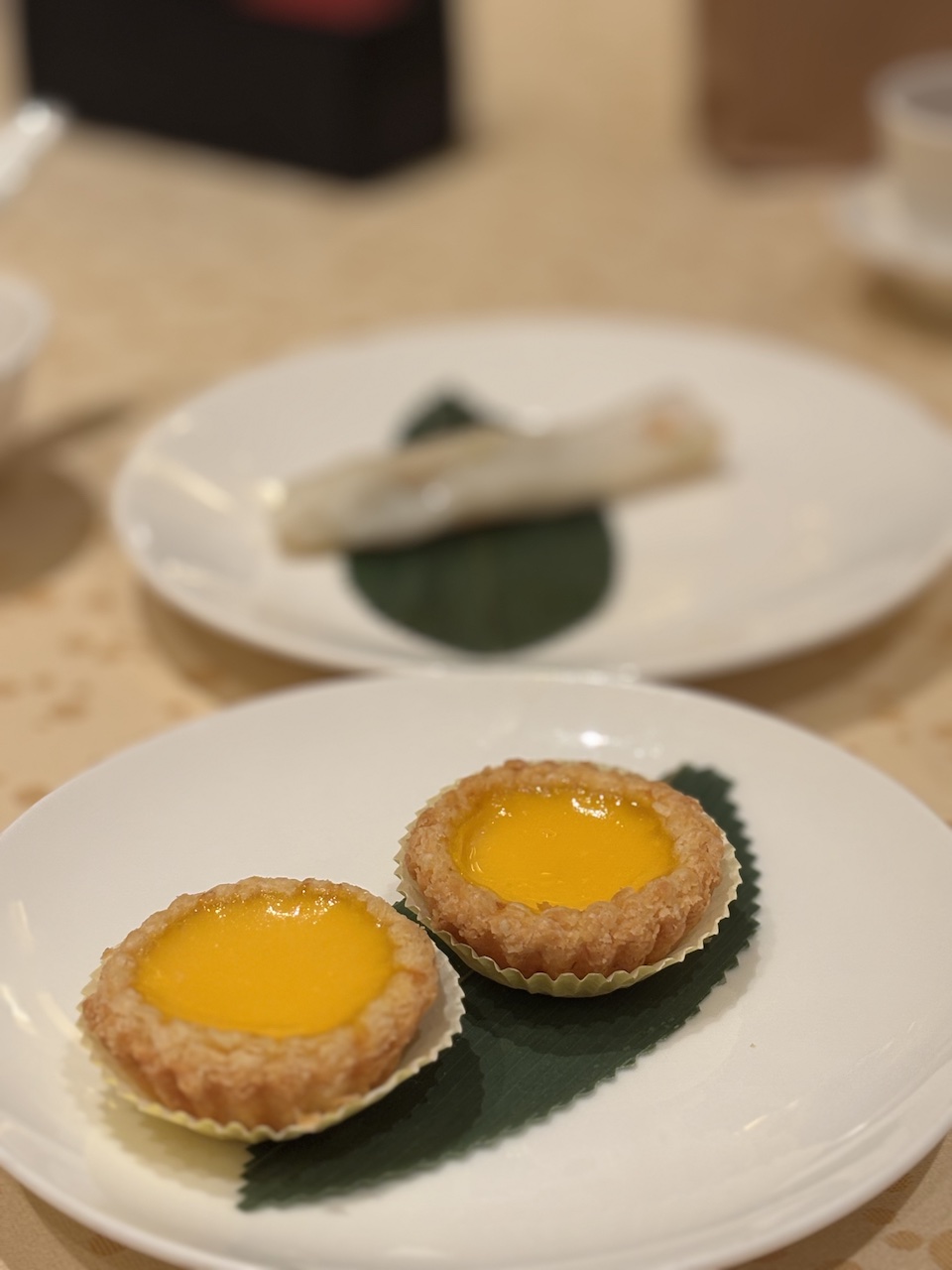
Also in Wan Chai is the wildly popular sourdough bakery Bakehouse. Make your way there to pick up some croissants or a half a dozen egg tarts – they’re worth the queue and the calories. The bakery also offers breakfast and lunch menus. If you want a decadent start to your day, go for the brioche French toast with yuzu cream, berry jam and cinnamon sugar, or crab royal croissant benedict.
Finally, head to Soho for a nightcap (or party till late if you must). A short walk up the slope to 65 Peel Street brings you to find Kinsman a Cantonese cocktail salon that has quickly carved out a niche for itself. Founded by creative lead Gavin Yeung with Singular Concepts, the bar champions Cantonese spirits that are often overlooked, reframing them as versatile ingredients in contemporary mixology.
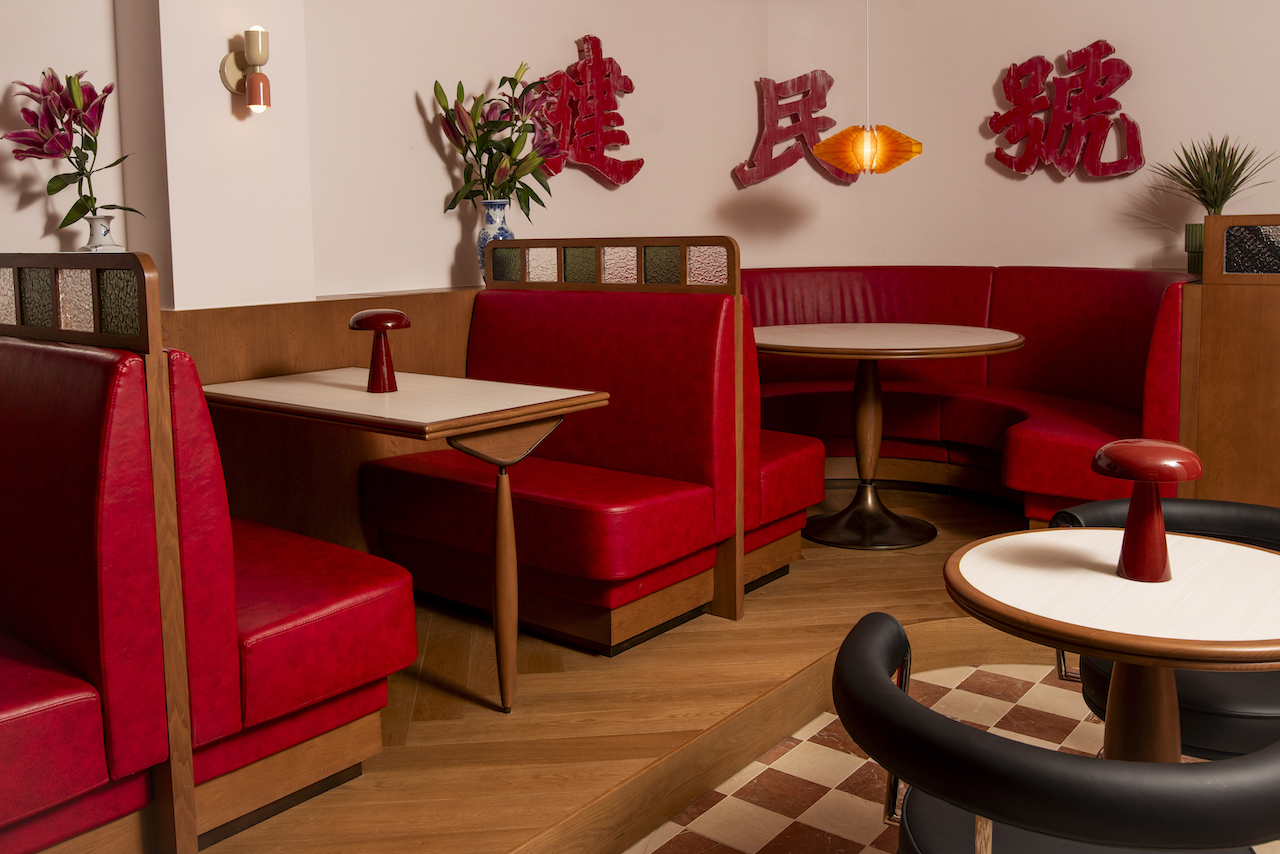
Its current menu, A Tale of Chinatowns, draws inspiration from five historic Chinatowns in Singapore, Manila, Kolkata, Bangkok and Lima – tracing stories of migration through flavour. “Why should Cantonese spirits be put in a box? They can travel, adapt, and find new cultural expressions just like the people who carried them,” points out Gary.
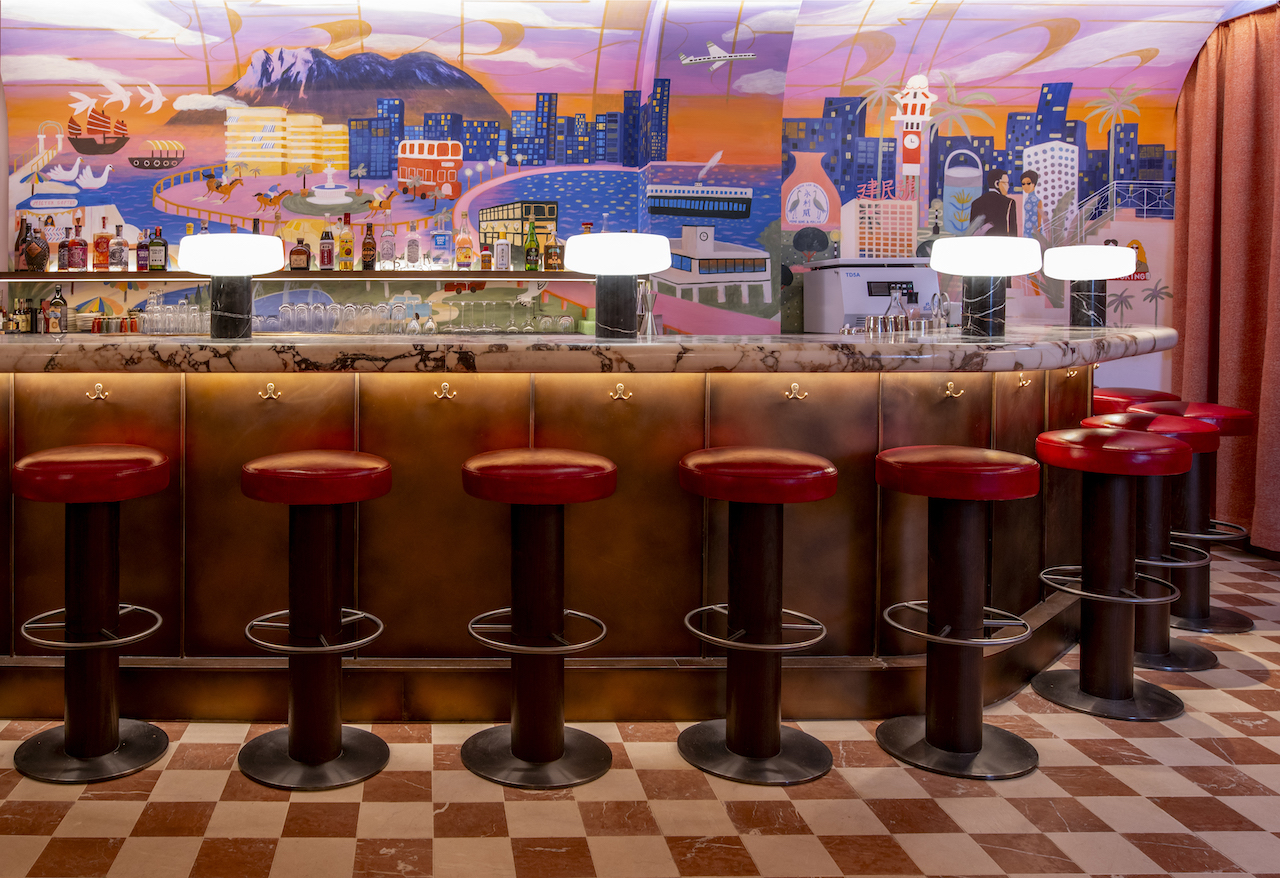
Highlights include Singapore’s Miss Joaquim, a refreshing mix of osmanthus rice winem elderflower, Mui Kwe Lu rose wine, rose tofu, gin and grapefruit soda. Kaya Toast, meanwhile, turns a breakfast staple into a richly flavoured cocktail built on clarified brioche vodka, pandan, crème de banane, and gula melaka.
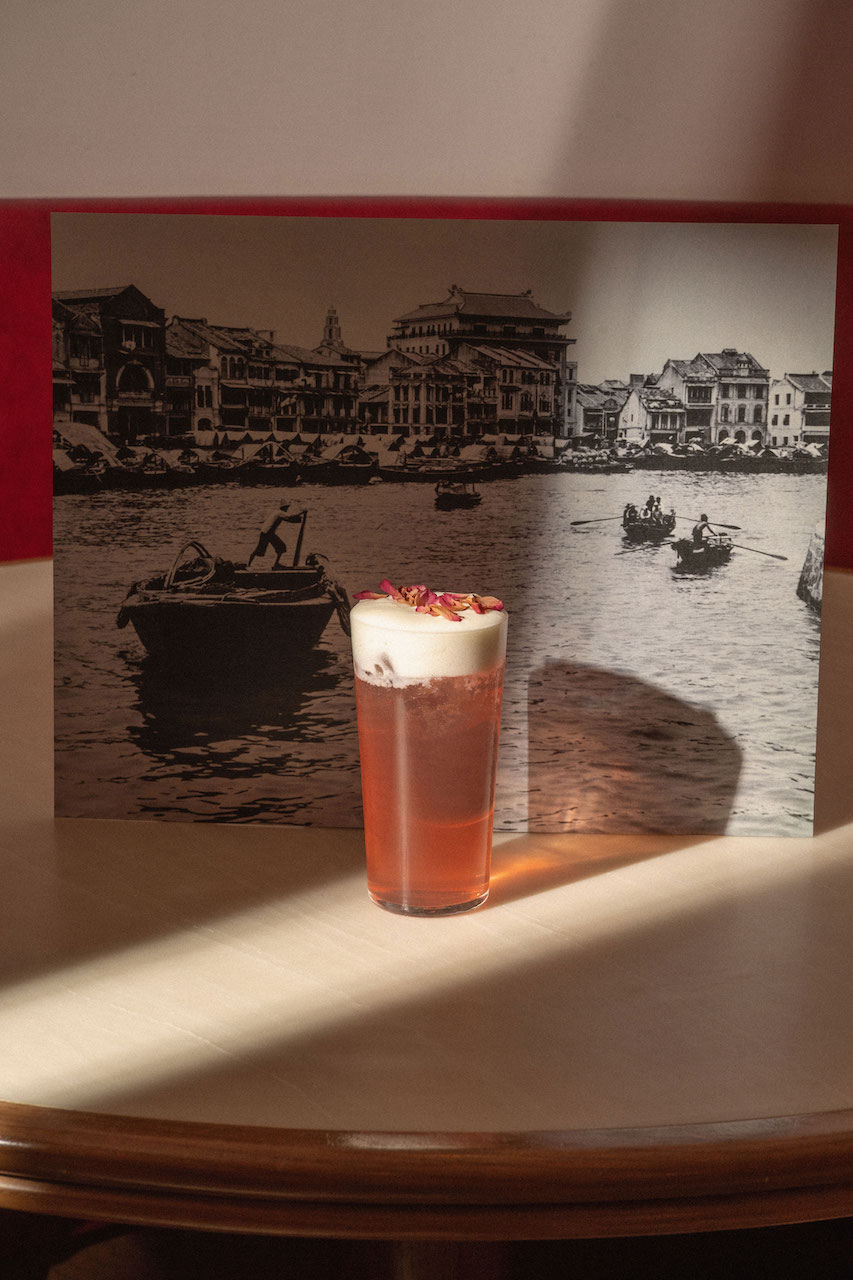
Bloody Boat Maggi channels Bangkok’s street food culture with a savoury, umami-laced profile. The distinctive drink is made with a onion-infused port wine, Green Chartreuse, Thai boat noodle broth reduction and Maggi seasoning. And Palo Saltado nods to Lima with a smoky blend of baijiu, Scotch and soy.
A seasonal Cantonese tapas menu rounds off the experience here. Favourites include shrimp toast with smoked pork lard, mayo and chilli sauce; lap cheong platter with cured pork sausage and goose liver; chilli crab spring rolls; baijiu-spiked mango pomelo sago and more. Cocktail fans can look forward to more new flavours in the months to come.
Keen to try other unique cocktails nearby? Within shouting distance is The Poet on 13 Staunton Street. This compact speakeasy seats only a handful, with guests gathered around the bar as drinks are crafted. The menu features eight drinks, each inspired by a personality. For instance, The Optimist is a bittersweet cocktail made with vodka, white bitter melon, elderflower, bergamot, fino sherry and honey caviar. The Wiseman is a concoction that’s grassy and umami-driven, combining awamori, sage, sugarcane juice, sandalwood and dry vermouth.
In a city that never stands still, Hong Kong continues to cook, pour and host with assurance that keeps drawing you back.