

In a city where history gathers in grand plazas and gilded museums, there is a low-lit room in La Latina where Spain feels most alive. At Corral de la Morería, flamenco is offered as inheritance – fierce, intimate and utterly unforgettable.
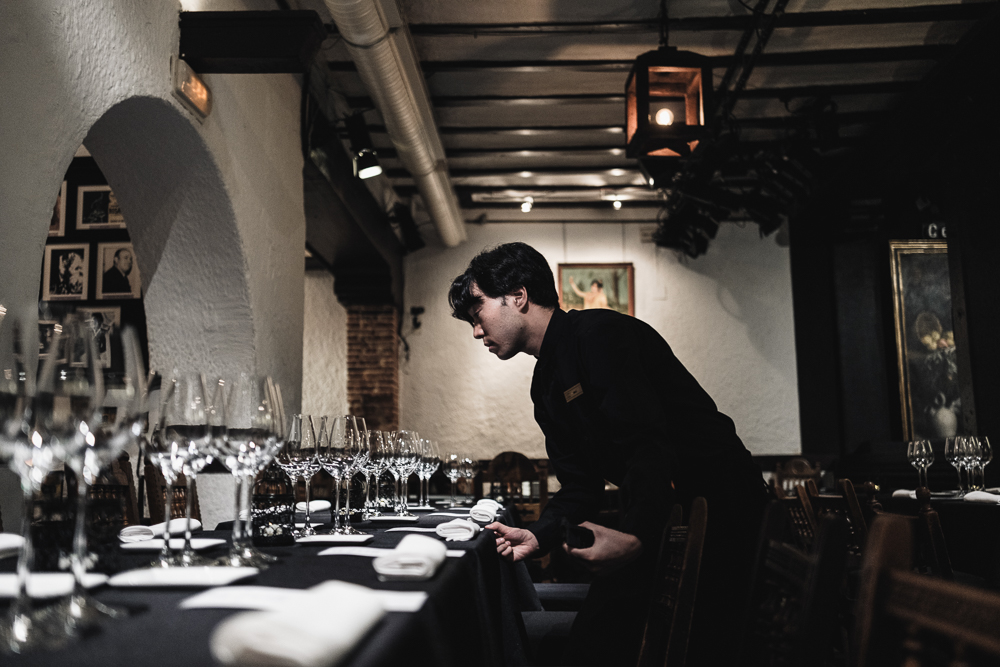
Since 1956, this storied tablao has drawn the world into its embrace. Tucked into Las Vistillas, it is both the oldest and the most revered flamenco venue on the planet – a distinction affirmed not by marketing hyperbole but by history itself. Paco de Lucía debuted Entre Dos Aguas on this very stage. Camarón sang here at just 13. Pastora Imperio, Antonio Gades and generations of legends have left their echo in the wooden floorboards. To sit in the audience is to feel the weight of that lineage humming beneath your chair.
Yet Corral de la Morería is not preserved in amber. It moves, breathes, evolves. Under the artistic direction of Blanca del Rey – herself a monumental figure in flamenco, recipient of Spain’s Gold Medal for Merit in Fine Arts – the programming remains uncompromising. The dancers do not simply perform; they fracture the air with heelwork and gather it back with a turn of the wrist. The cantaor and cantaora’s lament arrives raw and unfiltered. There are moments when the room seems to stop inhaling altogether.
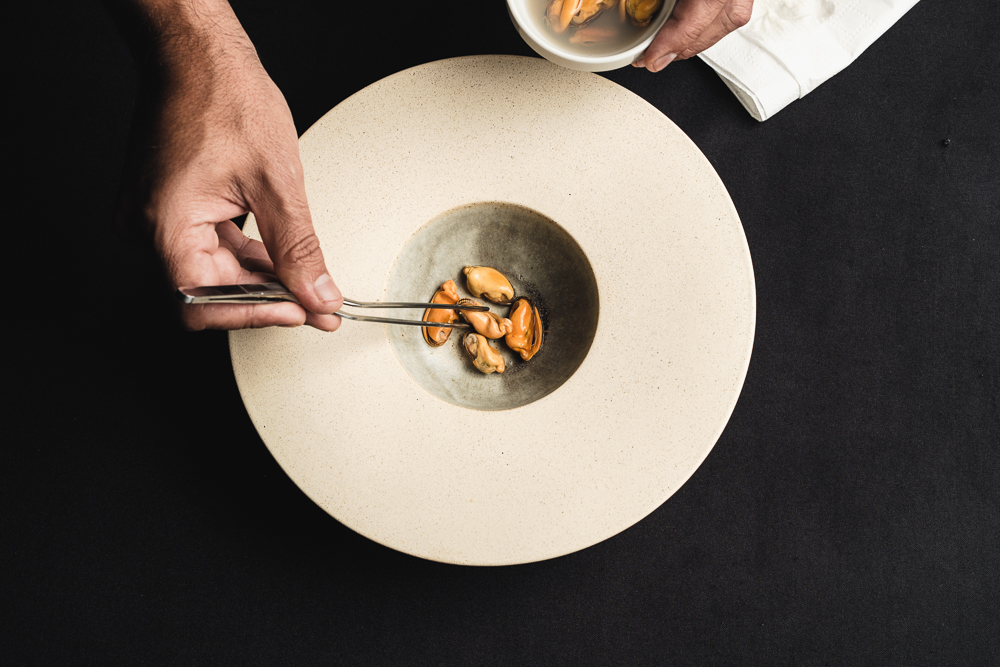
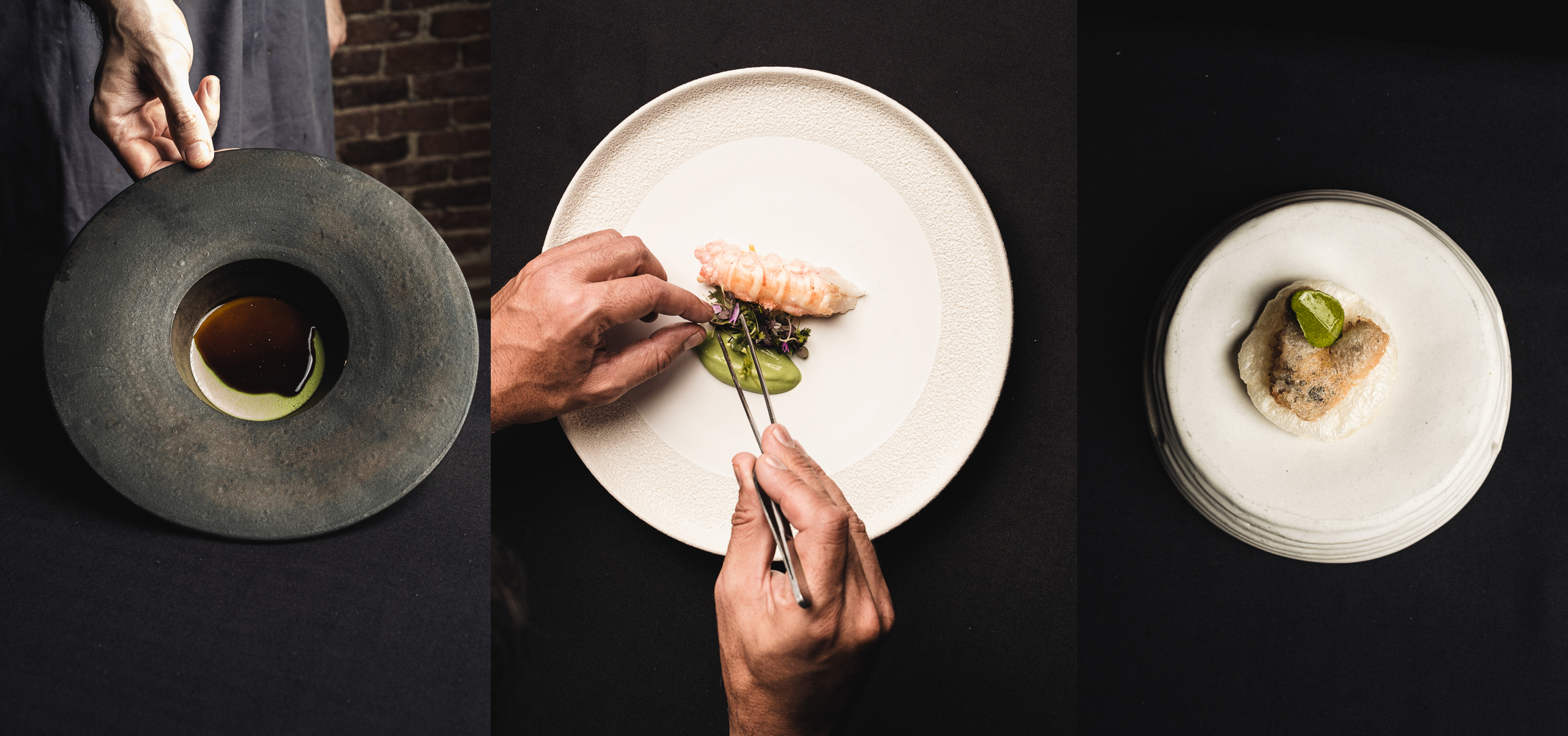
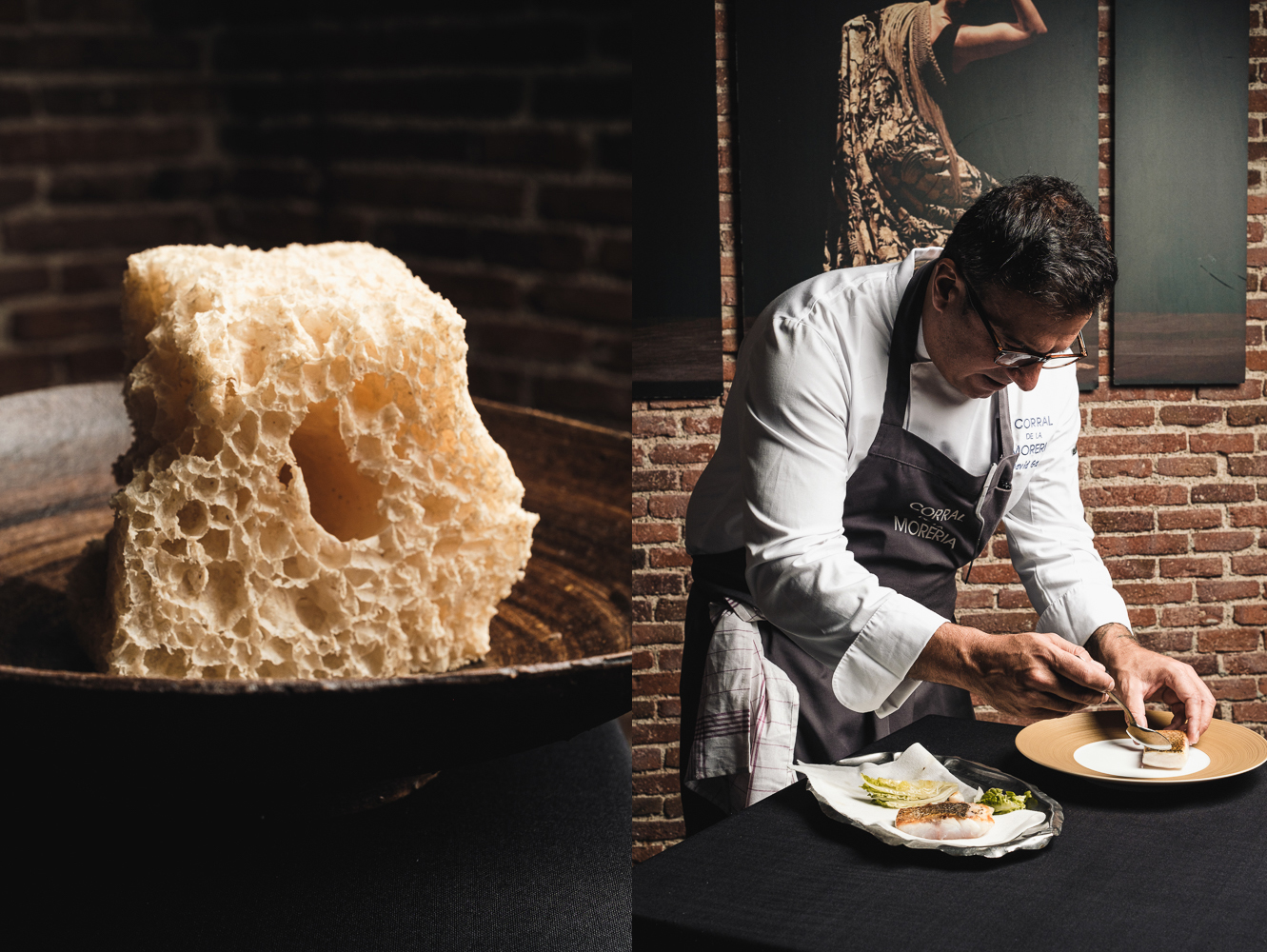
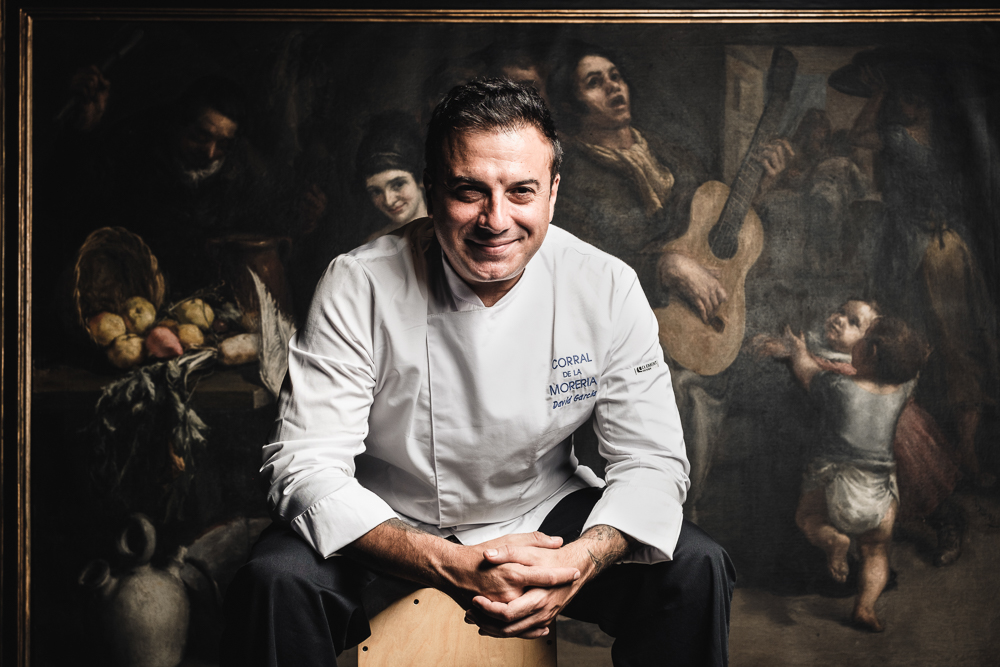
And then, there is the other revelation. Beyond the tablao lies one of Spain’s most singular dining experiences: the only flamenco venue in the world to hold a Michelin star. In an intimate gastronomic space with just four tables, chef David García –trained under Martín Berasategui – composes a tasting menu that mirrors the emotional cadence of the performance outside. His cuisine is rooted in Basque technique yet deeply attuned to Andalusian soul.
A crisp kokotxa pintxo gives way to langoustine glossed in green sauce; sea bass arrives with a bright lemon pil pil; pigeon is paired with almond and cocoa in a dish that feels at once earthy and operatic. Even dessert – tocino de cielo, intxaursaltsa – speaks fluently of tradition, reinterpreted with precision. The wine cellar, boasting over 1,200 references of Andalusian fortified wines (particularly from Jerez), is a cathedral to sherry lovers.
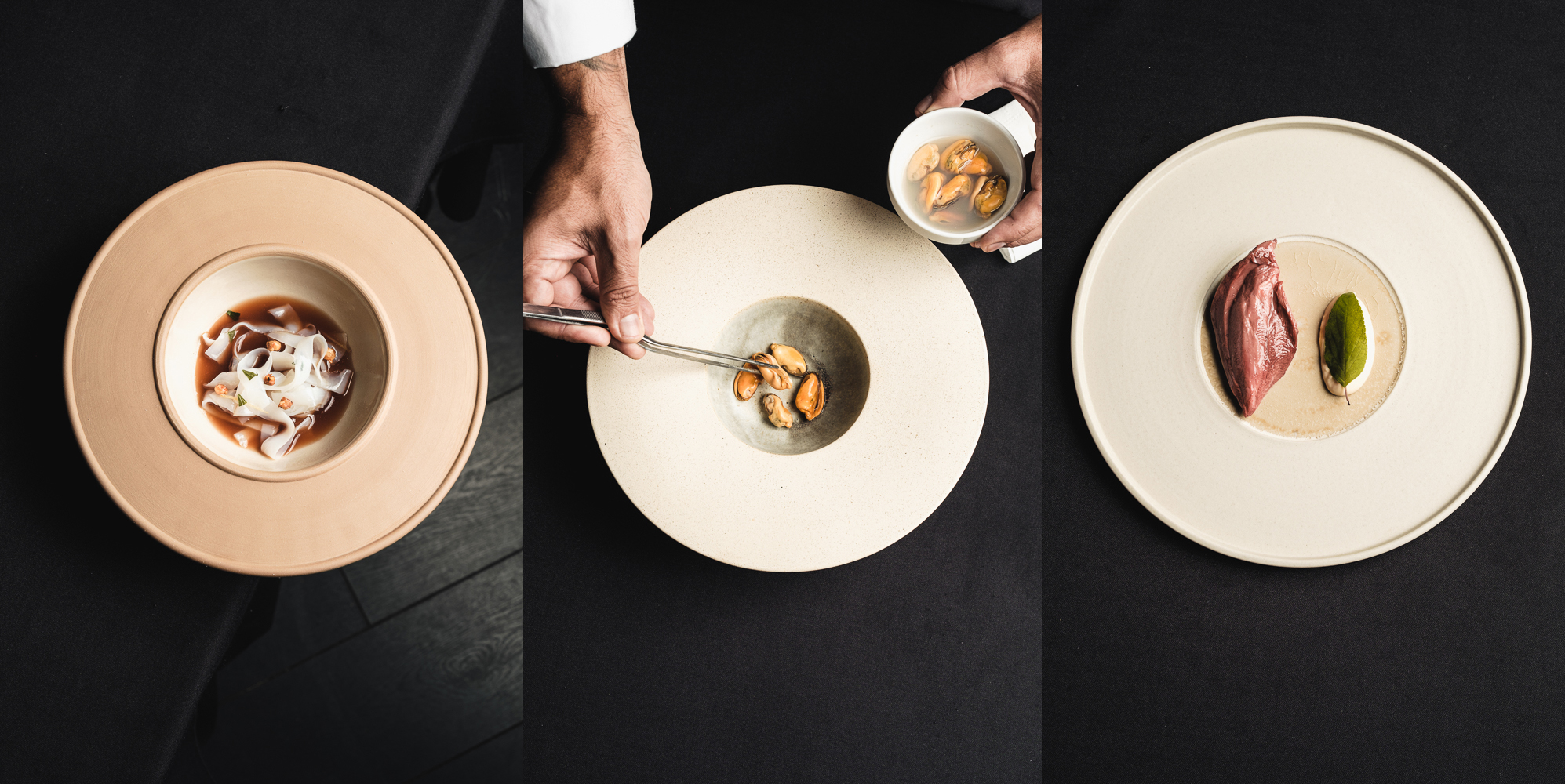
What makes the experience so moving is not simply excellence – though there is plenty of that – but cohesion. The artistry on stage and on the plate share the same philosophy: purity of emotion. García himself describes flamenco as “pure emotion”, and his cooking follows suit. The compás of the guitar finds an unlikely twin in the rhythm of the tasting menu.
It is rare to encounter a place that feels both iconic and intimate, globally celebrated yet fiercely personal. Corral de la Morería remains a family enterprise, guided today by the founder’s sons, who continue the vision first conceived by Manuel del Rey: to unite the finest flamenco artists with haute cuisine under one roof. Nearly seven decades on, the formula does not feel calculated – it feels inevitable.
Madrid has its royal palace and its great museums. But if you wish to understand the country’s pulse – the pride, the sorrow, the defiance, the beauty – you will find it here, in the dim glow of candlelight, where a heel strikes wood and a glass of sherry catches the flame.