

Saki at JW Marriott Hotel Tokyo is the meeting point of Japanese produce and Emmanuel Stroobant’s modern, precise culinary language.
Emmanuel Stroobant, chef-owner of two-Michelin-starred restaurants Saint Pierre and Shoukouwa, is no stranger to precision. His fine dining modern French restaurant Saint Pierre celebrated its 25th anniversary last year, and Emmanuel is not stopping just yet. His latest collaboration sees him, together and Shoukouwa’s head chef Kazumine Nishida, working with JW Marriott Hotel Tokyo to open Saki. This eight-seat avant-garde kappo counter is located on the 29th floor of the newly opened hotel in Takanawa Gateway City, Tokyo’s newest urban destination.
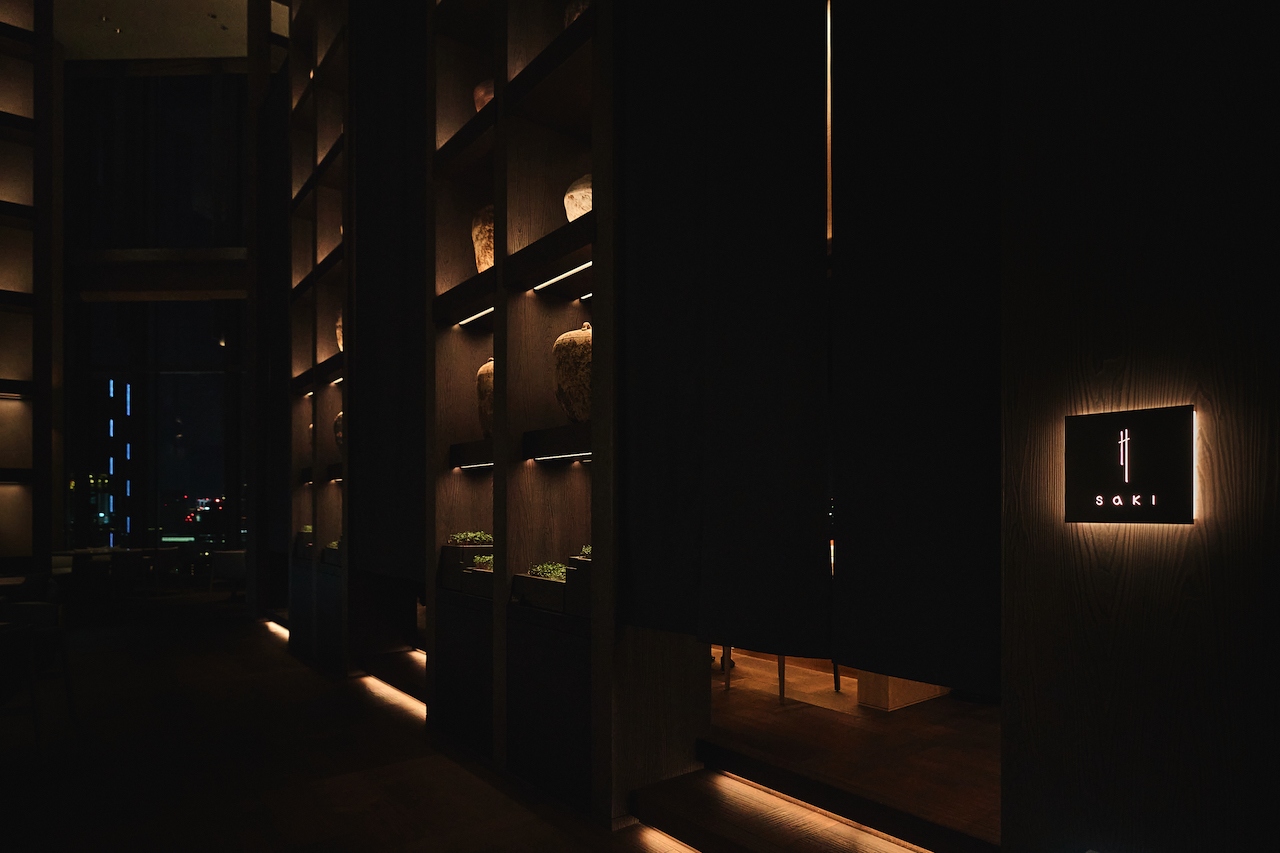
The project began with a conversation rather than a blueprint. Emmanuel explains: “Marriott’s initial idea was a sushi counter, but after further thought the team wanted something less common. An experience that could feel genuinely destination-worthy for both travellers and locals,” he says. Introduced through a mutual friend, the idea remained exploratory until a pivotal tasting in Singapore. “It became real the moment JW Marriott’s executive chef, Conrado Tromp, flew to Singapore for a tasting. The food wasn’t the only factor; he understood and liked the vision and concept. From there, things progressed, and Saki opened eight months later.”
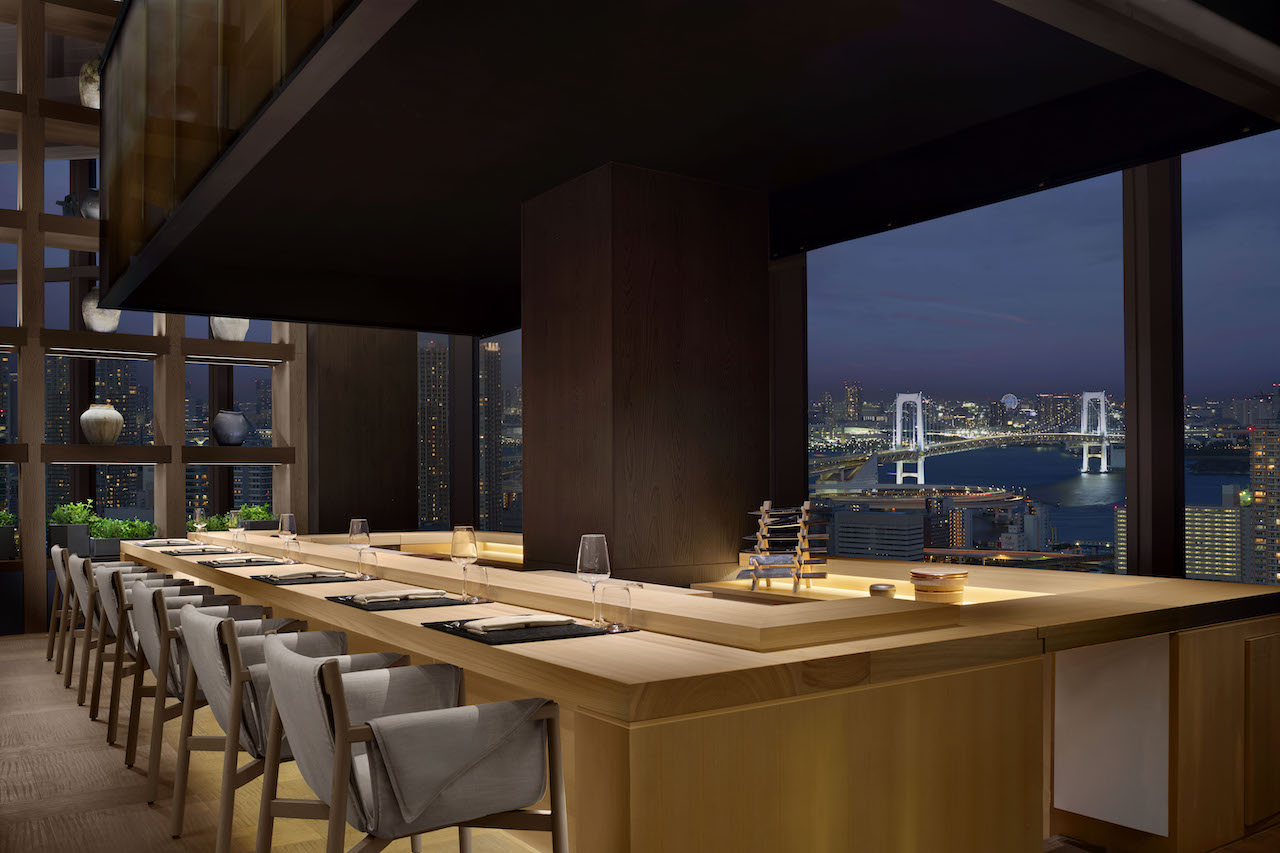
“Saki reinterprets Japanese flavours through a modern lens,” says Emmanuel. “Our approach is to keep the soul of Japanese cuisine intact – seasonality, restraint, balance, and respect for ingredient – while expressing it in a less traditional language that feels accessible to travellers and still exciting for locals.”
He continues, “Innovation comes in how we express those principles: composition, temperature contrasts, modern techniques, and a more contemporary visual language.” Having worked together with Chef Nishida for years, the partnership allows for creative freedom without losing integrity. They are not trying to reinvent, but aim to make Japanese flavours feel freshly articulated.
That balance is perhaps most clearly illustrated through the menu’s treatment of sashimi. “Traditionally it’s enjoyed with very little intervention, and we respect that spirit. But Chef Nishida and I asked how we could elevate the experience visually and texturally without changing its soul.”
In Saki’s Zen menu, scallop and spiny lobster are presented using a Western tartare-style composition, adding dimension while retaining distinctly Japanese flavour profiles. “Both dishes look and feel very modern, but the flavour direction stays distinctly Japanese.” This disciplined approach to innovation is a hallmark of Emmanuel’s career. “At my restaurants, I have always believed that innovation only works when the flavour is disciplined. Saki follows the same principle,” he says.
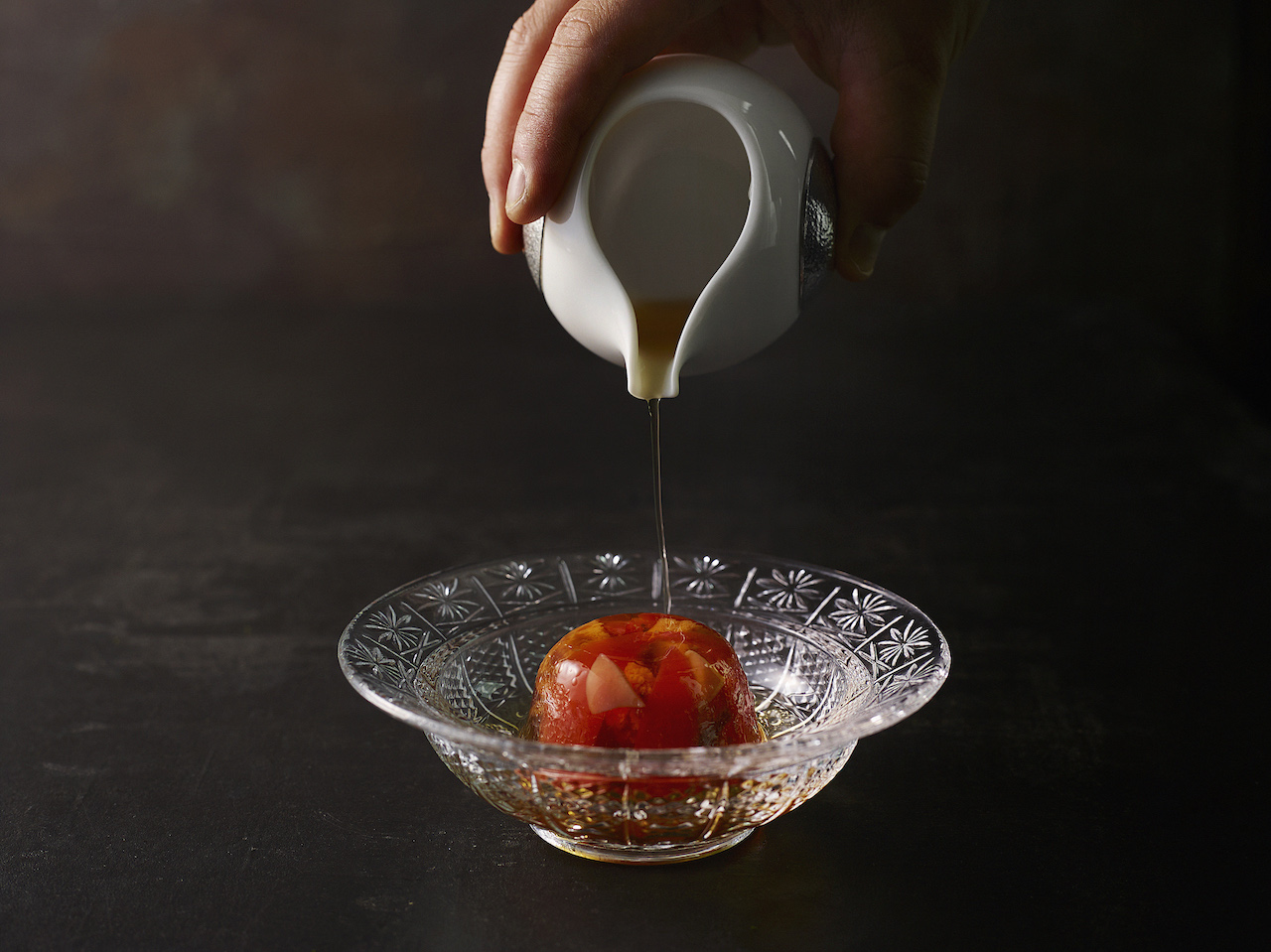
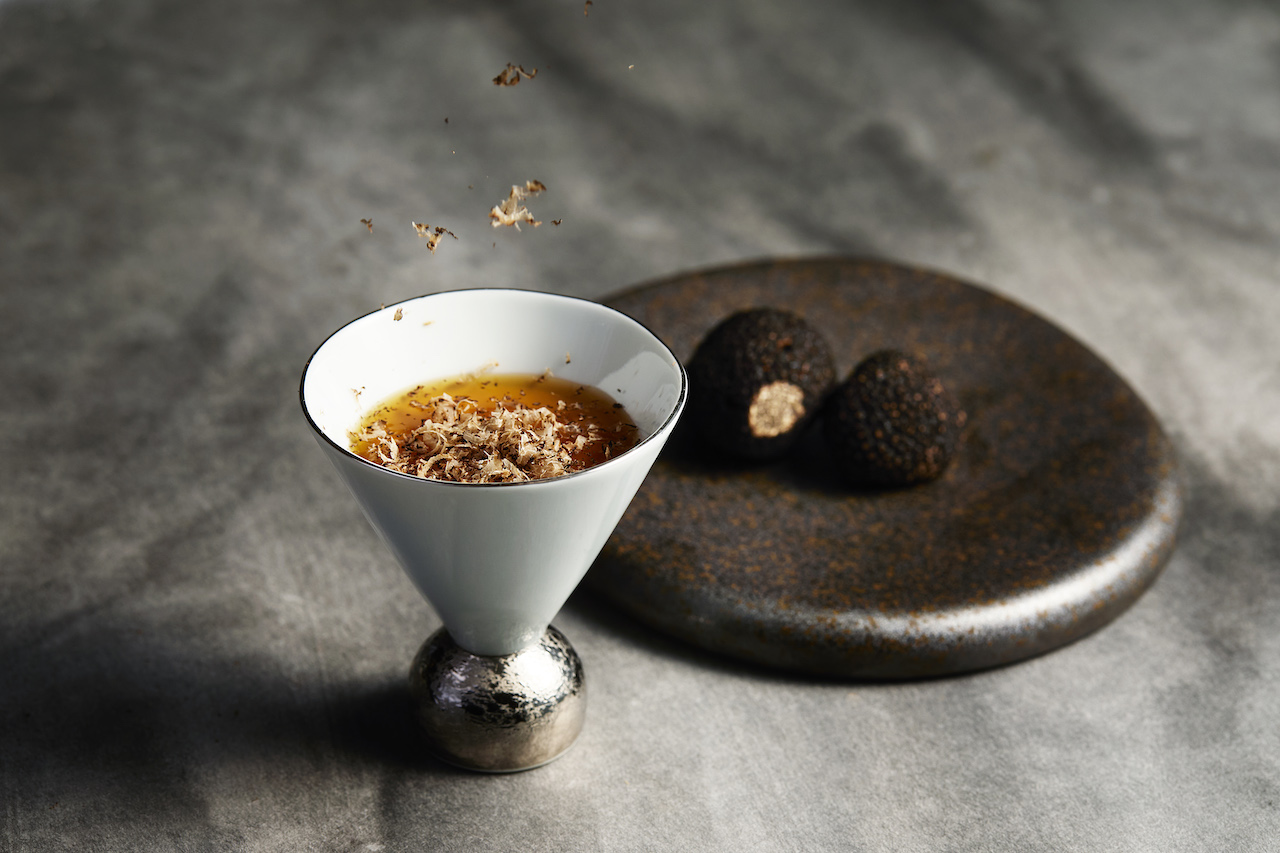
Some of the more distinctive dishes served include the refreshing aspic of sea urchin and surf clam with amela tomato; velvety chawanmushi perfumed with black truffle; and handroll of fatty tuna with roasted Szechuan peppercorn, pickled radish, white leek and perilla.
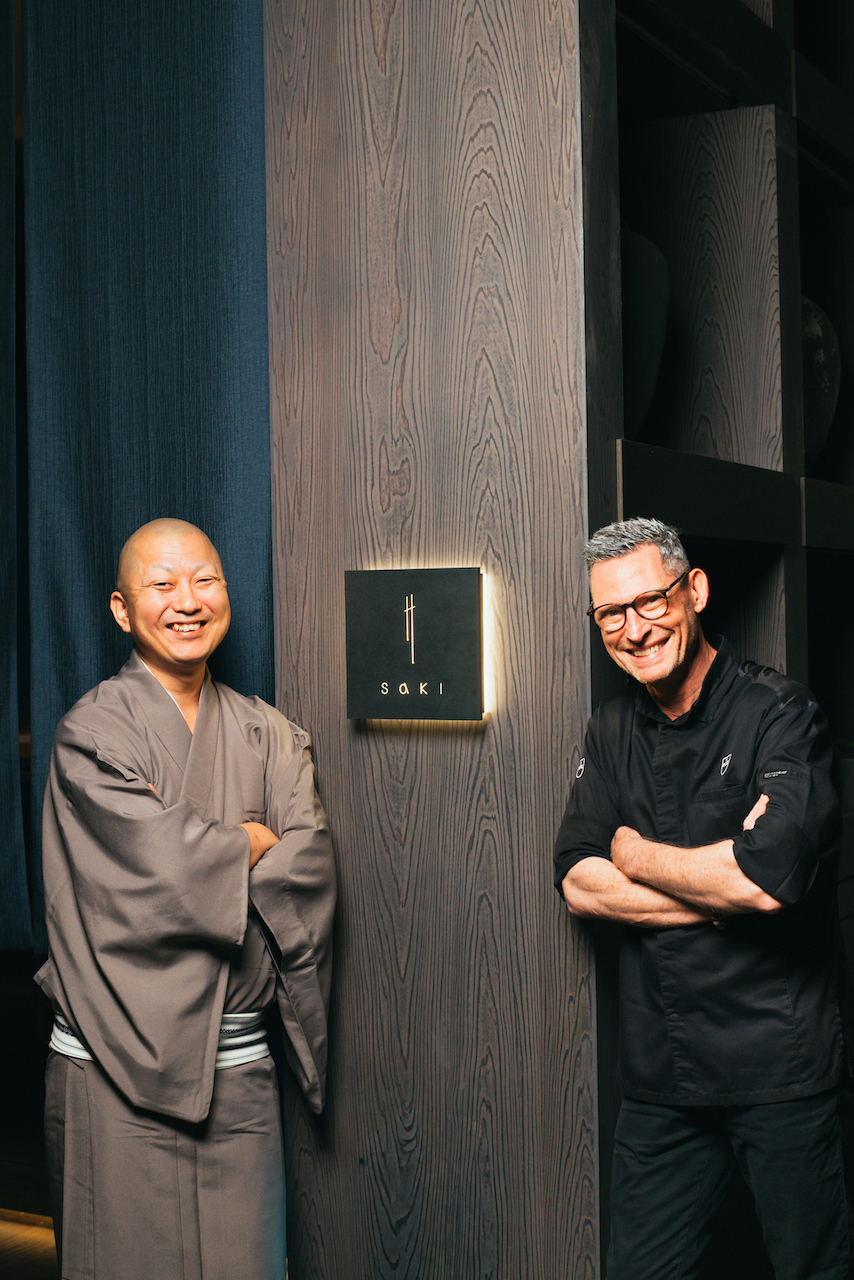
Emmanuel’s travels through Japan have only deepened his admiration for the culture that underpins the cuisine. “Especially the discipline around craft. There is a deep respect for process—the minor steps of doing small things correctly, repeatedly, until excellence becomes consistent rather than occasional. That mindset shows up everywhere, from ingredient handling to execution of the dishes. I have always found inspiration in the wider ecosystem.” he says. “From producers to artisans, every day decisions are steeped in attention to detail and the deep respect accorded to seasonality. It reinforces a simple belief that excellence isn’t a single big moment but an accumulation of thousands of small, correct decisions.”
That philosophy leaves a lasting impression on him, and it is “something we aim to embody at Saki every night,” says Emmanuel.