

A mindful journey through Spain early in the year may not be the most obvious choice, yet its appeal reveals itself quickly – fewer crowds, crisp air, and a more intimate rhythm that draws travellers closer to the country’s cultural pulse. As 2026 unfolds, Spain extends a confident invitation to the global stage, reaffirming its culinary authority while embracing a broader, more international dialogue of flavours and ideas.
Madrid Fusión: When the Customer Takes the Lead
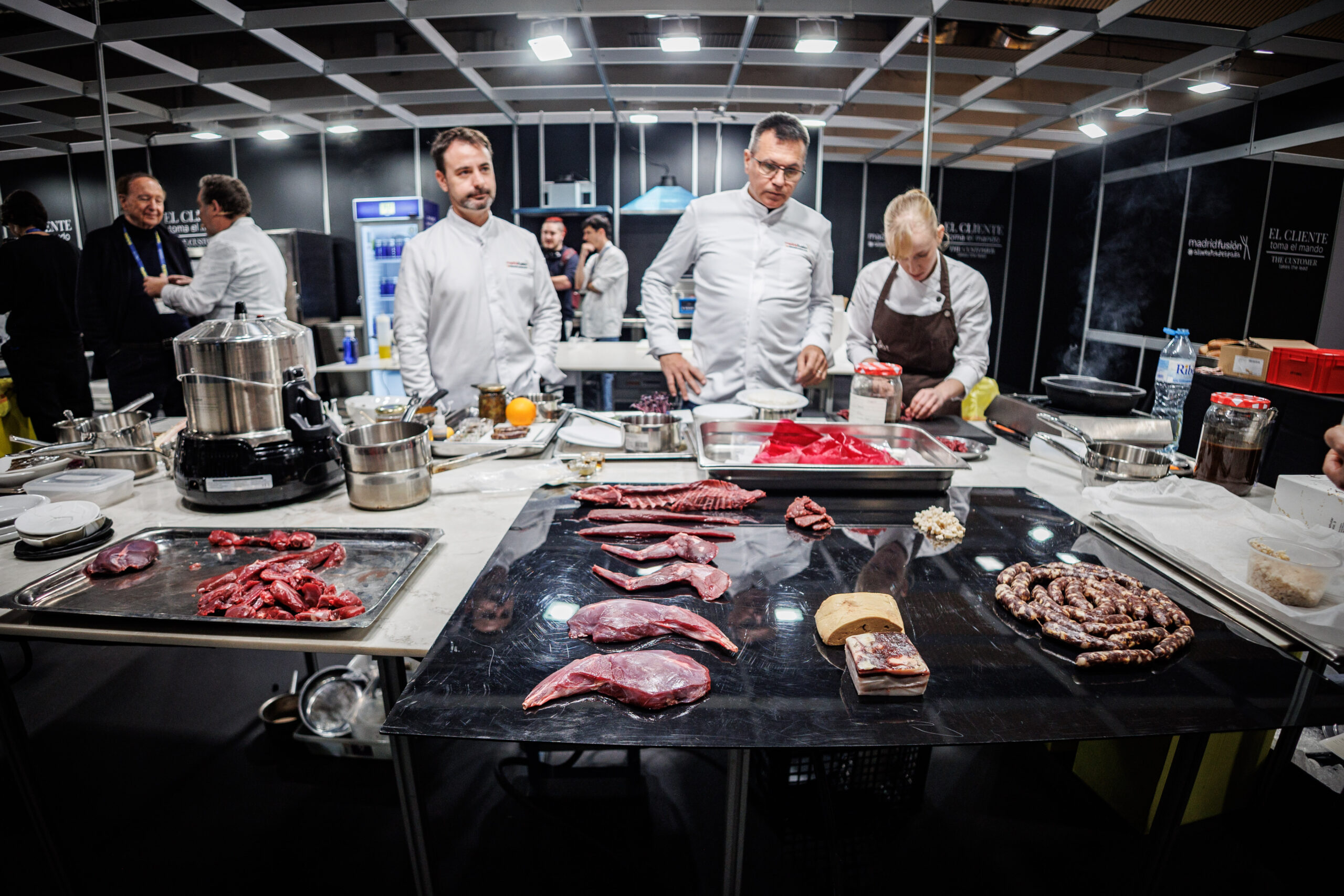
Held from 26 to 28 January, Madrid Fusión Alimentos de España returned with a compelling premise: “The customer takes the lead”. Now in its 24th edition, the congress remains one of the most comprehensive platforms in global gastronomy, bringing together chefs, producers, brands, and thinkers across the entire culinary ecosystem. From pristine Spanish ingredients to global culinary perspectives, the event unfolds as a dense exchange of tastings, workshops, demonstrations, and dialogue – an ecosystem in constant motion.
This year marked its most international edition to date, with global voices outnumbering local ones on the main stage – a reflection of how cuisine today transcends geography. Rather than rejecting the foundations of haute cuisine, the congress signals its evolution. Dining is no longer passive indulgence but active participation, where restaurants balance creative authorship with a deeper responsiveness to their guests.
In this shifting landscape, chefs are no longer defined solely by technique, but by their ability to listen – to land, to producers, and to diners themselves. The result is a more fluid, conversational approach to cuisine, where identity is preserved yet constantly reinterpreted. Diversity, authenticity, and emotional resonance now sit at the heart of the dining experience.
Beyond the congress: Madrid’s living table
Outside the congress halls, Madrid reveals itself as one of Europe’s most dynamic culinary capitals. Nowhere is this more evident than in El Retiro, a neighbourhood where everyday dining reaches quiet excellence. Here, the city’s essence unfolds through tapas – an unstructured ritual of moving from bar to bar, sharing plates, and allowing the evening to evolve organically.

El Retiro resists spectacle in favour of authenticity. Traditional taverns coexist with contemporary wine bars, and regional Spanish flavours can be explored within a few streets. It is less about singular destinations and more about density – a layered, lived-in dining culture shaped by respect for ingredients and an unpretentious sense of hospitality.
For a more theatrical expression of Spanish culture, Corral de la Morería offers a rare synthesis of flamenco and fine dining. Under chef David García, the kitchen operates with Basque precision, complementing the intensity of live performance. The result is not a juxtaposition but a harmony – two art forms, each amplifying the emotional depth of the other.

Catalonia: architecture, identity, and mindful travel
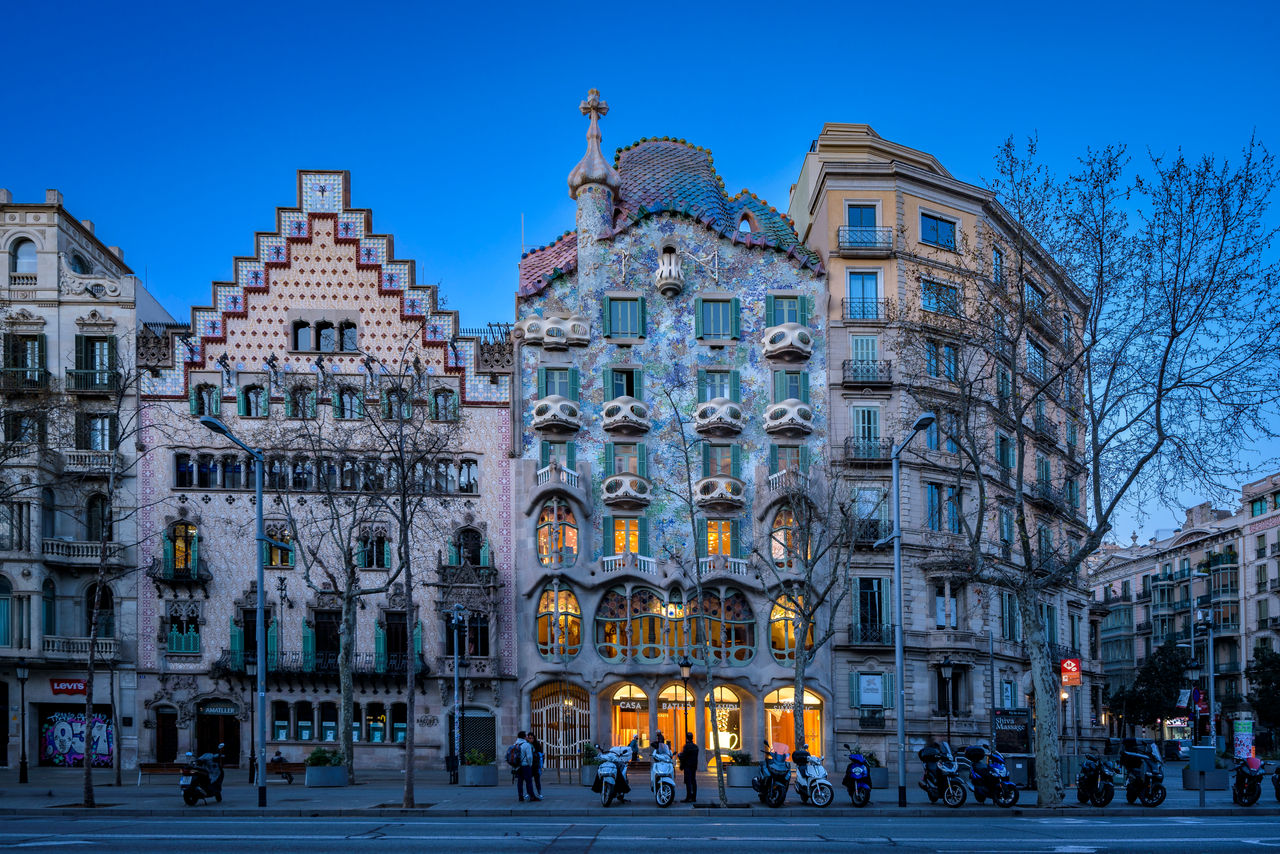
A short journey from Madrid leads to Catalonia, named World Region of Gastronomy 2025, where culture extends far beyond the plate. In Barcelona, the legacy of Antoni Gaudí defines the city’s visual identity – his organic, nature-inspired architecture transforming stone and ceramic into fluid, almost living forms.
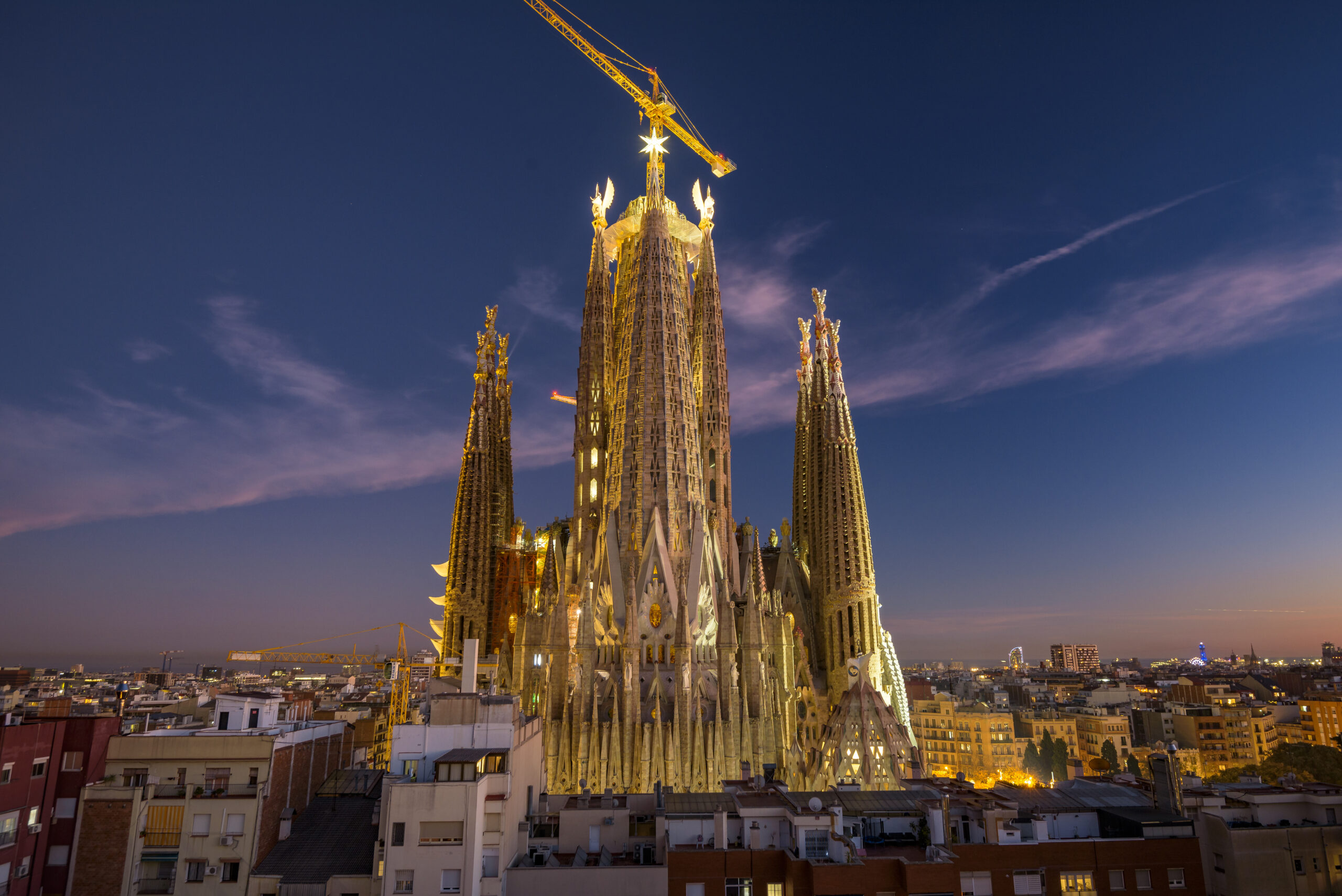
Landmarks such as La Sagrada Família stand as enduring symbols of collective ambition, while Casa Batlló and Casa Milà reveal Gaudí’s more playful, imaginative side. Beyond these icons, the city unfolds as a broader canvas of Modernisme, from the intricate Palau de la Música Catalana to the expansive Recinte Modernista de Sant Pau.
Yet Catalonia’s future lies not only in preservation, but in progression. Its tourism strategy – “More Catalonia, Better Tourism” – shifts the focus from volume to value, encouraging responsible travel and deeper engagement with local communities. With millions of annual visitors concentrated along its coast, decentralisation and sustainability have become essential priorities.
Gastronomy remains central to this vision. With 72 Michelin stars and a culinary heritage rooted in one of Europe’s oldest cookbooks, Catalonia continues to position food as both cultural expression and economic driver. Looking ahead, Barcelona’s upcoming milestones – including the World Congress of Architecture and the anticipated completion of La Sagrada Família’s main tower – signal a region where heritage and innovation move in parallel.

A new measure of Spanish luxury
Taken together, Madrid’s kitchens and Barcelona’s skyline reveal a broader narrative. Spain is not retreating from indulgence, it is redefining it. Gastronomy becomes more conscious, architecture more meaningful, and tourism more responsible.
In this evolving landscape, luxury is no longer about excess, but about connection: to place, to people, and to purpose.
Carry-on culture
Beyond postcards and clichés, these are the objects – edible, artisanal and enduring – that carry Spain’s spirit home in the most tasteful way.
Manchego
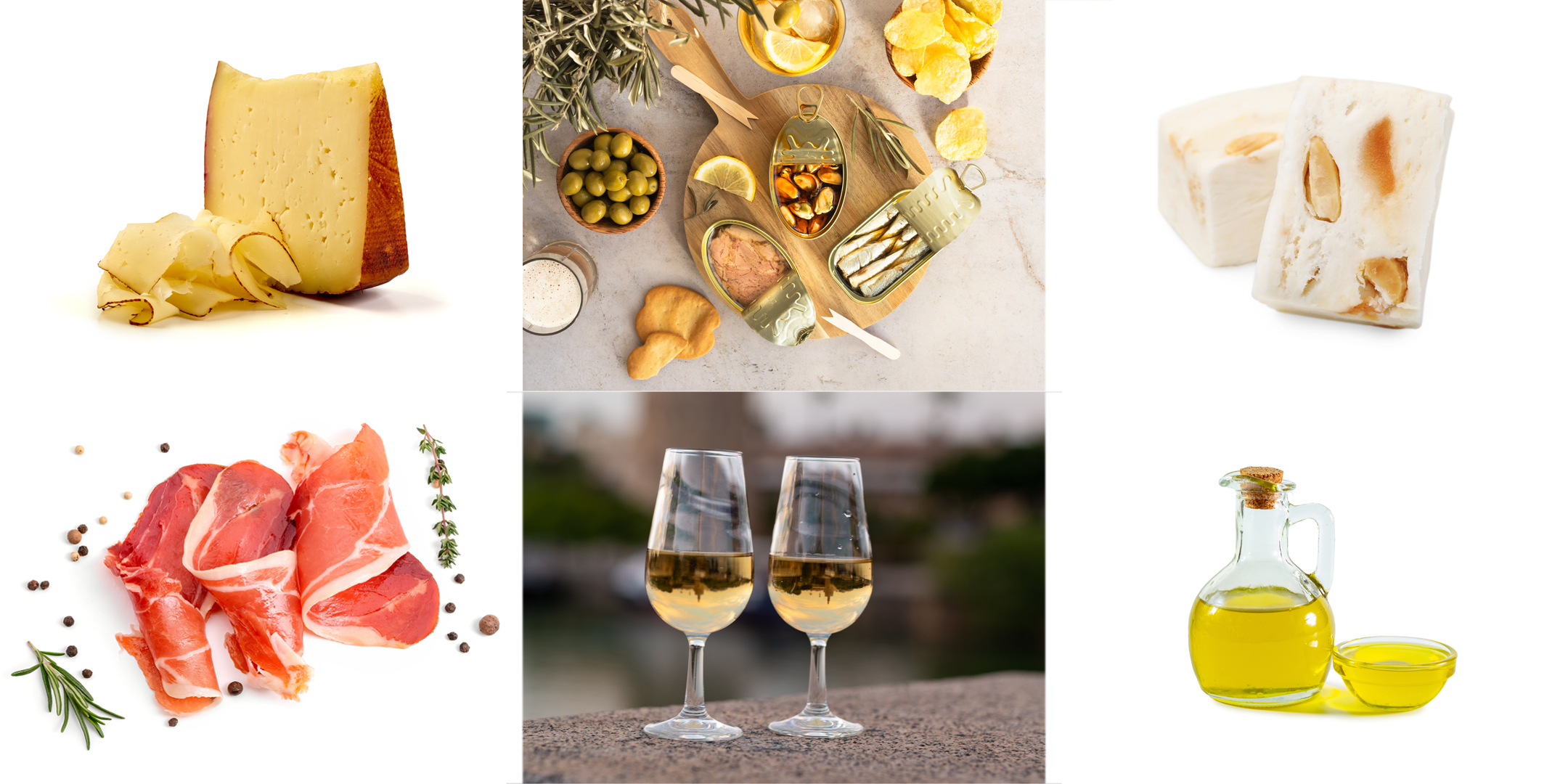
Nutty, firm and quietly complex, Manchego is Spain’s most recognisable cheese for good reason. Produced from the milk of Manchega sheep in La Mancha, it ranges from supple and milky when young to crystalline and caramelised with age.
Conservas
Spain elevates preserved seafood into an art form. From Cantabrian anchovies to Galician mussels and razor clams packed in olive oil or escabeche, conservas reflect meticulous sourcing and expert curing.
Turrón
Traditionally associated with the festive season yet available year-round, turrón balances sweetness with texture. The classic varieties – Alicante’s brittle almond slab or Jijona’s softer, almost praline-like version – showcase Spain’s Moorish-influenced confectionery heritage.
Jamón
Few culinary symbols are as revered as jamón, particularly jamón ibérico carved paper-thin. Whether acorn-fed (bellota) or carefully cured serrano, its silky texture and lingering savoury depth reflect centuries of craft.
Andalusian Sherry
From the sunbaked vineyards of Jerez comes one of Spain’s most misunderstood treasures: sherry. Whether bone-dry Fino and Manzanilla, complex Amontillado, or richly oxidative Oloroso, these fortified wines offer remarkable range and food-pairing versatility.
Olive Oil
Seek out extra virgin bottles from Andalusia or Catalonia, ideally cold-pressed and single-estate, where grassy, peppery notes reveal the character of the harvest. A well-chosen bottle transforms the simplest ingredients into something distinctly Mediterranean.
Read the full story in epicure Indonesia April-May 2026 issue out 1 April 2026.