

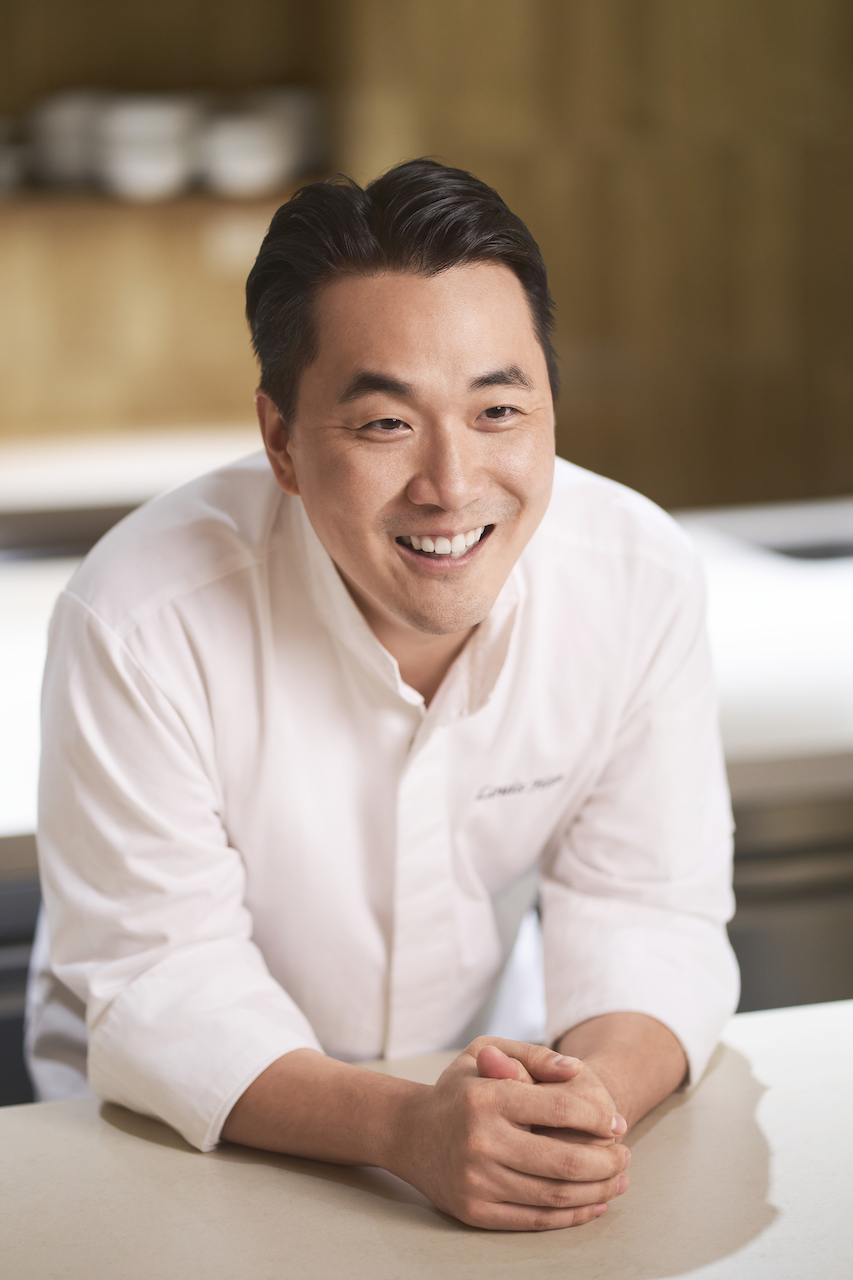
Chef Louis Han finds his rhythm with Nae:um 2.0, while reflecting a seasoned culinary voice rooted in Korean heritage and informed by global sensibilities.
Nae:um marks a natural culmination of chef-founder Louis Han’s progression over four years at the helm. For his one-Michelin-starred restaurant, Louis presents a vision of what he calls “Contemporary Korean cuisine”, grounded in Korean flavours and ingredients, but shaped by modern techniques and a more deliberate, measured approach.
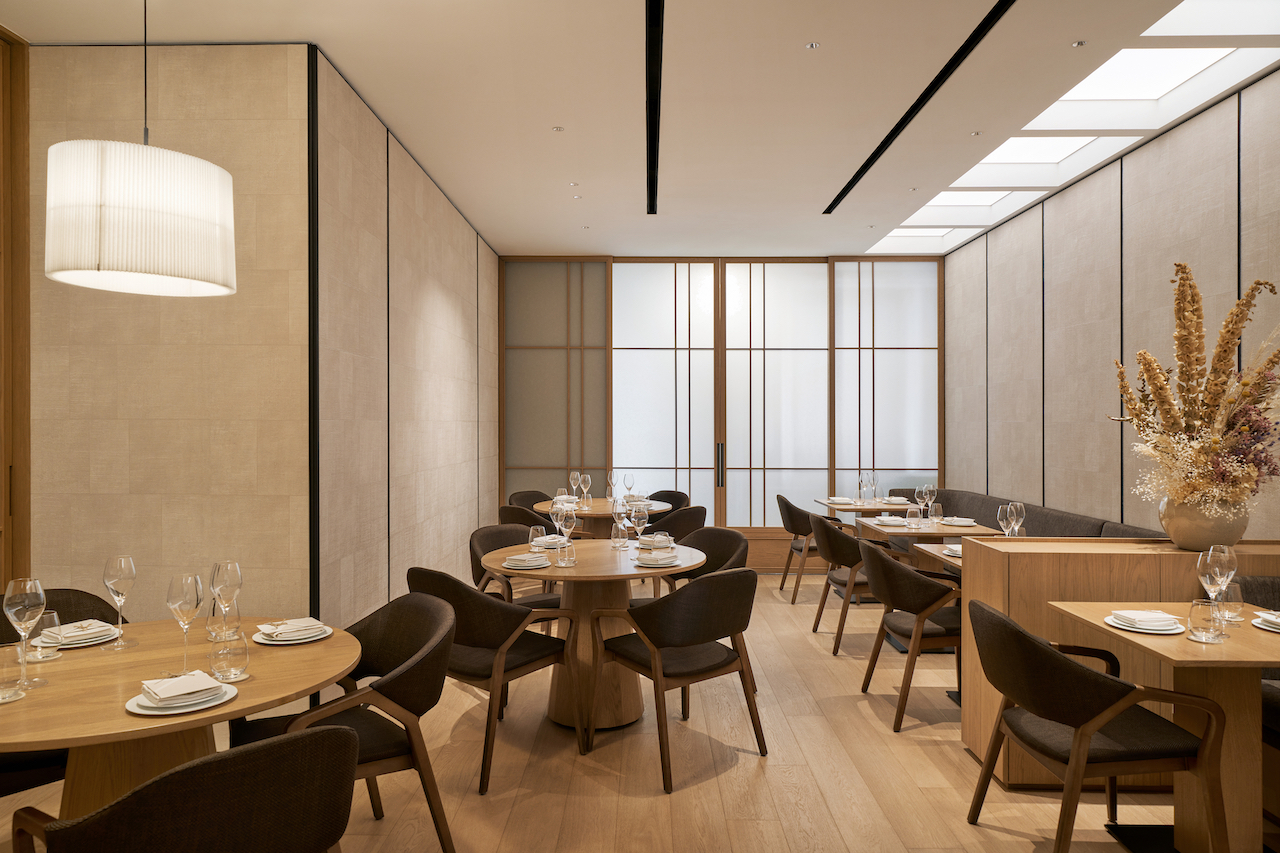
“If I have to compare, Nae:um 1.0 was more experimental and youthful, while Nae:um 2.0 is more ‘well fermented’. With the interior upgrade [in August 2025], I decided to mature the cuisine that Nae:um serves – to be more ingredient focused, detailed, and intentional. So it still has the same Nae:um DNA as before, but elevated through the learnings from the past four years of Nae:um 1.0,” says Louis.
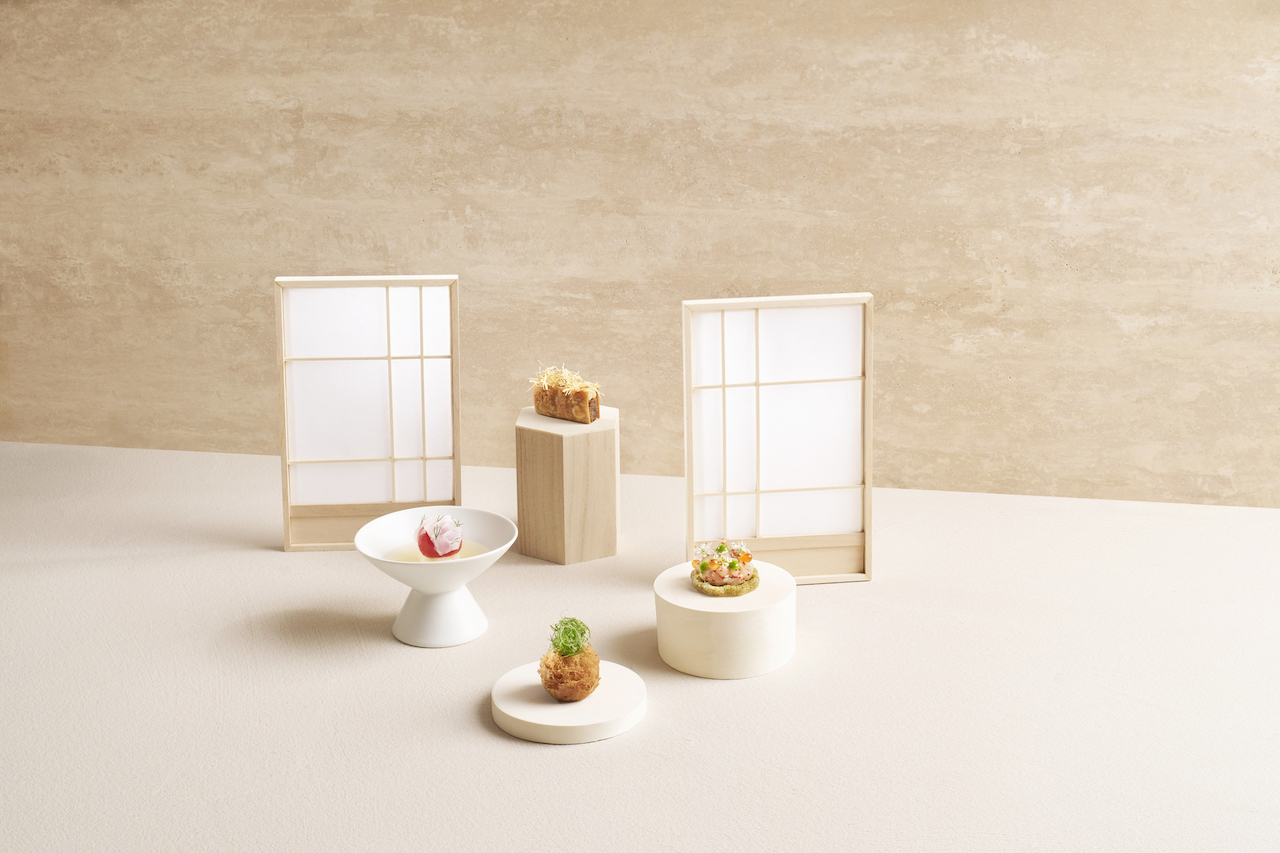
The new menu draws from the experiences that have led Louis and his team to this chapter. Assured cooking can be seen in the range of creations. Think premium Iberico ribeye, brined and grilled with galbi sauce for a savoury finish, served with pork jus and perilla-layered onion.
Comfort arrives in the form of hansang: Korean short-grain rice cooked in a cast-iron sot, mixed with aromatics, and topped with grilled gochujang-marinated deodeok mountain root vegetable. It is partnered with a changing selection of banchan and a soothing clear mushroom gomtang with daikon and minari.
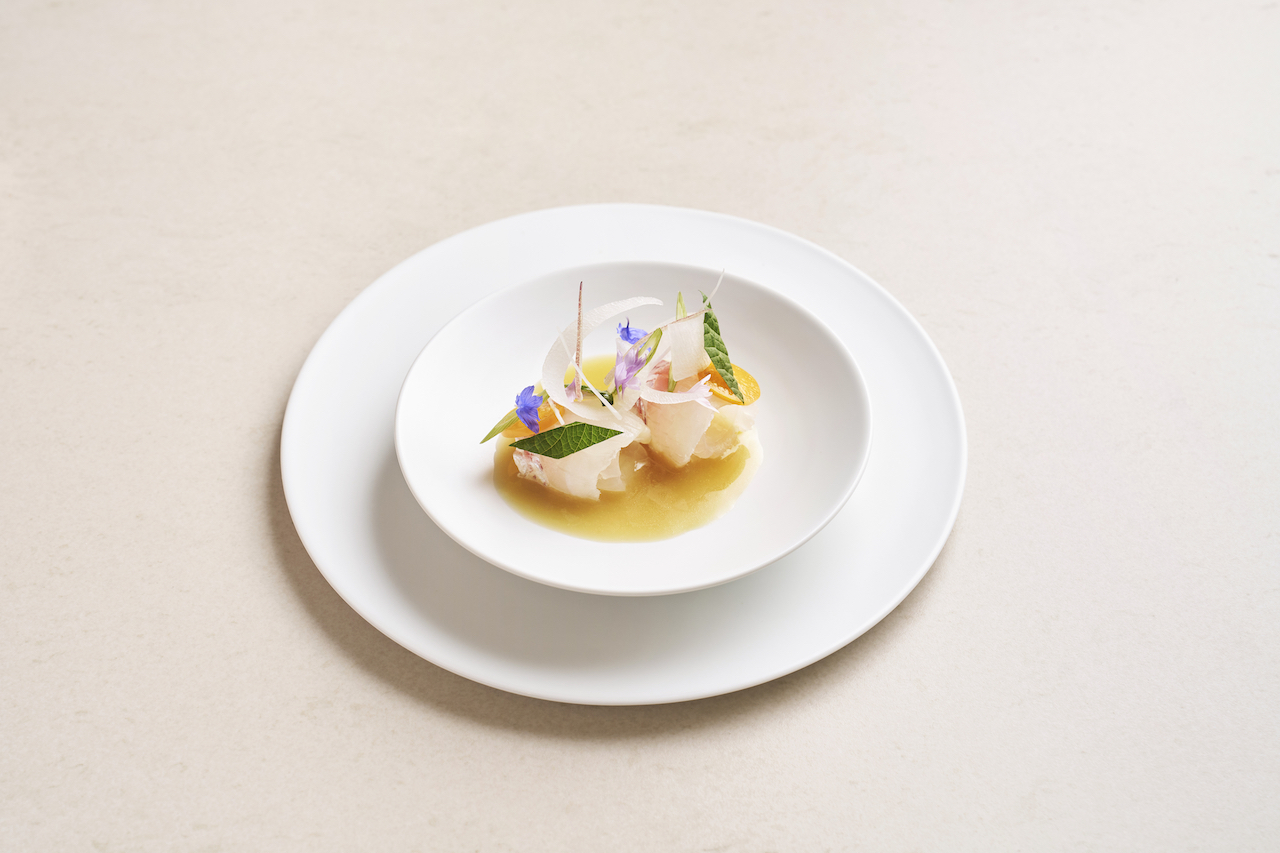
Louis shares, “My dishes are very much rooted in Korean flavours. I use a lot of modern techniques, and add supplementary ingredients that boost the core flavours. For example, for our current fish course I am using maeuntang, or Korean spicy seafood broth, as a base flavour, but I’m making it richer with butter and adding a crunch from turnips.” The pan-seared five-day dry-aged turbot is served with sautéed Korean squash marinated in fermented fish sauce, and bound with the maeuntang butter sauce.
Looking ahead, his focus is firmly on consistency rather than constant reinvention. “Since we have just re-opened as Nae:um 2.0 in August 2025, my goal for 2026 is to continue delivering this matured philosophy to new and returning diners,” says Louis, who also runs Hideaway, an elegant private experience space above the restaurant, and modern Korean steakhouse GU:UM.
Ingredient provenance, too, plays an increasingly important role. “Wherever I can, I will use seasonal Korean produce to introduce them to my diners. Currently in the menu I am using deodeok (mountain root), pohangcho (premium winter spinach from the Pohang region), and I have also recently added hanwoo as an optional add-on to our rice course. I decided to simply grill the hanwoo cut with no additional flavouring, to be enjoyed alongside rice and banchan. Diners can enjoy a pure hanwoo taste this way,” he shares.
That same balance of tradition and evolution extends to the beverage programme.“We have been expanding our breadth of Korean rice wine and artisanal liquor. Lately there are many young breweries in Korea and abroad that marry traditional brewing techniques with modern processes; these complement modern Korean cuisine well,” says Louis.
Highlights include small-batch craft tipples from master fermenter Han Yeong Seok’s Cheongmyeongju, Hana Makgeolli from Brooklyn, and Yunguna yakju from Copenhagen. The list also features Korean soju, craft spirits, Korean craft beers and ciders, and cocktails.