

Barcelona reveals itself slowly. In the Eixample district, morning sunlight glides across elegant façades while cafés fill with quiet conversations and the city’s creative energy begins to hum. Just a few steps from the fashionable avenue of Passeig de Gràcia, Almanac Barcelona sits discreetly along Gran Via de les Corts Catalanes – a boutique hotel designed to immerse guests in the rhythm of the city rather than shield them from it.
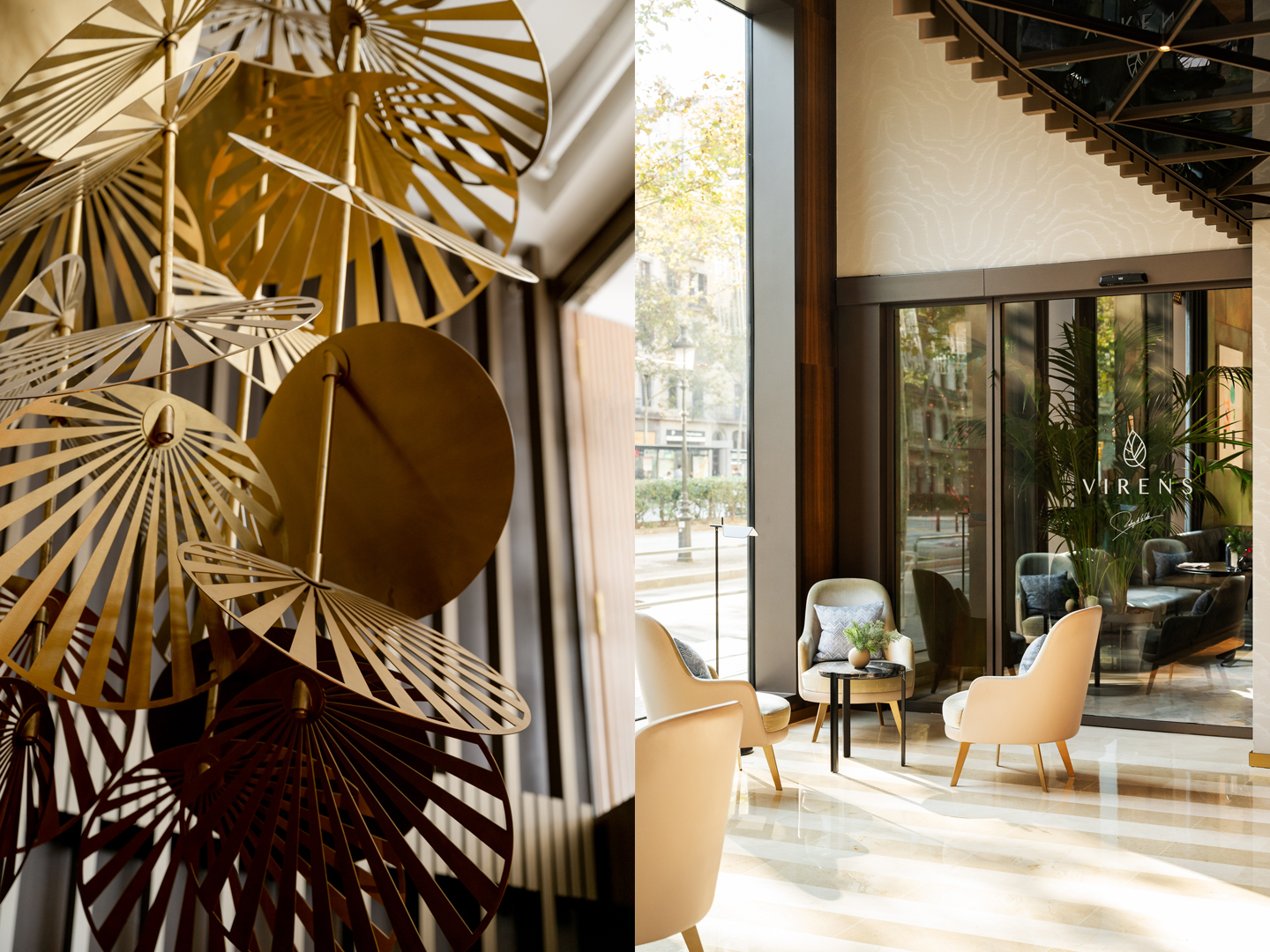
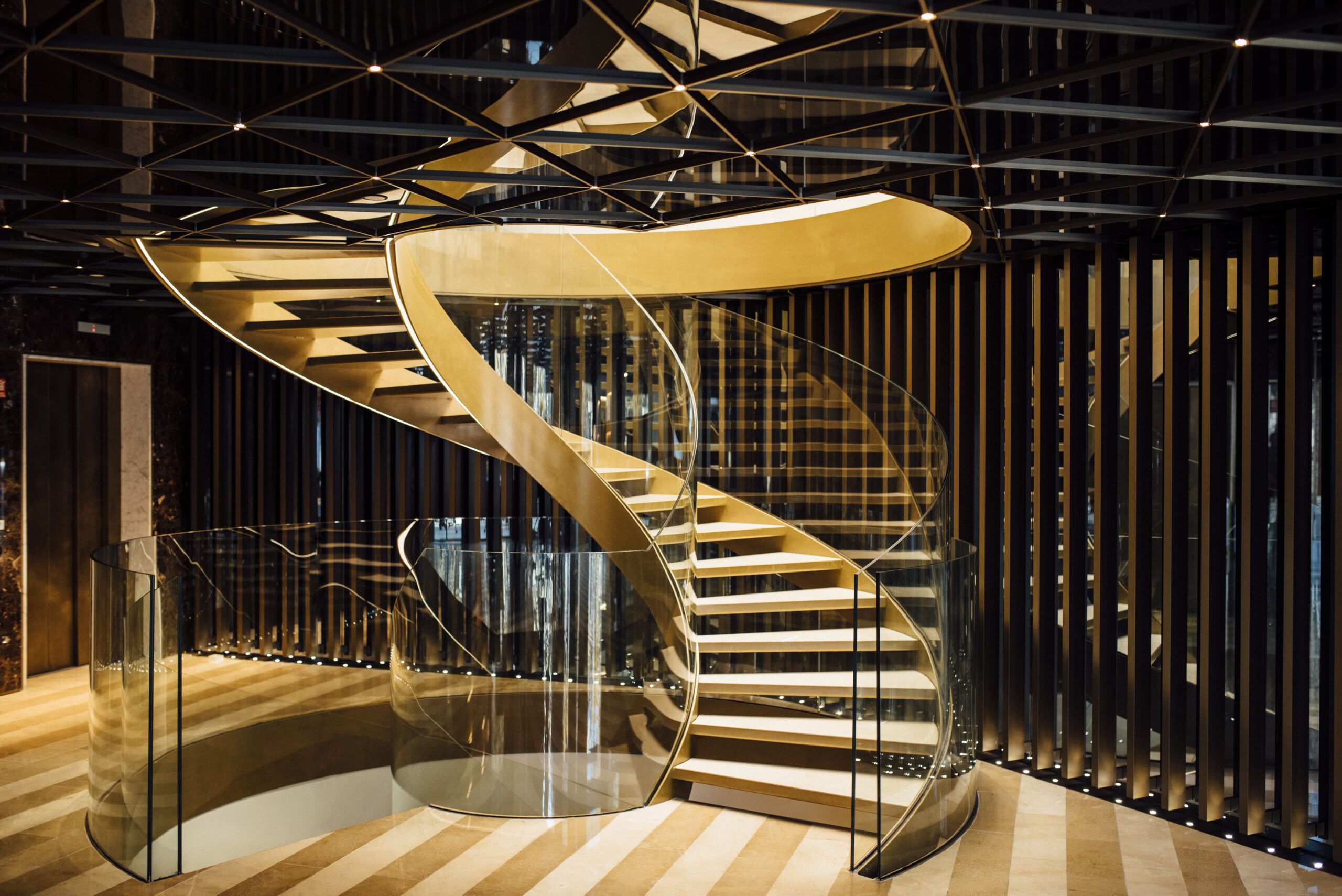
From the outside, the building blends seamlessly into the architectural tapestry of Barcelona. Inside, however, the atmosphere changes almost immediately. The lobby opens into a space defined by warm natural light, polished marble and soft golden tones – an interior language shaped by designer Jaime Beriestain, whose vision for the hotel balances understated luxury with a strong sense of place.
Large windows frame the movement of the city outside, subtly integrating Barcelona into the hotel’s interior world. It’s a thoughtful gesture that feels entirely in tune with Almanac’s philosophy: travel is not about escaping a destination, but about experiencing it fully.

With just 90 rooms and suites, Almanac Barcelona maintains the intimacy of a boutique property while delivering the comforts of a luxury hotel. Each room feels carefully considered rather than overly styled, with muted tones of grey, beige and gold softened by oak and walnut finishes. The design favours warmth and calm over spectacle. Floating bay windows – adapted from the building’s original Juliet balconies – form cosy reading nooks where guests can sit with a coffee and watch Barcelona unfold below. It’s the sort of detail that transforms a room from simply comfortable into quietly memorable.
Bathrooms continue the theme of refined simplicity, clad in luminous Ibizan marble and fitted with rainfall showers, double vanities and amenities created by perfumer Jimmy Boyd. Together, these details create the feeling of a private city residence rather than a conventional hotel room. Suites extend the experience further, some opening onto terraces that frame the rooftops of Barcelona. At the top of the category sits the Two Bedroom Penthouse Suite, where expansive living spaces and sweeping views create the impression of a contemporary apartment suspended above the city.
Like many of Barcelona’s best addresses, Almanac reveals another personality once you head upward. The rooftop Azimuth Rooftop Bar captures the city from an entirely different perspective. From here, the skyline stretches toward landmarks such as Sagrada Família and the distant hills of Tibidabo. During the day, the terrace feels relaxed and contemplative, with binoculars and skyline markers encouraging guests to explore the city’s landmarks from above. As evening approaches, Azimuth shifts into a lively cocktail destination where drinks inspired by constellations and zodiac signs accompany music and soft Mediterranean air. Nearby, the rooftop pool offers a quieter corner – an ideal place to pause after a day navigating Barcelona’s galleries, boutiques and markets.
While Almanac Barcelona excels as a design-led boutique stay, its culinary identity is anchored by Virens, one of the city’s most thoughtful dining concepts. Led by Michelin-starred chef Rodrigo de la Calle, Virens introduces what the chef calls “green haute cuisine” – a philosophy that places vegetables at the centre of the plate. Roughly 80 percent of each dish is composed of seasonal, locally sourced plant ingredients, complemented by carefully selected seafood or meats when appropriate.
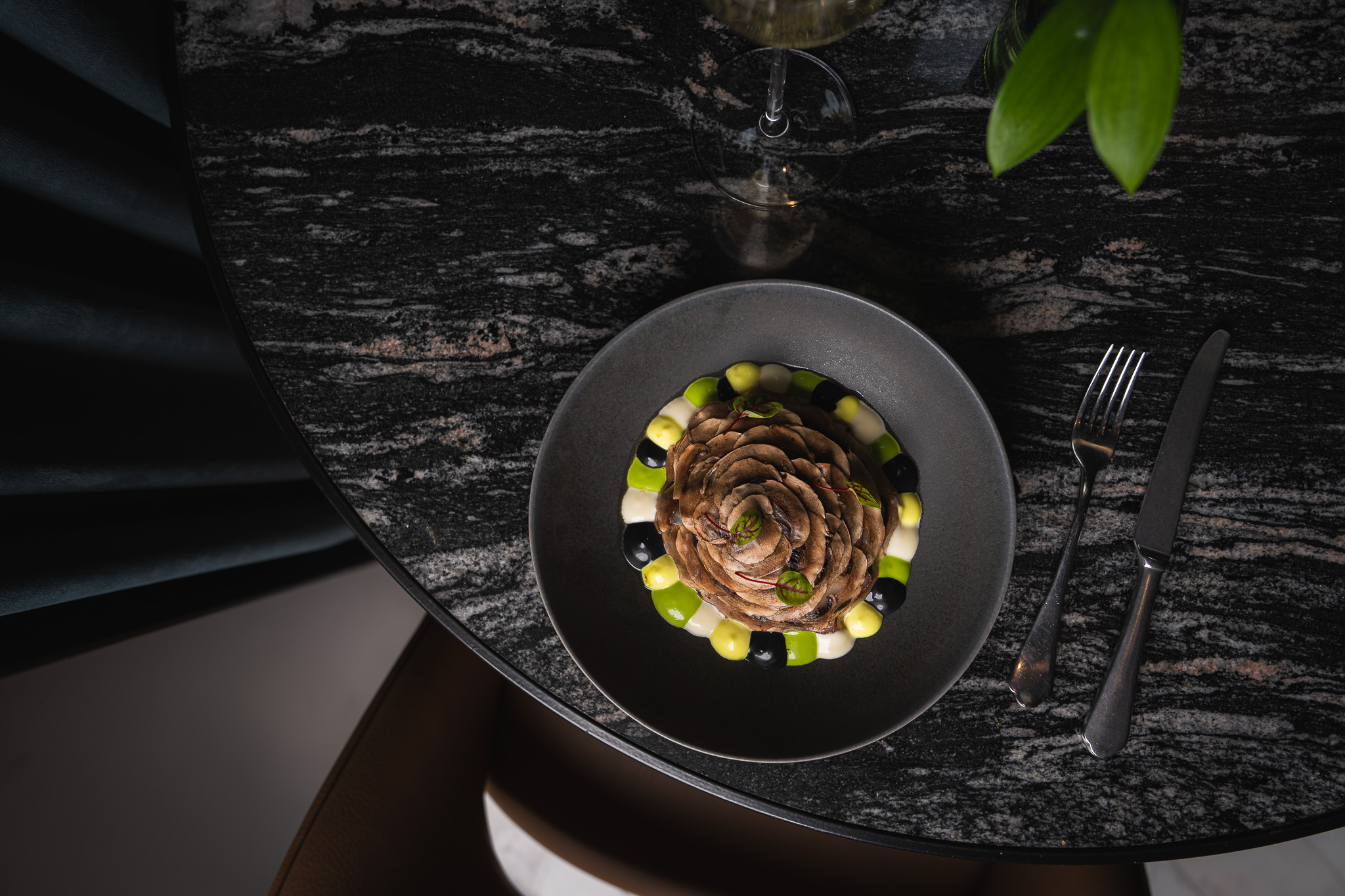
The approach feels both contemporary and deeply respectful of nature. De la Calle, who grew up surrounded by agriculture and later pioneered the concept of gastrobotany, treats vegetables with the same precision traditionally reserved for luxury ingredients. The result is a menu that feels innovative yet grounded in the rhythms of the land.
The restaurant’s design mirrors the cuisine: elegant without being theatrical. Warm blues and soft lighting create an intimate dining room where dishes arrive as quiet expressions of creativity rather than elaborate showpieces. For hotel guests, Virens becomes more than simply a restaurant – it forms part of the broader Almanac experience, reinforcing the hotel’s commitment to sustainability, locality and sensory discovery.

Beyond its social spaces, Almanac Barcelona also offers moments of retreat. The wellness area features a sauna, steam room and relaxation beds where guests can slow down after a day exploring the city. A small but well-equipped fitness centre remains open around the clock, while massage treatments can be arranged either in the wellness area or in the privacy of guest rooms. It’s a subtle reminder that luxury today often lies not in excess, but in thoughtful balance.
Ultimately, what defines Almanac Barcelona is its sense of connection. Rather than isolating guests within a self-contained world, the hotel acts almost like a lens through which Barcelona can be experienced more vividly. Its location places the city’s architecture, shopping and culture within easy reach. Its design reflects Barcelona’s own blend of creativity and restraint. And its culinary offering – especially at Virens – celebrates the region’s ingredients with imagination and respect.
In a city famous for bold personalities and striking architecture, Almanac Barcelona offers something slightly different: a refined, quietly confident boutique hotel that allows Barcelona itself to remain the true star of the stay.