

For nearly a quarter of a century, Madrid Fusión in Spain has been the stage where the culinary world gathers to reflect, debate, and redefine the future of gastronomy. But at the 2026 edition – held from 26 to 28 January at IFEMA Madrid – a striking shift took centre stage: the rise of a new kind of diner.
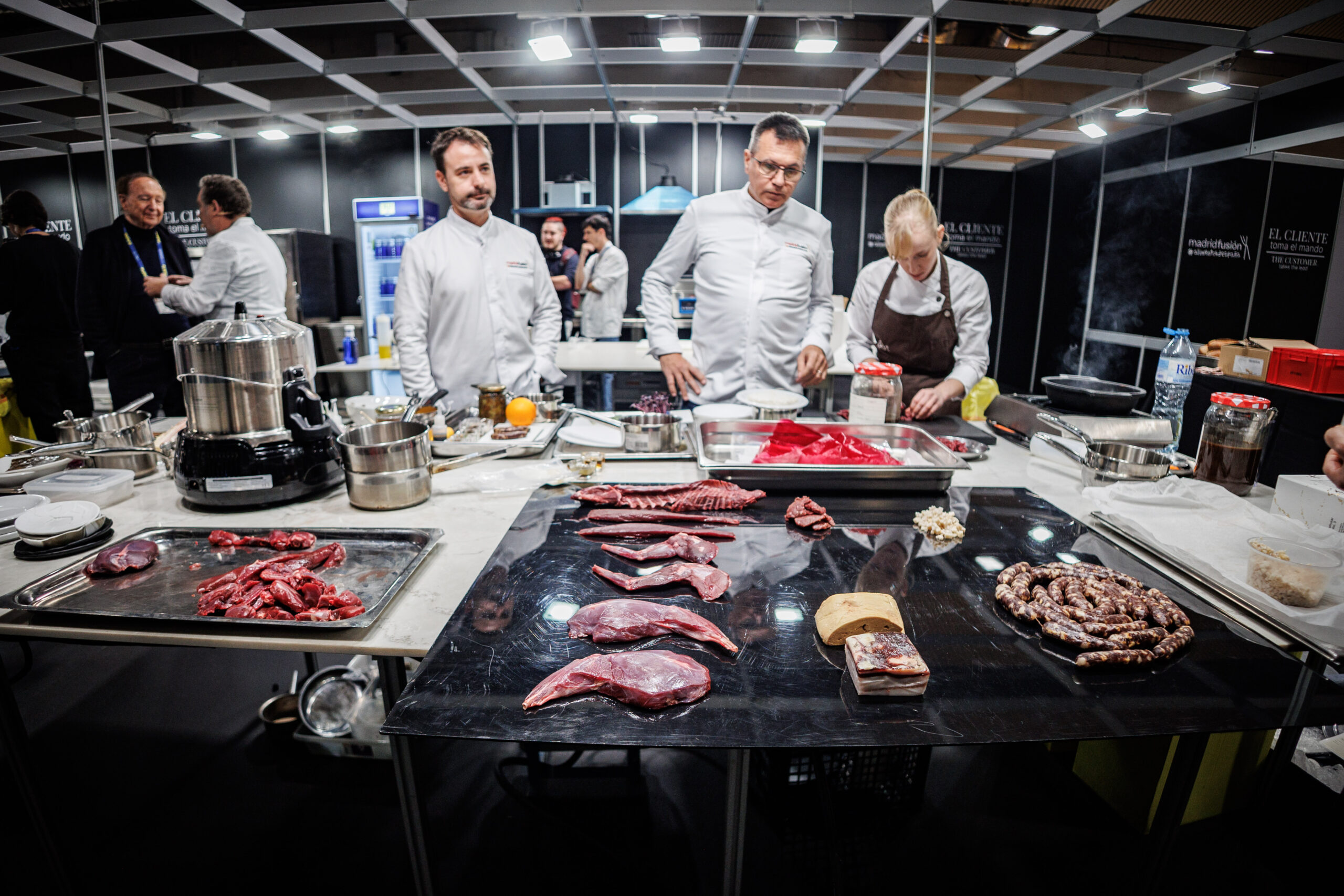
Under the theme “The Customer Takes the Lead”, this year’s summit explored how the once-passive guest has transformed into an informed, curious, and highly discerning participant in the dining experience. If fine dining once operated on a largely chef-driven narrative, today’s restaurant culture is evolving into a conversation – one where guests expect greater freedom, transparency, and authenticity at the table.
A new dialogue between kitchen and dining room
One of the most widely discussed shifts at the congress was the re-evaluation of the traditional tasting menu. For decades, multi-course tasting experiences symbolised the pinnacle of haute cuisine – carefully choreographed journeys where chefs dictated the narrative from the first amuse-bouche to the final petit four.
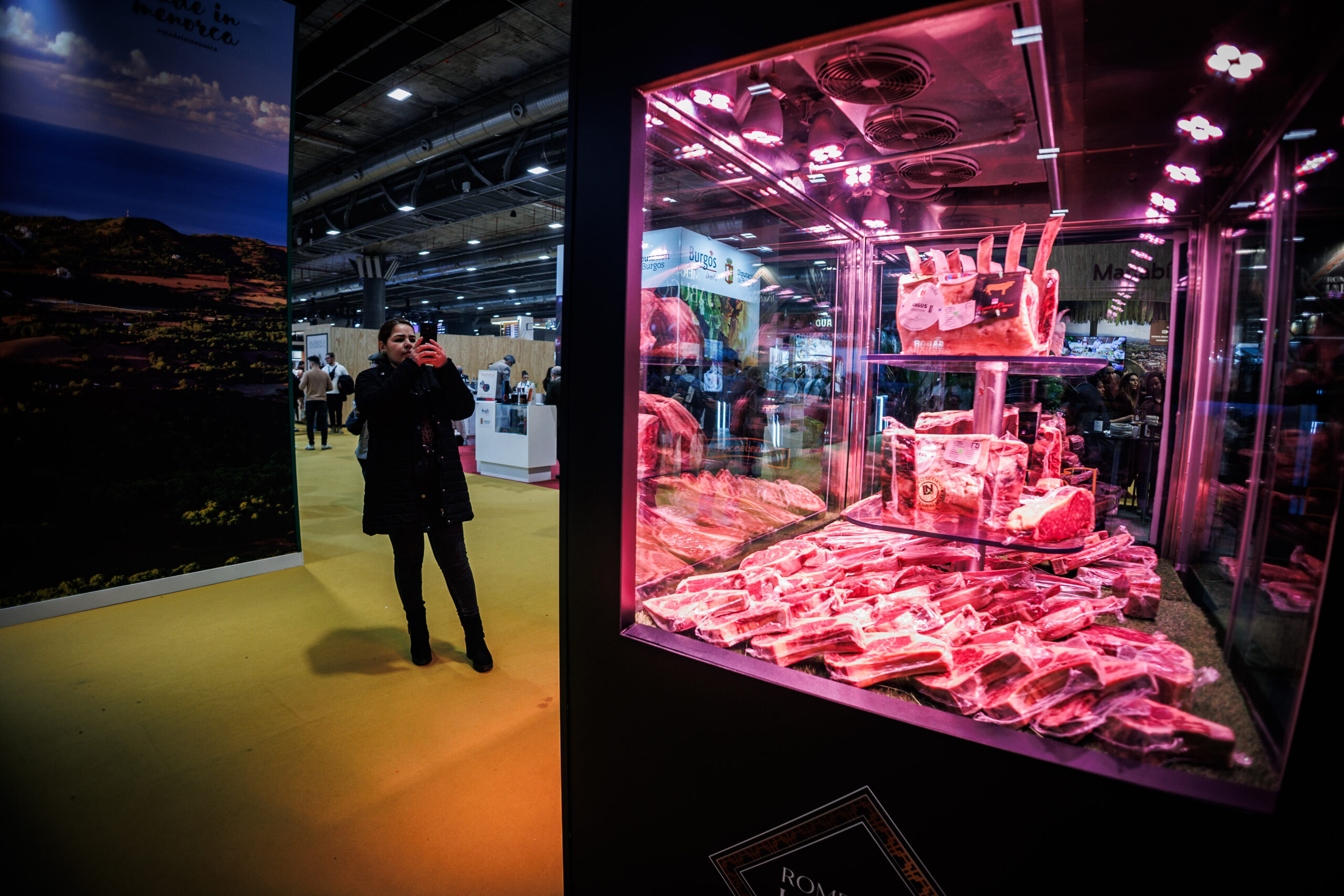
Yet many diners today are challenging this rigid structure. Increasingly, guests want to customise their meals – skipping courses, selecting dishes à la carte, or opting out of compulsory wine pairings. The change reflects a broader cultural moment shaped by social media and the era of “hyper-opinion”, where diners arrive at restaurants not just hungry but informed, critical, and eager to shape their own experience. In this new reality, the relationship between chef and guest is shifting from a vertical hierarchy to a horizontal dialogue.
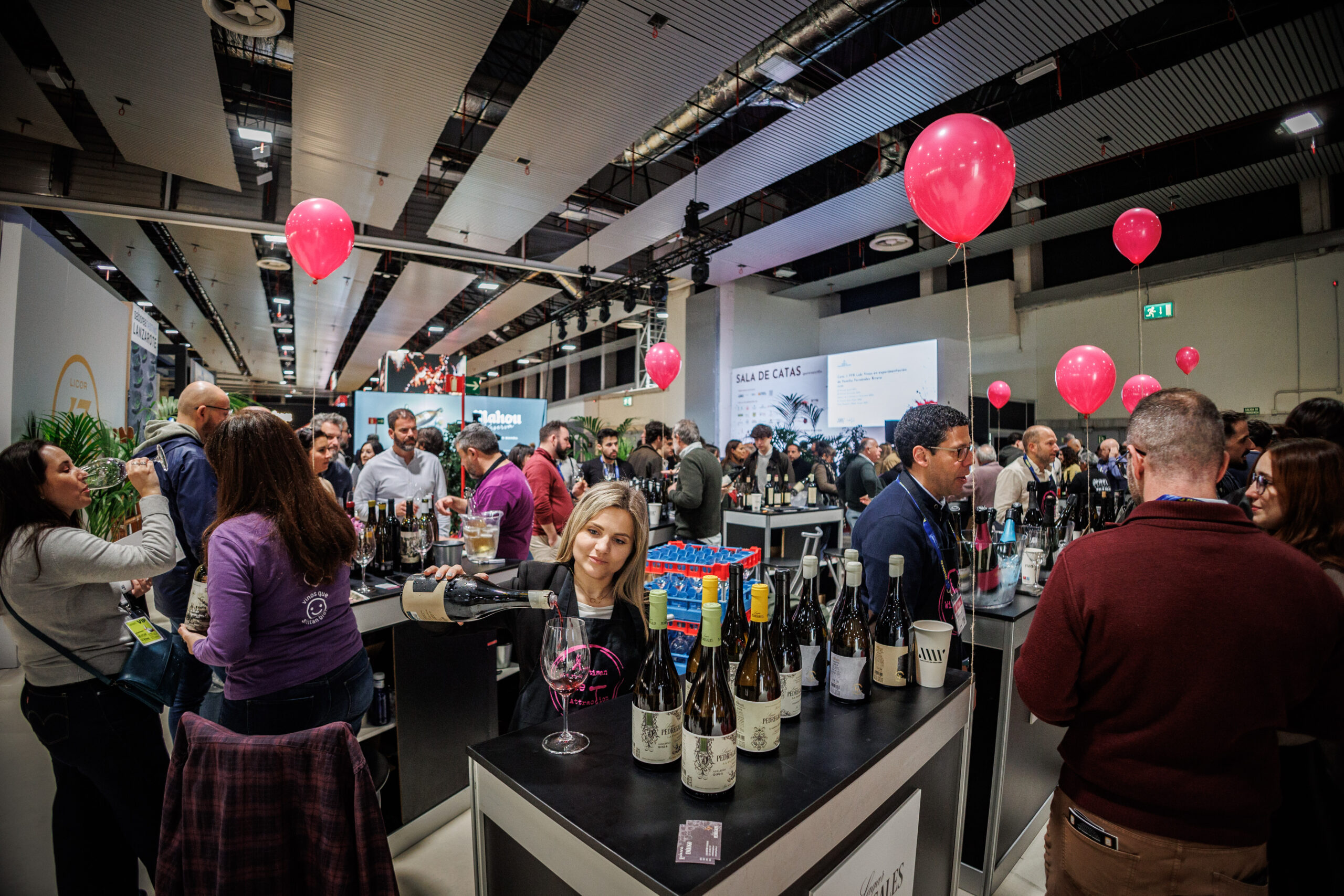
Another theme resonating throughout Madrid Fusión 2026 was the renewed appetite for clarity and substance in cuisine. Across the presentations, chefs spoke of a return to fundamental techniques – fire, fermentation, smoke, slow cooking, and dough – methods that emphasise honesty and deep flavour rather than technical spectacle.
For diners seeking authenticity, these ancestral approaches signal something more meaningful than visual theatrics: they evoke memory, territory, and cultural continuity.
A truly global lineup
This year’s congress was also the most international in its 24-year history, with global chefs outnumbering Spanish presenters on the main stage. Among the standout voices was Bas van Kranen, whose restaurant Flore has become one of Europe’s most radical kitchens. After rethinking the foundations of European cuisine, van Kranen famously removed dairy entirely – building a cuisine rooted in sustainability, producer relationships, and subtle Japanese influence.
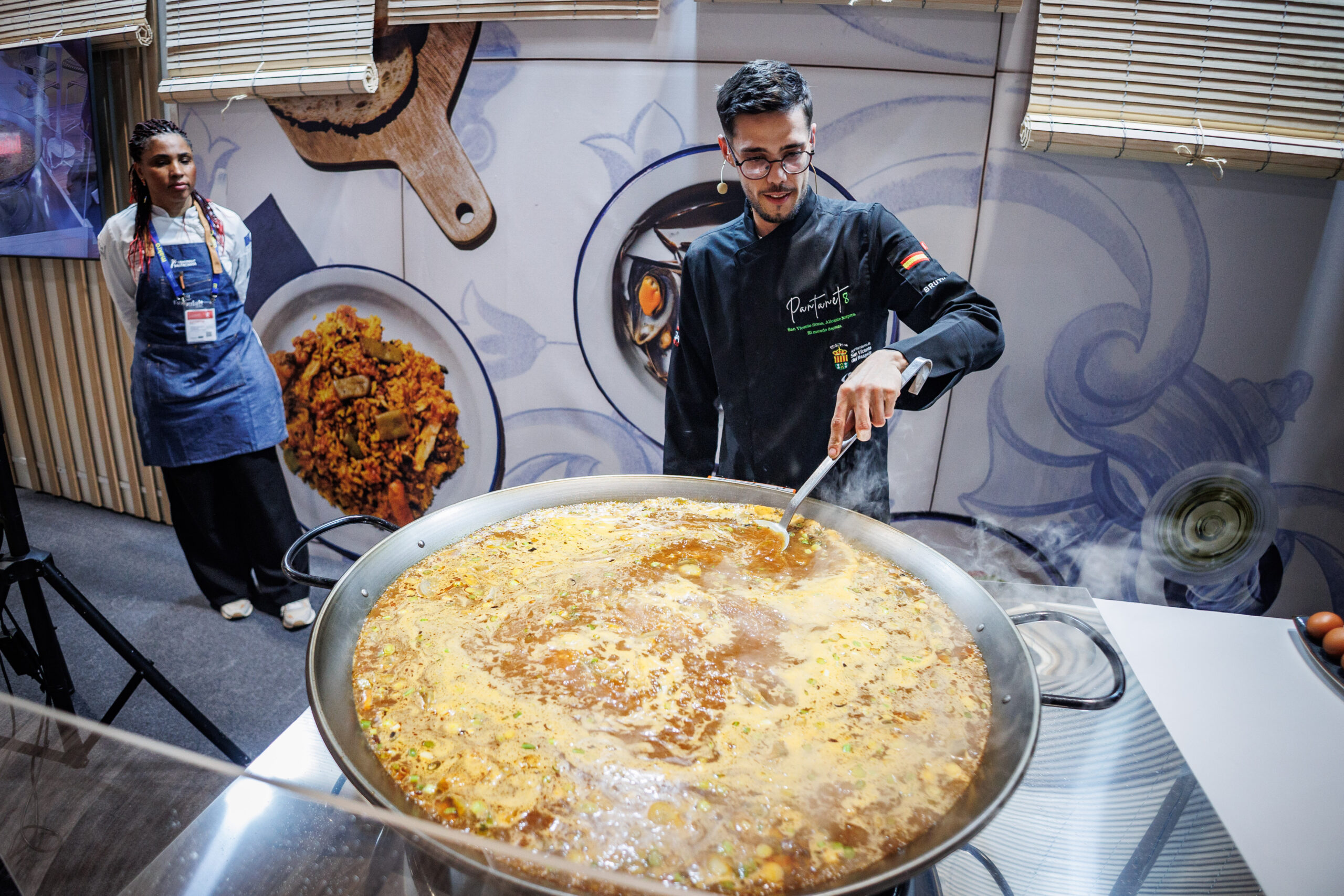
Parisian chef Bruno Verjus of Table offered a strikingly different perspective: a cuisine driven by spontaneity. Each morning, Verjus cooks whatever his producers send him – often without prior notice – transforming ingredients into dishes that prioritise instinct, narrative, and simplicity.
Another compelling voice was Akrame Benallal, whose restaurant Akrame embodies a modern, multicultural France shaped by Maghrebi heritage and avant-garde technique. Meanwhile, Italian master Mauro Uliassi of Uliassi returned to Madrid Fusión after nearly two decades, presenting a deeply personal interpretation of Adriatic seafood cuisine.
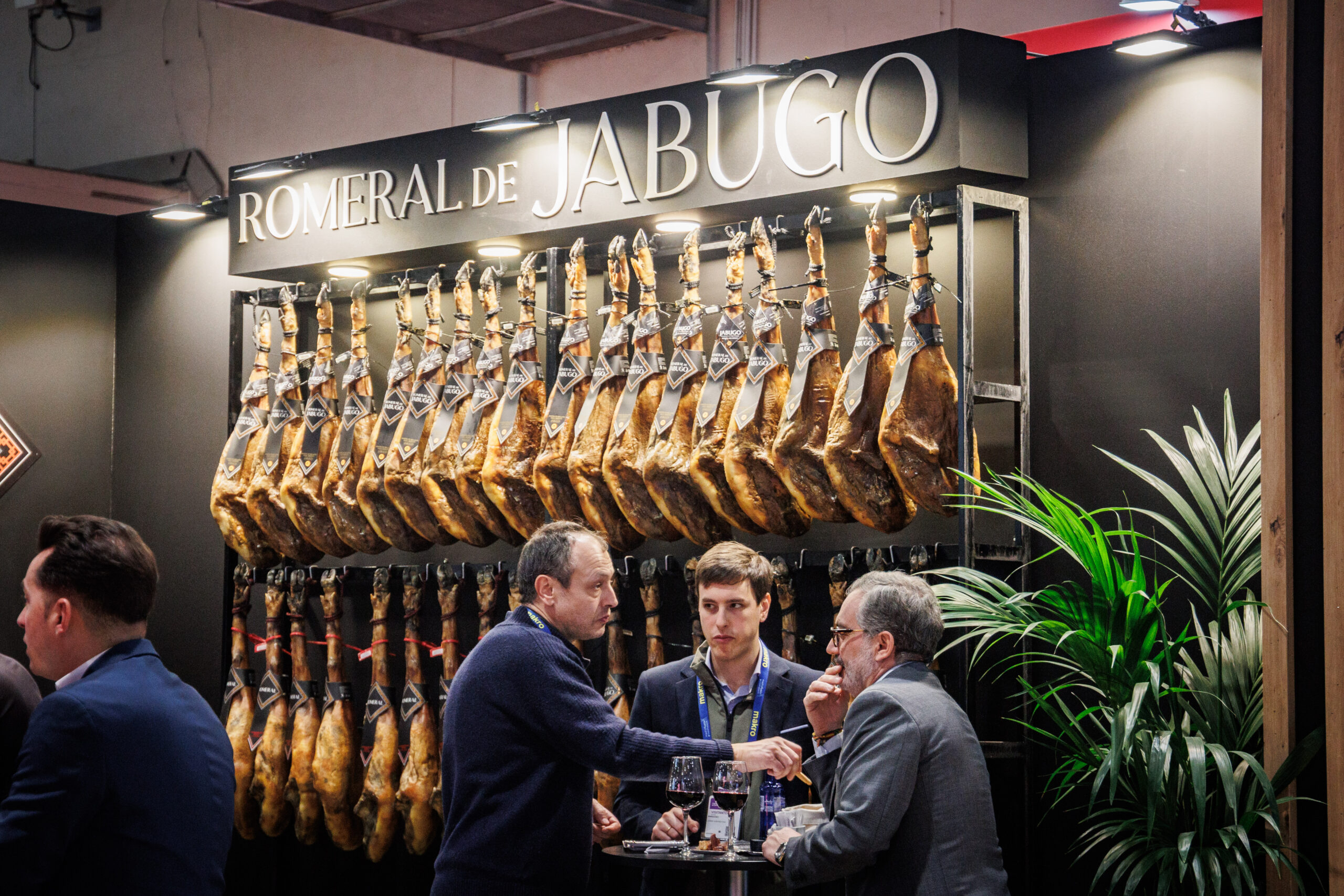
Beyond the temples of haute cuisine, Diego Rossi showcased how creativity can thrive within simplicity at Trippa, while Giuseppe Iannotti demonstrated the experimental spirit of Krèsios, where fermentation and hyper-local produce drive an evolving culinary ecosystem.
Asian chefs also delivered some of the most exciting narratives of the congress. In Hong Kong, Vicky Cheng of Wing continues to reinterpret China’s eight regional cuisines through the lens of modern fine dining. In Japan, Tomohiko Kuchiiwa has elevated soba at Kuchiiwa Soba, crafting meticulous tasting menus around the humble buckwheat noodle.
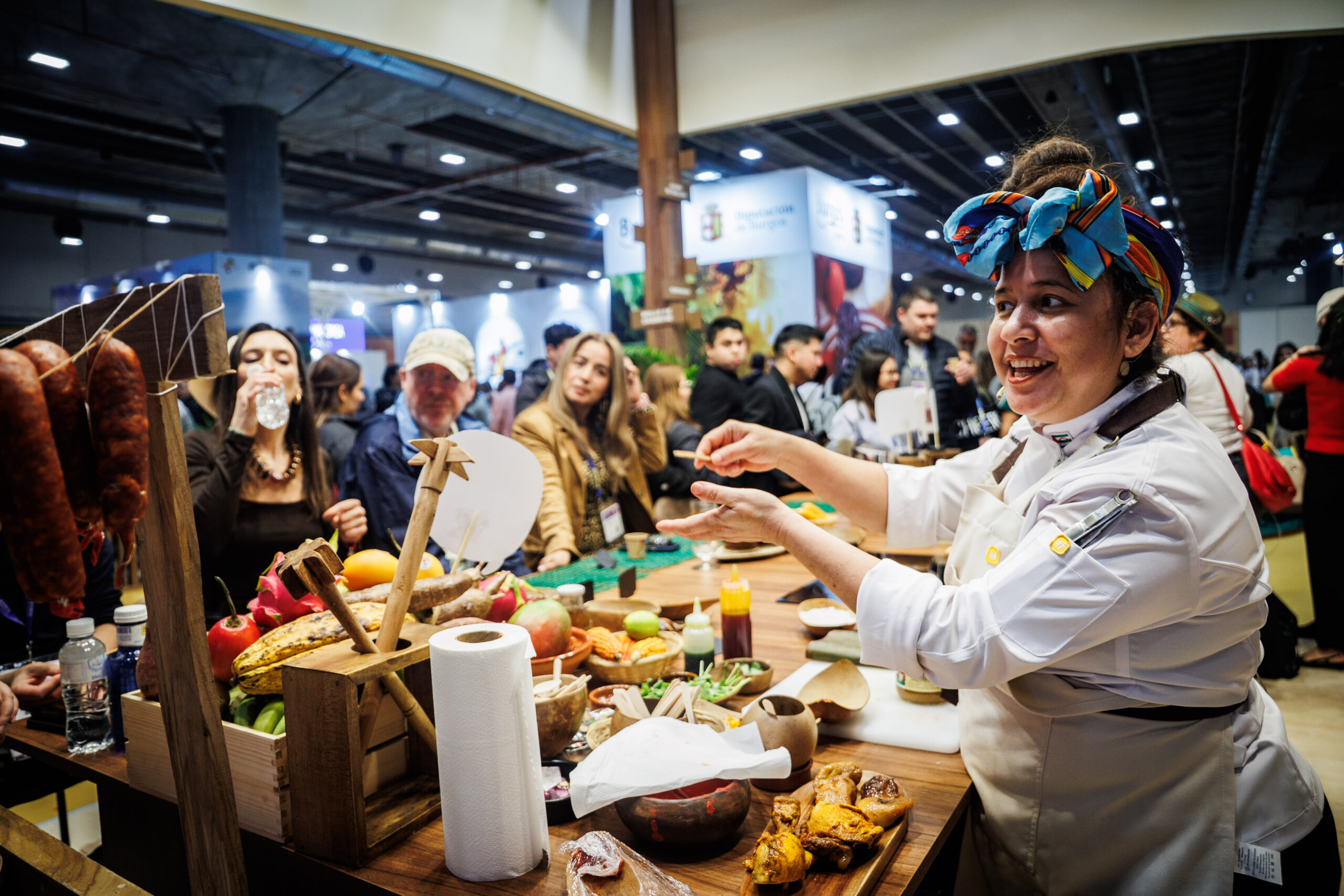
Singapore-based chef Mano Thevar of Thevar shared his bold fusion of Tamil flavours and European technique, while Chele González presented the research-driven cuisine of Gallery by Chele, which champions Filipino biodiversity and culinary anthropology.
Latin American gastronomy was represented by trailblazers such as Pía León, whose restaurant Kjolle celebrates Peru’s extraordinary biodiversity – from Amazonian plants to Andean tubers – through vibrant, contemporary cuisine. From Mexico City, Santiago Muñoz of Maizajo offered a tribute to native corn varieties, showcasing how tradition and technical precision can elevate everyday ingredients into modern culinary expression.
Beyond the plate
Madrid Fusión 2026 expanded its programme with several major initiatives. Madrid Fusión Pastry gathered leading pastry chefs and chocolatiers – including Jordi Roca and Albert Adrià – to explore the evolving world of desserts and baking. Meanwhile, The Wine Edition – Wines from Spain returned for its fifth year, examining the future of wine culture.
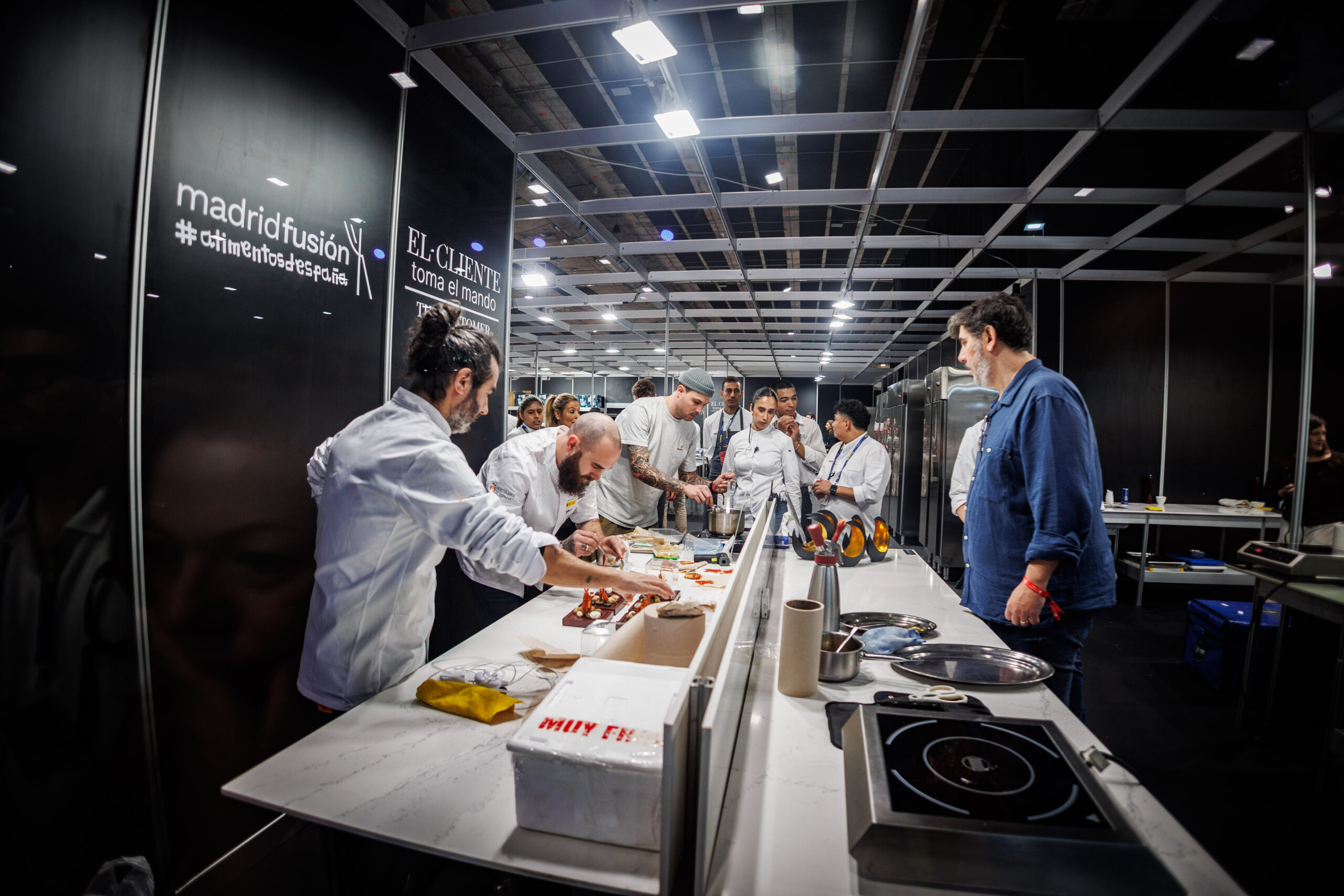
A major new addition was the Experience Stage, where visitors could not only watch cooking demonstrations but also taste dishes prepared live on stage – turning spectators into participants.
The future of luxury dining
If there was one defining takeaway from Madrid Fusión 2026, it was this: the future of gastronomy lies not in abandoning haute cuisine but in redefining it. Luxury dining today is no longer about passive indulgence. Instead, it is about participation – diners who engage with chefs, question conventions, and seek genuine connection to ingredients, place, and story.
In this evolving landscape, the most important skill a chef can cultivate may no longer be technical mastery alone, but something far simpler – and perhaps far more challenging: the ability to listen.