

Three top chefs reflect on the Chinese New Year flavours that shaped them – from family reunion tables to festive menus rooted in memory, meaning and modern craft.
Text by: Amy Van | Photos: Jija, Potong (Gastrofilm), Marina Bay Sands
For chefs rooted in Chinese culinary traditions, the festive table becomes both a personal archive and a creative benchmark. From Hong Kong to Bangkok and Singapore, these three chefs reflect on the food memories of their childhoods, the rituals they continue to honour, and how those traditions inform the way they cook today — whether through Yunnan-inspired celebratory menus, painstakingly crafted festive pastries, or Thai-Chinese dishes layered with generations of memory. Ultimately, their cooking carries lineage and discipline, guided by the understanding that tradition, when respected, never stands still.
Chef Hoi Kuok I, director of pastry and bakery, Marina Bay Sands, Singapore
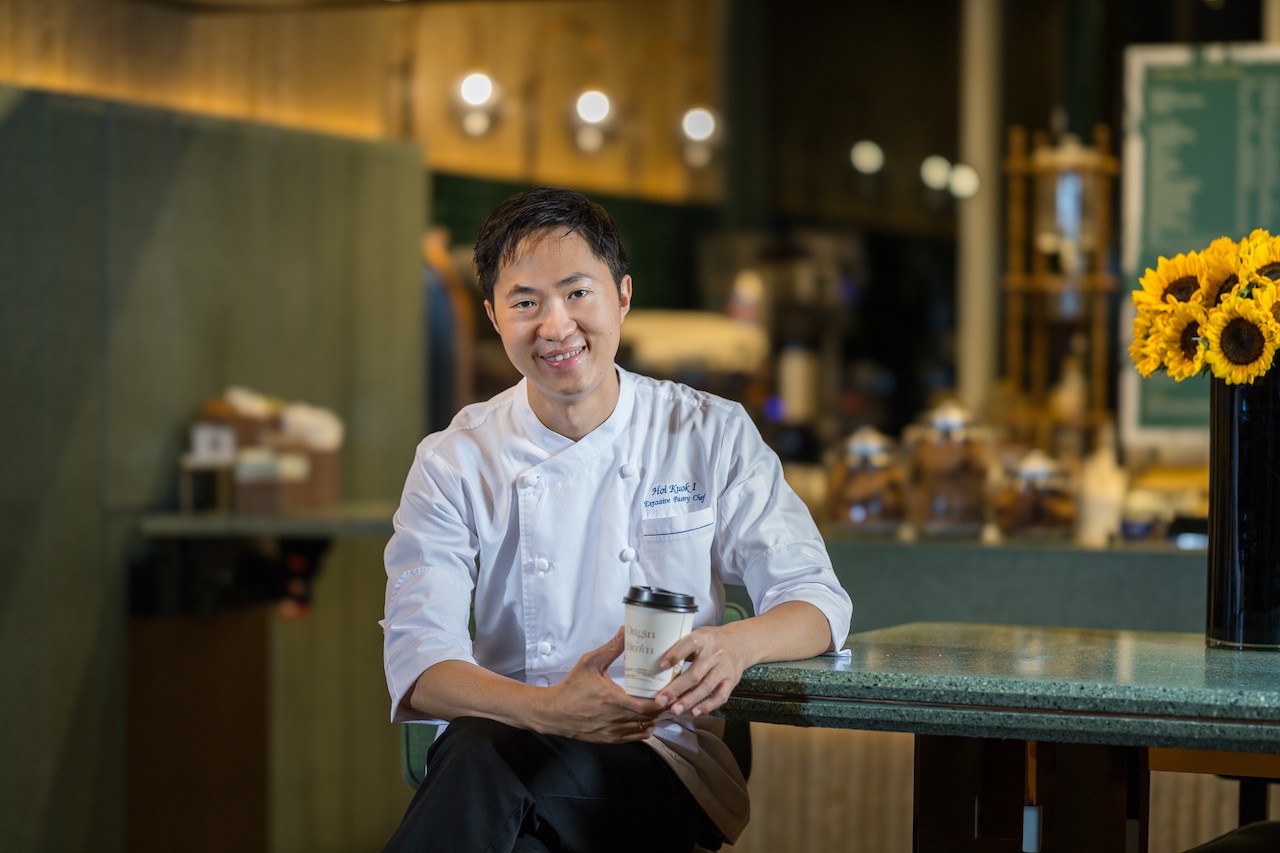
Chef Hoi Kuok I leads a pastry and baking team of over 60 chefs at Marina Bay Sands (MBS). With more than 20 years of culinary experience, he began his baking journey as a teenager under the guidance of his father, a renowned baker in Hong Kong. Born in Macau, Kuok I has worked across five-star hotels in Singapore, Guangzhou and Macau, before returning to Singapore to assume the role of executive pastry chef at Marina Bay Sands, where he oversees a diverse portfolio of restaurants and luxury patisserie offerings.
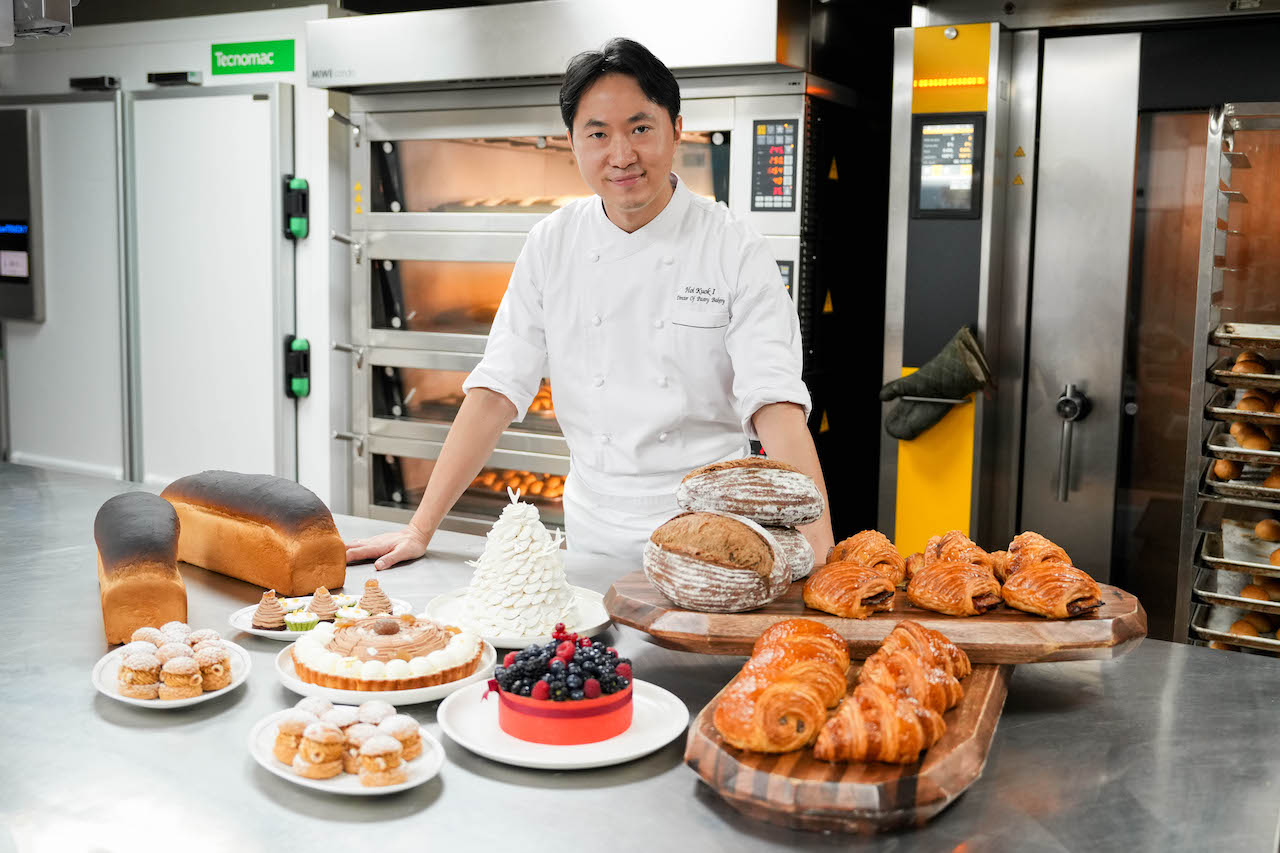
Memories of Chinese New Year in Macau
My earliest memories actually trace back to my childhood in Macau, at a time when many parts of southern China were still fishing villages. There were no supermarkets. Whatever we ate came directly from what we planted, raised or caught ourselves. At the time, we did not speak about organic food or sustainability. That was simply life.
As children, we were naturally drawn to sweet things, and one of the treats I remember most fondly is kok zai, or peanut puffs. It is a simple snack made from peanuts and sugar, deep-fried until crisp. We would peel the peanuts one by one, roast them, remove the skins and mix everything with sugar. Everything was made entirely from scratch by my mother and aunts. That process of cooking together, starting from raw ingredients and nature itself, is what stayed with me most.
Chinese New Year was also a time for proper feasts. Beyond the sweets, there would always be fish, chicken, pork, vegetables and poon choi – rich and comforting dishes meant to feed the entire family over several days. Growing up that way taught me that food is not just about eating, but about responsibility. What you eat is what you feed. Because we raised and grew our own food, we controlled its quality, kept things clean and never took more than we needed. Sustainability was not a concept. It was instinct.
How Hong Kong, Macau, Guangzhou and Singapore shaped his palate
Each city shaped me differently, not just in palate but in character. At heart, I am still very much a kampong (village) boy. That upbringing keeps me grounded and reminds me that humility and respect matter more than status or possessions.
Hong Kong taught me speed and decisiveness. It is fast paced and demanding, and people form impressions quickly. That environment sharpened my instincts and discipline, much like how diners expect clarity and confidence when they taste a dessert.
When I first arrived in Singapore, the food culture felt slower and more rustic, although over time, it has evolved to become more international. What helped me most here was curiosity. I spent a lot of time in libraries studying architecture, jewellery, fashion and art, not pastry. Inspiration does not always come from recipes.
Working across regions also taught me restraint, especially with sweetness. If you compare Portuguese egg tarts with Macanese egg tarts, the differences are subtle but meaningful. The Macanese version is less sweet, more custard forward, with a flakier pastry and no added spices. That sense of balance is something I carry into my own work, particularly for festive desserts.
When it comes to Chinese New Year pastries for the public, I believe strongly in authenticity. These are cultural memories. They are not meant to be reinvented every year. Creativity has its place, but tradition deserves respect.
Festive pastries: symbolism vs flavour
Symbolism always comes first. Chinese New Year food is deeply tied to ritual and ceremony. Take nian gao as an example. Traditionally, it is steamed and first offered to elders or ancestors before it is eaten. Only after that do we slice and pan fry it for the family. The process itself is the meaning.
Many of these rituals are no longer practised consistently. Convenience has reshaped how people cook and eat. Ingredients are prepared in advance, food is pre-packaged and time is prioritised over tradition.
As a chef, I want to do what I can to preserve tradition, and what I put on the table. Even if people no longer fully understand the symbolism, it should never be removed.
Underrated Chinese pastry techniques appreciated for their depth and discipline
One example is gai zai bing, or chicken biscuit. It comes from a strong zero waste mentality. In traditional Chinese kitchens, nothing is thrown away. Leftover pork fat is marinated with sugar and rose wine to create bing rou, or candied pork fat. Over time, the fat dissolves, becoming flavourful and gelatinous. This is then mixed with nuts, spices and whatever dough remains to form the pastry.
What makes it difficult is that there is no recipe. Every batch is different because leftovers are never the same. Cooking is a process of instinct and constant adjustment. True discipline lies in understanding ingredients and minimising waste, rather than rigidly following formulas.
Festive pastry that’s a true test of discipline
For me, it is luo bo gao, or radish cake. My mother never used a recipe. I used to help shred the radish, yet somehow her texture was always perfect. When I make it myself, it is different every time. Sometimes it is too firm, sometimes too soft, sometimes watery.
During Chinese New Year, markets were often closed for days, and radishes kept well, which is why it was such an important dish. Even today, I still struggle to master it. It looks simple, but it requires experience, intuition and patience. That, to me, is true discipline.
Rethinking sweetness levels and healthier ingredient choices
I am in the camp that traditional festive pastries should not be modified to follow health trends. If someone follows a specific diet, such as low GI, it is better to create a new dish entirely rather than alter a traditional one. Once you change the sugar or fat, the texture and flavour change completely.
For me, tradition is sacred. I want to honour the years of history and legacy that shaped it. Food, after all, is about balance and moderation — especially during celebrations. Enjoyed in the right portions, traditional Chinese New Year sweets are never too sweet.
One Chinese New Year pastry you’re particularly proud of this year
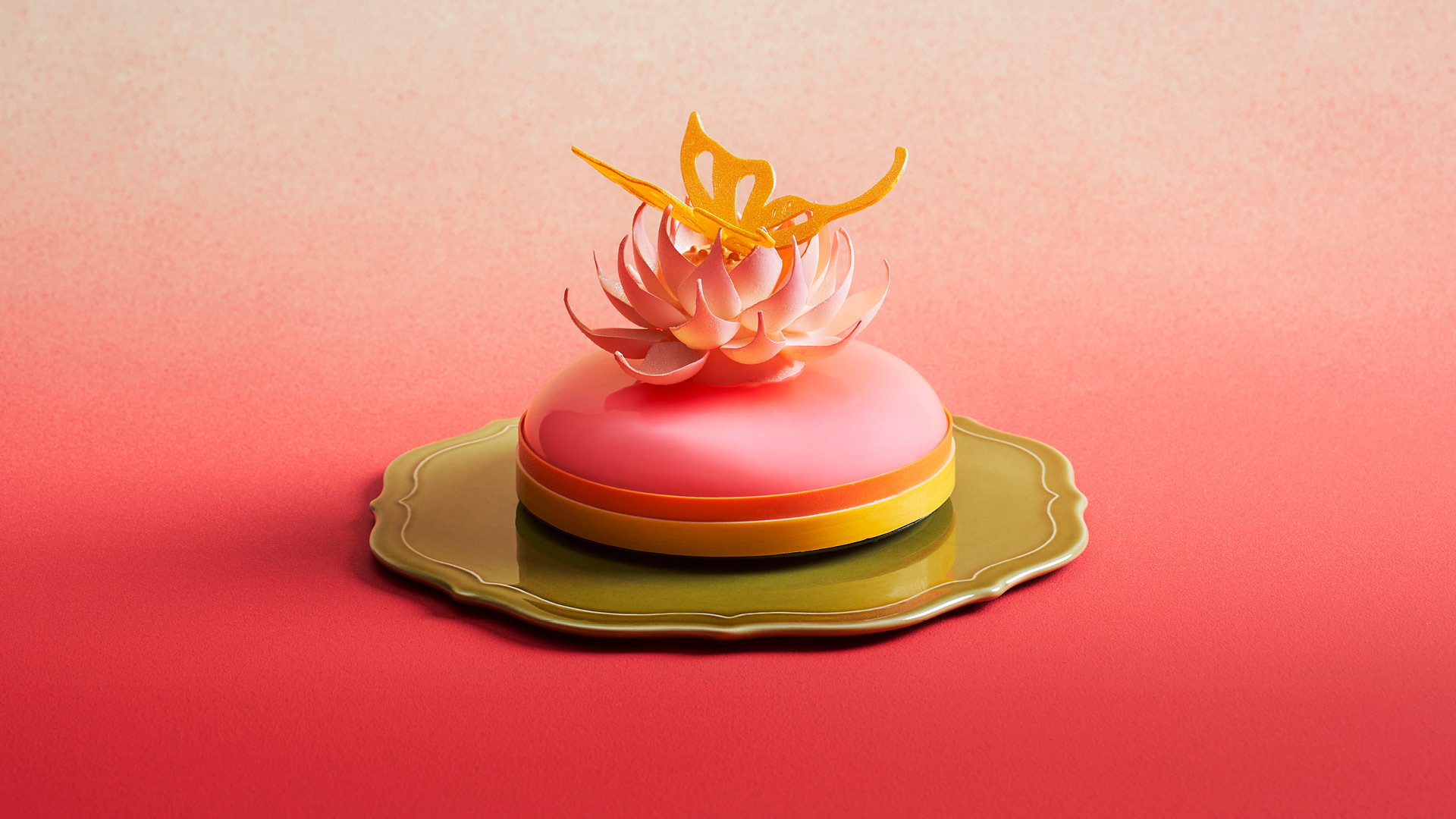
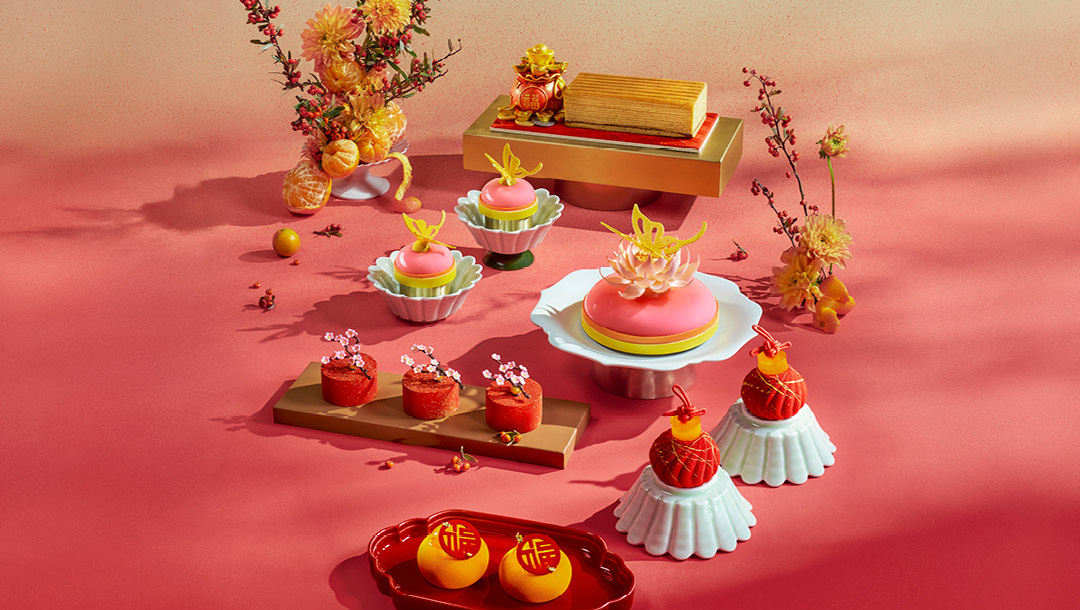
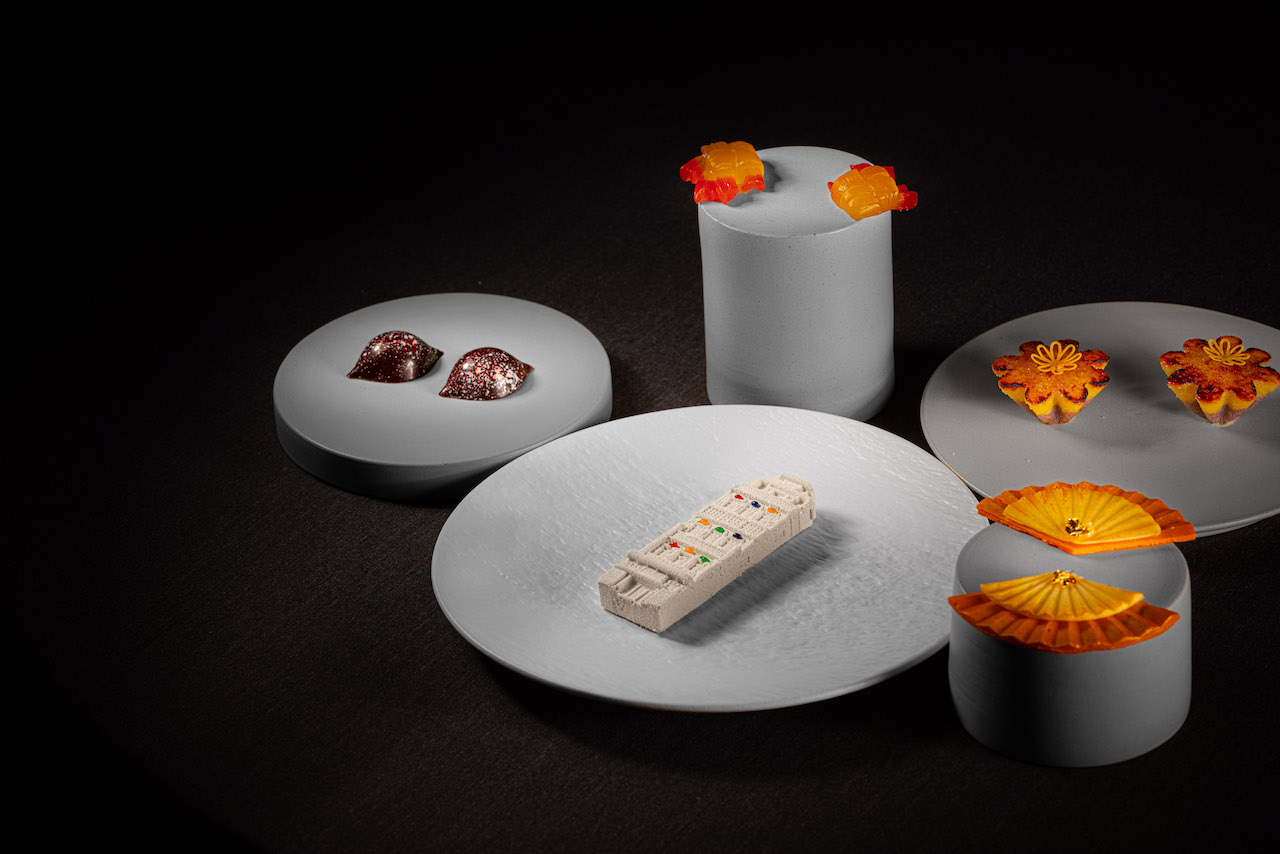
This year, I am especially proud of the fortune cookie created with Buddha’s Hand as part of the Petit Fours at Jin Ting Wan. The biscuit is infused with pu’er tea and wrapped around a cube of preserved Buddha’s Hand citrus, a delicacy from the Chaozhou region, also known as Lao Xiang Huang. The Buddha’s Hand is a striking citron with finger-like segments, prized for its floral, citrus fragrance rather than juice. In Chaozhou tradition, it is transformed through the meticulous “nine-times steamed, nine-times dried” method, where the fruit is repeatedly steamed to soften and draw out bitterness, then sun-dried to concentrate its aroma and preserve it naturally. This labour-intensive process creates a chewy, complex preserve with deep, layered flavours. When you bite into it, you first experience the crunch of the biscuit, followed by the aroma of tea and finally the citrus notes. It balances visual refinement with cultural meaning.
Future of CNY pastries: Should traditions be maintained?
Traditions should never change. The taste, shape and meaning must remain authentic, just as a mooncake cannot suddenly become a triangle. What can evolve is packaging. Better packaging can improve shelf life, quality and presentation. But the product itself must remain true to its cultural roots. Once authenticity is lost, there is no reason for these pastries to exist.
____
Vicky Lau, chef-owner of Tate Dining Room, Mora and Jija by Vicky Lau, Hong Kong
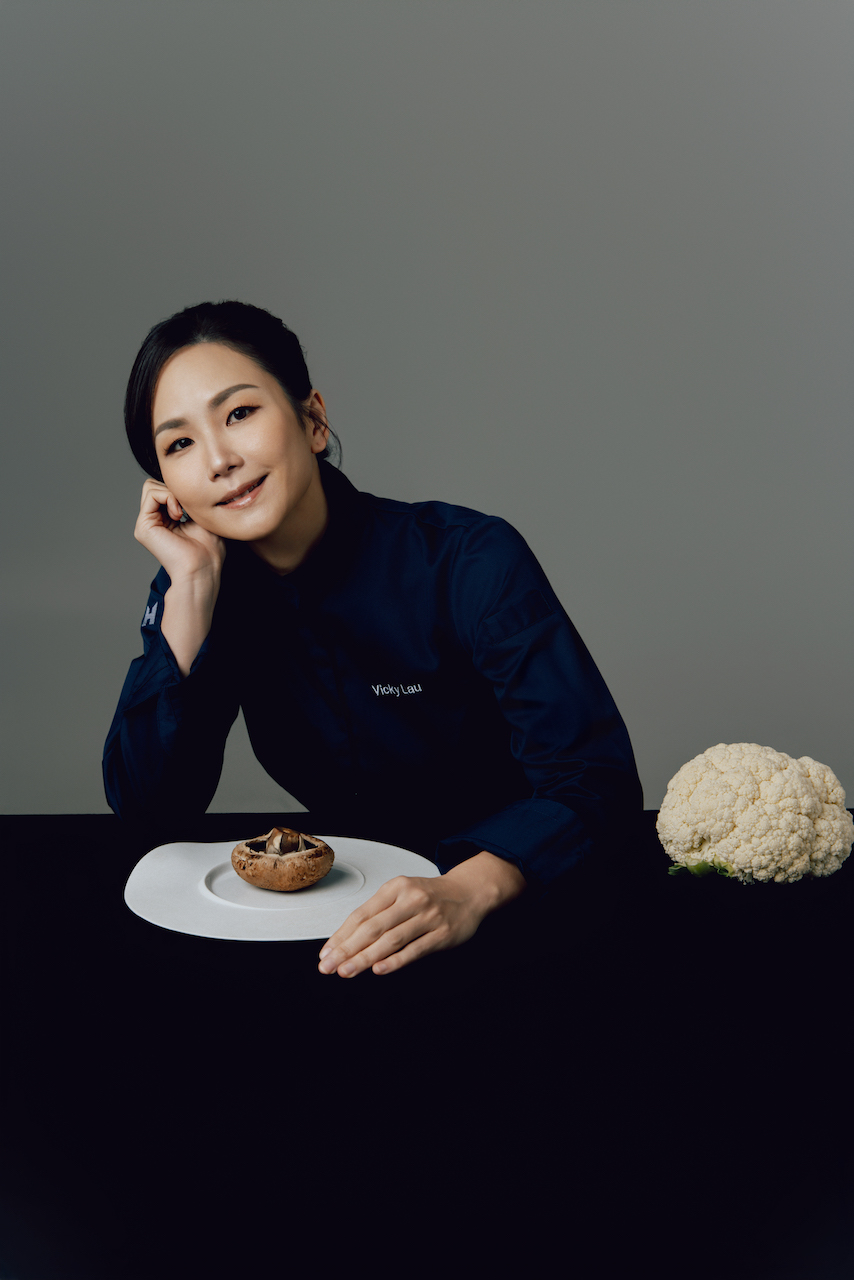
Vicky Lau is Asia’s first female chef-proprietor to be awarded two Michelin stars, a distinction her fine dining flagship Tate Dining Room has retained to this day. Her second restaurant, Mora, dedicated to the culinary versatility of soy, holds both a Michelin star and Michelin green star for sustainability. Most recently, Vicky partnered with hospitality group Leading Nation recently to open Jija, a modern Chinese bistro at Kimpton Tsim Sha Tsui Hong Kong. Inspired by her travels through Yunnan province, Jija’s menu highlights the region’s distinctive produce, from wild mushrooms and cured meats to cheeses and seasonal fruits.
Earliest memories of the reunion table in Hong Kong
I grew up living with my grandfather, who’s very traditional Chiu Chow (Teochew), especially when it comes to food and festive gatherings. Chinese New Year was always a big celebration in our home; he loved hosting the whole family with an elaborate feast. Because so many relatives would visit, we always had a hotpot alongside a spread of traditional dishes like fat choi ho see (braised oysters with black moss). This dish is a must-have because ‘fat choy’ sounds like ‘prosperity’ in Cantonese, and ‘ho see’ sounds like ‘good things’ or ‘good business,’ symbolising wealth and success for the coming year.
We also had fried taro, sweet dumplings, and rice cakes from Shanghai, Cantonese, and Chiu Chow traditions. For desserts, nian gao and chestnut sweet cake are staples. The chestnut sweet cake not only adds variety to the dessert but also represents abundance and sweetness in life.
On New Year’s Day, we would begin with a vegetarian meal, filled with the freshest vegetables and seaweed, to start the year on a clean, wholesome note. The celebration is always around gathering and sharing traditions around food.
Keeping the family feast alive
We still try to gather as a family for Chinese New Year, though it’s not always easy with everyone’s busy schedules or being away from Hong Kong. My mum still keeps the tradition alive with the same hotpot and festive spread that I grew up with. It’s just slightly more Cantonese in style now, and maybe with fewer rice cakes than before. It’s become a simpler version of the big feasts we used to have.
Jija’s Yunnan-inspired festive flavours
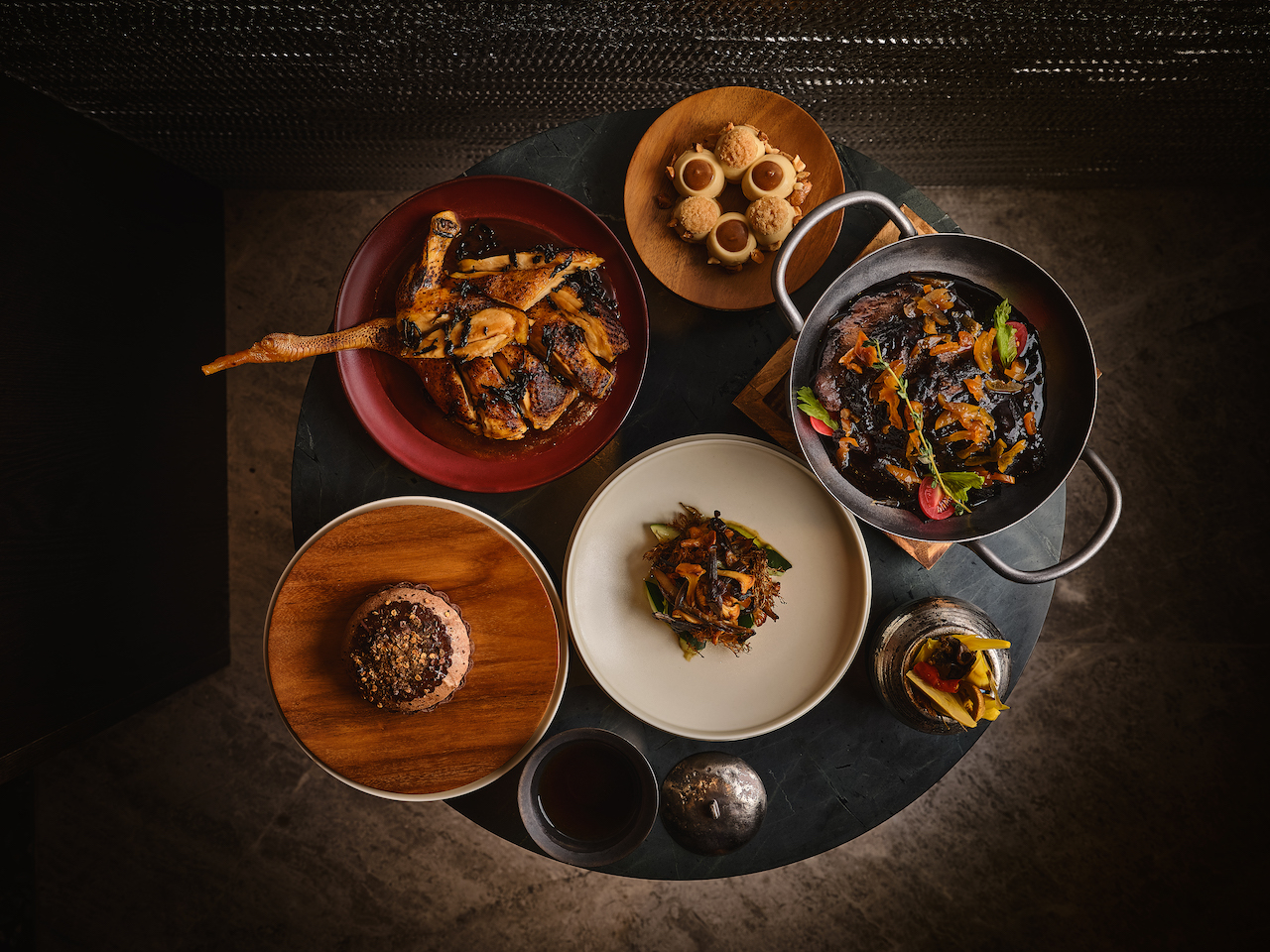
One standout dish we’re serving is steam pot chicken soup, a popular item during Chinese New Year in Yunnan. This dish is prepared using a special claypot where fresh chicken, ginger, fungus, and small pears are placed inside without any added liquid. The pot is then steamed, allowing the steam [vapour] to condense into a nourishing soup. The result is a rich, warming broth that’s perfect for the cool weather, leaving you feeling both comforted and satisfied. There’s also smoked tofu pumpkin & wild mushroom soup featuring morel mushrooms sourced directly from Yunnan.
For dessert, we’ve reinterpreted the classic eight treasure rice with a modern twist. Our version features a vibrant pumpkin purée on the outside, encasing a filling of sticky rice mixed with a variety of nuts, seeds, and dried fruits. This dish represents abundance, unity, and sweetness, making it the perfect way to end a festive meal while celebrating the new year’s blessings.

Auspicious ingredients from Yunnan
One such ingredient is wild mushrooms, which are abundant in Yunnan and highly prized for their earthy flavours and health benefits. They symbolise longevity and vitality, making them a perfect addition to Chinese New Year dishes. Another standout is ham from Xuanwei, a famous cured ham from Yunnan that adds a savoury depth to soups and stir-fries. It represents prosperity and abundance, aligning with the festive spirit. In addition, small pears are a unique ingredient that symbolise unity and harmony, while adding a subtle sweetness to dishes.

Jija’s communal-style dishes that reflect a sense of togetherness
Our menu features a variety of dishes designed to be shared, such as braised beef cheek, fried fish, and hotpot chicken. These dishes bring people together around the table, encouraging connection and conversation, much like traditional family feasts during the New Year.
___
Chef Pam Pichaya Soontornyanakij, chef-owner of Potong, Bangkok
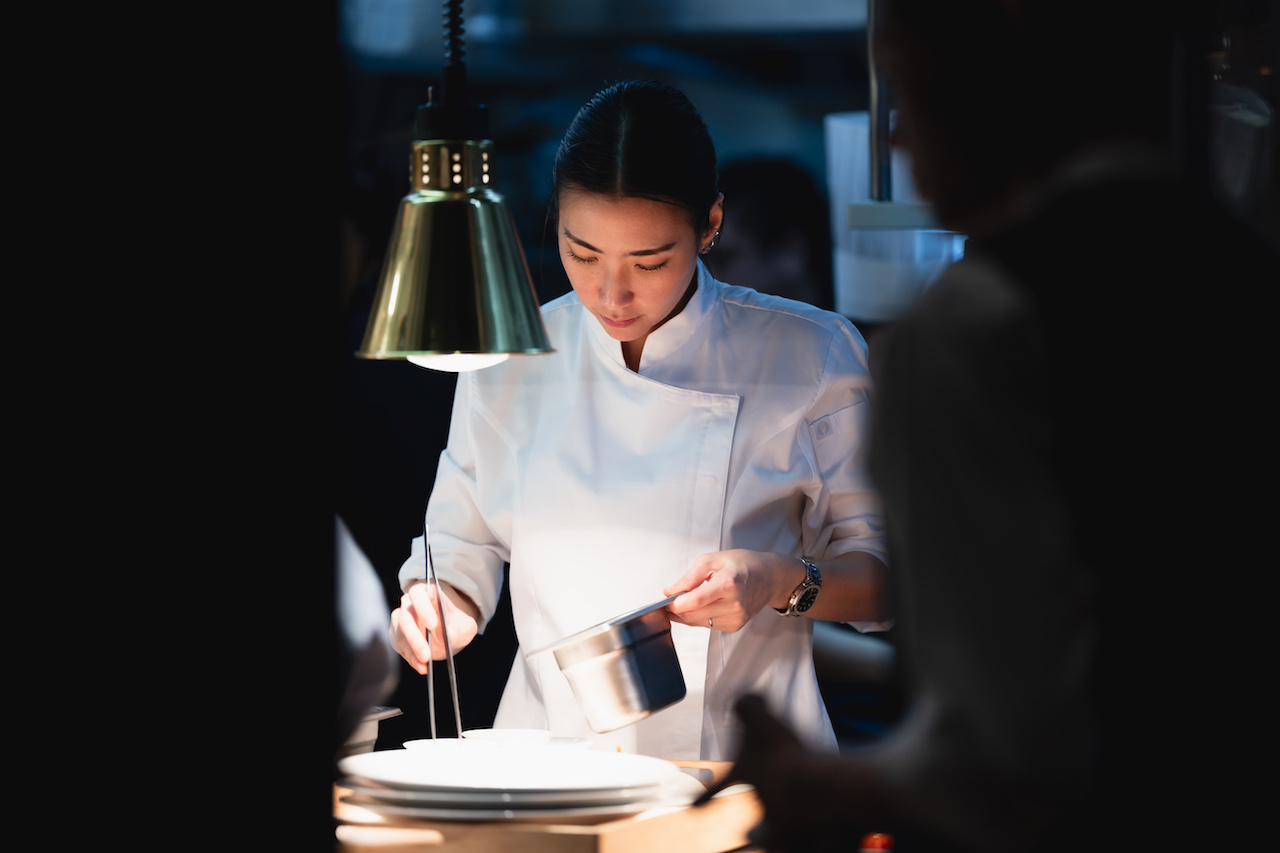
Named The World’s Best Female Chef 2025 and Asia’s Best Female Chef 2024, Chef Pam Pichaya Soontornyanakij is one of Thailand’s most influential culinary voices. She is the first Asian and Thai chef to receive The World’s Best Female Chef title. She is also a familiar presence on global television, appearing on shows such as Top Chef Thailand and Iron Chef.
Pam’s restaurant Potong has earned a Michelin star as well as the Michelin Guide’s “Opening of the Year” award. Potong, is known for its progressive Thai-Chinese cuisine and is housed in her family’s 120-year-old building in Bangkok’s Yaowaraj district (Chinatown). Recently, Pam also launched SATO 422, a Thai rice wine made by traditional methods of Northern Thais – by fermenting sticky rice to create a new and distinctive flavour profile.
Thai-Chinese New Year celebration, food and rituals at home
For my family, Chinese New Year is really about being together around the table. The rituals are there — paying respect, wishing each other well, preparing the house — but what I remember most is the feeling of everyone gathering, the pace of the kitchen, and how food becomes the language of care. We’re Thai-Chinese Teochew, so the table is always full of dishes meant to share — simple, comforting, but layered with meaning.
Flavours that anchor Chinese New Year memories
I think of a table that’s balanced with savoury braises, some stir-fries, clear soups, steamed dishes, rice, and something sweet at the end. There’s usually a richness from long cooking, the perfume of garlic and pepper, and that clean taste you get from steamed seafood. And of course, there are always dishes that feel symbolic, revolving around abundance, longevity, prosperity. But for me it’s the home-style Thai-Chinese seasoning that instantly brings me back.
Dishes from childhood that continue to influence your palate today
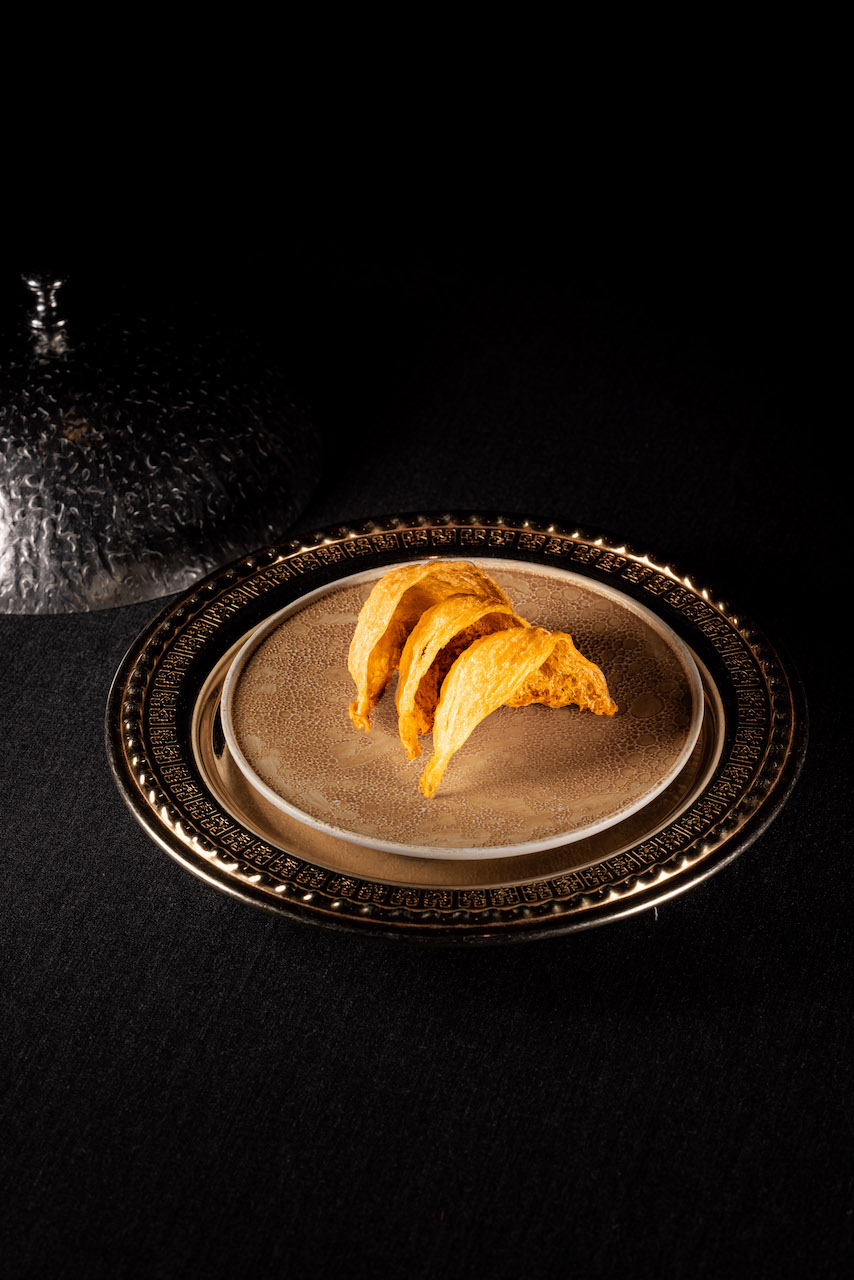
The flavours I grew up with are Thai-Chinese comfort flavours: peppery broths, soy-based depth, gentle sweetness, and that wok aroma that makes everything feel alive. Those memories stay with me and still influence how I build dishes today—especially when I’m trying to create something that feels familiar, even if the presentation is new. Like one of my dishes that reminds me of ‘kuay jab’ (a Thai-Chinese street food dish).
Auspicious ingredients that carry meaning for Thai-Chinese families
In Thai-Chinese culture—especially during Chinese New Year—certain ingredients carry deep symbolic meaning. Whole fish, for example, represents abundance and surplus. Tangerines and oranges are shared for good luck and wealth. Beyond flavour, these ingredients become part of a shared language passed down through generations.
Underrated Chinese culinary techniques that you appreciate now
When I was younger, I underestimated how demanding “simple” Chinese techniques really are — especially steaming, clear broths, braising, and precise knife work. They look straightforward, but the discipline is intense because there’s nowhere to hide: the ingredient quality, timing, temperature, and control have to be exact.
Duck for example is treated with real respect — air-drying, controlled roasting, managing fat, and building that contrast between crisp skin and juicy meat. I used to think it was mostly about the final roast, but I learned it’s the process before the oven that defines the result. That mindset — patience, preparation, and precision — has influenced how we approach our duck at Potong as well.
Thai-Chinese Teochew must-have dishes at your reunion table.
Mee sua and whole duck dish.