

Explore these omakase sushi temples in Tokyo that offer multiple course options at varying price points.
Text by: Lim Chee Wah
Photos courtesy of: Sushidokoro Isseki Sancho and Sushi Azabu
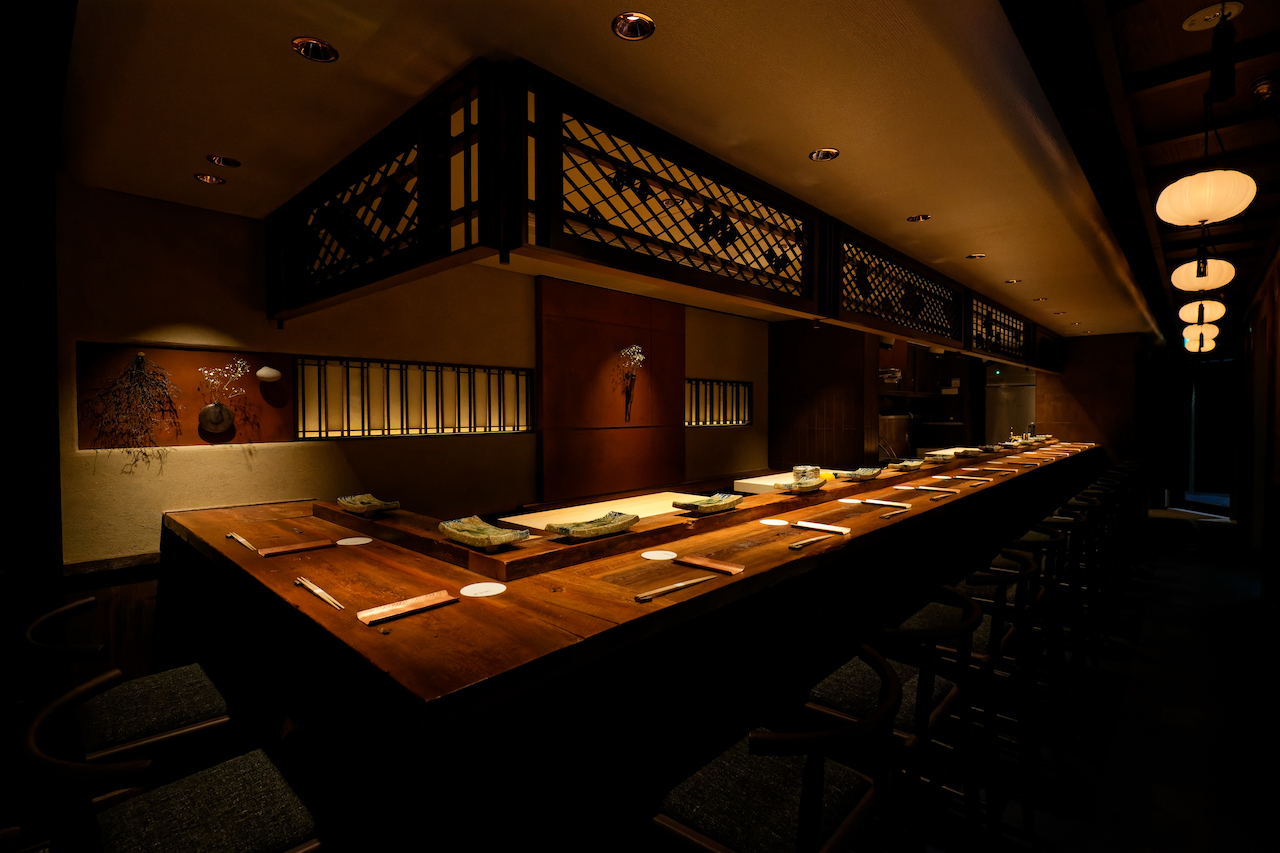
Sushi may be available the world over, but nothing beats having it in Tokyo. After all, this Japanese metropolis gave us Edomae sushi, the modern form of this iconic seafood-on-rice finger food we know and love today. While many omakase sushi venues, especially those at the higher end, typically offer just one course at a premium price, a growing number of restaurants now serve several menu options at different price points. This trend makes omakase sushi accessible and appealing to newcomers while keeping seasoned foodies satisfied with a more luxurious selection of seafood.
___
Sushidokoro Isseki Sancho
Isseki Sancho offers as many as five main menu options: from the affordable ¥8,800 (SGD75), 15-item Sushi Dokoro course to the sumptuous Welcome to Japan set priced at ¥22,800 (SGD193), which includes top-tier seafood such as unctuously rich fatty tuna and buttery uni. Coupled with its close walking distance to Ginza, this omakase sushi restaurant in the Shinbashi district is easily one of the most accessible in Tokyo, both in terms of location and pricing.

Isseki Sancho’s affordable pricing owes much to its parent company’s direct sourcing strategy. By setting up its own wholesale arm, the group is able to procure the freshest seafood directly from fishermen at cost and the savings then is passed on to diners. Moreover, with the group’s close ties with Yamayuki, a renowned tuna broker at Toyosu Market, you can expect quality tuna in your omakase meal.
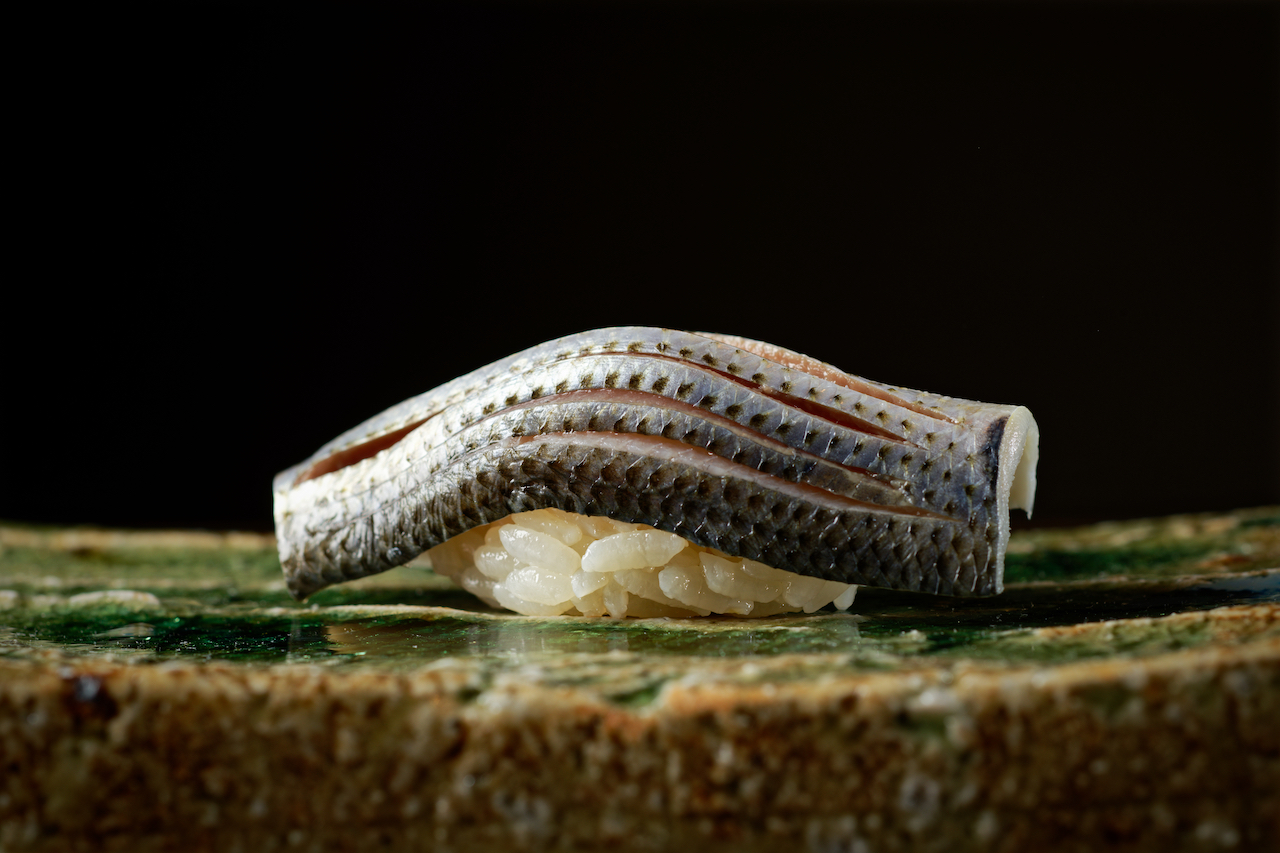
The sushi at Issekisancho is classic Tokyo style known as Edomae. Here, the shari blends two types of Niigata rice chosen for their slight stickiness and subtle sweetness. The sushi rice is then seasoned with a mix of pure rice and sake lees vinegars for a balanced taste.
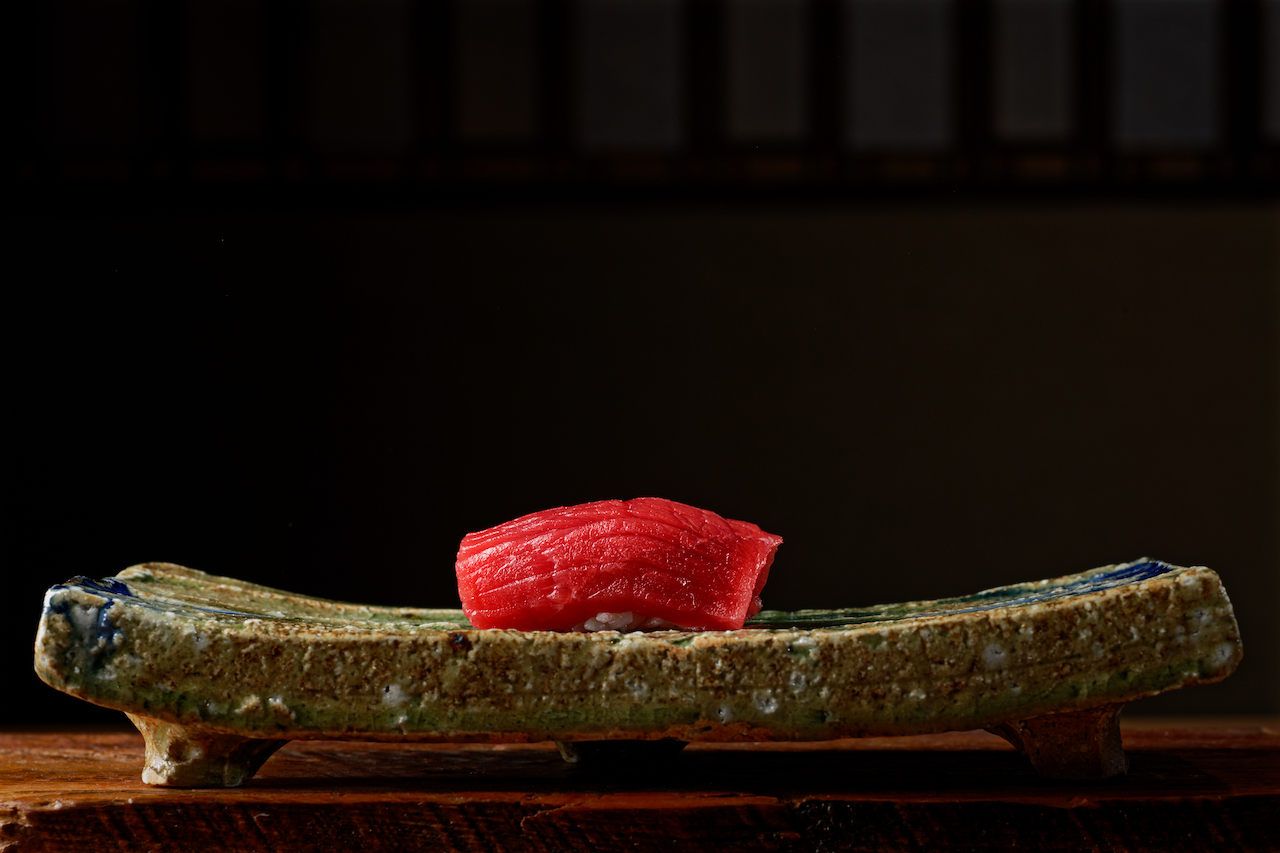
While nigiri dominates the omakase menu, each course also serves up an appetiser platter and red miso soup. The higher-priced sets further include tasting-sized seafood rice bowls, hand rolls and grilled dishes.
___
Sushi Azabu
If you’re new to omakase sushi, Sushi Azabu might be the ideal place to begin your journey into this quintessential Tokyo dining experience. Despite its glitzy locale in Azabudai Hills and strong pedigree – as the sister restaurant to Sushi Azabu outposts in Kyoto, Niseko and Miami – it delivers one of the most affordable omakase experiences in the city.

A weekday lunch here will only set you back ¥4,800 (SGD40). It consists of around 14 items including nigiri sushi and bara chirashi. Dinner is equally accessible, with courses priced at ¥9,800 (SGD83) and ¥15,000 (SGD127). The former includes approximately 15 items, while the latter adds a couple more. Naturally, the higher priced courses may also feature more premium seafood.
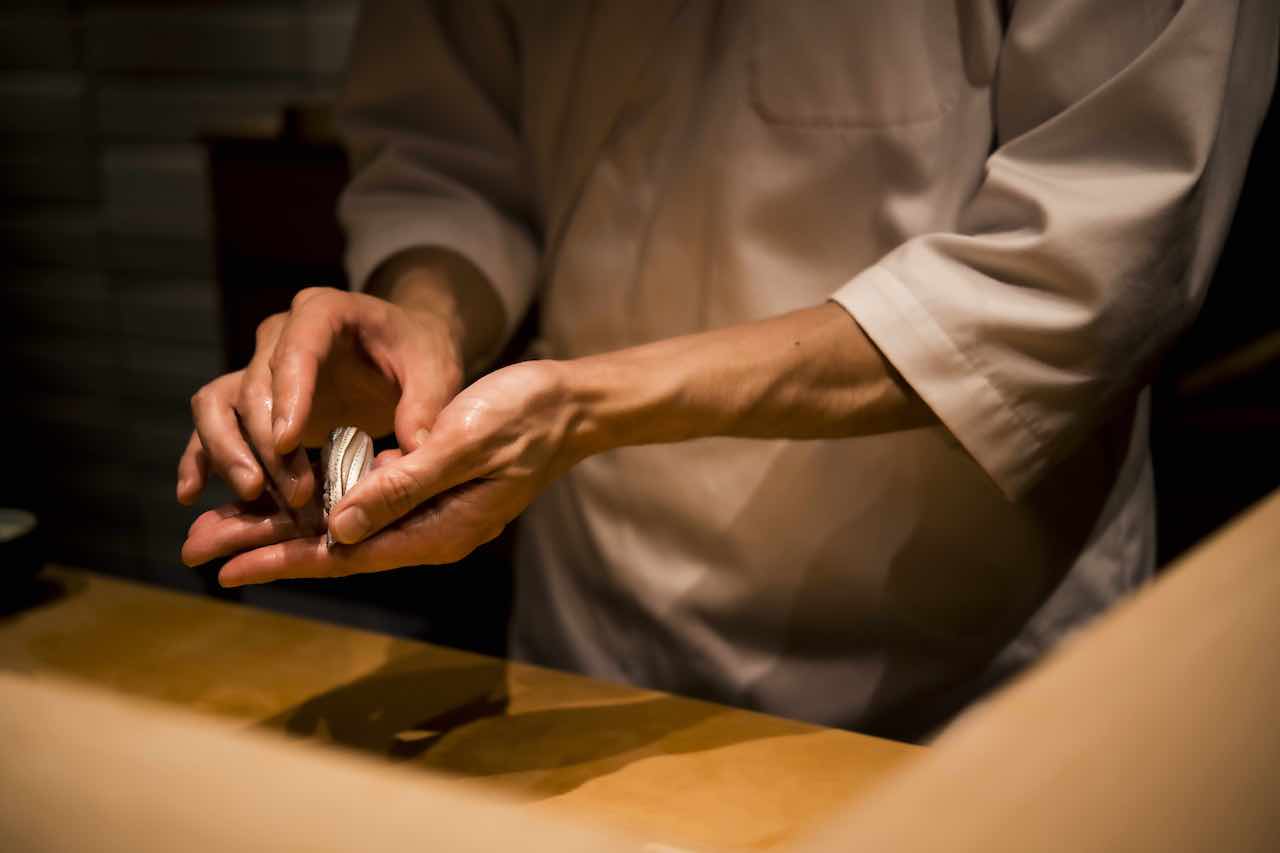
The shari at Sushi Azabu leans toward the firmer side to highlight the delicate textures of the fish. While the selection of dishes and seafood varies by season and availability, the restaurant is particularly beloved for its signature sizzling sesame tofu.
Sushi Azabu’s bright and relaxed setting is anchored by a classic wooden counter while behind it, dynamic calligraphy brushstrokes by artist Rintaro Hashiguchi lend a contemporary flair to the serene space.
___
Udatsu Sushi
Nestled in a nondescript house in a quiet residential neighbourhood near Nakameguro Station, Udatsu Sushi is a true hidden gem. Chef-owner Hisashi Udatsu is meticulous in everything he does, and it shows not just in the elegant shape and form of his sushi. You can also taste the quality, which goes beyond simply sourcing the best seasonal seafood from Toyosu Market. As every sushi aficionado knows, the fish is just one part of the equation.
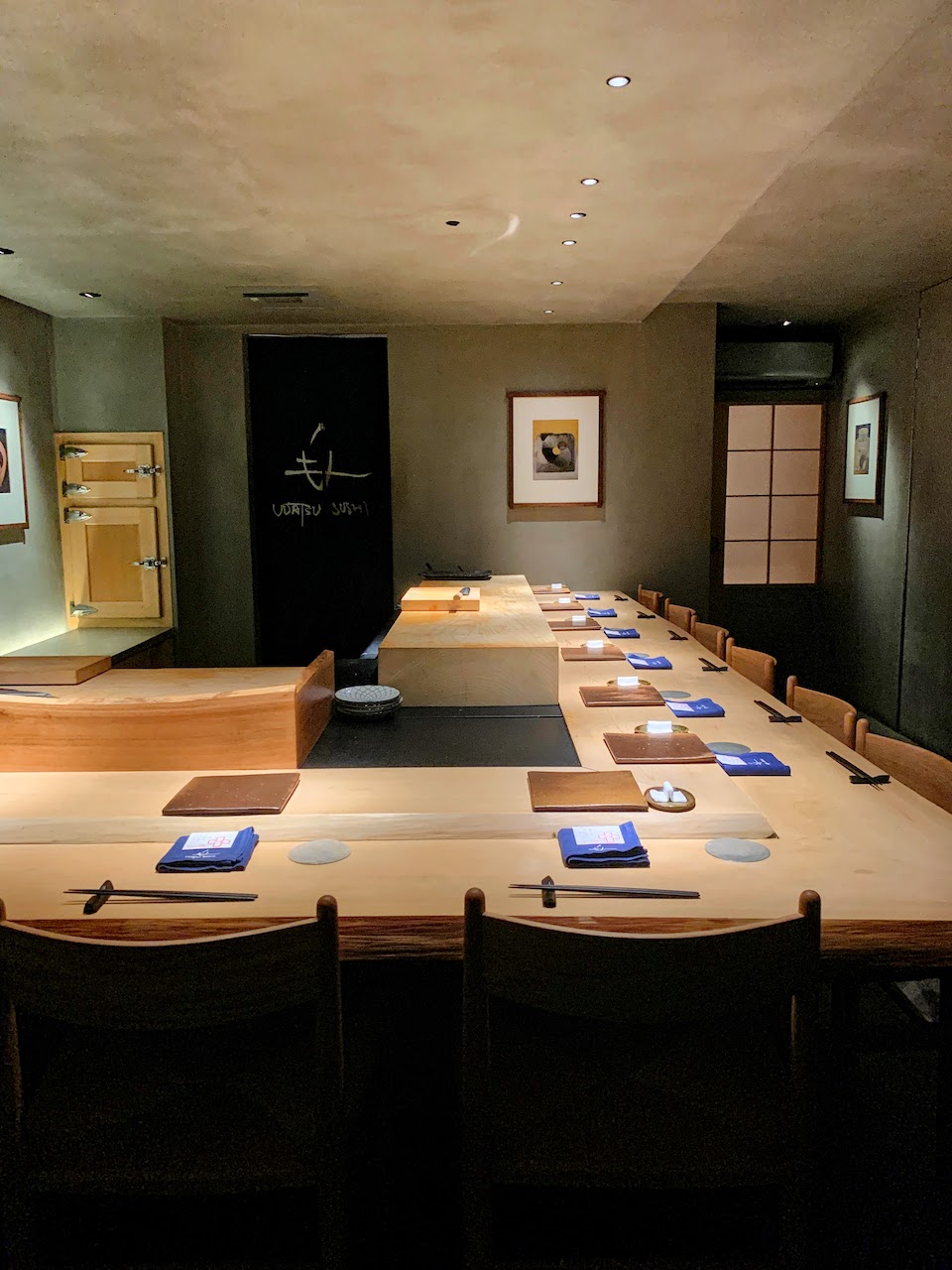
For starters, Chef Udatsu uses a proprietary strain of rice developed with a farmer in his hometown of Kunitachi. This exclusive grain is then seasoned with his secret blend of three vinegars from Kyoto’s Iio Brewing – made from pesticide-free rice using traditional methods – to create the shari. Even the glaze is a mix of aged mirin and multiple soy sauces, including premium brews from long-standing makers in Wakayama and Fukuoka.
One unique feature that sets Udatsu Sushi apart is his signature use of herbs and edible flowers. These microgreens are showcased in a special rolled sushi, where they replace the conventional rice. Other notable dishes from his repertoire include a nigiri piled high with two types of top-shelf uni as well as a cut of tuna smoked with hay and applewood.
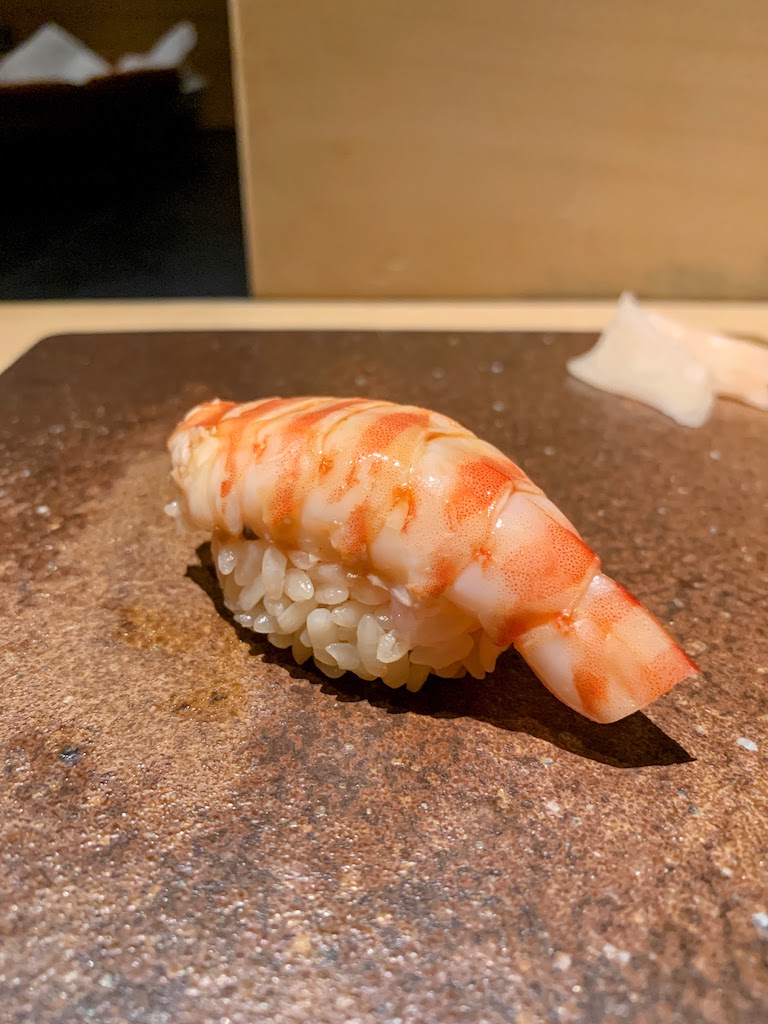
Omakase dinners prepared by chef Udatsu are priced at ¥24,200 (SGD205) and ¥36,300 (SGD308). There’s even a vegetarian sushi course at ¥30,250 (SGD257) (requires advance reservation), which is revelatory. It’s not just slapping slices of vegetable on rice, but a reimagining of Edomae sushi through a plant-based lens. On Wednesdays, you can enjoy the omakase dinner for just ¥18,150 (SGD154) or ¥30,250. However, this is not personally prepared by chef Udatsu, but by a young, emerging chef under his tutelage. More affordable still is the lunch menu, priced at ¥14,520 (SGD123).
___
Note: omakase sushi has no fixed menu, as the meal is informed by market and seasonal
availability. Hence the selection may vary from time to time.